REVIEW · KYOTO
Kyoto:Quiet Arashiyama and Sagano Temples
Book on GetYourGuide →Operated by Arashiyama Culture Experience · Bookable on GetYourGuide
Quiet Arashiyama tells stories in a whisper. This 3-hour guided walk is built for the peaceful side of Arashiyama and Sagano, and I love how nature and temples sit side by side here, not as separate stops. I also like Masa’s storytelling, especially when he connects what you see at the altar to the people who lived, loved, and suffered long ago. One possible drawback: the route packs plenty in, so if you prefer slow, long pauses at every gate, you’ll want to accept a quicker pace.
Instead of fighting crowds, you walk with a guide who keeps the focus on meaning. You’ll hear tragic, human-scale temple backstories, then you get to practice temple customs hands-on at select stops. If you hate walking for three straight hours, this tour may feel like too much (comfortable shoes matter).
You start at JR Saga-Arashiyama Station, and that matters because this whole plan stays oriented around what’s nearby, not a complicated bus shuffle. When it clicks, it feels like you’re moving through time using your own eyes, steps, and senses rather than just ticking off sights.
Key points to look for
- A quieter Arashiyama route that focuses on calm atmosphere over photo-chasing
- Masa’s narrative guide style, with temple history told through real people and choices
- Hands-on temple moments, including guided prayer and meditation traditions at select stops
- Two standout temple stories: Giōu-ji and Adashino Nenbutsu-ji
- Practical value: admissions to all temples visited are included in the $38 price
In This Review
- A Quiet Arashiyama and Sagano Walk That Feels Personal
- Finding Masa: Meeting Point and First-Minute Success
- Adashino Nenbutsu-ji: 8,000 Statues and the Heartless Field Story
- Giōu-ji Temple: A Heian Woman’s Tragedy Carved into Memory
- Saga Torimoto Preserved Street: Old Houses on the Way to Meaning
- Sagano Bamboo Grove and Tenryu-ji: Views Plus Temple Depth
- Price and Time: Is $38 Good Value for 3 Hours?
- What the Tour Feels Like in Real Life (Not Just on Paper)
- Who Should Book This Kyoto Temple Walk
- Should You Book Kyoto: Quiet Arashiyama and Sagano Temples?
- FAQ
- How long is the Arashiyama and Sagano temples tour?
- What does the $38 price include?
- Where is the meeting point?
- What language is the tour in?
- Is there a lot of walking?
- What should I bring?
- Is there hands-on participation at the temples?
A Quiet Arashiyama and Sagano Walk That Feels Personal
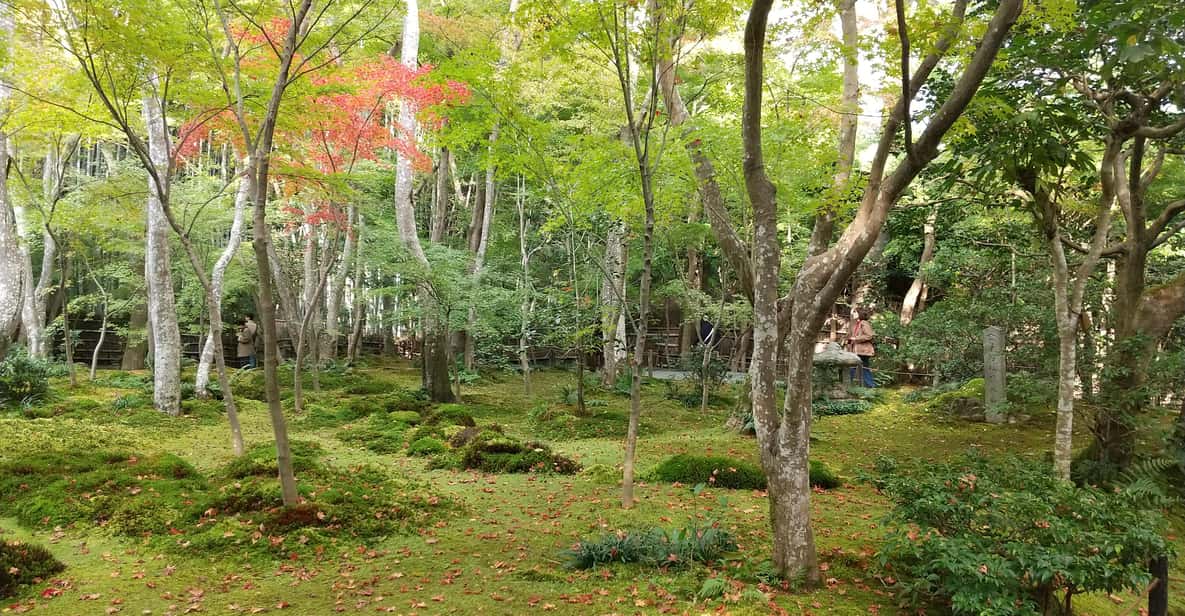
Arashiyama is famous for scenery, but this tour treats it like a living neighborhood with spiritual roots. You’re not only looking; you’re being guided to notice atmosphere: how the air shifts near temple grounds, how silence feels different under stone lanterns, and how the scenery frames rituals rather than replacing them.
I like that the experience is set up to help you slow down in your head even while you’re still walking. The guide’s pace keeps you moving, but the stories are specific—less generic “temple facts,” more human drama, devotion, and memory. That’s a rare mix: clear context plus breathing room.
The walk also leans practical. You’re told to bring what you’ll actually use—comfortable shoes, water, a hat, and sunscreen—because this is a 3-hour plan with plenty of outdoor time.
Finding Masa: Meeting Point and First-Minute Success
Meet at JR Saga-Arashiyama Station (not Hankyu, not Randen). The guide is holding a sign with your name just outside the station ticket gates in the plaza area.
This sounds minor, but it’s a big deal in Kyoto. If you start correctly, you avoid that awkward scramble, and the tour can begin on time. If you arrive 15 minutes early, you’ll have time to locate the sign and settle in.
The tour runs with a live English guide in a private group setup. That combination usually helps with two things: you can ask questions without feeling rushed, and the guide can tailor attention to what your group seems most interested in.
You can also read our reviews of more tours and experiences in Kyoto.

Adashino Nenbutsu-ji: 8,000 Statues and the Heartless Field Story
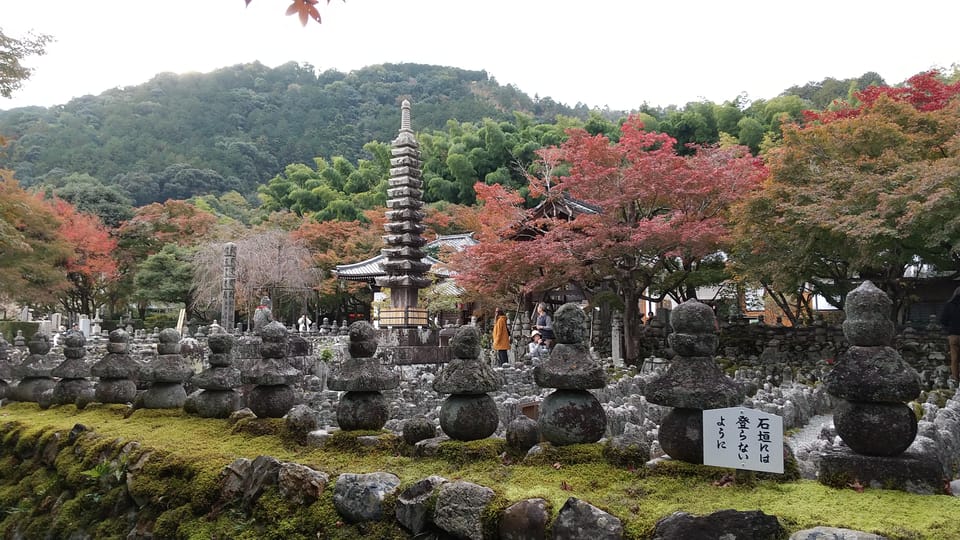
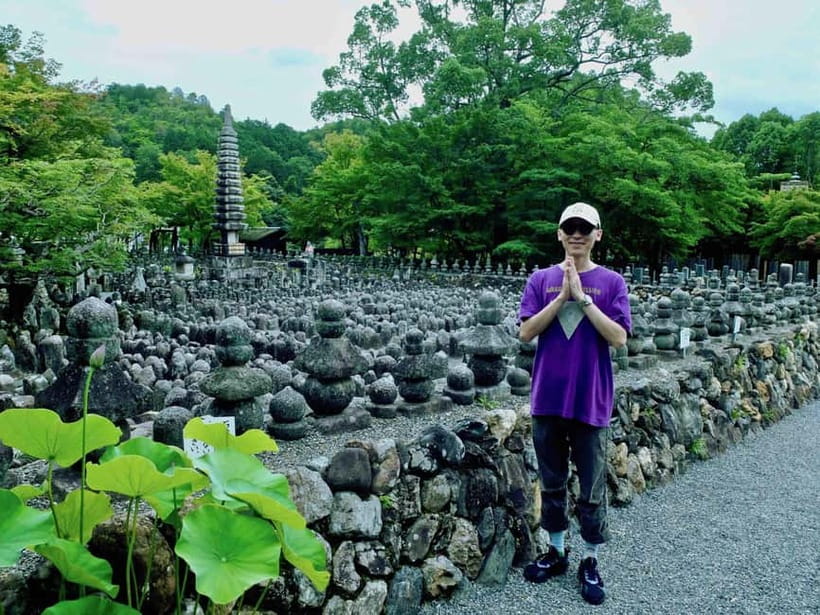
Adashino Nenbutsu-ji is one of those places where you quickly understand why “quiet” matters. This temple isn’t just about beauty; it’s about remembrance and how communities deal with painful realities.
The story goes back to the Kamakura period. The area was once called the vain field or heartless field, linked to a past where bodies were discarded there. That’s heavy material for a short walking tour, but the guide frames it carefully so you can process it on-site instead of just hearing grim history and moving on.
Here’s what makes the visit so memorable: the temple holds nearly 8,000 stone Buddha statues. They were gathered—dug up and collected—so that people who had been forgotten wouldn’t remain unmarked. Standing among those stones, you get a direct sense of scale: devotion expressed not through one grand object, but through thousands of small, repeated acts.
You’ll also hear temple teaching connected to the founder, Honen (1133–1212), and the practice of nenbutsu (chanting). Another term comes up: Muen Botoke, meaning dead beings and their spirits who have no relatives to pray for. If you’ve ever wondered what Buddhism looks like when it’s applied to real life—not just theory—this part of the tour points you there.
And then there’s Sentō Kuyo, a ceremony where candles and offerings are used to honor those spirits forever. If you can’t attend August in person, don’t worry—you’ll still learn what the ritual is for, which helps you read the place differently on a normal day.
What you can do with this stop: take a few minutes to stand still and watch how your own attention changes. With a guide’s narrative there to ground you, the statues stop looking like decor and start feeling like a physical record of compassion.
Giōu-ji Temple: A Heian Woman’s Tragedy Carved into Memory
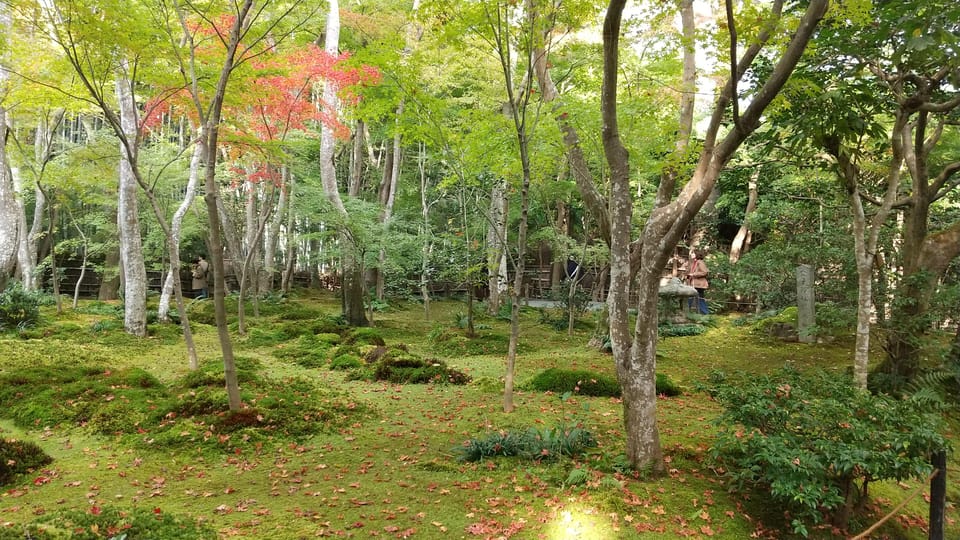
Giōu-ji (sometimes written with different romanization forms) brings the tour fully into Heian-era drama. The key idea you’ll hear is that Giōu is both a person and a symbol of sorrow—because the temple centers around her story.
This small temple dates to the 12th century, in the Heian period. The name meaning matters: Giōu means a woman’s name, and the temple has long been known as a stage of women’s sorrows.
The narrative spotlights Giōu as a dancer in the period who was favored by Taira no Kiyomori (1118–1181), a major power figure. Then comes the pivot: his attention shifts to Butsugozen, Giōu is driven away, and her life changes again. The story ends with Giōu becoming a nun and living here later with her mother and sister—turning the place into a refuge after court life breaks apart.
One detail I like in the way the guide frames this: it’s not just a sad tale. It’s also a lesson about how a person’s identity can be reshaped when status, affection, and power shift overnight. Even if you don’t know Japanese court history, the emotional arc is easy to follow once someone gives you the names and the timeline.
You may also hear that Butsugozen, the rival, was also pushed away and became a nun, and that the women practiced Buddhism together. That transforms the “triangle of tragedy” into something more collective: faith as a shared way to live after the ending you didn’t choose.
Practical tip for this stop: try to look at the temple details with the names in mind. When you can connect a space to the people tied to it, your visit feels less like sightseeing and more like meeting history face-to-face.
Saga Torimoto Preserved Street: Old Houses on the Way to Meaning
Between temple stops, you get a breather on the Saga Torimoto preserved street. This isn’t a long visit; it’s more of a walking pass-by that adds rhythm to the tour.
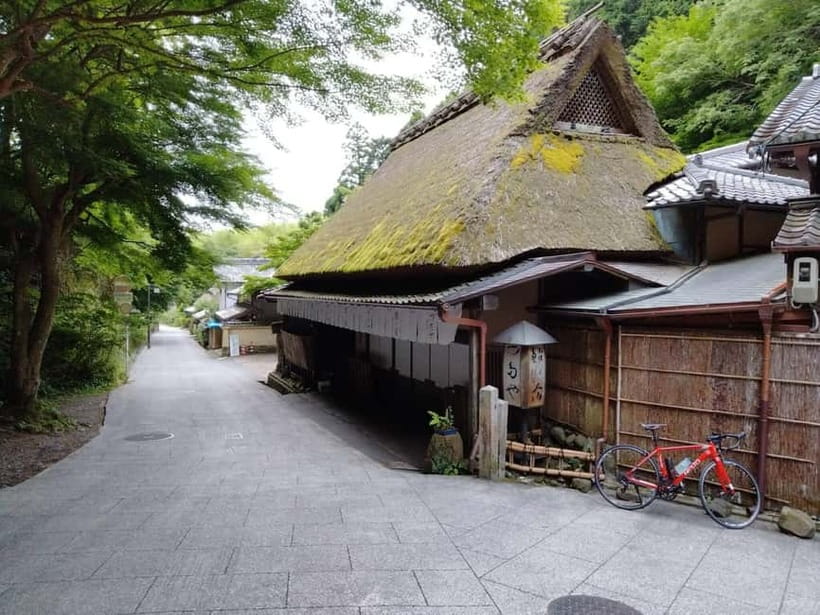
The point here is visual context. You’ll see how farmhouses and machiya houses—traditional Kyoto-style townhouses—mix together. This helps you understand Arashiyama not as a theme park, but as an area that sits within wider daily life outside Kyoto’s city center.
It’s a nice contrast after the heavier temple stories. Even a short stroll can reset your senses so the next temple doesn’t feel like another lecture. You also get an easy opportunity to take a few photos without feeling like you’re competing for space in the most crowded scenic lanes.
Sagano Bamboo Grove and Tenryu-ji: Views Plus Temple Depth
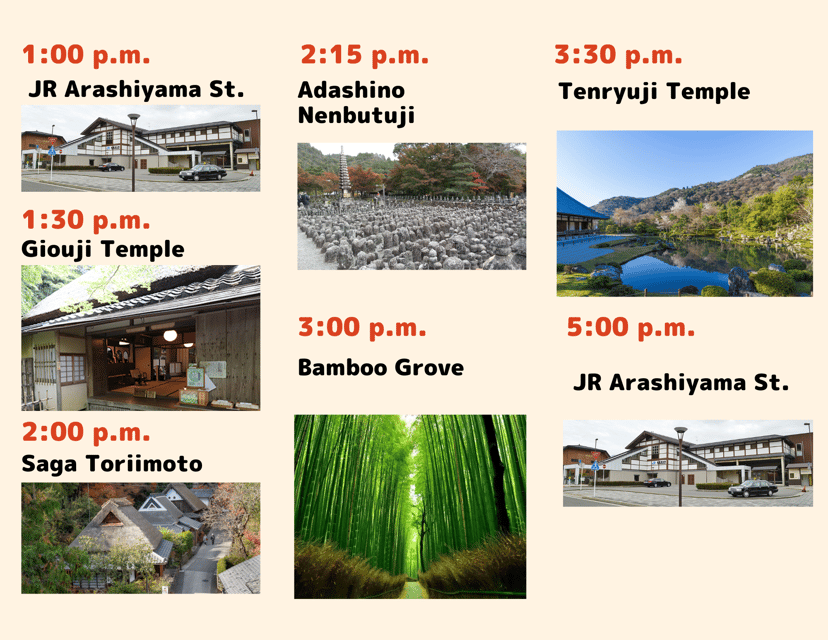
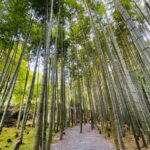
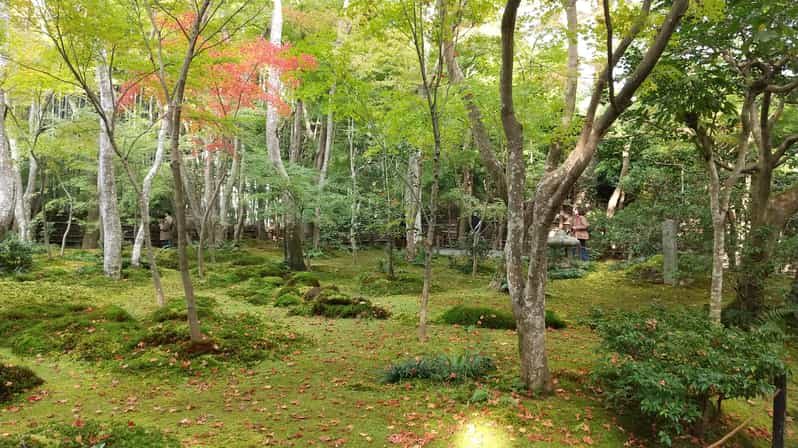
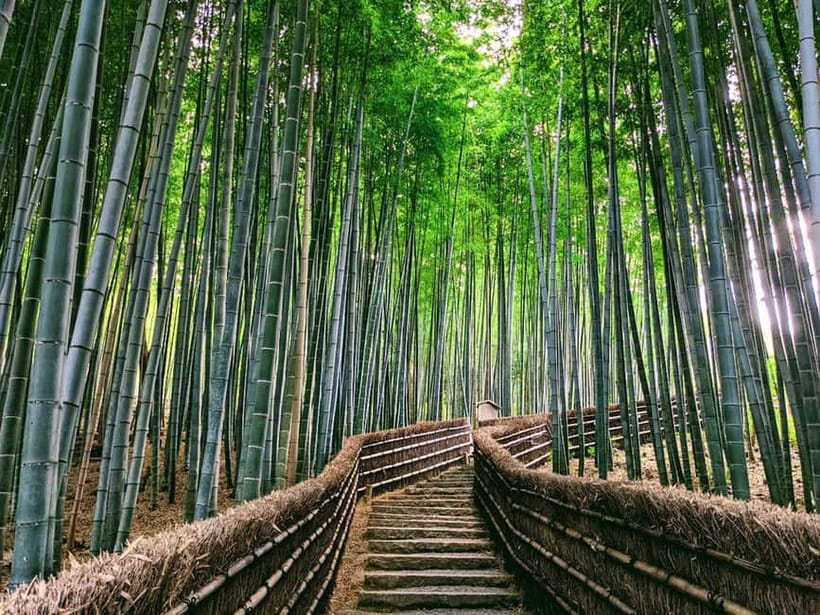
The route includes time near Sagano Bamboo Grove for scenery. You’re not there just to snap pictures—you’re guided to notice how the path and surrounding structures frame the bamboo. It’s one of those places where your attention either gets swallowed by the crowd energy or becomes calm if you slow down. This tour is designed toward the calmer option.
Next comes Tenryu-ji Temple, and this is where the afternoon starts to feel like a full Kyoto experience rather than a quick stop. You’ll spend about 1.5 hours here with guided time and temple admission included.
Tenryu-ji is often associated with refined temple culture, but what you’re gaining on this tour is the way the guide ties the setting to practice and belief—especially using hands-on customs where possible. That matters because Tenryu-ji isn’t just a pretty backdrop. You’ll come away with a better sense of how the spiritual life works in real time: prayer, reflection, and the quiet discipline of showing up.
From the experience design, you can expect the guide to keep weaving the theme of past-to-present. The quiet grove and the formal temple atmosphere start to feel related, not separate.

Price and Time: Is $38 Good Value for 3 Hours?
For $38 per person and about three hours, you’re getting more than a basic walking tour. The price includes guided tour, admission to all temples visited, and hands-on experiences at select temples.
That’s the real value equation. Temple admissions in Kyoto can add up fast, and most guided tours don’t include them. Here, you’re paying for structure and context, not just entry fees.
Also, the tour is a private group. Even if you’re traveling solo, this format usually makes it easier to ask questions and get personalized attention—especially helpful when the guide is explaining tragic stories that include multiple historical names and relationships.
The main cost is time and energy. You should plan to walk, and you should plan to pay attention.
What the Tour Feels Like in Real Life (Not Just on Paper)
The tour is designed to avoid crowd crush by steering you toward quieter angles of Arashiyama and Sagano. That’s not only about comfort; it affects how you can hear a guide’s explanation and how well you can absorb what you’re seeing.
A strong part of this experience is the balance of:
- Nature + stone + ritual
- Tragedy + devotion
- Story + practice
At select temples, Masa may demonstrate and invite you to practice prayer and meditation traditions. If you’re curious but unsure what to do inside a temple setting, this kind of guidance helps. It also keeps the visit from turning into passive watching.
One small warning based on how these kinds of temple routes can run: the stop sequence is efficient. If you want to linger for personal contemplation longer than the planned time, you may find yourself wishing for extra minutes. You can solve that by setting your expectation: this is a structured three-hour introduction that gives you meaning fast.
Who Should Book This Kyoto Temple Walk
This is a great fit if you:
- want temple depth without a full-day commitment
- enjoy guided history that includes real people and emotional stakes
- like nature scenery but want it paired with faith and cultural context
- appreciate a guide with a local, personal approach (Masa is the name to know)
You might skip it if you:
- need a very low-walking plan
- hate moving through places on a set schedule
- want long, unstructured free time at each major site
One more practical note: the tour is not suitable for people with mobility impairments or wheelchair users, since it’s a walking-focused route.
Should You Book Kyoto: Quiet Arashiyama and Sagano Temples?

If you like Kyoto when it’s quieter, more human, and less about rushing between landmarks, I’d book it. The strengths are clear: admissions included, hands-on temple moments, and stories that connect names, tragedies, and Buddhist practice in a way that makes the stones feel alive.
Before you decide, be honest about two things:
1) Can you comfortably walk for three hours on uneven temple paths?
2) Do you enjoy guided context while you’re sightseeing?
If your answer is yes, this tour is a smart value at $38. You’ll leave with more than photos—you’ll leave with an understanding of why Arashiyama and Sagano matter to the people who have prayed here for generations.
FAQ
How long is the Arashiyama and Sagano temples tour?
It runs for 3 hours.
What does the $38 price include?
The tour price includes the guided tour, admission to all temples visited, and hands-on experiences at select temples, plus narrative-style explanations from the guide.
Where is the meeting point?
Meet at JR Saga-Arashiyama Station (not Hankyu or Randen Arashiyama Station). The guide will hold a sign with your name just outside the station ticket gates.
What language is the tour in?
The tour is English.
Is there a lot of walking?
Yes. The experience involves walking and is designed for comfortable shoes. It’s not suitable for wheelchair users or people with mobility impairments.
What should I bring?
Bring comfortable walking shoes, a hat, a camera, sunscreen, and water.
Is there hands-on participation at the temples?
Yes. The tour includes hands-on experiences at select temples, with the guide demonstrating and inviting you to practice temple traditions such as prayer and meditation.