REVIEW · KYOTO
Kyoto Hop-On, Hop-Off Sightseeing Bus Tour
Book on Viator →Operated by Trevopedia Wonders · Bookable on Viator
Kyoto looks different from an open-top bus. This Kyoto Hop-On, Hop-Off ride is built for quick orientation and scenic sightseeing, with multilingual audio plus onboard WiFi as you pass major landmarks. I like that it’s simple: you get on, follow the route, and hop off when you find a spot you want to linger.
You also get real flexibility with a one-day or two-day pass and repeated stop access during ticket validity. The main thing to watch is unreserved seating. If you want the best view (and the least crowding), you’ll need a little patience and smart timing.
In This Review
- Key things to know before you ride
- What this bus does best on a first Kyoto visit
- Price and value: is $45.56 a smart buy?
- Getting on in Kyoto: a big station, so be ready
- The onboard ride: comfort, WiFi, and the view trade-offs
- Route flow: how the stops shape your day
- Stop by stop: what to do at each major area
- Kyoto Station: your easy starting point
- Karasuma Gojo and Shijo-Karasuma: central Kyoto and shopping energy
- Kyoto City Hall: a calmer anchor near the center
- Ginkakuji (Silver Pavilion): the classic temple mood
- Heian-jingu at Okazaki Park: open air and space to breathe
- Gion area via Kotowa Kyoto Yasaka: atmosphere first, specifics second
- Gojozaka for Kiyomizu-dera: the big viewpoint challenge
- Sanjusangendo / Kyoto National Museum area: museum-meets-temple day
- The return-style side: castles, shrines, and palace grounds
- Nishi Hongan-ji Temple: a quieter cultural stop
- Nijo-jo Castle: structured sightseeing
- Kitano-tenmangu: shrine culture and neighborhood character
- Kinkaku-ji (Golden Pavilion): iconic, so plan for it
- Daitoku-ji: temple calm option
- Kyoto Imperial Palace area (Doshisha Univ.): royal history without the full trip
- Shijo Karasuma / Nishiki Market again: a smart reset
- Timing reality: how hop-on hop-off works when buses run
- Weather, comfort, and what to bring
- Who this tour suits best
- Should you book SKY HOP BUS KYOTO?
- FAQ
- How long is the Kyoto Hop-On, Hop-Off Sightseeing Bus Tour?
- What stops are included on the route?
- Is there an audio guide and do I get earphones?
- Is WiFi available on the bus?
- What happens if it rains?
- Are seats reserved?
- Can I hop on and off multiple times during the day or over two days?
- Is it suitable for kids?
Key things to know before you ride
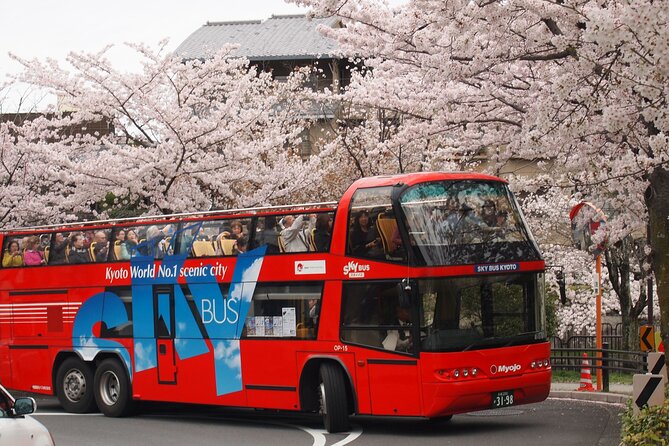
- Open-top double-decker panoramic views for fast, easy photos without fighting crowds on foot
- Multilingual audio guide + earphones so you can understand what you’re seeing while moving
- Onboard WiFi for map checks and message updates during stops
- Stops near big-name sights across different areas like Ginkaku-ji, Kiyomizu-dera, Nijo-jo, and more
- Unreserved seats means boarding time matters if you want the best vantage
- Rain plan built in with a poncho provided when weather turns
What this bus does best on a first Kyoto visit
If Kyoto feels like a lot at once, this kind of hop-on hop-off bus helps you sort it out. You’ll see a wide spread of famous places in a short time, without committing to a strict guided route. It’s also ideal when you’re juggling jet lag, weather, or the simple fact that Kyoto walking can add up fast.
I especially like the pacing. The bus gives you motion and views for orientation, then you choose how long you spend at each stop. That makes it a solid match for “I want to see the icons, but I also want to wander.”
The other big win is the audio. With a multilingual audio guide and earphones, you’re not stuck reading signs you can’t translate while you’re moving between neighborhoods. You can keep sightseeing instead of stopping to figure things out.
You can also read our reviews of more tours and experiences in Kyoto.

Price and value: is $45.56 a smart buy?
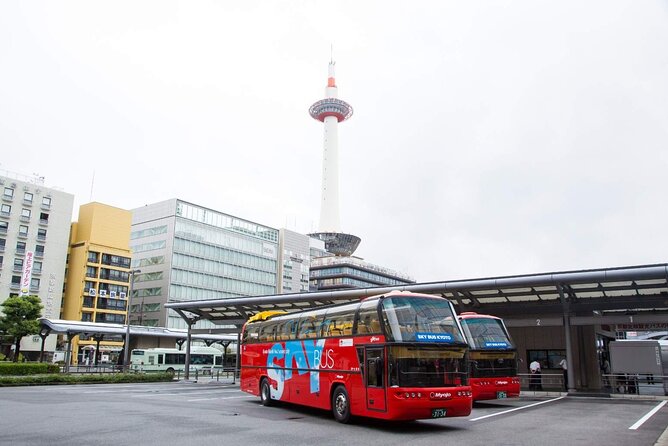
The listed price is $45.56 per person, and the pass options are one day or two days. At this price, you should think of the bus as buying you time and convenience more than buying you a ticket to a single attraction.
Here’s how I judge value for this type of tour:
- If you plan to hit several major sites in different parts of Kyoto in one day, it can feel worth it.
- If your plan is mostly one area (like just Gion and Higashiyama), other options might cost less.
- If you’re traveling with kids under five, the note that children can ride free when on a lap can improve family value.
One practical tip: don’t assume every booking channel prices the same. I found it makes sense to shop around for the same Sky Hop Bus option before you pay.
Getting on in Kyoto: a big station, so be ready
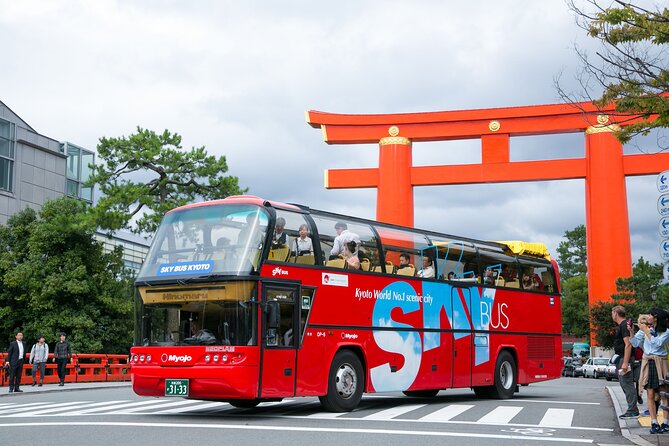
Kyoto Station is huge, and finding the exact boarding area can take a few minutes. If you’re arriving during a peak time, give yourself extra room for locating the bus stop. One rider noted it was a little hard to find at first in the big terminal, even though the experience itself worked out well once they were onboard.
Once you’re at the right stop, the system is straightforward. You can hop on and off as many times as you like at all Sky Hop Bus stops within the ticket validity period. That “back to the bus when you want” flexibility is the whole point.
The onboard ride: comfort, WiFi, and the view trade-offs
This is an open-top double-decker setup, so expect maximum sightseeing per minute. You’ll get broad street-level views as the bus moves, and you’ll be well positioned for photos when the light is right.
Two comfort notes matter:
- It can be hot outside, so planning for heat helps a lot. One reviewer suggested having water because it was extremely hot.
- Seats are unreserved. That means you’re competing a bit for the front/top view if you care about where you sit.
On the plus side, you’ll have onboard WiFi and a poncho if it rains. Earphones are included too, which is one less thing to pack.
Also, do not underestimate how long the bus route can feel when you’re waiting between stops. One person pointed out the buses came about every 50 minutes, which affects how tightly you can schedule your hop-off/hop-on plans.
Route flow: how the stops shape your day
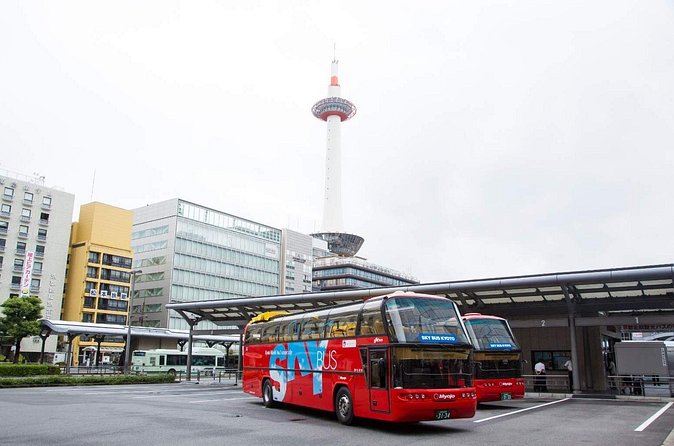
Your route moves through classic Kyoto zones. Some stops hit the “temple and garden” side, and others pull you toward shopping streets, castles, and palace grounds. Because you can hop off repeatedly, your best strategy is to treat the bus as your moving baseline, not your rigid schedule.
Below is how each major stop tends to work for your sightseeing.


Stop by stop: what to do at each major area
Kyoto Station: your easy starting point
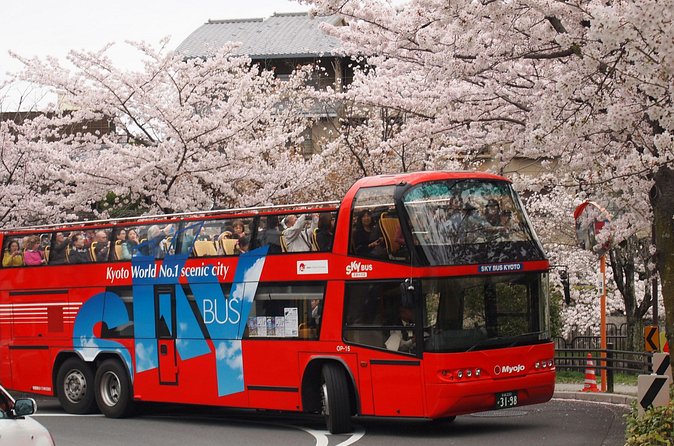
Kyoto Station is the most practical launch pad. Even if you feel a little disoriented the first time you step outside, you’ll be anchored at a place with transit and services. This makes Stop 1 a calm beginning before you head into the denser historic districts.
If you want an early start, aim to be at the stop before you think you need to be. With unreserved seating, being early usually helps.
Karasuma Gojo and Shijo-Karasuma: central Kyoto and shopping energy
Karasuma Gojo is a useful “mid-city” stop. It’s good for grabbing a snack, resetting your bearings, or connecting to nearby neighborhoods.
Shijo Karasuma Nishiki-Ichiba Market is the place where Kyoto turns into streets. Nishiki Market is known as a food-and-stroll kind of stop, so you can use it as a break from temples. Even if you don’t buy much, walking the lane gives you the texture of the city.
The drawback: this area can also mean more crowding and more time spent browsing. Keep an eye on the bus timing gaps so you don’t get stuck in a loop.
Kyoto City Hall: a calmer anchor near the center
Kyoto City Hall is another central reference point. This kind of stop isn’t always the “main photo” location, but it helps you build a day that doesn’t feel chaotic. You can use it as a waypoint if you decide to hop off for a quick walk or reposition yourself.
Ginkakuji (Silver Pavilion): the classic temple mood
Ginkakuji is one of Kyoto’s headline sights, and it pairs well with the slow temple pace. This stop is a strong choice if you want calmer, garden-style atmosphere.
The trade-off is time. If you hop off here and really enjoy the grounds, you’ll need to return to the bus before you lose your place in the schedule. With buses that may run about every 50 minutes, you’ll want a rough plan for how long you’ll stay.
Heian-jingu at Okazaki Park: open air and space to breathe
Heian-jingu Shrine in the Okazaki Park area can feel like a change of tempo. After walking in tighter streets, a shrine-and-park setting gives your day room to expand.
This is also a nice stop when weather is pleasant. If it’s sunny, it can be a great time to pause, watch people, and let your legs recover.
Gion area via Kotowa Kyoto Yasaka: atmosphere first, specifics second
Kotowa Kyoto Yasaka is in the Gion-machi area. Gion is the Kyoto you imagine: older streets, classic scenery, and a very “in-the-moment” feeling.
For this stop, I recommend you treat it as atmosphere time. You might not need long museum-level commitment here. Just hop off, wander a bit, then get back on when you feel satisfied.
Gojozaka for Kiyomizu-dera: the big viewpoint challenge
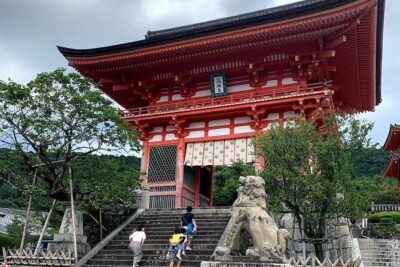
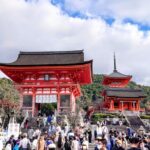
Gojozaka is tied to Kiyomizu-dera, and that usually means you’re in prime sightseeing territory. If you want dramatic views and a temple visit that feels like a major Kyoto moment, this is your target.
The consideration is crowding and walking. This area often pulls visitors in large numbers, and the bus won’t remove the walking effort. It just gets you there efficiently.
Sanjusangendo / Kyoto National Museum area: museum-meets-temple day
The Sanjusangendo Kyoto National Museum stop points you toward a cultural zone near the Hyatt Regency Kyoto area. It’s a good match if you want more than one kind of attraction on your day: a temple visit plus a museum area.
Even if you don’t go fully “museum mode,” this stop can work as a structured break in your plan.
The return-style side: castles, shrines, and palace grounds
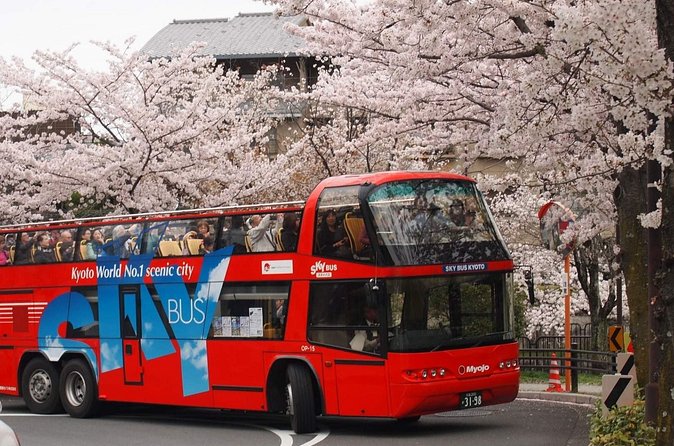
Your second set of stops shifts the focus.
Nishi Hongan-ji Temple: a quieter cultural stop
Nishi Hongan-ji provides a different temple feel than some of the flashier sights. It’s a good option when you want strong Kyoto architecture without feeling like you’re constantly standing in a photo line.
Use the hop-on flexibility to decide how long you want here. If the day is heating up, you can shorten your visit and still feel like you checked something meaningful off your list.
Nijo-jo Castle: structured sightseeing
Nijo-jo is a big-ticket sight that benefits from a clear visit time. This is a strong choice when you want something more structured than shrine lanes and shopping streets.
If you’re sensitive to walking, plan to move in clean bursts. Hop off, do the highlights, then get back on so you don’t burn your energy early.
Kitano-tenmangu: shrine culture and neighborhood character
Kitano-tenmangu Shrine brings you into a different Kyoto neighborhood rhythm. It’s a nice counterbalance to central zones and a good place to experience shrine culture without only thinking about the most famous names.
Again, with bus gaps possible, I’d avoid making this a “we’ll see when we feel like it” stop. Decide your target time, then let the bus do its job.
Kinkaku-ji (Golden Pavilion): iconic, so plan for it
Kinkaku-ji is in the itinerary, and it’s one of the sights most people dream about. The bus is valuable here because it reduces transit friction and lets you build in buffer time.
The consideration is simple: it’s popular. That doesn’t ruin it, but it does mean you’ll spend some of your time in the crowd energy rather than in quiet contemplation.
Daitoku-ji: temple calm option
Daitoku-ji is a temple stop that feels like a different vibe from the most photographed “must-sees.” If you want a calmer, more reflective stretch of the day, this is the kind of add-on that helps Kyoto feel varied.
This stop can also be a good place to slow down and stop chasing the next photo.
Kyoto Imperial Palace area (Doshisha Univ.): royal history without the full trip
Kyoto Imperial Palace is another big name, and this route gives you a practical way to get to it. The listing ties the stop to the Doshisha University area, which is helpful as a reference point.
This is a strong choice if you want to include palace-style Kyoto in your day without needing separate transportation planning.
Shijo Karasuma / Nishiki Market again: a smart reset
You circle back to Shijo Karasuma and Nishiki Market. That makes sense because it’s a great place for a late snack, souvenirs, and a final stroll.
If you’re running behind, this area is also easier to handle at the end of the day because you’re already positioned in a familiar central zone.
Timing reality: how hop-on hop-off works when buses run
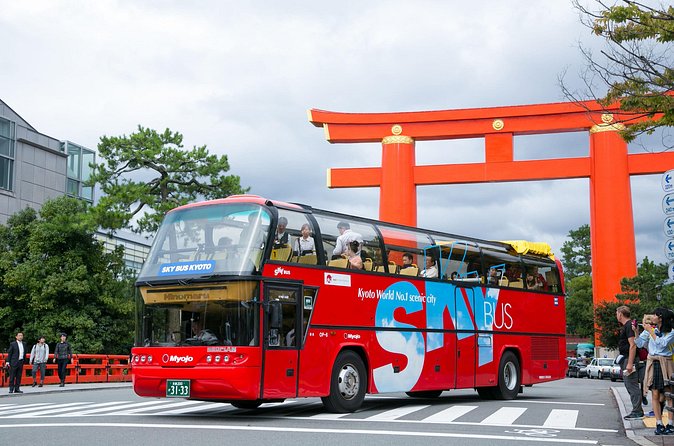
This type of ticket works best when you plan in bands, not minute-by-minute. One reviewer mentioned the buses were coming about every 50 minutes. If that matches your day, then you should:
- Choose one “anchor” stop with a longer stay.
- Keep other stops shorter unless you’re okay waiting for the next bus.
- Avoid banking on perfect timing between two closely timed stops.
A simple rule that helps: when you hop off, decide what would make you satisfied. Is it 30 minutes of wandering? Is it one temple highlight? When you can answer that, you avoid overstuffing your schedule.
Weather, comfort, and what to bring
The tour is very dependent on good weather. If the service is canceled because of poor weather, you’re offered a different date or a full refund. That means you’ll want to check forecasts seriously, especially if you’re counting on open-top views.
Bring:
- Water, especially in hot weather. That’s not optional.
- A light layer if temperatures drop later in the day.
- A plan for rain, though a poncho is provided.
If you’re sensitive to sun, try to pick a boarding moment that gives you some shade or a comfortable seat location. With unreserved seating, your exact spot can vary.
Who this tour suits best
This hop-on hop-off bus is a strong match if you:
- Want to see several top Kyoto sites in one day without complicated transit planning.
- Prefer flexibility over strict schedules.
- Appreciate audio guidance so you can understand what you’re passing.
It’s also a decent fit for families if your kids can sit on laps when needed. Children under five can ride free in that situation.
If you’re the kind of traveler who hates waiting around, consider that bus frequency can be a factor. The hop-on hop-off concept still includes downtime between stops.
Should you book SKY HOP BUS KYOTO?
I’d book it if you want a smooth, scenic way to connect Kyoto’s main neighborhoods and you’re happy to use the bus as your “moving base.” For many first-timers, it’s the easiest way to build a day that doesn’t collapse under logistics.
Skip or shop carefully if you:
- Only care about one small area of Kyoto and you’d rather spend the money on local transit and tickets.
- Need tightly timed schedules that don’t leave room for waiting.
- Want guaranteed seat locations on the best deck positions, since seating is unreserved.
If you do book, set yourself up to win: bring water, plan your longer visit around one anchor stop, and arrive early enough to get the seat you want.
FAQ
How long is the Kyoto Hop-On, Hop-Off Sightseeing Bus Tour?
The duration is listed as about 1 hour 8 minutes.
What stops are included on the route?
The itinerary includes Kyoto Station, Karasuma Gojo, Shijo Karasuma Nishiki-Ichiba Market, Kyoto City Hall, Ginkakuji Temple (Silver Pavilion), Heian-jingu Shrine at Okazaki Park, Kotowa Kyoto Yasaka (Gion-machi), Gojozaka for Kiyomizu-dera, Sanjusangendo Kyoto National Museum (Hyatt Regency Kyoto), plus additional stops such as Nishi Hongan-ji, Nijo-jo Castle, Kitano-tenmangu Shrine, Kinkaku-ji, Daitoku-ji Temple, and Kyoto Imperial Palace (Doshisha Univ.).
Is there an audio guide and do I get earphones?
Yes. You get a multilingual audio guide and earphones are included.
Is WiFi available on the bus?
Yes, there is onboard WiFi.
What happens if it rains?
You receive a poncho in case of rain. The experience also notes it requires good weather, and if canceled due to poor weather you’ll be offered another date or a full refund.
Are seats reserved?
No. All seats are unreserved.
Can I hop on and off multiple times during the day or over two days?
Yes. You can get on and off as many times as you like at all Sky Hop Bus stops within the ticket validity period.
Is it suitable for kids?
Children under age five can ride for free when sitting on the lap of their parents or guardians.