REVIEW · UJI
Experience Authentic Japanese Home Cooking in Kyoto
Book on GetYourGuide →Operated by Live Foods Academy · Bookable on GetYourGuide
Kyoto tastes different when you cook it yourself. This hands-on home cooking class centers on dashi made with real bonito flakes and kelp, then uses that broth to build classic Kyoto-style dishes like dashi-maki tamago and chicken teriyaki. I especially love the step-by-step teaching and the chance to learn real knife technique, not just watch. The main consideration is that men-only groups can’t join at this home address, so check your group mix before booking.
What makes the setting work is the location and pace. You’re based around the Sanjo/Shijo area, close enough that you can plan temple-and-shrine walking in the same day, yet you spend your time inside a traditional townhouse kitchen over 100 years old. The class runs about 2.5 hours, taught in English by the instructor, with support that helps if your Japanese is rusty.
In This Review
- Key highlights you’ll care about
- A 100-Year-Old Kyoto Townhouse Kitchen Setup
- Starting With Dashi: Kombu and Bonito Flakes the Right Way
- Delicate Japanese Knives: What You’ll Learn and Use Again
- The Menu You’ll Cook: Dashi-maki Tamago, Teriyaki, Miso Soup, and More
- Dashi-maki tamago (rolled omelet) with freshly made dashi
- Chicken teriyaki with traditional flavors
- Simmered vegetables with seasonal ingredients
- Miso soup that completes the table
- Beautiful plating and setting the table
- Instructor Support in English, Plus the Human Side
- Price and Value: Is $122 a Good Deal?
- Where It Fits in Your Kyoto Day Plan
- Who Should Book This Cooking Class (and Who Shouldn’t)
- Should You Book This Kyoto Home Cooking Class?
- FAQ
- How long is the cooking class?
- Where do I meet the instructor?
- Is the class taught in English?
- What dishes will I make during the class?
- Do I get help with knife skills?
- Is the meal included?
- What’s included in the price?
- Is this class suitable for children?
- Can men participate?
- What is the cancellation policy?
Key highlights you’ll care about
- Real kombu and katsuobushi dashi: start with the foundation of Japanese home cooking
- Additive-free seasonings: flavors that taste like everyday Japanese food
- Knife practice with Japanese technique: learn how to handle delicate knives safely
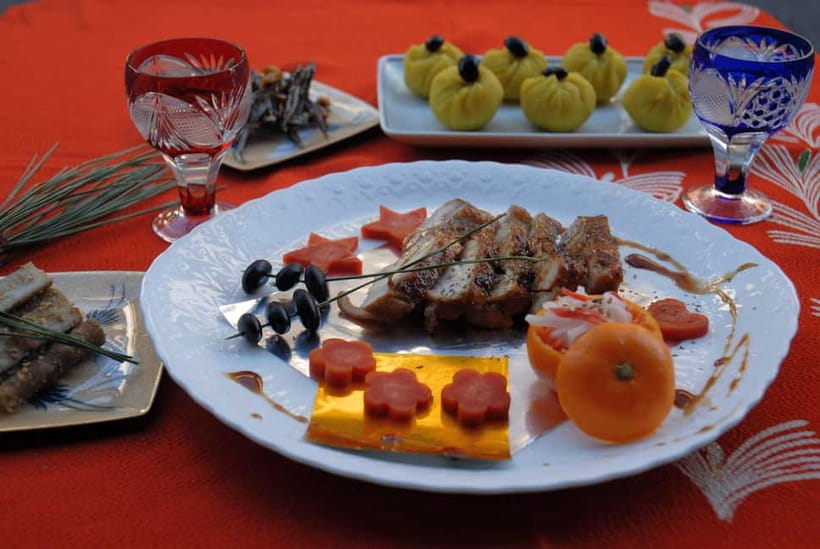
- A full meal you make yourself: dashi-maki tamago, chicken teriyaki, simmered vegetables, miso soup
- Traditional townhouse setting: cook in a home over 100 years old
- English instruction for a private group: focused guidance, including support for language gaps
A 100-Year-Old Kyoto Townhouse Kitchen Setup
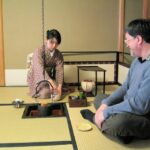
This is one of those Kyoto experiences where the room matters. The cooking happens in a traditional townhouse kitchen that’s over 100 years old, which instantly changes your mindset from tourist mode to home-cook mode.
The “classroom” feel is practical, not fancy. You’ll use an apron and cloth rental, and you’ll be guided through ingredients and techniques as you go. That matters because the skills you learn are the same ones Japanese families use in everyday meals, not just restaurant-style tricks.
You’ll also find the location convenient for sightseeing. The surrounding area is within about a 15–20 minute walk of big Kyoto landmarks such as Heian Shrine, Gion, Yasaka Shrine, and Kyoto Imperial Palace. So you can set the cooking class as a morning anchor, then still knock out major sights on foot afterward (or do it the other way around).
One more thing: the class is private group. That usually means you get more personal attention when questions pop up, especially when you’re learning knife handling and broth-making that’s hard to do from memory.
You can also read our reviews of more tours and experiences in Uji.

Starting With Dashi: Kombu and Bonito Flakes the Right Way
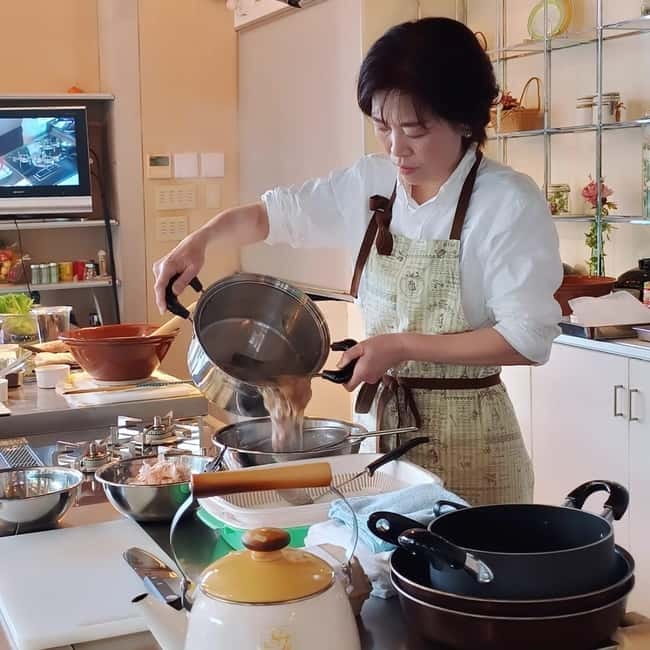
Dashi is the heart of Japanese cooking, and this class makes you build it instead of just tasting it. You start by making soup stock using kelp (kombu) and bonito flakes (katsuobushi). You’ll learn the foundation method first, then see how that base directly shapes the rest of the menu.
This is the moment you’ll notice the difference between real dashi and instant shortcuts. As the broth simmers, the aroma is strong and soothing at the same time. It’s also a good lesson in why Japanese home cooking depends on simple ingredients treated carefully.
The philosophy behind the class is tied to Katsuo Doi, a well-known home-cooking expert in Japan. The point isn’t “restaurant wow.” It’s deliciousness plus health, using flavors Japanese families actually cook with every day.
If you like knowing the why behind food, you’ll appreciate that the class also connects cooking to the seasons. Japanese cuisine changes with the year, and that shows up through the seasonal vegetables you’ll prepare. It’s not just about one recipe. It’s about how Japanese cooks think when planning meals.
Delicate Japanese Knives: What You’ll Learn and Use Again
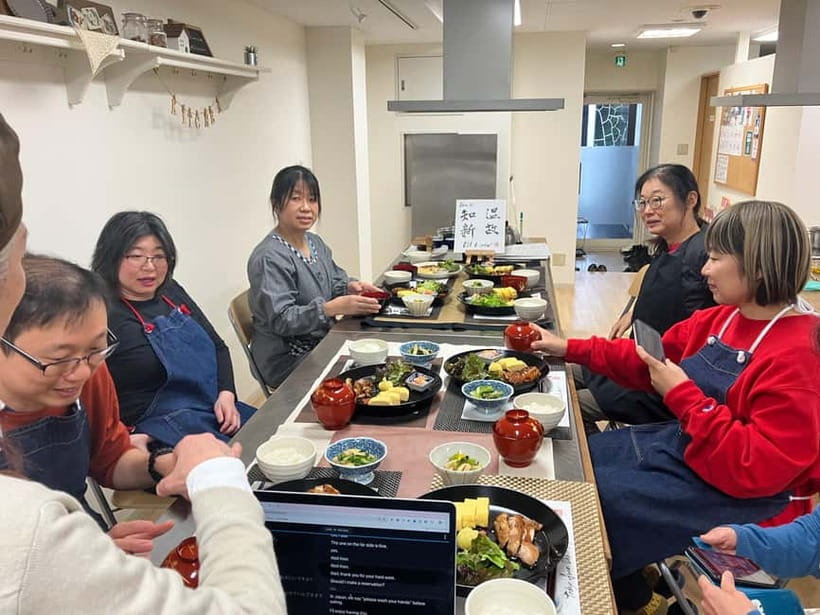
Knife skills can be intimidating in a foreign country. Here, the emphasis is on learning how to use delicate Japanese knives with guidance, not trying to act like a pro chef.
You’ll get hands-on help with prep methods and cutting techniques for the ingredients you cook. That means you should leave with practical habits you can reuse at home—how to handle your ingredients, how to approach slicing, and how technique affects texture and taste.
A useful part of this class is that it treats knife work as part of daily cooking. In other words, you’re not doing one fancy cut for a single photo. You’re learning how the knife supports the dish you’re making right then.
If you’re nervous about getting things wrong, you’ll likely feel better once you’re guided step by step. The class structure is designed for beginners, and that’s also consistent with the way the instructor and team communicate in English.
The Menu You’ll Cook: Dashi-maki Tamago, Teriyaki, Miso Soup, and More
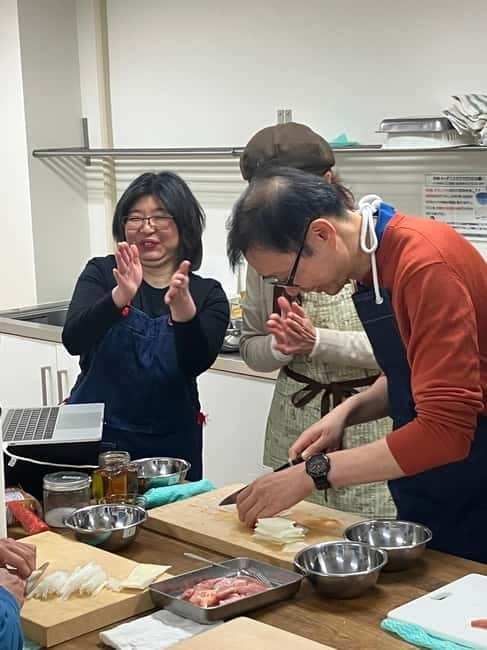
This class doesn’t do a “tiny bite tour.” You make a full meal with several classic dishes that share the same dashi foundation.
Dashi-maki tamago (rolled omelet) with freshly made dashi
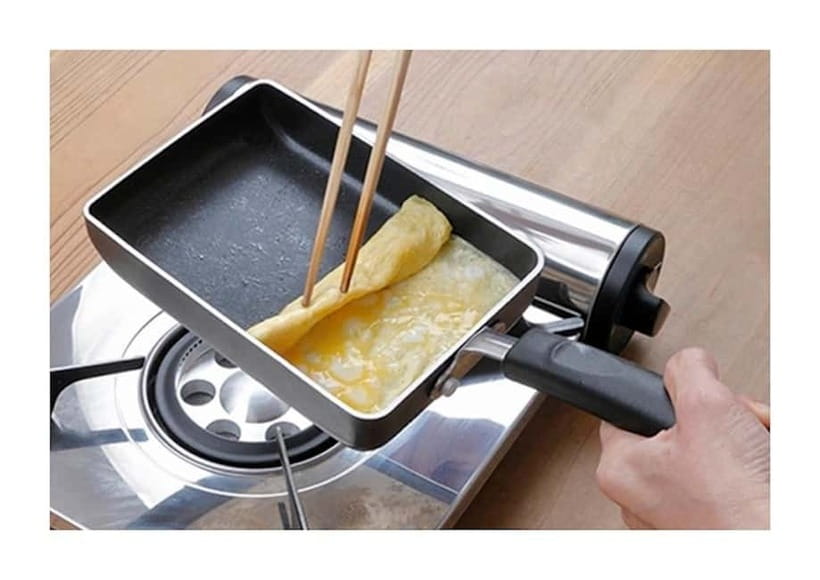
First up is dashi-maki tamago, the rolled omelet that looks simple but relies on technique. Because you’re using freshly made dashi, the flavor will taste deeper than what you get with bottled stock. You’ll practice using the dashi in the egg base, so you see how that broth becomes a main ingredient, not a side helper.


Chicken teriyaki with traditional flavors
Next is chicken teriyaki. You’ll cook it with traditional flavors, and the lesson here is how Japanese sweetness and savory balance are built from the cooking process. Even if you’ve made teriyaki before, you’ll likely notice the difference when the surrounding dishes are also built around dashi and seasonal seasoning.
Simmered vegetables with seasonal ingredients
Simmered vegetables are where Japanese home cooking shows its personality. You’ll prepare them with seasonal ingredients, learning how each ingredient has its own preparation needs and cutting approach.
This dish is also a good training ground for understanding texture. Simmering changes everything: color, tenderness, and how flavors settle into the vegetables. If you want to eat lighter but still satisfying meals, this is one of the menu items that will stick with you long after the class.
Miso soup that completes the table
Finally, you’ll make miso soup. It’s simple on paper, but miso soup is one of those dishes where timing and balance matter. When your dashi is already made from scratch, miso soup stops being an afterthought and becomes a real finale.
Beautiful plating and setting the table
You don’t just cook and run. You’ll plate the dishes and set the table neatly. That may sound small, but it’s part of the Japanese home meal experience: food tastes different when you handle it with care, and plating is part of the hospitality.
Instructor Support in English, Plus the Human Side
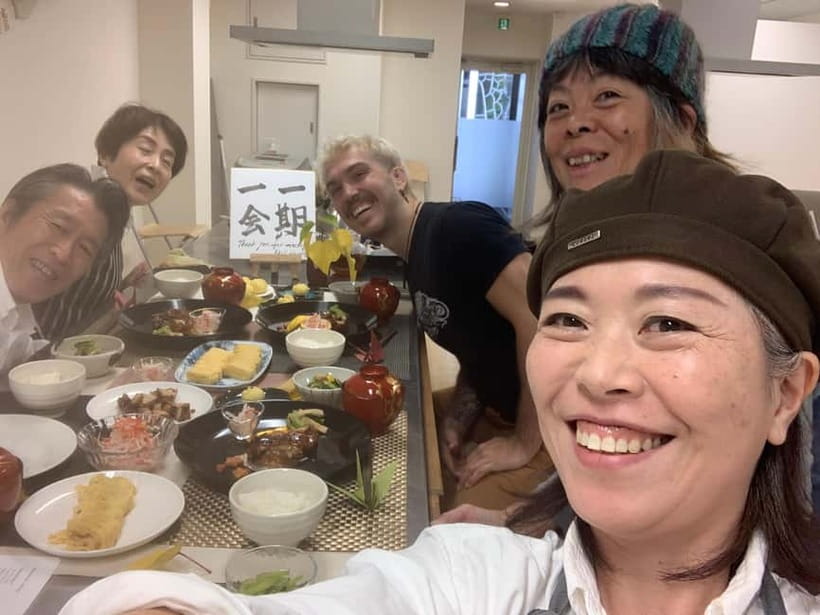
The instructor communicates in English, and the class is built for a mixed experience level. You’ll also have help to reduce language stress, which makes a real difference in cooking classes. When you can ask questions and get clear guidance mid-action, your results improve fast.
One name that stands out in the instructor team is Kayo. In a review, Kayo is described as giving traditional Japanese gastronomy at a level anyone can access, and that matches the class’s overall step-by-step style. Another helpful detail: a translator support setup can be provided, so a language barrier is less of a problem than it might sound on paper.
You’ll likely find the teaching tone warm and practical. Reviews also mention friendly conversation and advice about ingredient brands. That’s a big deal for value, because the hard part after a cooking class is figuring out what to buy. If you walk away with brand guidance for dashi-related ingredients and seasonings, you can recreate the flavor at home.
Price and Value: Is $122 a Good Deal?
$122 per person for a 2.5-hour private cooking class in Kyoto can look steep at first glance. Then you look at what you’re actually getting, and it makes more sense.
Here’s what’s included:
- the cooking experience itself
- aprons and cloths
- all menus and materials
- the meal you make and share
What’s not included:
- merchandise
- a dashi soup set
So you’re not paying extra for ingredient costs, equipment, or the food itself. You’re paying for instruction, a full home-style menu, and the setting. That combination is the real value driver here. A lot of cooking classes can be “watch and taste.” This one pushes you into active prep and cooking, starting with dashi.
Also, the menu isn’t just one dish. You’re learning a framework (dashi), then applying it repeatedly through egg, chicken, vegetables, and soup. That’s how you get more than one recipe out of the lesson.
If you want a memorable Kyoto experience that also equips you with skills you can actually repeat, this class is priced in a way that matches that goal.
Where It Fits in Your Kyoto Day Plan
Think of this class as a reset between sightseeing stops. Kyoto can wear you out with walking and crowds. Cooking gives your brain a break. You’ll focus on scent, timing, and technique, and it feels grounded.
Because it’s near major attractions, you can arrange it around your interests:
- If you’re doing Gion and Yasaka Shrine, schedule the class earlier and use the rest of the day for evening atmosphere.
- If you prefer morning temples, do the cooking later and keep the first half of your day for calm sightseeing.
Just remember the class is about 2.5 hours, so it’s not an all-day commitment. That helps you keep flexibility.
One practical note: the class is in a home setting, so you’ll want to arrive ready to cook and follow the instructor’s rhythm. It’s not a loose food festival. It’s a real kitchen lesson.
Who Should Book This Cooking Class (and Who Shouldn’t)
This experience is ideal if you:
- want to learn Japanese home cooking, not restaurant-only dishes
- care about learning the foundation of flavor through dashi
- want knife guidance that supports real prep work
- like hands-on learning and eating what you make
It’s also a solid match if you’re traveling with someone and you want a private group format that doesn’t feel like you’re in a crowd.
You should think twice if:
- you have a men-only group that wants to attend at this home address
- you’re traveling with children under 6 (not suitable for that age group)
If you’re unsure about group eligibility, the class team mentions that a kitchen rental can be arranged for men-only lessons if you message them first.
Should You Book This Kyoto Home Cooking Class?
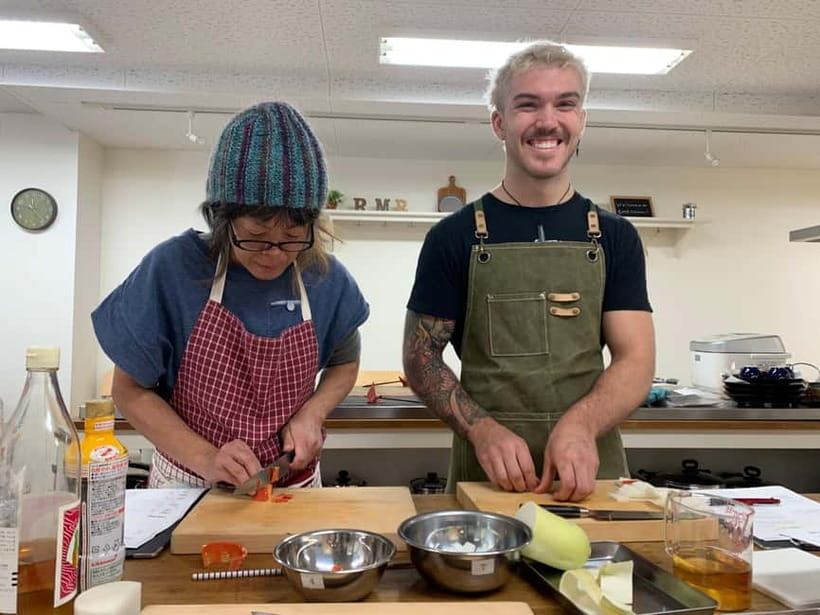
I’d book it if you want a Kyoto experience that goes beyond photos. You’ll learn how to build dashi with kombu and katsuobushi, practice Japanese knife technique, and cook a full meal you can repeat at home. The best part is that it’s grounded in everyday Japanese cooking philosophy, not just a performance.
I wouldn’t book it if your group doesn’t match the participation rules for this location. Also, if you only want light tasting with zero prep and zero technique, you might prefer a different style of food experience.
If you’re flexible and you want skills, this class is a strong choice.
FAQ
How long is the cooking class?
The experience is listed as 1 day, with a time required of 2 hours 30 minutes.
Where do I meet the instructor?
The meeting point is Subway Shijo Station, where you get off and walk about 10 minutes. The class notes also mention a 10-minute walk from Sanjo Keihan/Subway Sanjo Station, with pickup arranged after your reservation is confirmed.
Is the class taught in English?
Yes. The instructor teaches in English.
What dishes will I make during the class?
The menu includes dashi (Japanese soup stock), dashi-maki egg (rolled omelet), chicken teriyaki, simmered vegetables, and miso soup.
Do I get help with knife skills?
Yes. The highlights include learning how to use delicate Japanese knives, along with cutting technique and preparation methods.
Is the meal included?
Yes. The meal is included as part of the experience.
What’s included in the price?
Included items are the cooking experience, rental of aprons and cloths, all menus, materials, and the meal.
Is this class suitable for children?
It is not suitable for children under 6 years old.
Can men participate?
Men-only applications cannot participate at this location. If you want lessons with only men, the provider says they can rent a kitchen separately if you contact them by message.
What is the cancellation policy?
Free cancellation is available up to 24 hours in advance for a full refund.