REVIEW · UJI
Uji: Private immersion into Kyoto’s tea and reglious culture
Book on Viator →Operated by Pinpoint Traveler, Inc · Bookable on Viator
Tea and Buddhism in one quiet day in Uji. This private-style route links Kyoto’s spirituality with the way Japan grows, steeps, and drinks green tea, with UNESCO stops that feel calmer than the main Kyoto circuits. You’ll start with a hands-on gyokuro tea experience and move through shrines and temples tied to Zen, so the “tea ritual” makes sense instead of staying mysterious.
Two things I really liked: the gyokuro preparation (slow-steep technique explained in plain terms) and the pairing of temple visits with tea culture, especially the way Byodoin and Ujigami connect to water, practice, and history. One watch-out: the route includes many stairs, so wear good shoes and be ready to pace yourself.
In This Review
- Key reasons this Uji tea and religious culture tour works
- Where Uji fits into a Kyoto trip
- Price and what you truly get for $162.41
- Small-group touring starting at Keihan Uji Station
- Takumi-no Yakata: gyokuro tea with slow-steamed technique
- Ujigami Shrine: UNESCO, original roots, and spring water
- Koshoji Temple: Soto Zen and how tea culture took shape
- Byodoin Temple and the museum: a Heian-era centerpiece on a man-made lake
- Byodoin Omotesando: the historic tea-shop street
- Uji Park on the river: cormorant fishing tradition
- Walking pace, stairs, and who should plan for mobility
- What to bring: cash, comfortable shoes, and a calm mindset
- Which guide style to look for (Ferdi, Damian, Kevin, Mika, Lito)
- Who this Uji tea and religious culture tour is best for
- Should you book this Uji tea and religious culture tour?
- FAQ
- FAQ
- How long is the tour?
- Where does the tour start?
- What’s included in the price?
- Is food included besides the tea experience?
- How many people are in the group?
- Are there stairs during the tour?
- Is there free cancellation?
Key reasons this Uji tea and religious culture tour works
- Gyokuro, the highest-grade green tea concept, served with an instructional tea-drinking experience
- Ujigami Shrine (UNESCO), including the shrine’s long-running underground spring water story
- Koshoji Temple, an important stop for understanding how Soto Zen shaped tea culture
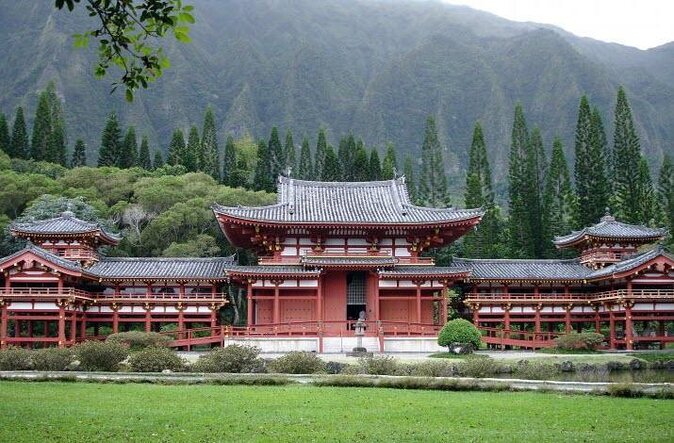
- Byodoin Temple + museum, a strong cultural anchor on a man-made lake setting
- Byodoin Omotesando tea street and Uji Park, where tea shopping smells meet river tradition
Where Uji fits into a Kyoto trip
If Kyoto feels like a blur of temples and lines, Uji is a smart reset. It’s close enough to combine with Kyoto, yet different in mood: smaller, slower, and strongly tied to tea. The river here once helped move goods between the capitals of Kyoto and Nara, and that “tea-and-trade” energy still shows up as you move through the area.
This tour makes that connection practical. Instead of saying tea is important, you’ll see why. The day is built around places where water, ritual, and daily practice overlap. That’s the real appeal for me: you get context while you’re actually walking the grounds, not later from a guidebook.
You can also read our reviews of more private tours in Uji

Price and what you truly get for $162.41
At $162.41 per person for about 4 hours, this isn’t a bargain-price throwaway tour. But it’s also not overpriced for what’s included. You’re paying for a guided route that bundles admissions and a real tea experience, not just sightseeing.
Here’s what’s covered:
- Admission to the temples and the museum at Byodoin
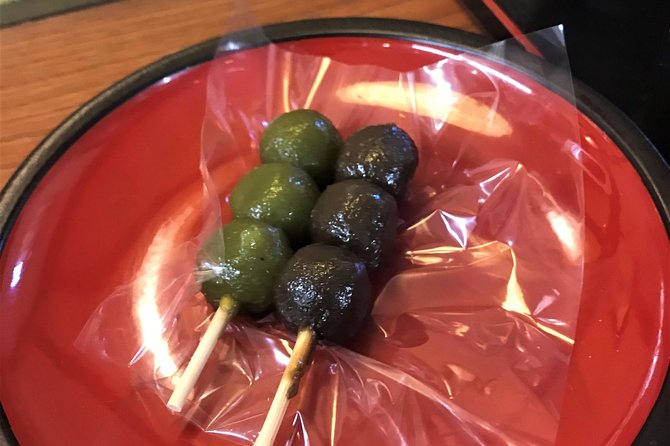
- A gyokuro tea house experience, including a Japanese sweet
What’s not covered is just as important. Food and drinks outside the tea experience are not included. That means you’ll likely want cash or a plan for a snack stop on your own, especially along the tea-shop street.
For value, I look at two things: (1) do the included items feel “real,” and (2) does the pacing keep you from rushing. This format hits both better than many add-on temple tours, because the tea segment is a scheduled cultural moment, not an afterthought.
Small-group touring starting at Keihan Uji Station
The tour is set up for a small maximum group size (up to 8 people). In practice, that matters for how the guide can manage questions, timing, and where you slow down to look. If you’re the kind of person who likes to ask why something is the way it is, a small group keeps that easy.
It starts at Keihan Uji Station Information Centre (the Keihan Uji Building area, address provided by the operator) and ends back at the starting point. A consistent start/end point helps you avoid the “where do we meet” stress that can happen in area tours.
The listed start time is 9:00 am, which is a plus. You’ll hit the major sites earlier in the day, when the area is still moving at a gentler pace than later.
Takumi-no Yakata: gyokuro tea with slow-steamed technique
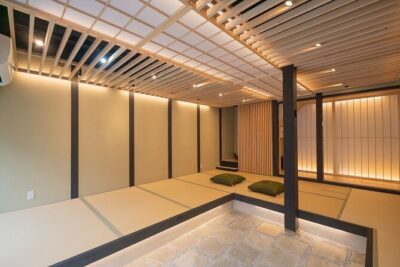
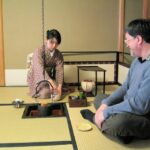
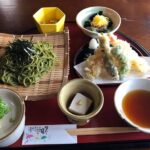
Your day kicks off at Takumi-no Yakata with a guided gyokuro experience. Gyokuro is often described as Japan’s top-tier green tea, and the real lesson here is technique: the leaves are steamed slowly and the water warms in stages as the infusion process progresses.
What I like about this first stop is that it sets the tone for the rest of the day. Instead of thinking of tea as a drink, you start thinking of tea as a practiced craft. The guide walks you through what’s happening and why the process matters, so later temple stops feel connected rather than randomly stacked.
Also, yes, this gives you caffeine right away. That can be a good thing on a walking day, as long as you’re fine with tea rather than coffee.
Ujigami Shrine: UNESCO, original roots, and spring water

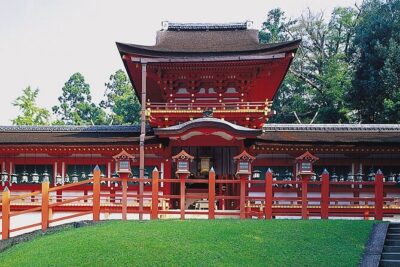
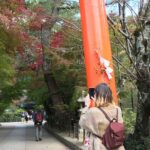
Next up is Ujigami Shrine, a UNESCO World Heritage site often noted as the oldest original shrine in Japan. This stop has a very tangible detail that sticks in your mind: the shrine’s link to the last of Uji’s underground spring water that naturally bubbles up to the surface.
That water detail matters because it turns the tea day into something more meaningful. Tea culture isn’t only about taste; it’s about resources, everyday contact with water, and reverence for the conditions that make cultivation possible.
You’ll get time to see the shrine grounds and absorb the atmosphere. Expect it to feel less like a “photo sprint” and more like a calm pause in the morning rhythm.

Koshoji Temple: Soto Zen and how tea culture took shape
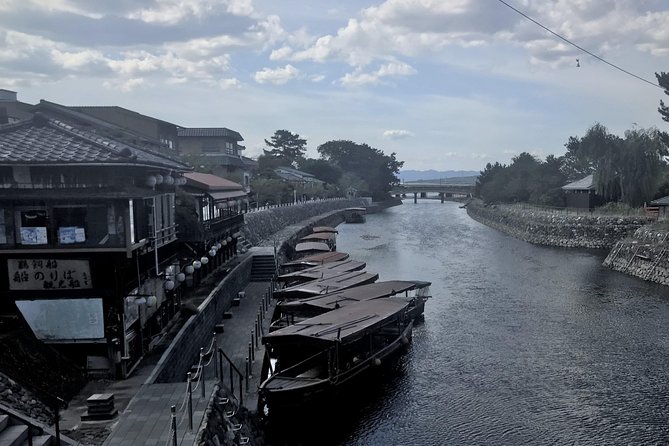
Then you head to Koshoji Temple, described as the oldest Soto Zen temple in Kyoto. That name can sound like a history fact you’ll forget later. But in this context, it’s a bridge.
Zen Buddhism originally came in from China, and the story here is tied to how Zen practices helped shape what became the Japanese tea ceremony. The tour timing gives you enough space to connect that idea to what you’re tasting and learning earlier in the day.
This is one of those stops where the value is interpretation. You’re not just looking at architecture. You’re learning why tea and religious practice became linked in Japan, and how ceremony can be both spiritual and practical.
Byodoin Temple and the museum: a Heian-era centerpiece on a man-made lake
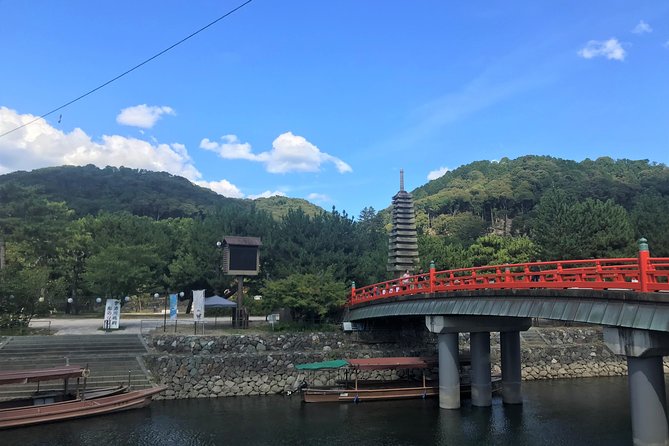
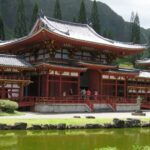
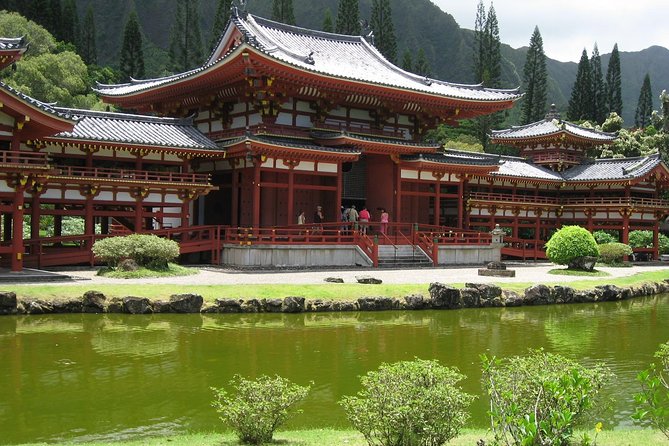
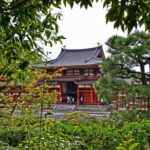
Byodoin Temple is the big cultural anchor. Dating back to the Heian period, it’s another UNESCO World Heritage site, and the main hall sits on a man-made lake. That setting is dramatic in a quiet way, and the tour gives you a structured visit rather than leaving you to “figure it out” alone.
You’ll also visit the museum at Byodoin, and I recommend treating the museum as more than optional. It’s the piece that helps you understand what you’re seeing outside. Even if museums are not your top hobby, this one supports the spiritual and cultural themes of the day.
One fun cultural detail you might recognize: the temple area is associated with the design used on the 10 Yen coin, which makes Byodoin feel extra real for people who grew up with that image.
Byodoin Omotesando: the historic tea-shop street
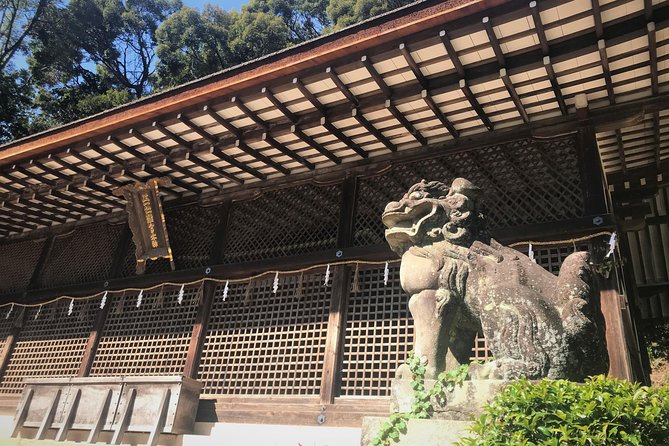
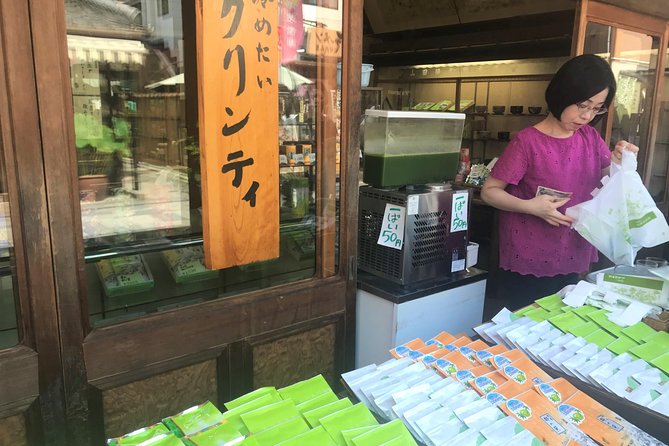
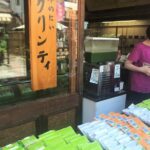
After Byodoin, you walk down Byodoin Omotesando, a pilgrimage-style street lined with tea shops. Many of these shops trace back to medieval-period roots, and the practical payoff here is sensory.
You’ll smell fresh tea as you go. You’ll also notice that tea is not one thing. The street is where you start seeing variety—different types and how they’re presented to customers.
This part of the tour works well because it’s not all solemn. It’s a culture-and-commerce moment, which helps the day feel balanced: shrine quiet in the morning, tea craft in the middle, and lively street texture at walking pace.
Uji Park on the river: cormorant fishing tradition
To close the loop, you move to Prefectural Uji Park, where you stroll along an island in the middle of the river. One highlight is learning about cormorant fishing, a tradition with deep roots tied to the river’s working life.
For me, it’s a smart final theme. You start the day with tea leaves and ritual technique. You end it with the river as a working system that supported trade—tea, sake, and other goods. It makes the whole day feel connected.
Even if cormorant fishing is not something you plan to “hunt for” on your own, this tour gives you the explanation and the setting in one go.
Walking pace, stairs, and who should plan for mobility
The full experience is about 4 hours, and the route includes many stairs. That’s not a dealbreaker for everyone, but it’s real. If stairs are hard for you, tell the operator ahead of time so they can make suitable modifications.
For most people with moderate fitness, the pacing is manageable because the stops are timed and spaced. Still, the day is not designed for flip-flops and casual wandering. Bring comfortable shoes and plan to take your time when you see uneven or stepped areas.
What to bring: cash, comfortable shoes, and a calm mindset
The only truly “bring this” item I’d emphasize is cash. Tea shops are on the street during your walk, and you’ll be near places where you might want to buy something small after tasting earlier in the day. The tour includes the tea experience, but it doesn’t include everything you might want to pick up afterward.
Also:
- Wear shoes you can trust on steps
- Bring a light layer if the morning feels cool
- If you don’t love caffeine, be mindful that gyokuro comes early
And keep your expectations realistic. This is a cultural route, not a checklist sprint. The best way to enjoy it is with a bit of quiet attention, even when you’re walking through busy tea-shop stretches.
Which guide style to look for (Ferdi, Damian, Kevin, Mika, Lito)
The quality of a guided day often comes down to the guide’s ability to translate culture into something you can feel. In the guides I’ve seen connected with this experience, there’s a pattern: friendly, English-speaking explanations and a calm pacing.
Names that show up with strong feedback include:
- Ferdi and Damian, praised for making the experience tranquil and informative
- Kevin and Ferdinand, noted for clear explanations and getting people oriented quickly
- Mika and Lito, tied to a balanced mix of spirituality and relaxation
You’ll get the most out of the tour if you come with one or two questions. For example: what makes gyokuro different from other green teas, or how Zen practice connects to everyday ceremony. Guides tend to shine when you ask the kind of “why” questions that turn sightseeing into understanding.
Who this Uji tea and religious culture tour is best for
This tour is a great fit if:
- You want a break from Kyoto crowds and prefer calmer pacing
- You’re interested in tea beyond tasting—how technique and ritual connect
- You like spirituality and history, but you also want it explained in everyday terms
- You enjoy UNESCO sites when they’re visited with context, not rushed
It may not be the best match if:
- You have trouble with stairs even with modifications
- You want a fully flexible “wander at your own pace” day
- You expect lunch or lots of food stops included in the price
Should you book this Uji tea and religious culture tour?
I think it’s worth booking if your goal is to understand tea culture through the lens of water, ritual, and religious practice. The included gyokuro tea house experience plus the UNESCO-grade stops at Ujigami Shrine and Byodoin Temple make the day feel substantial without dragging.
Book it especially if you like the idea of learning while you walk—gyokuro technique in the morning, shrine and Zen context in the middle, then the river and tea street to ground it all.
Skip it if mobility is a big concern because the route includes many stairs, or if you want lots of included meals rather than just the tea experience.
FAQ
FAQ
How long is the tour?
The tour runs for about 4 hours.
Where does the tour start?
It starts at the Keihan Uji Station Information Centre in Uji, Kyoto.
What’s included in the price?
Admission to all temples and the museum at Byodoin is included, along with the gyokuro tea house experience and a Japanese sweet.
Is food included besides the tea experience?
No. Food and drink outside of the tea experience are not included.
How many people are in the group?
The maximum group size is 8.
Are there stairs during the tour?
Yes, the itinerary includes many stairs. The tour is suitable for people with moderate physical fitness, and you can ask for suitable modifications if stairs are a problem.
Is there free cancellation?
Yes, you can cancel for a full refund up to 24 hours in advance of the experience start time.