REVIEW · KYOTO
Full-Day Sightseeing to Kyoto Highlights
Book on Viator →Operated by Mandala Japan Experience · Bookable on Viator
Kyoto can feel huge on a first visit. This tour’s trick is tight routing plus a small group, so you actually spend time looking instead of getting lost. You’ll hit the big icons—Arashiyama Bamboo Forest, Kinkaku-ji (Golden Pavilion), Gion, and Fushimi Inari—while your guide adds the how-and-why of everyday Kyoto life.
I love two things most: the max group size of 7 (so questions don’t vanish), and the way guides translate the sights into context. Indra, Maureen, Naomi, Adella, and Toshi all show up in past experiences, and the common thread is practical storytelling—like why you rarely see trash cans in Japan, or how geiko and maiko fit into Gion’s rhythms.
One consideration: this is walking-heavy. If you have bad legs, or if you’re pregnant past the first trimester, it may not be a great match. Also plan for extra costs on the ground, since Kinkaku-ji and public transport are not included.
In This Review
- Key highlights at a glance
- Why a one-day Kyoto route beats random wandering
- Kyoto Tower to Saga Arashiyama: getting your bearings fast
- Arashiyama Bamboo Forest: how to enjoy it without turning into traffic
- Kinkaku-ji Golden Pavilion: iconic temple, clear context, extra fee
- Shijo Kawaramachi: shopping energy plus a lunch reset
- Gion Shirakawa: the quiet side of geiko and maiko culture
- Fushimi Inari-taisha: torii gates, Shinto context, and smart timing
- The transit and mobile ticket piece that actually matters
- Price and value: what $165 covers, and what you still pay
- Who this tour fits best (and who should pick another plan)
- Should you book this Kyoto highlights tour?
- FAQ
- FAQ
- How long is the Kyoto highlights tour?
- What group size can I expect?
- Where do you meet, and what time does it start?
- What is included in the price?
- What costs are not included?
- Is this tour mostly walking?
- Can I cancel for a refund?
Key highlights at a glance
- Maximum 7 travelers keeps the pace friendly and the guide’s attention personal
- Arashiyama Bamboo Forest + Kinkaku-ji in one smooth morning run
- Gion Shirakawa on the quieter side, with clear explanations of geiko and maiko
- Fushimi Inari’s torii gates explained through Shintoism, history, and practical viewing tips
- Local guide recommendations so you can keep exploring after the tour
Why a one-day Kyoto route beats random wandering
Kyoto is famous for being beautiful and famous for being confusing. Streets twist. Train lines overlap. Temples and shrines have their own rules, crowds have their own moods, and “I’ll figure it out” can turn into “I’m late and annoyed.”
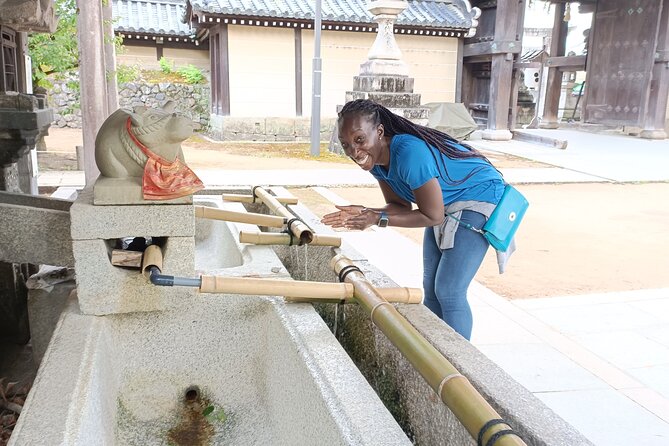
This kind of highlights day works because it’s built like a route, not a shopping list. You start at Kyoto Station, then move outward by train and bus to the western sights, then return toward the center and up to Fushimi Inari before heading back. Your guide also helps you read what you’re seeing—so Kinkaku-ji isn’t just a photo spot, and Fushimi Inari isn’t just a sea of gates.
The other quiet win is the small size. When the group is capped at 7, you get room to pause for photos and ask questions like how people move through these areas or what etiquette matters. That’s where tours often win or lose, and this one aims for “you leave smarter,” not just “you saw places.”
You can also read our reviews of more tours and experiences in Kyoto


Kyoto Tower to Saga Arashiyama: getting your bearings fast
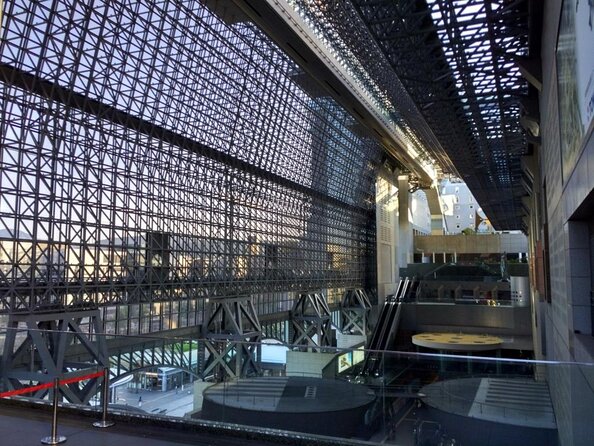
The meeting point is Starbucks Coffee at Kyoto Tower Sando (Kyoto Tower Sando, Shimogyo Ward). You start at 8:30am, gather on the left side of the main entrance, and get a quick intro before you ride the train to Saga Arashiyama.
I like this start because it gives you a mental map of how Kyoto actually works: one central hub (Kyoto Station), then a direct push into a major district. And starting morning matters. Arashiyama gets busy. If you wait until mid-day, you’ll spend more time threading through people than looking at bamboo.
This section is also where you’ll see the tour’s tone. Past travelers highlighted guides like Indra and Maureen for making transit feel easy, including photo help and clear guidance on where to stand and when to move. If you’re traveling solo, that kind of support can be the difference between getting great pictures and constantly asking strangers.
Arashiyama Bamboo Forest: how to enjoy it without turning into traffic
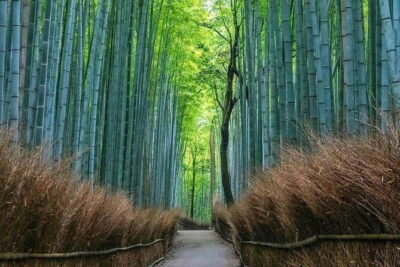
The bamboo forest stop is built for time to actually absorb the place: around 60 minutes. You’re there not just to snap a picture, but to understand why bamboo matters in Japan and what to notice while you’re walking through it.
A practical tip: bamboo forests have a “flow” problem. People stop in the middle for photos. You’ll get more out of the forest if you keep moving and then slow down only when you find a good sightline. Your guide can help here, especially with timing and positioning for photos.
You also get a lesson vibe, not a lecture vibe. The tour doesn’t just point and move; it explains cultural oddities and everyday thinking—like how daily Japanese habits show up in spaces you might otherwise treat as scenery.
Then it’s onward. You hop by bus or train from Arashiyama toward Kinkaku-ji, which keeps the morning efficient.
Kinkaku-ji Golden Pavilion: iconic temple, clear context, extra fee
Kinkaku-ji is one of Japan’s most visited places, and it earns it. You’ll spend about 40 minutes at the Golden Pavilion, with your guide explaining Buddhism in Japan, the temple’s history, and what you’re looking at as you move through the complex.
Here’s the catch: the admission fee is not included. The listed cost is ¥500 per person. So if you’re calculating value, treat that as part of the day’s real cost, not a surprise.
I also like that the tour frames Kinkaku-ji in a religious and historical way. Even if you don’t memorize dates, it helps your eyes. You start seeing details—structure, symbolism, and the intent behind the setting—rather than just chasing the most famous angle.
If you’re someone who worries about “are we rushing?” this stop is short enough to feel manageable but long enough to take in the main views. Past feedback praised guides such as Indra and Maureen for making the stories fit the walking pace, not the other way around.
Shijo Kawaramachi: shopping energy plus a lunch reset
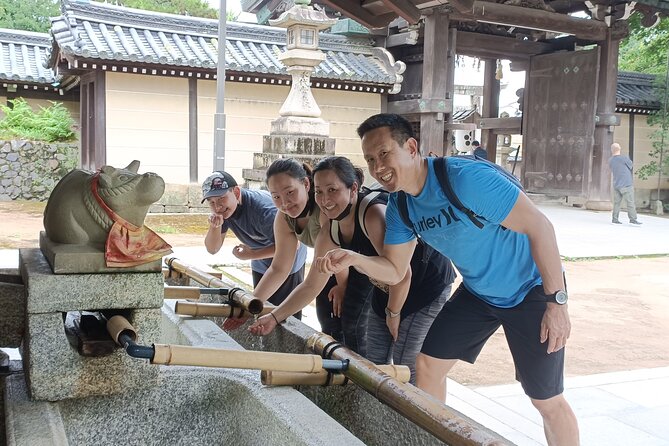
From Kinkaku-ji you move toward the shopping area at Shijo Kawaramachi. You’ll have about 75 minutes here, including lunch. The tour also includes time to enjoy the view of the shopping arcade area, then you walk across Shijo Bridge for an extra sightseeing beat.
This is a smart design choice. After temples and shrines, you need a reset where Kyoto looks like Kyoto lives. Shijo Kawaramachi gives you that: street life, commercial energy, and the chance to refuel before the evening districts.
A balanced expectation helps here. This isn’t a guided food tour with a menu plan and paid tastings. It’s more like: lunch break plus time to roam the area. That’s good value if you like choosing what you eat, and it avoids forcing anyone into a single restaurant.
Also, Shijo Bridge is a nice “walk in the open” moment. You stop being guided step-by-step and just move through the city’s flow—then you’re ready for the quieter streets ahead.




Gion Shirakawa: the quiet side of geiko and maiko culture
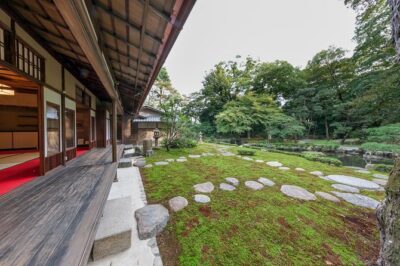
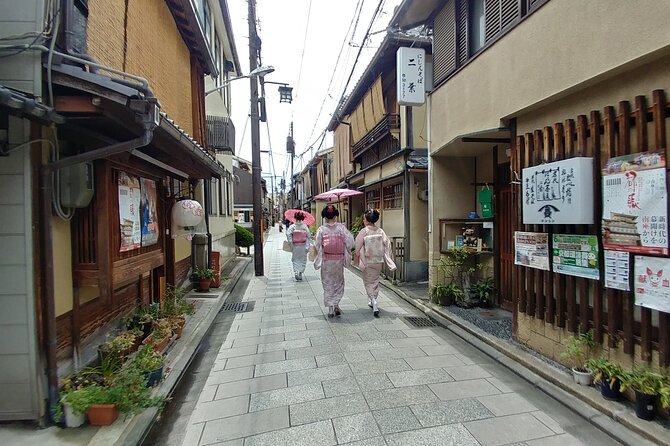
Next is Gion Shirakawa, scheduled for about 60 minutes. This stop leans into the calmer, traditional side of the famous Gion entertainment area.
You’ll learn about geiko and maiko—who they are, how the world around them works, and what you might notice when you’re walking through the neighborhood. The big value here is how the guide connects the symbolism of these districts to living culture, not just staged performance.
In past experiences, guides were praised for pacing and for being able to explain the human side of the city. Indra, Maureen, and Naomi came up repeatedly in feedback for talking through cultural quirks without making it feel like a script.
One practical thing: Gion areas can be photogenic, but the best shots come from observing how people move. If you’re too aggressive with camera positioning, you’ll feel like you’re in the way. Let the street teach you the rhythm, then take photos from a respectful distance.
Fushimi Inari-taisha: torii gates, Shinto context, and smart timing
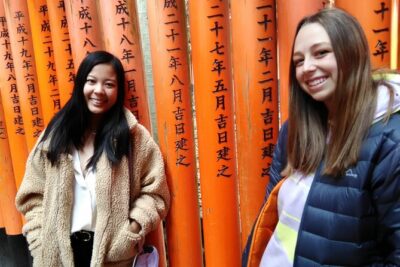
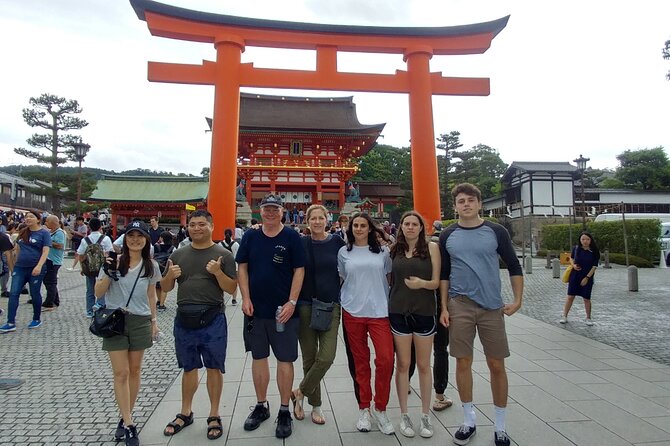
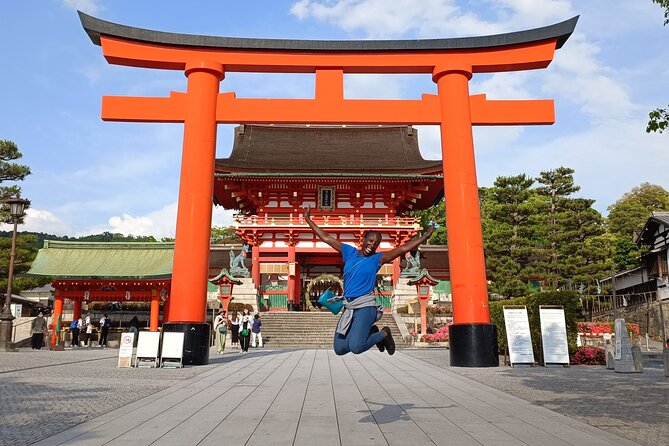
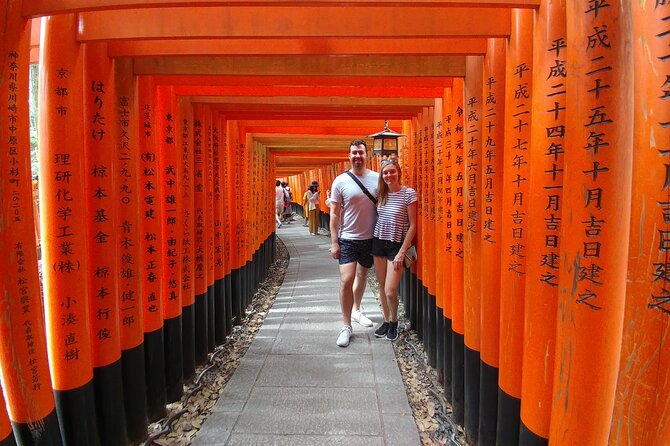
The final major shrine stop is Fushimi Inari-taisha, about 50 minutes. You’ll pass through thousands of vermillion torii gates and learn about Shintoism, including where it fits and the shrine’s historical background.
This is the portion where it’s tempting to sprint upward for the “best view.” But the tour’s strength is that you’ll understand what you’re walking through as a religious pathway, not just a staircase to a viewpoint.
Practical expectation check: 50 minutes doesn’t mean you cover everything possible inside the complex. It means you get the core experience with guidance, then move on. That’s ideal if you want a one-day overview that doesn’t turn into a marathon.
Also, the route timing matters. Fushimi Inari can get crowded, and the gates compress the crowd. Walking steadily, staying patient, and taking pauses when the flow allows will keep your experience enjoyable instead of stressful.
The transit and mobile ticket piece that actually matters
Kyoto works best when you’re comfortable with transit. This tour handles that by using train and bus segments between areas: Kyoto Station to Saga Arashiyama, then onward toward Kinkaku-ji, and finally back toward Kyoto Station at the end.
One more practical cost note: public transportation isn’t included. The listed figure is ¥1,510 per person. I think it’s worth budgeting for it upfront because it makes your day smoother. Your guide also helps reduce decision fatigue—where to buy, which platform, when to move—so you don’t waste your limited time sorting logistics.
You also get a mobile ticket, which means less paper and fewer last-minute admin tasks. That’s a small thing, but it matters when you’re moving fast and trying to stay on schedule.
Past reviews repeatedly praised guides for navigating buses and trains smoothly, with Indra and Maureen specifically mentioned for being easy to follow. If you’re the kind of person who likes clarity, you’ll appreciate that.
Price and value: what $165 covers, and what you still pay
The tour price is $165.17 per person for roughly 7 hours 30 minutes. That base price includes an experienced local guide and the walking experience.
It does not include:
- Kinkaku-ji admission: ¥500 per person
- Public transportation: ¥1,510 per person
So the value question becomes: does the guided route save you time and confusion enough to justify both the fee and the add-ons? In my view, yes—especially if you’re visiting for the first time and you want a structured overview of Kyoto’s major “greatest hits.”
You’re paying for:
- A tight sequence that connects far-apart neighborhoods in one day
- A guide who can explain cultural points like trash-canstide habits and religious ideas (Shinto and Buddhism)
- Small-group pacing with time for photos and questions
If you already know Kyoto transit like a pro and you’re comfortable building your own day across Arashiyama, Kinkaku-ji, Gion, and Fushimi Inari, you could DIY cheaper. But for many people, the savings aren’t worth the risk of losing half the day to transit decisions, line planning, and route confusion.
Who this tour fits best (and who should pick another plan)
This tour is a strong match if you:
- Want a high-impact first day that covers multiple districts
- Like walking, but still want someone else to handle the routing
- Appreciate cultural context beyond a checklist
- Travel solo and want help with photos and pacing (Indra and others were praised for photo help)
It may be less ideal if you:
- Have bad legs or limited mobility. The tour is specifically described as walking and not recommended for bad legs.
- Are pregnant more than the first trimester.
- Want lots of free time in one place. This is an overview route, not a long stay at any single site.
Should you book this Kyoto highlights tour?
If your priority is seeing Kyoto’s top sights in one day without chaos, I’d say yes, book it—with two small “do this first” steps.
First, budget the extras: ¥500 for Kinkaku-ji and ¥1,510 for transit. Second, wear shoes you trust for a walking day. If you can handle that, the small-group size and guide storytelling make it feel like a guided day trip, not a rushed bus tour.
If you want, tell me your travel dates and whether you’re comfortable with lots of walking. I can help you judge if this pacing fits your body and your Kyoto style.
FAQ
FAQ
How long is the Kyoto highlights tour?
It runs about 7 hours and 30 minutes.
What group size can I expect?
The tour has a maximum of 7 travelers.
Where do you meet, and what time does it start?
You meet at Starbucks Coffee – Kyoto Tower Sando (Kyoto Tower Sando, Higashishiokōjichō, Kyoto) and it starts at 8:30am.
What is included in the price?
The tour includes an experienced local guide and a walking experience. You also receive a mobile ticket.
What costs are not included?
Kinkakuji Golden Pavilion admission is ¥500 per person, and public transportation is ¥1,510 per person.
Is this tour mostly walking?
Yes. It’s described as a walking tour, and it’s not recommended for people with bad leg.
Can I cancel for a refund?
You can cancel for a full refund if you cancel at least 24 hours in advance. The experience can also be canceled for poor weather or if the minimum number of travelers isn’t met, with an alternative date or full refund offered.