REVIEW · KYOTO
Japanese Traditional Sweets making with Tatedashi Matcha
Book on GetYourGuide →Operated by B.B.Advisors Inc. AN KYOTO · Bookable on GetYourGuide
Sweet-making here is oddly calming. You’ll shape seasonal Nerikiri with Kyoto bean paste and sip Tatedashi matcha in about an hour.
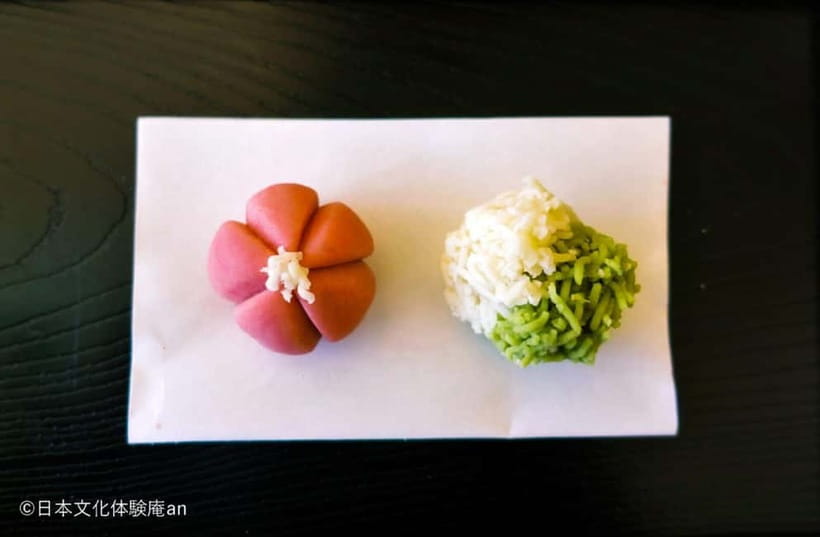
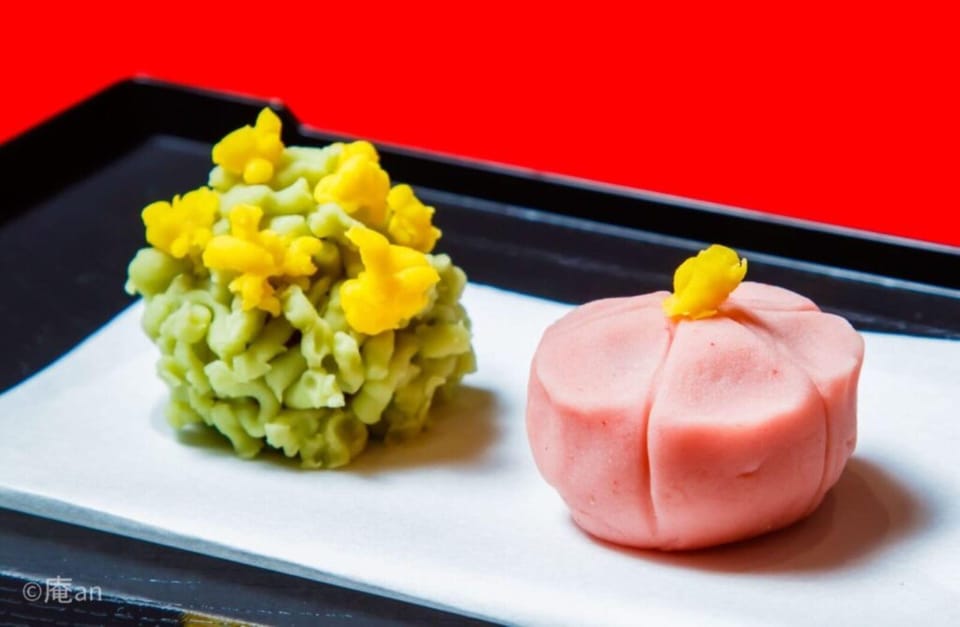
I especially like that the class is hands-on from the start. You’re not just watching a demo—you’ll make two sweets yourself, including a flower-shaped Nerikiri and a second one called Kinton Nerikiri.
One thing to consider: classes can feel a bit “group fast.” If you want lots of one-on-one coaching, you may need a little patience with the pace and number of people.
In This Review
- Key things to know before you go
- Nerikiri and Tatedashi matcha: why this is a great Kyoto-side break
- Price and value: what $14 buys you (and why it’s not just dessert)
- Finding the workshop near Gojo Station in one try
- What happens during the 65 minutes: your sweetmaking mini-journey
- Step 1: quick intro to the sweets
- Step 2: flower-shaped Nerikiri making
- Step 3: Kinton Nerikiri making
- Step 4: plating, photos, and the sit-down part
- The seasonal twist: why your sweets might look different than you expect
- The bean paste detail that makes this feel authentic
- Tatedashi matcha: the finish that ties it together
- Class size, pace, and getting what you paid for
- Extra costs: small add-ons if you want them
- Who should book this Nerikiri workshop
- Should you book this workshop?
- FAQ
- How long is the experience?
- Where is the meeting point?
- What will I make during the class?
- What ingredients are used for the sweets?
- Is Tatedashi matcha included?
- Can I eat the sweets during the class?
- What is included in the price?
- What extra items cost money?
- What languages are supported?
- What are the operating hours?
Key things to know before you go
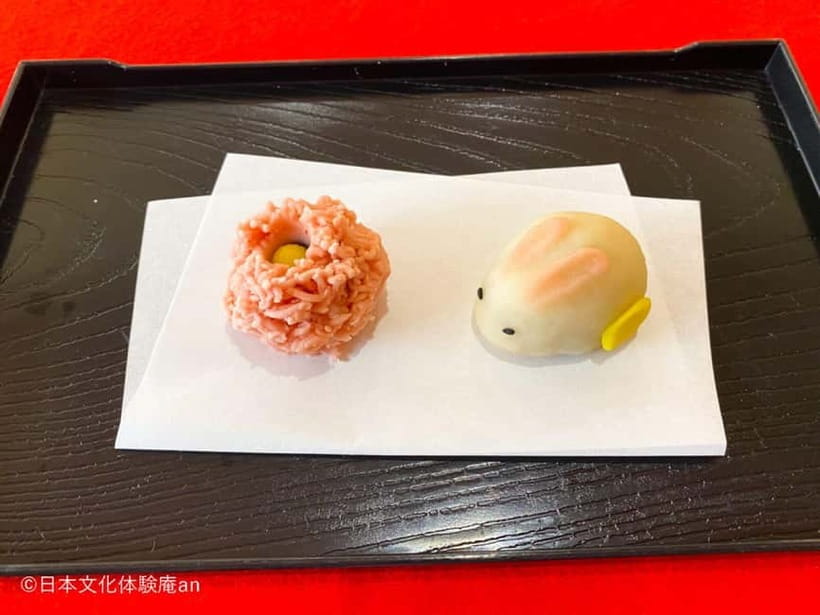
- Kyoto bean paste: You’ll use white/red bean paste made by long-established shops in Kyoto.
- Two seasonal sweets: You’ll make both flower-shaped Nerikiri and Kinton Nerikiri.
- Hands-on, eat-on-the-spot: Try your work and enjoy the sweets during the session.
- Tatedashi matcha included: You’ll finish with matcha as part of the experience.
- Right by Gojo Station: Meet just a minute’s walk from Gojo Station Exit 1.
Nerikiri and Tatedashi matcha: why this is a great Kyoto-side break
If you want a Kyoto-style food experience without the long lines, this sweet workshop is a smart pick. It’s part snack, part craft class. You get to work with real ingredients and end with something you can taste right away.
The best part is that Nerikiri isn’t just about sweetness. It’s about texture, shape, and detail. You’ll roll, shape, and plate your sweets, and the whole thing feels like making edible “artwork,” not a worksheet.
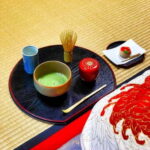
And then there’s the matcha. You don’t have to hunt down a café or guess what to order. Tatedashi matcha is provided, so you finish with a classic pairing that makes the workshop feel complete.
You can also read our reviews of more tours and experiences in Kyoto
Price and value: what $14 buys you (and why it’s not just dessert)
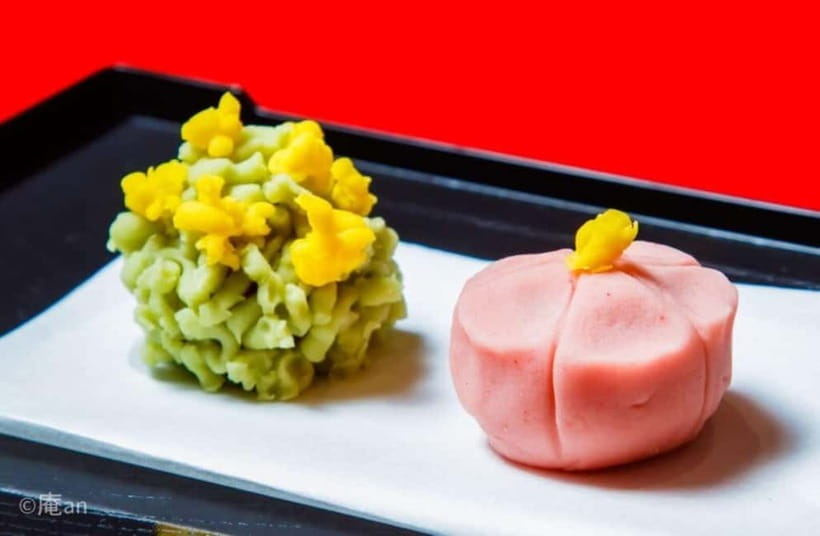
At around $14 per person for a 65-minute session, this isn’t a “cheap sugar show.” You’re paying for guided instruction plus ingredient access to make two traditional sweets yourself.
You also get value in the form of immediacy. You don’t just leave with photos. You make the sweets and eat them on the spot. That alone makes the price easier to justify, especially if you’re walking the Gojo-dori area and want something hands-on that doesn’t rely on a restaurant reservation.
If you’re the type who likes to learn small, useful skills—like how texture changes as you shape bean paste—this is a good fit. It’s simple enough to enjoy even if you’re not crafty, but it still feels like you did something real.
Finding the workshop near Gojo Station in one try
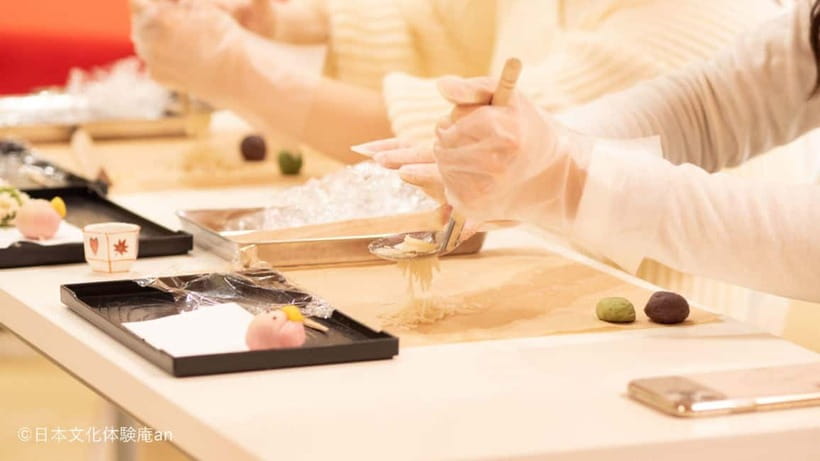
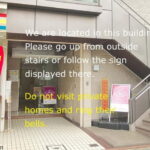
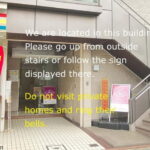
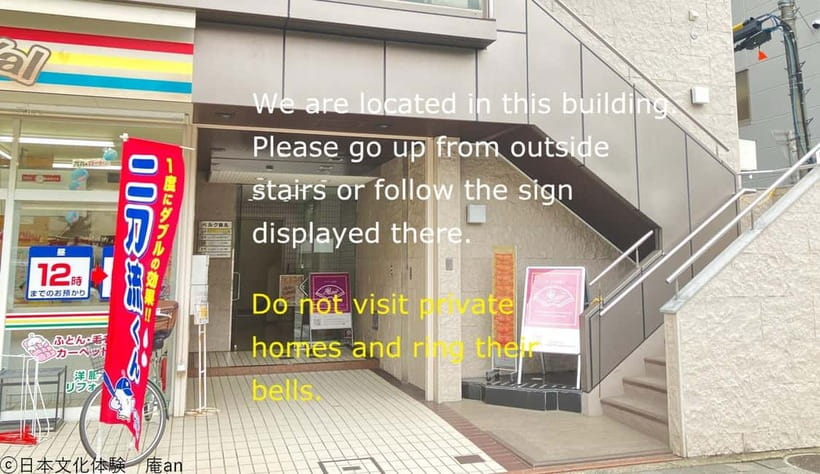
You’ll meet at a shop that’s about a one-minute walk from Subway Karasuma Line Gojo Station Exit 1. The store entrance faces Gojo-dori, the main street, so you’re not searching for a hidden alley entrance.
The location is practical for planning. You can pair this with a day of walking around Kyoto without burning time on complicated transit. Just give yourself a little buffer—this experience won’t hold the class for delays.
Also note the building setup. There’s no elevator, and you’ll use stairs to reach the venues. It’s wheelchair accessible, but you should expect stairs inside the building.
What happens during the 65 minutes: your sweetmaking mini-journey
The class runs about 65 minutes, with a straightforward flow. You start with a quick orientation, then you get making right away.
Step 1: quick intro to the sweets
First, you’ll get an explanation about Japanese traditional sweets. This isn’t a lecture marathon. It’s meant to help you understand what you’re about to create—especially the idea that Nerikiri is about shaping and finishing, not just mixing ingredients.
Step 2: flower-shaped Nerikiri making
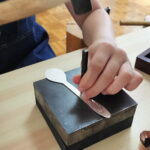
Next comes the first hands-on sweet: a flower-shaped Nerikiri. This is where you’ll feel the “craft” side of the experience. Even if you’ve never shaped bean paste before, the work is tactile and guided, so you can follow along and build confidence.
You’ll likely spend time forming the shape carefully and then finishing it in a way that looks like it belongs in a seasonal wagashi display.
Step 3: Kinton Nerikiri making
After that, you’ll make a second seasonal sweet called Kinton Nerikiri. It’s the same general idea—bean paste, shaping, and finishing—but it gives variety. Making two different sweets also means you don’t get bored halfway through, and you get more chances to practice techniques.
Step 4: plating, photos, and the sit-down part
Near the end, you’ll get picture time. Then you’ll transition into the eating/drinking portion. This matters because it turns the activity into a true experience, not just “make it and leave.”
You can try the sweets you made on the spot, so you immediately taste what you worked on.
The seasonal twist: why your sweets might look different than you expect
The workshop is built around the season. You’ll make two seasonal Nerikiri sweets, so your results can vary depending on timing.
I like this approach because it keeps the experience from feeling generic. Instead of repeating the same cookie-cutter craft every day, you’re making something tied to what’s happening that time of year.
If you’re visiting Kyoto during a specific month, this is also a fun way to connect your trip to the local food calendar—without needing to memorize anything complicated.
The bean paste detail that makes this feel authentic
One of the more impressive parts is what goes into your sweets. You’ll use white/red bean paste produced by long-established shops in Kyoto.
That matters more than it sounds. In traditional sweets, bean paste isn’t just a filling. It’s the base that affects texture and how well the paste shapes. Using a reputable source also makes the class feel legit rather than like a craft session using unknown ingredients.
This is the difference between something that’s merely “edible play” and something that actually teaches you about wagashi texture and form.
Tatedashi matcha: the finish that ties it together
After you finish the sweets, you’ll be served Tatedashi matcha. It’s included, so you don’t have to figure out what to pair it with or pay extra for a drink upgrade.
I find matcha works especially well after hands-on shaping because it resets your palate. Also, the combination of a shaped sweet plus a bitter-green drink feels very traditional. You’re basically getting the full small-course rhythm—sweet craft, then taste and relax.
If matcha isn’t your thing, you still get it as part of the experience. But you can at least view it as a chance to try a Kyoto-style pairing in a controlled, guided setting.
Class size, pace, and getting what you paid for
This experience is hands-on, but it’s still a group class. That means the pacing can be a bit quicker than you’d want for slow, one-by-one troubleshooting.
Here’s how I’d handle that if you’re sensitive to crowds or prefer lots of personal attention:
- Go in ready to learn by doing, not by waiting for frequent corrections.
- Ask for help early if anything feels unclear—once you’re deep into shaping, it’s harder to pause.
- If you’re sensitive to group noise, choose a time when you’re less likely to feel rushed.
The upside is that the activity itself is engaging enough that the pace doesn’t feel like wasted time. Even when the class moves briskly, you’re still actively making something with your hands.
Extra costs: small add-ons if you want them
Two optional add-ons are available:
- A sweets take-out box costs 100 JPY.
- An experience completion certificate costs 300 JPY.
If you’re thinking of bringing something back for family or friends, it’s worth remembering the take-out box is not automatically included. If a certificate matters to you as a souvenir, budget for it.
Who should book this Nerikiri workshop
This is a great fit if you want:
- A hands-on wagashi experience without needing advanced skills
- Something cultural that doesn’t require a full day plan
- A class where you can eat what you make right away
You’ll likely enjoy it even if you’re traveling solo. The structure is clear, and you’re guided through two sweets. It’s also a nice choice if you want a change of pace from temple photos and shopping streets—your brain gets to switch from sightseeing mode to making mode.
If you’re traveling with kids, note that children who sit on their parents’ laps are free of charge (under 2 years old). The workshop is still an activity focused on making, so it may work best for kids old enough to handle a crafts-style environment.
Should you book this workshop?
Yes—if you want a short, hands-on cultural activity in Kyoto’s Gojo area. It’s good value for what you get: two seasonal Nerikiri sweets, Kyoto bean paste, and Tatedashi matcha, all in about 65 minutes.
Book it especially if you like food crafts and want the satisfaction of eating something you made yourself. If you’re someone who needs extremely small groups or lots of personal instruction, go in with realistic expectations about group pace.
If you want to turn your afternoon into something memorable beyond pictures, this one is an easy yes.
FAQ
How long is the experience?
It lasts about 65 minutes, including making the sweets, matcha, and time to eat and drink.
Where is the meeting point?
You’ll meet about one minute on foot from Subway Karasuma Line Gojo Station Exit 1. The shop entrance faces Gojo-dori.
What will I make during the class?
You’ll make two seasonal Japanese sweets called Nerikiri: a flower-shaped Nerikiri and Kinton Nerikiri.
What ingredients are used for the sweets?
The workshop uses white/red bean paste produced by long-established shops in Kyoto.
Is Tatedashi matcha included?
Yes. You’ll be provided with Tatedashi matcha during the experience.
Can I eat the sweets during the class?
Yes. You can eat the sweets on the spot during the eating/drinking time.
What is included in the price?
The experience includes Japanese traditional sweets making with Tatedashi matcha.
What extra items cost money?
A sweets take-out box costs 100 JPY. A completion certificate costs 300 JPY. These are not included.
What languages are supported?
The experience language is Japanese, and English translation is provided as much as possible. If you want additional translation, you need to contact them.
What are the operating hours?
Operations are from 10:00 to 17:00. Reservations received after 17:00 are processed the next day. Free cancellation is available up to 24 hours in advance for a full refund.