REVIEW · KYOTO
Kyoto Tour by Car from Kyoto Osaka Kobe
Book on Viator →Operated by Mitsuyuki · Bookable on Viator
Kyoto feels simpler with a driver-guide. This private car day threads together major Kyoto landmarks, including Tenryu-ji, Kinkaku-ji, Nijo Castle, Kiyomizu-dera, and Fushimi Inari-taisha, with pickup offered and a mobile ticket for a smooth start. Kyoto was Japan’s capital for more than 1,000 years until 1868, so the whole day feels like you’re walking through the layers of Japanese culture in one concentrated loop.
Two things I really like: you get an English-speaking guide who explains what you’re seeing, and the tour stays flexible so you’re not stuck in a rigid script. You also get air-conditioned car comfort, which matters in Kyoto when the sun decides to show up early and stay late. One consideration: the vehicle can feel tight if you’re bringing six adults, so check space expectations before you book.
If you want a Kyoto day that balances big sights with a pace you control, this is a smart way to do it. Just be realistic about fitting everyone comfortably in one car.
In This Review
- Key highlights
- Kyoto by Car: why this loop makes sense
- Your guide and driver: Mitsuyuki Nishikawa’s approach
- Stop 1: Tenryu-ji Temple gardens and optional entry
- Stop 2: Kinkakuji and the golden pavilion effect
- Stop 3: Nijo Castle palace rooms and artwork
- Stop 4: Kiyomizu-dera for veranda views
- Stop 5: Fushimi Inari-taisha torii tunnels (free)
- Price and what you’ll actually pay on the day
- Timing: how an 8 to 10 hour day feels in real life
- Getting tickets and the mobile-ticket convenience
- Car comfort and the six-person question
- Who should book this Kyoto by car tour
- A note on weather and when to go
- Should you book this Kyoto car day?
- FAQ
- How long is the Kyoto tour by car?
- How much does it cost, and how many people can go?
- Do you include pickup and tickets?
- Are admission fees included?
- What extra costs should I expect besides the tour price?
- What’s the cancellation policy if weather is bad?
Key highlights
- English guidance by Mitsuyuki Nishikawa to connect the dots between temples, castles, and shrines
- Air-conditioned car comfort that keeps walking manageable during hot weather
- Flexible routing and timing, with your interests shaping the flow of the day
- A tight best-of lineup: Tenryu-ji, Kinkaku-ji, Nijo Castle, Kiyomizu-dera, Fushimi Inari
- Fushimi Inari-taisha is free and gives you that classic torii-tunnel experience
- Private group setup means it’s just your party, no mixing with strangers
Kyoto by Car: why this loop makes sense
Kyoto is famous for being walkable, but it can also be frustrating. Getting from one iconic site to the next often means transfers, stairs, and crowds that slow everyone down. This is where the car format earns its keep. You can plan a day around the highlights without burning your energy on logistics.
The route is built around places that feel different from one another, even though they’re all in Kyoto’s historic orbit. Tenryu-ji and Kinkaku-ji lean into temple gardens and dramatic scenery. Nijo Castle shifts the focus to palace architecture and indoor displays. Kiyomizu-dera gives you views from a veranda. And Fushimi Inari-taisha ends with orange torii gates that turn a shrine visit into a walk you’ll remember.
Because it’s private, you can also adjust the “how” as much as the “what.” If you like photos, you’ll get time for them. If you want to linger, you can. If you prefer a quicker pass, the day can move briskly. You’re not trapped in a predetermined pace.
You can also read our reviews of more tours and experiences in Kyoto.

Your guide and driver: Mitsuyuki Nishikawa’s approach
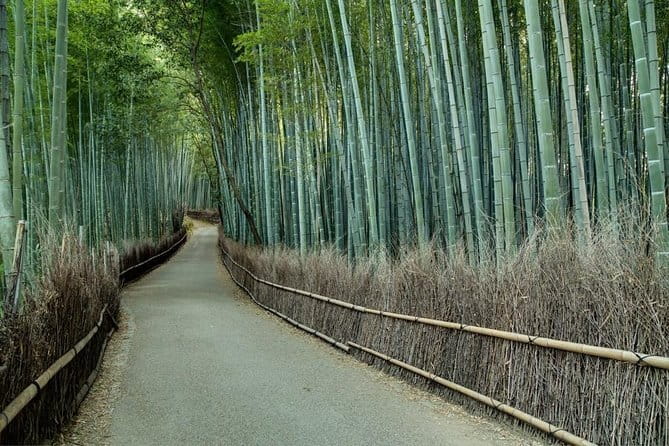
A big part of why this tour works is the guide style. Mitsuyuki Nishikawa is a licensed English tour guide and a professional driver, and that combination matters. You’re not only getting directions. You’re getting context.
Here’s what that usually looks like in practice:
- At each stop, you’ll get clear explanations of what you’re looking at and why it matters.
- He answers questions as you go, instead of saving everything for the end of the day.
- The pace can be adjusted to your group. He may naturally move with a driver’s efficiency, but he’s set up to slow down when you need it.
You’ll also notice the practical rhythm of a good driver-guide. The transfers are handled, so you spend your time in the places you actually came for. And if your group wants a different priority, the tour is designed to be flexible.
Stop 1: Tenryu-ji Temple gardens and optional entry
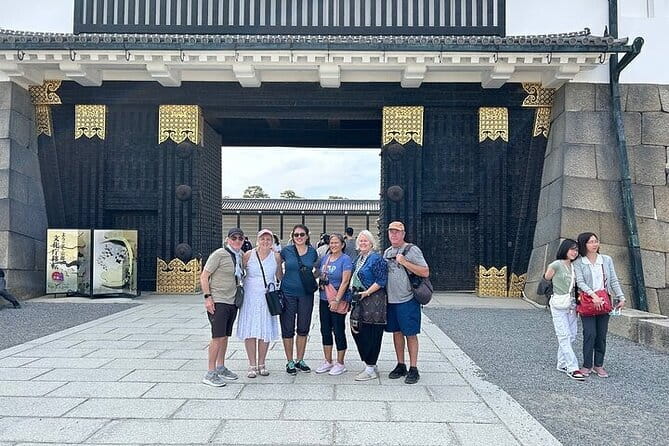
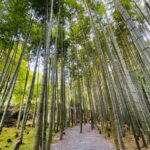
Tenryu-ji is a calm opening act. You start with the temple’s beautiful garden, and that’s the point: it’s the kind of setting where you can ease into Kyoto rather than sprint into the first crowds you see.
You’ll typically have about 30 minutes here. That’s enough time to walk the garden areas at a comfortable speed and take a few photos without turning it into a checklist stop. There’s also an optional chance to enter the temple building, if you want to spend a bit more time on the interior side of the site.
A practical tip: because the time is limited, decide early what you want most. If gardens are your thing, focus there first and then add the building if the schedule allows. If the building matters more to you, ask for the order that fits your priorities.
Stop 2: Kinkakuji and the golden pavilion effect
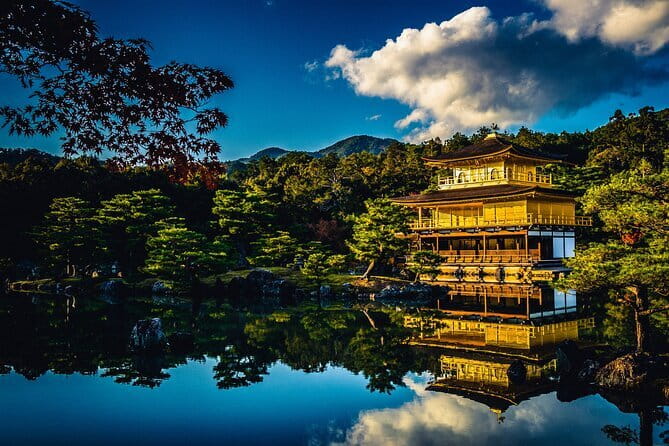
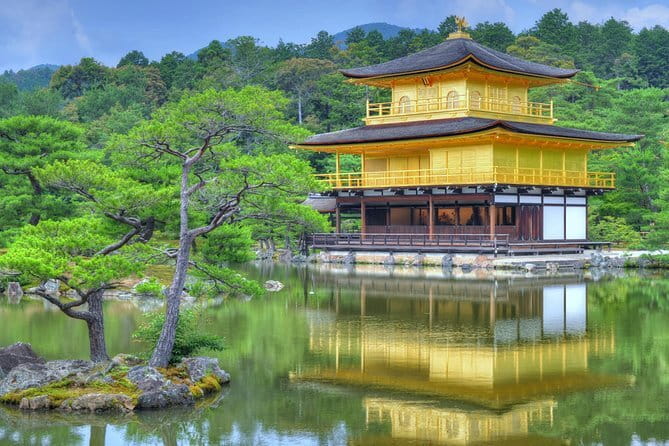
Next up is Kinkakuji, the famous golden pavilion. The centerpiece is exactly what the name suggests, but the garden setting is what makes the whole scene feel complete. You’re not just seeing a single building; you’re seeing it framed by the landscape of the temple grounds.
You’ll have around 50 minutes here, which is solid. It gives you time to take in the pavilion from the main viewpoints, then circle back for the angle you like best. If you’re someone who likes to understand the symbolism behind the look, you’ll get more out of this stop when your guide ties the aesthetics to the place.
One consideration: like many top Kyoto attractions, Kinkakuji can feel busy depending on the time of day. The best way to deal with that is simple—go in with a plan for how long you want to stay at your favorite viewpoint, then move before you burn your time fighting foot traffic.
Stop 3: Nijo Castle palace rooms and artwork
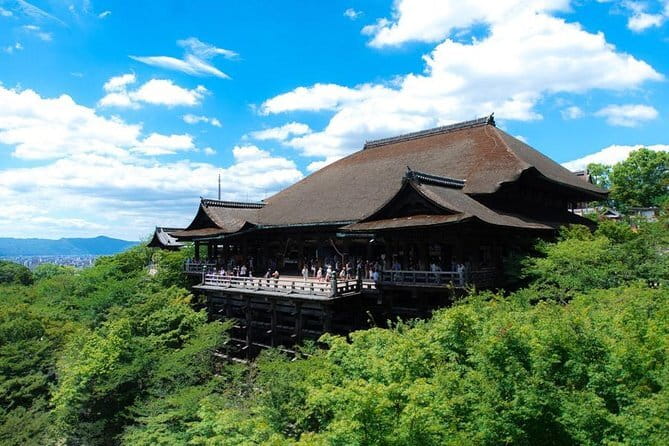
Nijo Castle shifts the tone from gardens to built space. The highlight here is the palace, where you can enter and see artistic works inside. This is a great stop if you want Kyoto culture that’s not only outdoor scenery.
Plan for about 1 hour. That amount of time works well because castle interiors often reward slower attention. The palace areas are where you can spend time noticing details you might miss if you only did a quick look-and-go.
If you’re the type who likes history but also likes efficiency, this is a good balance. You get a contained experience—more structured than a shrine walk—and the guide’s explanations help you connect the decorative elements to what’s happening in the space.
Stop 4: Kiyomizu-dera for veranda views
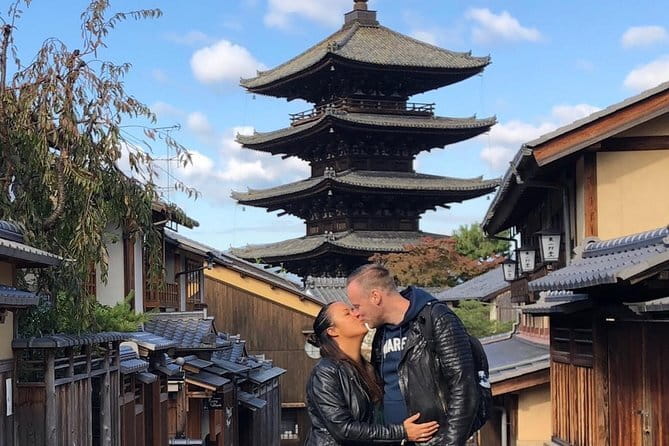
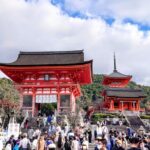
Kiyomizu-dera is where Kyoto starts to feel scenic in a big way. You’ll see temple buildings and get a panoramic view from the veranda. This is the stop that often does two jobs at once: it’s visually impressive, and it also helps you understand why people come to Kyoto specifically for long sightlines and elevated viewpoints.
You’ll typically have around 1 hour. In that window, you can:
- take in the main veranda viewpoint,
- look at the surrounding temple buildings,
- and still have time to wander without feeling like you’re racing.
The practical side: this is a very popular area, and you’ll likely be dealing with foot traffic. The tour format helps because you’re not navigating from scratch on your own. Still, it’s smart to think about when you want your best photos. If you want fewer crowds in your pictures, you’ll want to be efficient with your first viewpoint and then move through the area.
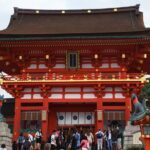
Stop 5: Fushimi Inari-taisha torii tunnels (free)
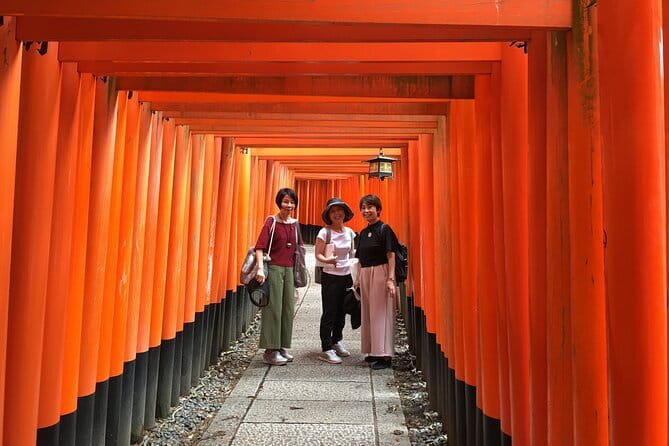
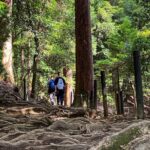
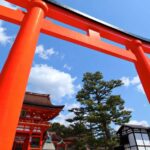
You end with Fushimi Inari-taisha, and it’s a classic Kyoto experience. The draw is the tunnel of orange torii gates, which turns the shrine visit into a steady walk with repeating visual landmarks. That repetition makes it feel less like checking something off and more like enjoying a route.
You’ll have about 50 minutes. That’s enough to experience the famous torii passage and still have time for a few stops along the way.
The best part is also the simplest: admission is listed as free here. That matters because it reduces the number of paid tickets you need to think about on the day. You can focus on the walk, the atmosphere, and the photos rather than calculating costs mid-trip.
If you plan to climb higher for viewpoints, manage your expectations with your total day timing. Your time here is already budgeted as part of an 8 to 10 hour day, so if you want a longer hike, talk it through with the guide early so the rest of the schedule stays comfortable.
Price and what you’ll actually pay on the day
The advertised price is $312.73 per group, up to 6 people. That’s not just “a taxi plus a map.” It includes the guiding fee, the cost of the car, and gasoline.
What’s not included is where your budget needs attention:
- Parking fees
- Expressway fees
- Lunch (for you and the guide)
- Admission fees, listed as ¥25,000 per booking
- Tenryu-ji, Kinkakuji, Nijo Castle, and Kiyomizu-dera have admission fees not included, while Fushimi Inari-taisha is free
So is it good value? For me, the value comes from avoiding waste. Kyoto’s transit delays and crowd slowdowns can turn a half-day into a half-effort. Paying for a car with an English guide often saves time and stress, especially when you want to cover five major sites in one day.
The only reason to hesitate is the group-size and total-cost blend. If you’re tight on budget, the ¥25,000 admission total plus parking and tolls can change the math. If you’re optimizing comfort and time, the price often feels fair for a private setup that keeps you moving without spending your day negotiating transit.
Timing: how an 8 to 10 hour day feels in real life
The tour duration is listed as 8 to 10 hours. In practice, that range depends on how long you linger at the gardens, how much you want to enter interiors at each site, and traffic.
A helpful reality check: some groups end up with a longer day when they keep going a bit longer than first planned. That can be a good thing if you enjoy slow sightseeing, but it’s worth knowing if you have dinner reservations back in your hotel.
Here’s how to make the day feel smooth:
- Wear comfortable shoes. Even with a car, you’ll still walk at each stop.
- Plan for indoor/outdoor changes. Temples have weather shifts even when the day starts fine.
- If you’re heat-sensitive, tell the guide early. He’s used to keeping things comfortable in Kyoto’s summer-style weather.
Getting tickets and the mobile-ticket convenience
The tour includes a mobile ticket. You’ll receive confirmation at booking time, which is a practical win because it reduces last-minute coordination.
For you, the key is to remember what’s included versus what’s paid on site. Admission costs are not included for most stops except Fushimi Inari-taisha. That means you should be ready with cash or cards for admissions and extra charges like parking and tolls.
If you like knowing costs up front, this tour is partially transparent: admissions are listed as ¥25,000 per booking, while parking and expressway fees are listed as additional.
Car comfort and the six-person question
One feedback that matters is vehicle size. The car can feel small for 6 adults, especially if you’re used to spacious vans or you have taller frames. A smaller group size is more comfortable.
If you’re traveling as a full group of six, I’d consider it this way: you’re paying for a private car day, but that car is still a car. It’s designed for the efficiency of moving between stops, not for long, wide-body seating comfort.
If you want maximum comfort, a group of 4 often makes more sense. If you’re 5 or 6, I’d plan for a snug ride and focus on what you’re there for—temple time—rather than expecting lounge-level comfort.
Who should book this Kyoto by car tour
This is a strong fit if you:
- want to hit several of Kyoto’s top sights in one day without learning transit routes,
- prefer an English-speaking guide who explains what you see,
- care about comfort during transfers, especially in warmer months,
- and like the idea of a flexible schedule rather than a strict timetable.
It’s also a good match for families and mixed-age groups who want the big icons but can’t handle sprinting between distant sites.
If you’re traveling solo or as a couple and you prefer DIY, you can build your own route. But if you’d rather spend your energy on the temples instead of the bus schedule, the private format is the point.
A note on weather and when to go
This experience requires good weather. If weather turns bad, the tour can be canceled, and you’re offered a different date or a full refund.
Kyoto is weather-driven for two reasons: temples are outdoor-heavy, and walking still counts even with a car. If you’re choosing between cloudy and sunny days, cloudy can still work, but heavy rain can make the whole day feel less enjoyable. Plan to build in some flexibility.
Should you book this Kyoto car day?
Yes, if your priority is an easy, guided best-of Kyoto day with comfort between stops and the ability to adjust pacing. The strengths are clear: English explanations, a friendly guide-driver setup, and an efficient route that covers the big names—Tenryu-ji, Kinkakuji, Nijo Castle, Kiyomizu-dera, and Fushimi Inari.
I’d think twice only if:
- you’re bringing six adults and your comfort expectations are high,
- you dislike the idea of adding up on-the-day extras like parking, tolls, and admissions,
- or you want a totally free-form day with no pre-set stops.
If you match the tour’s style—guided, private, best-of, efficient—you’ll get a lot out of a single day in Kyoto.
FAQ
How long is the Kyoto tour by car?
It runs about 8 to 10 hours (approx.).
How much does it cost, and how many people can go?
It’s $312.73 per group, up to 6 people.
Do you include pickup and tickets?
Pickup is offered, and you’ll receive a mobile ticket. Confirmation is received at booking.
Are admission fees included?
No. Admissions for Tenryu-ji, Kinkakuji, Nijo Castle, and Kiyomizu-dera are not included. The listed admission cost is ¥25,000 per booking. Fushimi Inari-taisha admission is free.
What extra costs should I expect besides the tour price?
Parking fees, expressway fees, and lunch for you and the guide are not included.
What’s the cancellation policy if weather is bad?
You can cancel for a full refund up to 24 hours in advance. If the tour is canceled due to poor weather, you’ll be offered a different date or a full refund.