REVIEW · KYOTO
Kyoto Guided Walking Tour: Secret Zen Garden and Fushimi Inari
Book on Viator →Operated by Japan Wonder Travel · Bookable on Viator
A quiet Kyoto path beats the guesswork. This small-group guided walking tour strings together Zen temples and shrines with Fushimi Inari’s best photo moments, so you can focus on the sights instead of the map. I like how it mixes well-known stops with lesser-seen corners, and I also like the pacing because you’re not stuck in a rigid rush.
Two standouts: the visit to Komyo-in Temple for a peaceful Zen garden break, and the way Fushimi Inari is handled with viewpoints like Yotsuji and less-frenzied sections of the torii route. One thing to consider: you will be walking uphill with a moderate amount of hiking, so comfortable shoes really matter.
In This Review
- Key Points That Make This Tour Worth Your Half Day
- Zen Thinking Meets Real-World Kyoto Walking
- Getting Started Near Tofukuji: Where the Walk Actually Begins
- Gaun-kyo Bridge: The View That Sets the Tone
- Komyo-in Temple: The Zen Garden Break (The Stop Many Miss)
- Araki Shrine: A Short Prayer Stop With a Human Purpose
- Yotsuji Viewpoint Along Fushimi Inari’s Trail
- Kumataka Shrine: A Quieter, More Myth-Laced Stop
- Inside Fushimi Inari: Okusha Worship Center and Paperwork You’ll Actually Use
- The Senbon Torii Tunnel and the Main Sanctuary Honden
- Guides and Pacing: The Real Value in a Small-Group Route
- Price and Value: Is $78.83 a Good Deal?
- Who This Tour Suits Best (And Who Might Want to Go Solo)
- Should You Book This Kyoto Guided Walking Tour?
- FAQ
- How long is the Kyoto Guided Walking Tour?
- What is the price per person?
- How big is the group?
- Where does the tour start and end?
- What time does it start?
- Do I need a ticket in advance?
- Is it okay if it rains?
- What kind of walking or fitness level is required?
- Which major sites are included?
- Are admissions included?
- Is there free cancellation?
Key Points That Make This Tour Worth Your Half Day
- Small group (max 8): easier questions, more room to slow down when you want photos or explanations
- Zen garden time at Komyo-in: a calmer detour that many people skip when they only chase the famous gates
- Fushimi Inari without getting lost: your guide keeps you moving through the shrine area logically
- Photo and viewpoint stops: Gaun-kyo Bridge and the Yotsuji perspective add variety beyond the main torii tunnel
- Flexible pacing with clear explanations: guides like Kenta, Mika, and Naomi are highlighted for English skills and helpful notes
Zen Thinking Meets Real-World Kyoto Walking
Kyoto can feel like a test of endurance: temples, lines, side streets, and a map that looks like abstract art. This tour is built to reduce that stress by giving you a set route and a guide who keeps the day flowing. The payoff is that you see multiple spiritual landmarks in about 4 hours, without spending your energy figuring out where to turn next.
I like the tour’s balance. You get moments that are visually stunning, like Fushimi Inari’s torii tunnel and Gaun-kyo Bridge, but you also get stops with meaning—prayer areas, quiet precincts, and a Zen garden break. That mix helps the day feel coherent, not just like a checklist.
You can also read our reviews of more walking tours in Kyoto


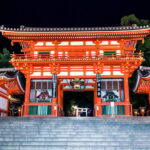
Getting Started Near Tofukuji: Where the Walk Actually Begins
The morning starts at 9:00 am at FamilyMart Nakai Tofukuji in Higashiyama. This is a practical location: it’s easy to reach by public transportation, and it keeps the early part of the day away from the heaviest crowds. You’ll be finished near the Fushimi Inari area as the tour ends at the Outer Oratory, which is a nice setup if you want to keep exploring after the tour.
Bring your patience for a bit of uphill walking. The route includes a moderate hike, and even if you’re not doing long treks, Kyoto’s temple areas are rarely flat. If you’re the type who likes to pause often for photos, plan to slow down a little and let the guide’s timing work for you.
Also note: this tour runs rain or shine. In Kyoto, weather can change fast, and you’ll still want to move comfortably. A light rain layer and grippy shoes are your best friends.
Gaun-kyo Bridge: The View That Sets the Tone
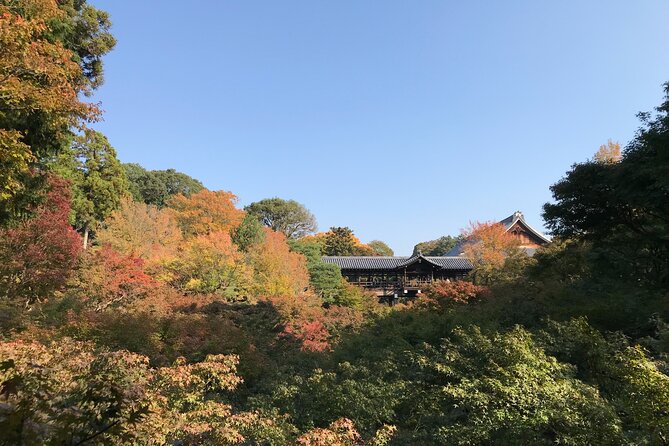
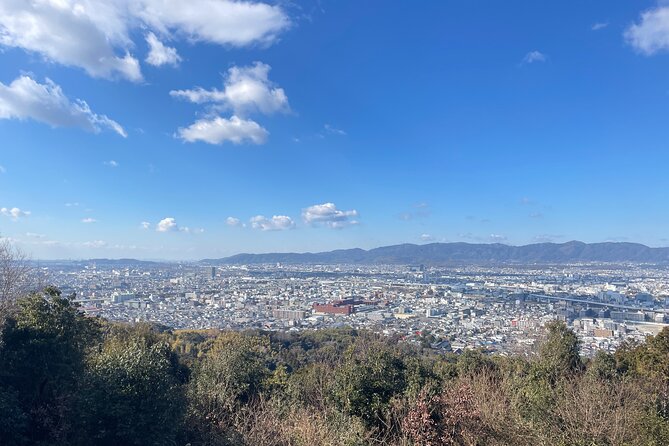
Your first stop is Gaun-kyo Bridge, a wooden bridge spanning a lush valley. The big reason this stop earns its place early is what it teaches you visually: Kyoto’s temple design isn’t only about buildings—it’s also about framing nature.
The bridge gives you a mesmerizing view toward Tsutenkyo Bridge and a sea of maple trees below. Even if you’re visiting outside peak autumn color, the structure-and-view concept still lands. You’re basically getting a preview of the day’s theme: quiet spiritual spaces paired with carefully designed scenery.
Practical detail: admission here is free and the stop is short (about 5 minutes), so treat it as your warm-up—get your photos, then keep moving while the air is still fresh and the crowd level tends to be lower.
Komyo-in Temple: The Zen Garden Break (The Stop Many Miss)
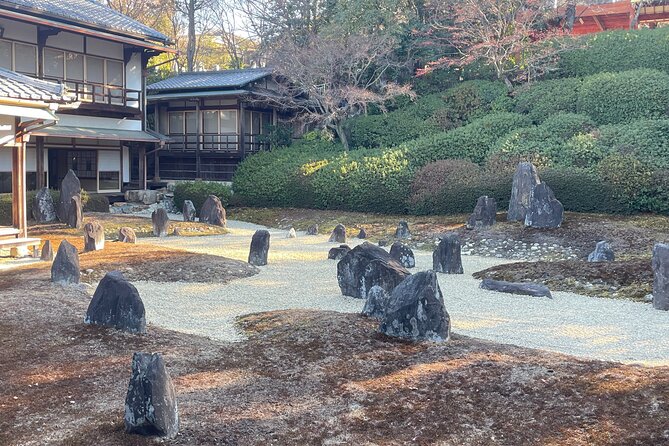
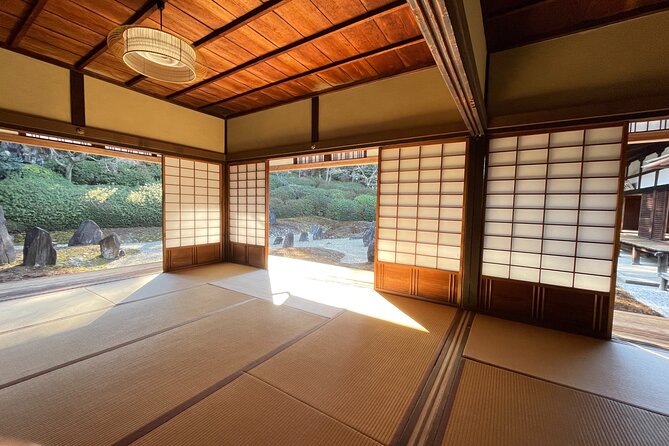
The tour’s calm center is Komyo-in Temple, a Zen sub-temple known for a serene Zen garden. This is where the day shifts from “big Kyoto sights” into “take your time and slow your breathing” territory.
You’ll spend about 25 minutes here, and that time matters. A garden like this isn’t meant to be consumed in 60 seconds. The goal is to give you enough room to look, notice details, and feel the difference between a tourist photo stop and a meditation-adjacent setting.
What I like about including Komyo-in is simple: a Zen garden is often the one thing people plan but never actually reach. Here, it’s scheduled, with time built in, and you’re not left hoping you can find the right turn alone.
One practical caution: this temple stop is included with admission, so you’ll want to be ready to step in when your guide signals. Wear shoes you can trust on temple paths.
Araki Shrine: A Short Prayer Stop With a Human Purpose
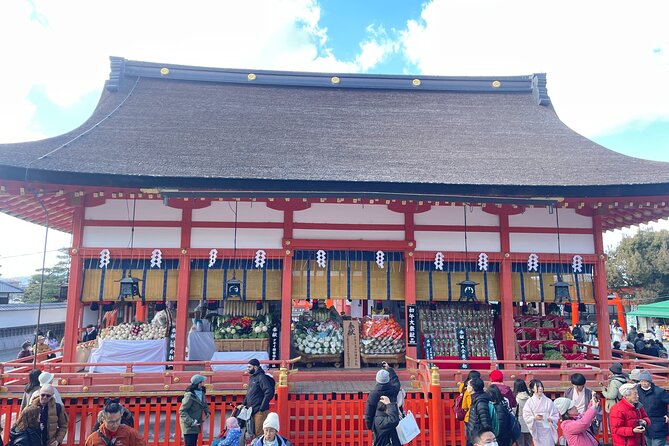
Next up is Araki Shrine, where people come to pray for love, strong relationships, and general well-being. This stop is only about 10 minutes, but it’s meaningful because it’s focused on everyday hopes, not only sightseeing.
Even if you’re not sure what to do with the rituals, the benefit of having a guide is that you’re not awkwardly guessing. You can simply observe respectfully, absorb the atmosphere, and connect the stop to why it exists in the first place.
This is also a good breather. Kyoto walking days can start to stack fatigue fast, and a short, contained shrine stop helps you reset before you re-enter the bigger flow of the Fushimi Inari area.
You can also read our reviews of more guided tours in Kyoto



Yotsuji Viewpoint Along Fushimi Inari’s Trail
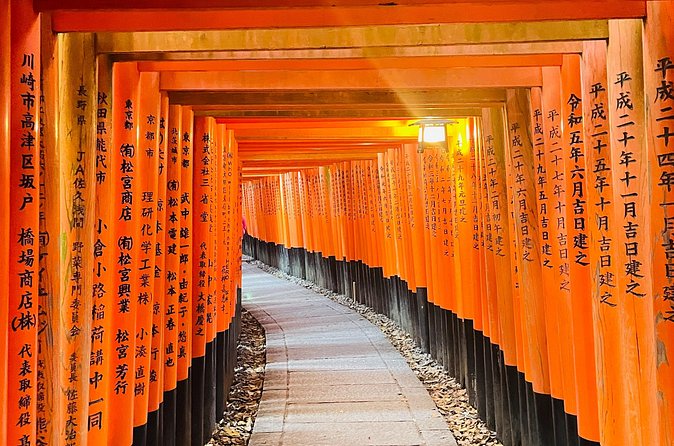
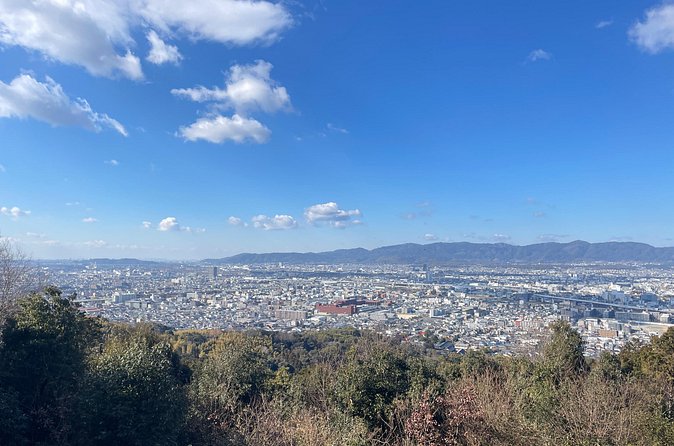
When you reach Fushimi Inari Yotsuji (Four-Way Crossroad), the tour gives you a smart alternative to only standing in the middle of the most famous path. Yotsuji is a viewpoint located along the wider Fushimi Inari trail area, and it’s designed for a pause—about 20 minutes here.
The big value is perspective. From a viewpoint like this, you can step back from the tunnel-of-torii feeling and understand the shrine layout better. You’ll also have a chance to take a break and look out over the scenery in a calmer moment.
Admission is free and the stop is long enough that you can both photograph and catch your breath. If you tend to rush at iconic sights, this viewpoint helps keep the day from feeling like one long line.
Kumataka Shrine: A Quieter, More Myth-Laced Stop
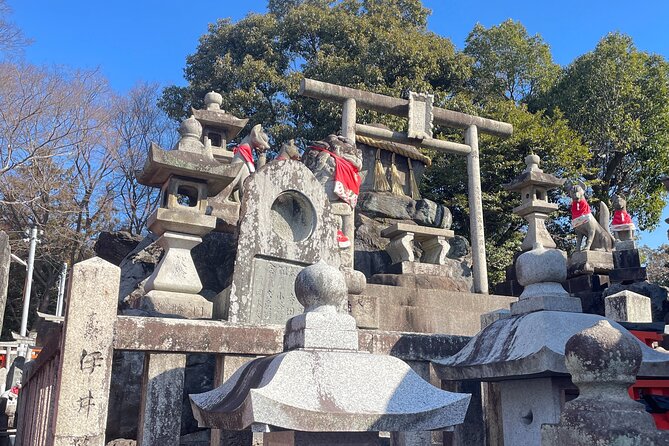
The tour includes Kumataka Shrine, described as a secluded and mystical place with strong spiritual energy. The practical payoff is that it’s away from the busy torii gate paths.
You’re likely to enjoy this stop if you like Kyoto when it feels less like a set and more like a living religious place. It’s only about 15 minutes, but that’s enough time to slow down and notice how different a smaller shrine precinct feels compared with the main Inari crowds.
This is also one of the tour’s “how to see more with less stress” moves. Instead of forcing you to fight your way through every crowded corner, the route nudges you into quieter spaces where you can still feel the spiritual atmosphere.
Inside Fushimi Inari: Okusha Worship Center and Paperwork You’ll Actually Use
Once you’re deeper into the Fushimi Inari complex, the tour stops at the Okusha Worship Center of Fushimi Inari Shrine (the information also mentions Nosatsusho). This is where you can obtain sacred ofuda (amulets), omamori (charms), and goshuin shrine stamps.
This isn’t just a cultural side note—it’s one of the most practical things you can do in Japan if you want a meaningful souvenir. A guide also helps because you’re not standing there wondering what’s correct to ask for or where to go.
The stop is brief (about 10 minutes), but it’s timed well: you’re already in the shrine zone, so you’re not wasting transportation time later. Admission here is free as well.
If goshuin and omamori are part of your Kyoto tradition, this stop is a big reason the tour can feel more than “a walk.” It’s guided time in the right place to get the right items.
The Senbon Torii Tunnel and the Main Sanctuary Honden
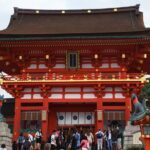
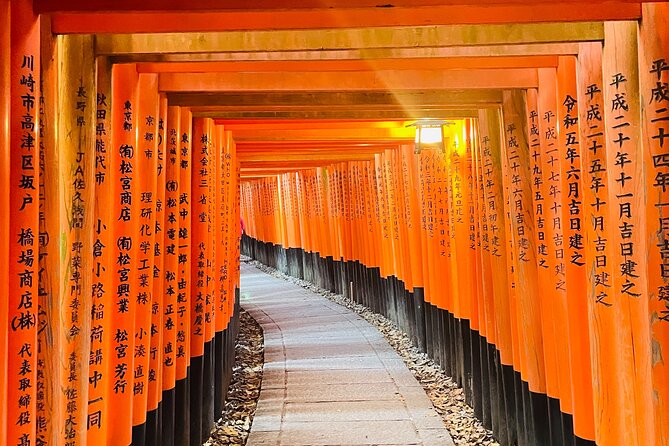
No Kyoto day tied to Inari is complete without the Senbon Torii—the thousand torii gates that create that mystical tunnel leading visitors through the shrine grounds. The tour includes this iconic pathway after the smaller stops, which helps you experience the tunnel with a better sense of progression.
You’ll also visit Fushimi Inari Taisha Honden (Main Shrine/Sanctuary). This is the main worship area, and while the torii and fox statues draw the spotlight, the Honden tends to feel calmer and more intimate. It’s a good pairing: the torii corridor shows you the shrine’s visual power, and the Honden shows you its worship focus.
The time at each portion is relatively short, but the structure of the day makes it work. You’re not spending your whole half-day inside the most congested photo chokepoints, and that tends to make the experience feel more personal.
Guides and Pacing: The Real Value in a Small-Group Route
With a maximum of 8 travelers, you get a different experience than the big bus-tour vibe. You can ask questions and get answers that make the sites click. In past experiences on this route, guides such as Kenta, Mika, and Naomi have been praised for clear English and for taking notes to explain context without overloading you.
What I like about that approach is that it respects your attention span. You get just enough explanation to understand what you’re seeing—Zen garden design, why certain shrines matter, and what to focus on as you move through the complex—then you’re back to walking and looking.
Also, pacing is practical. The route includes uphill sections, and guides adjust to your speed. That matters because Kyoto can tire you in weird ways: your legs get tired, but your brain also gets tired from constantly scanning for entrances and signs. A guide reduces the mental load.
Price and Value: Is $78.83 a Good Deal?
At $78.83 per person for about 4 hours, this tour sits in the “worth it if you want to save time and avoid confusion” category. Here’s how the value stacks up:
- You’re paying for a guided route that covers multiple major spiritual landmarks in one morning.
- You reduce wasted time wandering, which is a big deal at Fushimi Inari where the area is easy to get turned around in.
- Admission includes entry for Komyo-in Temple, while other stops like Gaun-kyo Bridge, Araki Shrine, and multiple Fushimi Inari areas are free based on the info provided.
If you’re the type who enjoys planning but hates the stress of planning on the spot, this is a strong buy. If you’re traveling with a very strict schedule and already know exactly how you’ll hit each stop on your own, you might not need a guide. But if you want an easier Kyoto morning with fewer wrong turns, the cost feels more reasonable.
Who This Tour Suits Best (And Who Might Want to Go Solo)
This guided walk is a great fit if you:
- want a Zen and Fushimi Inari combo without spending hours mapping routes
- prefer smaller group energy
- enjoy stopping for context, not just photos
It’s less ideal if you:
- hate uphill walking or don’t want any hiking component
- want to spend a lot of time inside Fushimi Inari at your own pace without structured stops
- only care about one single headline attraction and nothing else
If you like the idea of a balanced itinerary—quiet Zen garden, shrine prayers, viewpoint breaks, and the Senbon Torii tunnel—then this tour matches your style.
Should You Book This Kyoto Guided Walking Tour?
Yes, if you want an easy half day that blends the famous with the quieter side of Kyoto. I’d book it for the Komyo-in Temple Zen garden timing, the structured path through Fushimi Inari, and the fact that you’re guided so you don’t waste time figuring things out mid-walk.
I’d think twice if you’re very distance-sensitive or you want maximum free roaming. The day is built around a route, and while pacing is flexible, it still follows a set rhythm.
FAQ
How long is the Kyoto Guided Walking Tour?
It runs about 4 hours (approx.).
What is the price per person?
The price is $78.83 per person.
How big is the group?
The tour has a maximum of 8 travelers.
Where does the tour start and end?
It starts at FamilyMart Nakai Tofukuji (12-chōme-232 Honmachi, Higashiyama Ward) and ends at the Outer Oratory in the Fushimi Inari Shrine area (58 Fukakusa Yabunouchichō, Fushimi Ward).
What time does it start?
The start time is 9:00 am.
Do I need a ticket in advance?
You get a mobile ticket, and confirmation is received at booking.
Is it okay if it rains?
Yes. The tour runs rain or shine.
What kind of walking or fitness level is required?
The tour involves a moderate amount of walking and hiking with some uphill, so comfortable walking shoes are important.
Which major sites are included?
The tour includes stops such as Gaun-kyo Bridge, Komyo-in Temple, Araki Shrine, Fushimi Inari (including the Senbon Torii area and Fushimi Inari Taisha Honden), plus viewpoint and quieter shrines like Yotsuji and Kumataka Shrine, and the Okusha Worship Center area.
Are admissions included?
Admission is listed as included for Komyo-in Temple. Several other stops are listed as free, including Gaun-kyo Bridge, Araki Shrine, and multiple Fushimi Inari-related stops.
Is there free cancellation?
Yes. You can cancel for a full refund up to 24 hours before the experience start time.