REVIEW · KYOTO
Kyoto Hiking Tour: The Nature and Legends of Kurama and Kibune
Book on Viator →Operated by Trip Designer Inc. · Bookable on Viator
Kyoto outside the crowds has stairs and stories. This private hike ties Mount Kurama to Reiki legend and pairs it with shrine stops you’d never string together on your own. I especially like the door-to-door pickup and the way the day includes shrine/temple entry, so you spend less time sorting tickets and more time walking and listening. One consideration: it involves real climbing, steps, and uneven ground, so moderate fitness matters.
What makes it feel worth the price is the guiding. A private English-speaking guide keeps the route flowing and turns each shrine into context, from why places were moved to how locals tell weather-and-water stories. Guides on this route have been praised for being friendly, flexible, and clear, including standout days with guides like Mariko, Ryoma, Yuki, Akira, and Yoji.
This isn’t a casual flat walk. It’s a mountain day with short stops and some longer stretches, and the itinerary may shift if conditions aren’t good. If you want a gentle stroll through Kyoto, you’ll likely prefer something easier; if you want nature plus meaning, this one delivers.
In This Review
- Key highlights you’ll feel on the ground
- Kyoto’s mountains: why Kurama and Kibune feel like a reset
- Door-to-door pickup: the real convenience upgrade
- Reiki at the top: Mount Kurama and the 21-day meditation story
- Stop by stop: what you’ll actually see on the Kurama-to-Kibune walk
- Yuki Shrine: the 800-year cedar and the story of protection
- The forest walk to Kurama-dera: temple depth without a huge detour
- Okunoin Maoden: the demon-atmosphere moment
- Kifune Shrine: water, rain, and luck for travelers
- The inner shrine story: a goddess and her boat from Osaka
- Pacing and footwear: how to judge if you’ll enjoy the stairs
- Price and value: what $191.60 buys you (and what it doesn’t)
- Who this Kurama and Kibune hike is best for
- Should you book this Kurama and Kibune hike?
- FAQ
- How long is the Kyoto Hiking Tour: The Nature and Legends of Kurama and Kibune?
- Do I get hotel pickup and drop-off?
- Are temple or shrine entrance fees included?
- Is lunch included?
- What level of fitness do I need?
- What if the weather is bad?
Key highlights you’ll feel on the ground
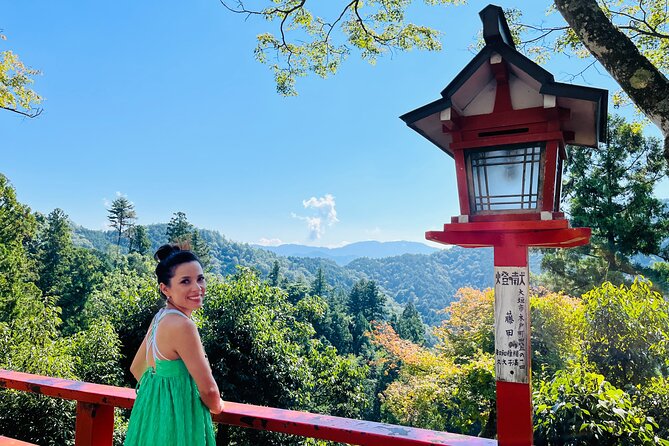
- Hotel pickup and drop-off that saves you from figuring out connections and train timing
- Reiki origin story at Mount Kuruma, tied to Mikao Usui’s 21-day meditation
- Shrine visits with admission included, so you don’t stop to pay again and again
- A forested route that mixes temple atmosphere with classic mountain-town Kyoto vibes
- Kifune’s water legends, including a shrine tied to the God of water and rain
- Private guide pacing, with frequent breaks that help you manage the stairs
Kyoto’s mountains: why Kurama and Kibune feel like a reset
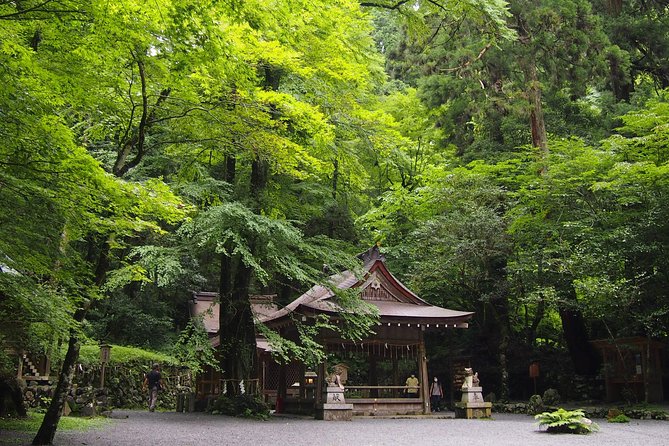
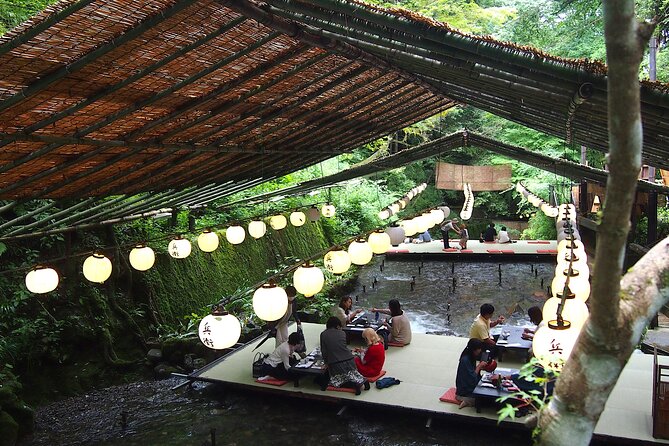
Kurama and Kibune are the part of Kyoto that feels quieter, slower, and more seasonal than the city center. You trade buses and big lines for something much more personal: wooded paths, shrine stairs, and small moments like turning a corner and suddenly getting views over the hills.
The tour’s structure also matters. Instead of cramming in a bunch of unrelated sights, it builds one coherent theme: mountain spirituality and local legend, starting at Yuki Shrine and moving steadily deeper into the Kurama area before finishing at Kifune’s water-focused shrines.
And because it’s private, you’re not stuck with the pace of strangers. Your guide can keep you on track while still giving you space to linger—important when temples and shrines are the point, not just backdrops for photos.
You can also read our reviews of more hiking tours in Kyoto
Door-to-door pickup: the real convenience upgrade
The pickup and drop-off are a big deal for two reasons. First, you don’t waste vacation time getting to a meeting point and back. Second, Kyoto transit can be great, but it’s not always simple when your day includes multiple hillside stops.
This tour offers hotel pickup from Kyoto urban areas and the Kurama area, plus return drop-off. In plain terms, it makes the day feel like an organized outing instead of a logistics puzzle. It also tends to reduce the stress that shows up when you’re trying to coordinate train lines while wearing trekking shoes and carrying a water bottle.
If you’re traveling with a group, this setup can feel even more valuable, because it centralizes the schedule around you, not around public transit timetables.
Reiki at the top: Mount Kurama and the 21-day meditation story
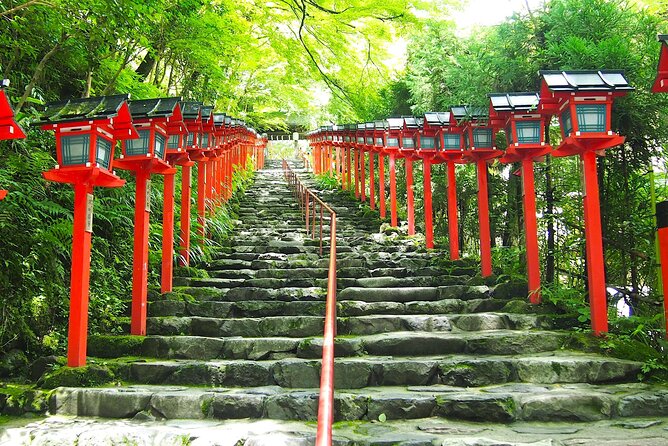
Mount Kurama is the emotional core of the day. It’s known as the birthplace of Reiki, the holistic healing art tied to the founder Mikao Usui. The legend says he meditated on this mountain for 21 days in the early 1900s, receiving Reiki healing energy.
Even if Reiki is something you’ve heard about but never connected to Kyoto, this stop makes the story feel grounded. You’re not learning it as abstract trivia. You’re hearing it while moving through mountain air with shrines nearby and forests all around—exactly the kind of context that makes legend stick.
The tour gives you about one hour at Mount Kurama. That’s enough time to take in the atmosphere, soak up the guide’s explanation, and still keep momentum so you don’t end up rushing at the later shrines.
Stop by stop: what you’ll actually see on the Kurama-to-Kibune walk
Yuki Shrine: the 800-year cedar and the story of protection
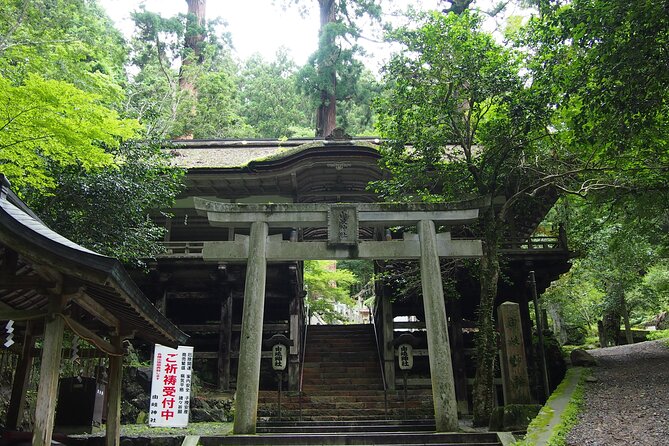
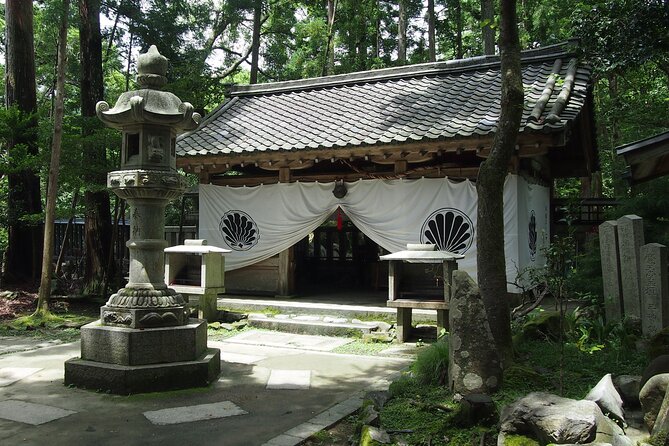
You start at Yuki Shrine, a place that carries a dramatic origin tale. It was originally built in central Kyoto, then in 940 AD it was moved to Kurama to protect the area from mysterious evil. That shift-from-city-to-mountain story gives you a sense of why these places feel both historical and symbolic.
The shrine’s highlight is an 800-year-old cedar tree. It’s the kind of feature you feel immediately, because you can’t help noticing how time has shaped the place. This stop is about 20 minutes, so it’s short, focused, and designed to set the tone for the hike rather than turn it into a museum visit.






The forest walk to Kurama-dera: temple depth without a huge detour
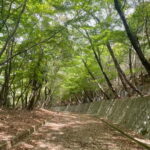
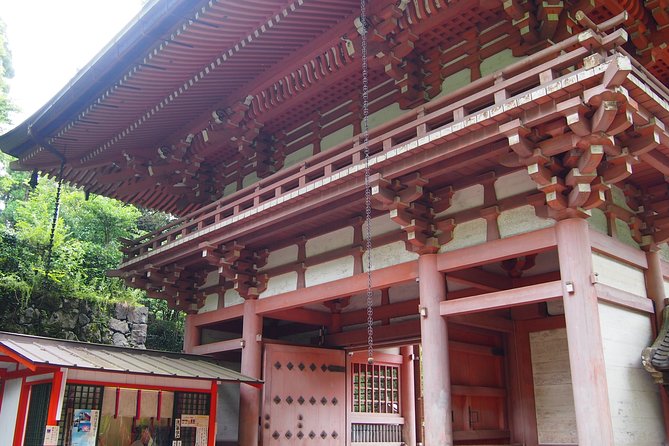
After Yuki Shrine, you head into the forest on a pleasant walk toward Kurama-dera, one of the area’s best-known sites. You’ll spend around 45 minutes here, including a roughly 25-minute forest stretch mentioned as part of the walk.
Kurama-dera dates to the 8th century and is dedicated to the worship of a major Buddhist figure. What I like about this stop is that it feels like the mountain is part of the temple complex rather than just something beside it. You’re moving, hearing the explanation, and watching how the setting changes as you go.
Okunoin Maoden: the demon-atmosphere moment
Next comes Okunoin Maoden, tucked deeper into the mountains. The vibe is described as mysterious, and it’s said to be where demons reign. You only get a brief stop here (about 10 minutes), but it’s the kind of quick encounter that lands because the atmosphere is the whole point.
Think of this as a mood switch. After walking through the more open shrine-temple rhythm, this is the fast turn into something darker and more intense, where the guide’s storytelling can make the legends feel closer to something you can sense rather than just read.
Kifune Shrine: water, rain, and luck for travelers
You finish in the Kifune Shrine area, which shifts the focus from Kurama’s spirituality into legends tied to water and travel. The shrine is considered a place where sailors pray for luck on voyages and is dedicated to the God of water and rain. You may also have a chance to drink pure mountain water from the shrine source, which makes the water theme feel practical instead of purely symbolic.
The tour includes two Kifune-related stops. One is about 30 minutes, giving time for the main shrine area and its water-focused meaning. The second stop is about 25 minutes, focused on an inner shrine connected to a boat legend.
The inner shrine story: a goddess and her boat from Osaka
For the second Kifune stop, you’re told a legend about a goddess who traveled in a boat from Osaka all the way up the river into these mountains. The inner shrine houses the boat she is said to have ridden.
This is one of those details that helps you understand why Kyoto’s mountain shrines are so story-heavy. They weren’t just placed for beauty. They were placed for meaning—meaning shaped by geography, travel routes, and the need to explain water as both life-giving and unpredictable.
Pacing and footwear: how to judge if you’ll enjoy the stairs
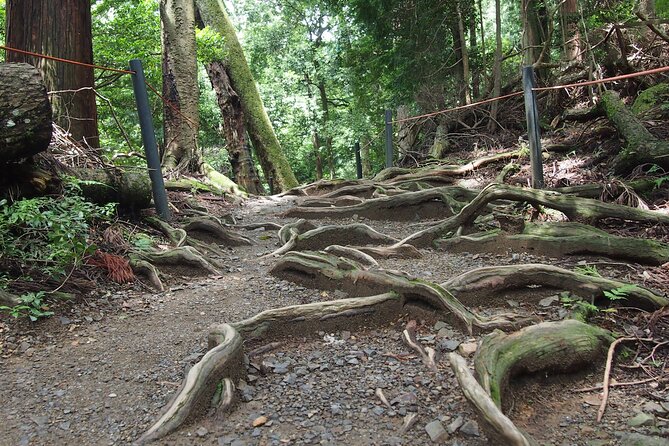
The day is about 8 hours total, and it’s a hiking tour, not a sightseeing ride. The key physical reality is that it isn’t just long—it’s step-heavy and uneven in places.
Based on how guides handle the route, the pace can be adjusted with frequent stops. People have described it as doable even if they’re not very athletic, as long as they have enough energy for repeated steps up and down.
Still, you should plan like the stairs are real. Wear shoes with grip, not slick sneakers. Bring a light layer for sun or cool air, and consider rain protection. This tour requires good weather, and on bad-weather days your route may be adjusted to keep things safe and manageable.
Price and value: what $191.60 buys you (and what it doesn’t)
At $191.60 per person, you’re paying for a private guide plus a full day of built-in logistics. The value comes from what’s included:
- Hotel pickup and drop-off (Kyoto urban and Kurama area)
- English-speaking guide
- Entrance fees covered for key stops during the day (including Kuramadera, plus admission tickets stated for multiple shrine stops)
- Photos of tour participants
- All fees and taxes
What’s not included is also clear: lunch isn’t provided. You’ll need to plan what you’ll do for food, especially if you’re sensitive to timing. Also, private taxi or bus transport is available for an extra fee, but it’s not part of the base price.
When you weigh it, the strongest case for booking is this: you’re paying to get a mountain-day plan with admission handled and transportation solved. If you were to do this on your own, you’d spend time mapping transfers, paying multiple entry fees, and guessing which route makes sense in sequence.
Who this Kurama and Kibune hike is best for
This tour fits best if you:
- enjoy shrines with stories, not just photos
- want a private guide who can explain why legends and locations connect
- like nature paths and can handle steps and uneven ground
- appreciate getting out of central Kyoto crowds for a more peaceful mountain feel
It’s less ideal if you:
- want only a flat, gentle walk
- have mobility limitations that make steps difficult
- expect temple hopping without physical effort
If you’re traveling with older family members, it can still work, but you’ll want to judge their comfort with stairs honestly. The tour is built to include frequent stops, which helps a lot.
Should you book this Kurama and Kibune hike?
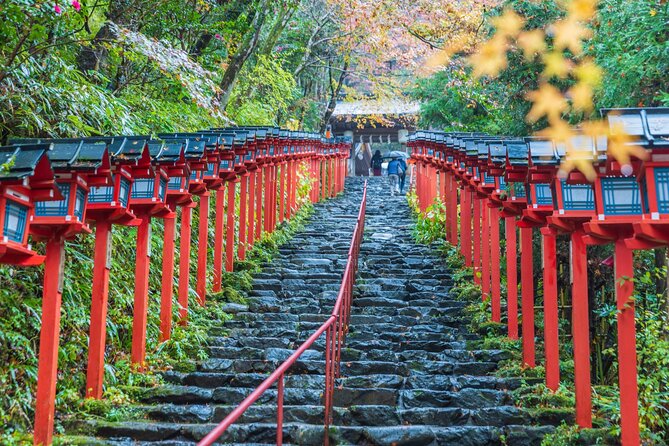
I’d book it if you want Kyoto that feels spiritual and outdoorsy in the same day. The Reiki origin focus at Mount Kurama gives the tour a clear theme, and the shrine sequence makes the walk feel like a guided story rather than a checklist. Add the door-to-door pickup and included admissions, and it turns into an efficient, low-stress way to experience a quieter side of Kyoto.
Skip it (or look for something gentler) if your main goal is relaxed sightseeing with minimal stairs. This is a mountain hike with meaningful stops, so your comfort with steps is the deciding factor.
If you’re the type who likes legends tied to specific places—cedars that remember centuries, water shrines connected to travelers, and temple corners that feel mysteriously guarded—this day is a very good match.
FAQ
How long is the Kyoto Hiking Tour: The Nature and Legends of Kurama and Kibune?
It runs for about 8 hours (approximately), including time at each stop.
Do I get hotel pickup and drop-off?
Yes. The tour includes hotel pickup and drop-off from Kyoto urban area and from the Kurama area.
Are temple or shrine entrance fees included?
Admission is included for temple/shrine visits during the tour, including Kuramadera Temple. Mount Kurama is listed as free.
Is lunch included?
No. Lunch is not included.
What level of fitness do I need?
The tour is for travelers with moderate physical fitness. The hike involves stairs and uneven surfaces.
What if the weather is bad?
The experience requires good weather. If it’s canceled due to poor weather, you’ll be offered a different date or a full refund.