REVIEW · KYOTO
Kyoto: Ramen Bowl Painting and Michelin Cooking Class
Book on GetYourGuide →Operated by Musoshin Fit inc. · Bookable on GetYourGuide
Your hands make the ramen souvenir.
This Kyoto class at Musoshin Ramen Academy pairs Michelin-nominated ramen with a creative ceramic you design yourself, then can kiln-fire for pickup the next day. I love that you finish with a proper, restaurant-caliber bowl, not just a snack-and-sit experience. I also like that the ceramic bowl or spoon becomes a usable keepsake. One possible drawback: the cooking part is guided and fast, more like smart assembly than a full scratch-cooking masterclass.
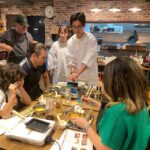
The hosts are the real engine here. Staff members like Shin and Sherry keep the room friendly and moving, and you get help in English or Japanese. Expect a small-group feel with lots of attention on getting everyone involved and getting photos.
In This Review
- Key Things I’d Prioritize Before You Go
- Musoshin Ramen Academy: A Kyoto Workshop That Actually Feeds You
- Your First Step: Painting a Ramen Bowl (or Spoon) You’ll Want to Pack
- What Happens During the Ramen Class: Fast, Guided, and Actually Hands-On
- The Michelin-Nominated Flavor Engine: Noodles, Soup, and Handmade Foundations
- Dietary Options That Don’t Feel Like a Compromise
- Family-Friendly Means More Than Kids Like It
- Price and Value: What $64 Really Buys in Kyoto
- Timing Tips: How to Plan Your Day Around the Kiln Pickup
- Should You Book This Kyoto Ramen Bowl Workshop?
- FAQ
- How long is the Kyoto ramen bowl painting and cooking class?
- What is included in the price?
- Can I get gluten-free or vegetarian/vegan ramen?
- Can I take the painted ceramic home the same day?
- What languages do the instructors speak?
- Is shipping available for the painted items?
Key Things I’d Prioritize Before You Go
- Michelin-nominated ramen, served as part of the class, not an add-on
- Paint a ceramic ramen bowl or spoon, with free kiln firing for pickup the next day
- In-house noodle and broth approach (no shortcuts in the background)
- Interactive ramen assembly with ingredients brought in for you
- Options for gluten-free, vegetarian, and vegan ramen
- Family-friendly pacing, with hosts who stay patient as kids paint and build
Musoshin Ramen Academy: A Kyoto Workshop That Actually Feeds You
Musoshin Ramen Academy is run by Musoshin Ramen, a Kyoto-born shop that started in 2022. Today they have multiple locations in Kyoto and Toronto, and their Toronto spot has been nominated for Michelin for three years in a row. The idea is simple: teach the ramen process while you eat the result, so you leave with a souvenir and a bowl that tastes like it came from the restaurant down the street.
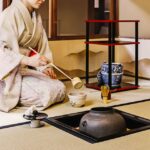
What I like about this setup is that the workshop isn’t some detached classroom. It runs like a restaurant rhythm. You’re working in a space designed for food—Japanese décor included (samurai swords show up in the room vibe, which kids tend to love). And because the restaurant context is baked in, the ramen you assemble feels like the point, not the lesson’s homework.
Also, Musoshin keeps its process in-house. They make noodles every morning, let them rest overnight, and use them the next day. The soup is cooked for 12 hours. The soy sauce and roast pork are handmade. Even if you don’t care about culinary science, it shows up in how the bowl tastes when you finally sit down.
You can also read our reviews of more cooking classes in Kyoto

Your First Step: Painting a Ramen Bowl (or Spoon) You’ll Want to Pack
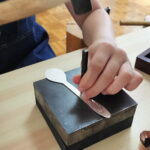
This experience starts with the part that feels like a tiny creative retreat: you paint your own ramen ceramic bowl (or choose a spoon option). You’re not painting for decoration only. The kiln option means your piece can be fired so it’s usable for meals later.
Here’s the practical advantage: the class gives you a real keepsake you can actually bring home. It’s not a flat postcard and it’s not a plastic souvenir. Multiple people choose the spoon because it’s easier to store in luggage, then they still get that personal, handmade element.
You also get choices about timing. The ceramic you paint can be taken home the same day for decoration. If you want it functional, you can fire it in the kiln at no extra charge, then pick it up the next day. That lets you plan around your Kyoto schedule: if your return trip is tight, take it same day; if you can swing by the next day, use the kiln service.
If you want the class to go smoothly, come with a simple plan. You don’t want your masterpiece to depend on finishing perfect details. A clean design that matches the shape of the bowl or spoon will look best in the short time you have.
What Happens During the Ramen Class: Fast, Guided, and Actually Hands-On
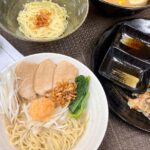
After the painting, you move into the ramen portion. This is where the experience earns its Michelin talk without turning into a stiff food lecture. Musoshin prepares the ingredients professionally and brings them to the workshop. You cook and assemble using what’s been set up for you, so you’re not waiting around for raw components or complicated prep steps.
You can think of it as a build-your-bowl session with coaching. An instructor (like Shin in many sessions) explains how the ramen is made, then walks you through assembling it step by step. In some sessions, you may do quick interactive actions like heating noodles and finishing items like pork with a blowtorch. Don’t expect the class to take you through every homemade step from scratch—your job is to learn the structure and taste how it comes together.
This is also where the process explanation matters. When you arrange toppings yourself, the ramen often lands deeper—because you understand what each component is doing. That’s the “click” moment people talk about: the bowl isn’t just delicious; it feels intentional.
One extra touch: the hosts tend to take lots of photos while you assemble and eat. That means you get keepsake memories alongside the ceramic you made.
The Michelin-Nominated Flavor Engine: Noodles, Soup, and Handmade Foundations
Musoshin’s approach is built around a few key foundations, and you can taste them even if you’re not a ramen nerd. The noodles are made in-shop every morning, then rested overnight. That timing helps the texture hold up in the bowl instead of turning soft too fast.
The soup is cooked for 12 hours. That long cooking time is what gives the broth its depth. The soy sauce and roast pork are also handmade, so the savory notes don’t feel generic or outsourced.
In class, you’re not stuck wondering what’s real and what’s convenient. Ingredients are sourced from Musoshin’s Gion location, and everything is set up so you can assemble a bowl confidently. You’re essentially learning the assembly logic behind the flavor: broth base, noodle handling, and toppings layered in the right order.
Dietary Options That Don’t Feel Like a Compromise
Ramen is usually easy to mess up for dietary needs, but Musoshin offers multiple paths. You can find gluten-free, vegetarian, and vegan ramen options available. That matters because you can plan the class without scrambling for alternatives once you’re in Kyoto.
One practical note: the data doesn’t spell out cross-contact details or kitchen separation. If you have a serious allergy, you should ask the host what gluten-free or vegan means in terms of ingredients and handling. That’s the safe way to avoid surprises.
What’s still worth celebrating is the menu flexibility. You’re not being told to watch others eat while you sip broth. You get a full bowl experience that fits your needs.
You can also read our reviews of more tours and experiences in Kyoto




Family-Friendly Means More Than Kids Like It
This class works well with families because it has two engines that keep kids busy: creative painting and interactive bowl building. Kids can paint and then actively participate in the ramen assembly steps. Hosts are attentive, and they often help children move through each stage without rushing anyone.
The pacing is also built for different ages. Even teens tend to enjoy the cooking side because it feels hands-on and structured, not like a craft project where they’re just holding supplies. Parents also get a bonus: you’re together doing one shared activity, then you sit down and eat immediately—no awkward transition from fun to hunger.
From the way sessions are run, it feels like they’re used to mixed groups. People describe staff staying kind and accommodating, taking photos, and making sure everyone is involved, not just the loudest person in the room.
If you’re traveling solo, it can also work, since it’s offered in small group format. That can make the interaction feel personal rather than rushed.
Price and Value: What $64 Really Buys in Kyoto
At $64 per person (for a 1 hour to 90 minutes experience), you’re paying for more than a meal. You’re buying three things at once:
- A Michelin-nominated Musoshin ramen bowl
- A ceramic keepsake (bowl or spoon, depending on what you choose)
- A kiln firing option for free if you want the piece functional (pickup the next day)
When you think about it that way, the price starts to make sense. In Kyoto, a great ramen meal alone can easily cost a meaningful chunk of that amount, especially if you want something that lives up to the Michelin connection. Here, you add a hands-on art moment and a take-home item without paying extra.
A small caution: the cooking portion is designed to fit the time window. It’s interactive, but it won’t replace a long, deep, multi-hour cooking workshop where you make every sauce component yourself. If that’s exactly what you want, you might feel the ramen assembly is more structured than hands-on-from-scratch. If you want a fun, guided way to understand ramen flavor and leave with a beautiful souvenir, it’s strong value.
If you ask to have your painted items shipped to a future hotel, shipping cost is not included. If you’re tight on luggage space, plan for that reality early.
Timing Tips: How to Plan Your Day Around the Kiln Pickup
The class runs for 1 to 90 minutes, and you’ll want to line it up with a day when you can either:
- Take the ceramic home the same day (for decoration), or
- Pick it up the next day if you choose the kiln firing option (free)
So the “best day plan” depends on your Kyoto rhythm. If you’re doing temples or day trips the next day, consider whether you can spare time to pick up the fired ceramic. If you can’t, take it same day for decoration and still enjoy the artistic souvenir.
Also, keep your expectations simple for the creative phase. You’ll be painting in a live workshop setting, not at a slow art studio. A quick design plan will make you happier in the final photos—and with the finished bowl.
Should You Book This Kyoto Ramen Bowl Workshop?
Book it if you want a single Kyoto activity that mixes craft + food and ends with a bowl you’ll actually crave again. It’s ideal for families, ramen fans who want the process explained clearly, and anyone who likes souvenirs with real heft and personality. The gluten-free, vegetarian, and vegan options also make it easier to include everyone at the table.
Skip it or pair it with a more hands-on cooking experience if your dream is to learn every sauce component and build ramen end-to-end over a longer stretch. This class is still fun and interactive, but it’s intentionally time-efficient, because the broth is built around a longer process that happens behind the scenes.
FAQ
How long is the Kyoto ramen bowl painting and cooking class?
The class runs for about 1 hour to 90 minutes. Check available starting times when you book.
What is included in the price?
Your price includes Michelin-nominated Musoshin Ramen, access to Musoshin’s ramen bowl or spoon (option), a Musoshin bandana (option as listed), and free kiln baking of your designed ceramic.
Can I get gluten-free or vegetarian/vegan ramen?
Yes. Gluten-free options are available, and vegetarian and vegan ramen options are also available.
Can I take the painted ceramic home the same day?
Yes. You can take the ceramic you painted home the same day for decoration. You also have the option to have it fired in the kiln for free, then pick it up after the next day.
What languages do the instructors speak?
The instructor supports English and Japanese.
Is shipping available for the painted items?
Shipping is not included. If you request delivery to your next hotel, shipping cost would apply.