Kyoto has a softer side, and a darker one too. This four-hour Dark Kyoto Tour mixes ghostly stories with the real religion and history behind them, so it feels fun instead of just scary. I like that it pairs big-name places with lesser-seen stops, and I love that the route is guided by Atticus Sims, who brings meaning to every location. One thing to consider: it includes supernatural themes, so if you’re very sensitive to spooky ghost stories, you may want to choose a different style of tour.
You’ll spend the evening with a max of 10 travelers, which makes it easier to hear the stories and ask questions as you walk. I also appreciate the practical pacing: short stops at key sites like Yasaka Shrine, Gion, and Kennin-ji, then a longer temple moment at Kiyomizudera. The main drawback is simply that the tour needs good weather, so you may have a weather-related reschedule or refund.
In This Review
- Key Highlights You’ll Actually Notice on the Walk
- A Four-Hour Kyoto Ghost Walk With Real Cultural Storytelling
- Where You Start at Yasaka Shrine (and Why That Matters)
- Yasaka Shrine: Plague Warding and 9th-Century Meaning
- Gion Back Streets: Famous District, Haunted Side Narratives
- Kennin-ji Temple: Old Zen Roots Behind the Creepy Stories
- Kiyomizudera Temple: UNESCO Views Plus Local Dark History
- Toyokuni Shrine: Hideyoshi’s Enshrinement and Kyoto’s Power Stories
- Price and What $175 Really Buys You
- Mobile Ticket, Small Group Pace, and Easy Getting Around
- Who This Tour Suits Best (and Who Should Think Twice)
- My Booking Advice: When Dark Kyoto Tour Is the Right Move
- FAQ
- How long is the Dark Kyoto Tour?
- Where does the tour start?
- Is admission included for all stops?
- What ticket do I receive?
- How many people are in the group?
- What happens if the weather is bad?
- What is the cancellation policy?
Key Highlights You’ll Actually Notice on the Walk
- Small group setting (up to 10) keeps the vibe personal and the stories audible
- Atticus Sims connects supernatural tales to real Kyoto religion and history
- Kiyomizudera stop includes admission, so you’re not hunting tickets
- A mix of famous and lesser-known sites, including cemeteries and even a haunted candy-store stop (as part of the dark-themed route)
- Short, manageable site timings let you cover a lot without feeling rushed
- Guided focus on culture means you learn why these stories exist, not just that they’re spooky
A Four-Hour Kyoto Ghost Walk With Real Cultural Storytelling
If your Kyoto plan is heavy on temples and light on meaning, this tour is a smart correction. You get creepy legends, yes, but the tour’s real strength is that it ties those stories to how people in Japan understand religion, ritual, and local history.
This is the kind of tour that works whether you’re seeing Kyoto for the first time or coming back for more. The route doesn’t just repeat the obvious photo stops. You’ll hit places like Yasaka Shrine and Gion, then mix in older or more specific stops such as Kennin-ji and Toyokuni Shrine, so the city feels layered instead of one-note.
I also like that the guide’s style is built for conversation. Atticus Sims doesn’t just rattle off facts; he explains what the places meant and why stories grew around them. That’s why the supernatural parts land as entertainment with context, not as random horror.
You can also read our reviews of more tours and experiences in Kyoto.


Where You Start at Yasaka Shrine (and Why That Matters)
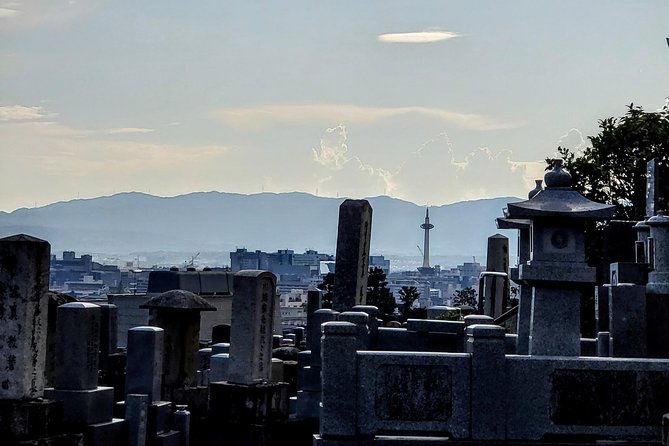
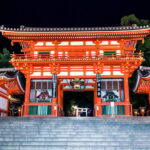
The meeting point is Yasaka Shrine (625 Gionmachi Kitagawa, Higashiyama Ward, Kyoto, 605-0073, Japan). Starting here is a good choice because it sets the theme early: Kyoto’s dark side isn’t separate from daily life. It’s woven into how communities respond to fear—especially fear from illness, spirits, and the unknown.
From a practical standpoint, this also helps you orient yourself. Even before you reach the more tourist-thick streets, you’re already walking through the cultural logic that makes the stories make sense.
Yasaka Shrine: Plague Warding and 9th-Century Meaning
Stop 1 is Yasaka Shrine, with a roughly 15-minute visit. Admission here is free. The standout detail is the shrine’s historic role in attempts to ward off a plague that struck Kyoto in the 9th century CE.
That historical anchor changes how you hear everything else on the route. When you understand that fear has long driven rituals and shrines, the supernatural storytelling becomes less about jump scares and more about the human need for protection and explanation. In other words: the “dark” theme has a reason to exist.
A short stop is actually a plus on this kind of tour. It keeps the energy moving while you still get the key context. If you want a longer, slower shrine experience, you can always add time on your own later—but for a themed guided evening, 15 minutes is a good match.
Gion Back Streets: Famous District, Haunted Side Narratives
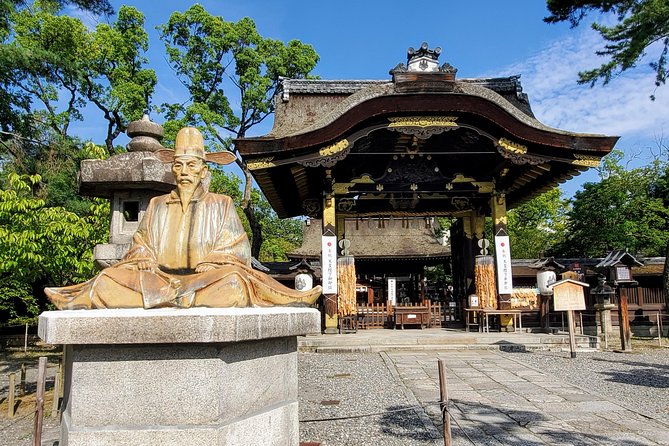
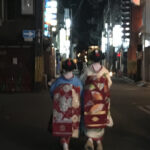
Stop 2 is Gion, planned for about 30 minutes, with no admission cost listed. This is where you see the “big-name” Kyoto everyone talks about, but with a twist: the back streets and the side stories that don’t show up in postcards.
The tour frames Gion’s reputation through local haunting tales. You’re not just walking through a historic entertainment district; you’re hearing why certain legends stick to certain streets and structures.
This is also where you’ll feel the tour’s balance. The stories are meant to be entertaining, including supernatural ideas, but they’re framed through culture and history. That’s a major reason the tour is described as suitable for people who aren’t too sensitive to scary ghost stories.
If you like walking neighborhoods more than museum browsing, you’ll probably enjoy this segment most. You get atmosphere without needing to stand in long lines.
Kennin-ji Temple: Old Zen Roots Behind the Creepy Stories
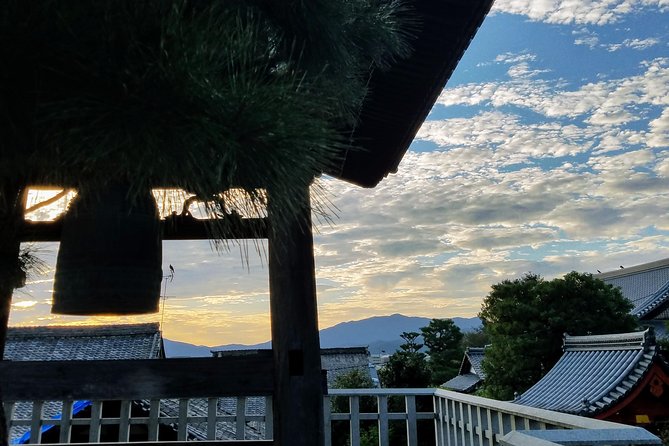
Next up is Kennin-ji Temple, about 15 minutes, with admission free. The big fact here is that it’s the oldest Zen temple in Japan.
That detail matters because Zen history and the supernatural aren’t usually presented together in a standard Kyoto itinerary. Here, they’re connected. You hear the darker legends in a place that represents discipline, practice, and long continuity.
This is a good stop for anyone who likes the quiet side of Kyoto but still wants the eerie angle. The tour’s strength is in connecting seemingly different things: fear and ritual on one end, and spiritual tradition on the other.
The only real caution is that this stop is short. You won’t get an in-depth temple study the way you might on a dedicated temple tour. But within a four-hour thematic walk, the goal is to give you enough story fuel to explore on your own afterward.

Kiyomizudera Temple: UNESCO Views Plus Local Dark History
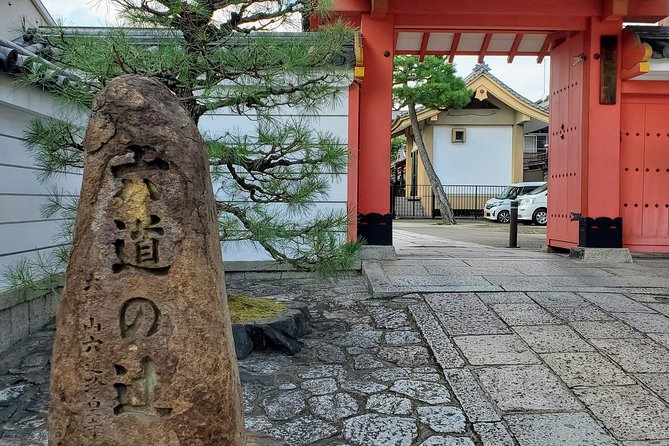
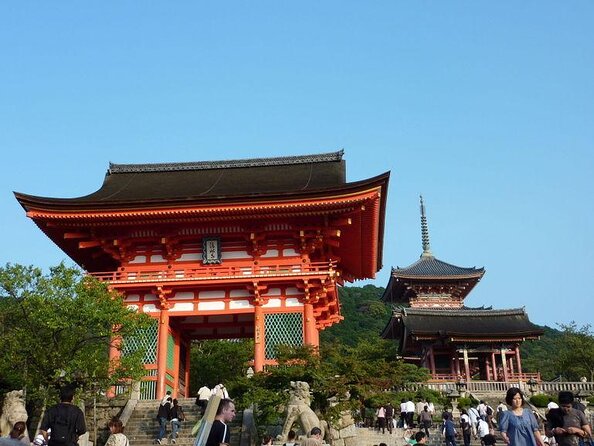
Stop 4 is Kiyomizudera Temple, with an about 30-minute visit. Admission is included here. This stop is a UNESCO World Heritage Site, and it’s also known locally for its dark history.
Kiyomizudera is one of those Kyoto landmarks that can feel overwhelming if you don’t know what you’re looking for. The themed format helps because the guide gives you a story lens. You’re not only seeing the architecture or grounds; you’re learning why certain legends and interpretations became attached to this kind of sacred location.
With the longer timing and admission included, this is the segment that feels most “anchor-like” in the tour. It’s also the stop where you’ll likely get the most value if you’re a returning visitor. Seeing Kiyomizudera is common; understanding its local darker storytelling traditions is less common.
One practical consideration: UNESCO sites can bring bigger crowds. The tour won’t eliminate that, but a guided route and tight timing help you use your time well.
Toyokuni Shrine: Hideyoshi’s Enshrinement and Kyoto’s Power Stories
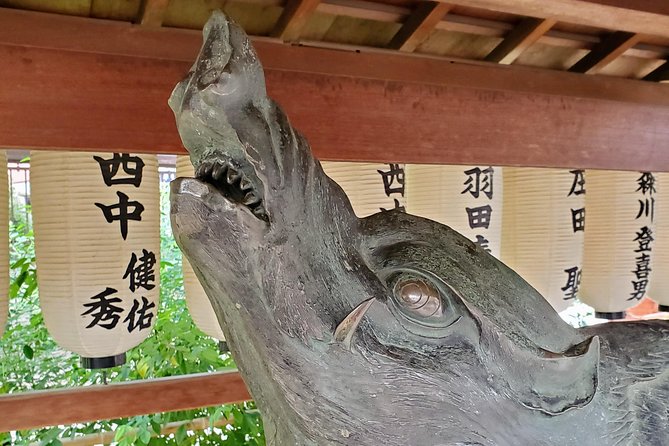
Stop 5 is Toyokuni Shrine, roughly 10 minutes, with free admission. This is where shogun Hideyoshi is enshrined.
Hideyoshi isn’t just a footnote here. Political power, social change, and public memory all have a way of feeding legends. When the tour puts Hideyoshi into the same “dark Kyoto” theme, it highlights a point worth remembering: haunting tales often grow around authority, tragedy, and what people fear might happen again.
The short timing suggests this is a quick, focused stop—a closing note that ties the route’s cultural strands together. If you enjoy history more than ghost stories, you may find Hideyoshi’s presence surprisingly satisfying as a final beat.
Price and What $175 Really Buys You
The tour costs $175 for about 4 hours. On the surface, that can feel steep compared with standard walking tours. Here’s why it can still be good value for the right traveler.
First, you’re paying for a guided experience that’s built around story interpretation, not just site access. Atticus Sims isn’t presented as a passive guide handing out trivia; the tour’s premise is that you’ll understand religion, culture, and history through the dark lens.
Second, it’s small: up to 10 travelers. Smaller groups often mean a better conversation experience—especially for a storytelling-heavy tour where you want to hear everything clearly.
Third, the schedule includes at least one paid element: Kiyomizudera admission is included. That doesn’t automatically make the price a bargain, but it helps keep the tour simple and reduces last-minute logistics.
Finally, you get a route that mixes big and lesser-known spots. If you’ve done the “greatest hits” Kyoto tour cycle already, the value is in the variety: shrines, a Zen landmark, and themed stops you might not seek out alone, including cemeteries and a haunted candy-store-style stop.
If you’re the type who prefers self-guided Kyoto, you might skip this. But if you want a guided story that makes the city’s legends feel understandable, $175 starts to make more sense.
Mobile Ticket, Small Group Pace, and Easy Getting Around
You’ll receive a mobile ticket, which is convenient and reduces paper hassle. The tour also runs near public transportation, which matters because Kyoto walking can wear you out fast if you’re bouncing between far-flung neighborhoods.
The pacing is built for a themed walk: short stops (10–15 minutes) interspersed with a longer pause at Kiyomizudera. That pattern keeps you from spending too long in one place while the story energy drains.
Also, service animals are allowed, and it’s described as suitable for most travelers. If you’re comfortable doing city walking for about four hours, this should fit most plans.
Who This Tour Suits Best (and Who Should Think Twice)
This tour is a strong match if you want Kyoto with a twist. I think it’s especially good for:
- First-time visitors who want context behind the temples, not just photos
- Returning travelers who want a different angle on familiar places like Gion and Kiyomizudera
- Couples and families looking for something entertaining that still teaches you about culture and religion
- People who can handle spooky stories, but want them moderated by explanation
It may be less of a fit if you’re very sensitive to ghost stories. The tour is explicitly positioned as not for the most easily spooked end of the spectrum. In practice, that means you should expect a creepier tone than a standard cultural walk.
My Booking Advice: When Dark Kyoto Tour Is the Right Move
I’d book this if your Kyoto trip needs a “story thread.” Without a guide, it’s easy to see shrines and temples as separate checkboxes. This tour connects them through fear, belief, and historical context, which makes the whole city feel more coherent.
Also, the small group size and the conversational guide approach make it feel like you’re getting a guided experience, not a performance you’re forced to watch from the back.
If you’re going in with realistic expectations, it’s a great evening option. You’ll learn real cultural background while getting entertained by ghostly, supernatural, and haunted-side stories. Just plan to be out walking for a few hours, and keep weather in mind.
FAQ
How long is the Dark Kyoto Tour?
The tour lasts about 4 hours.
Where does the tour start?
It starts at Yasaka Shrine, 625 Gionmachi Kitagawa, Higashiyama Ward, Kyoto, 605-0073, Japan.
Is admission included for all stops?
Admission is included for Kiyomizudera Temple. The other stops listed are free.
What ticket do I receive?
You receive a mobile ticket.
How many people are in the group?
The tour has a maximum of 10 travelers.
What happens if the weather is bad?
The tour requires good weather. If it’s canceled due to poor weather, you’ll be offered a different date or a full refund.
What is the cancellation policy?
You can cancel for free up to 24 hours in advance for a full refund. Canceling less than 24 hours before the start time does not get refunded.