REVIEW · KYOTO
Nishiki Market, Private Sushi class & Sake Tasting in Townhouse
Book on Viator →Operated by ホプテラス · Bookable on Viator
Sushi lessons and sake, in an old Kyoto house. This small-group experience blends a guided stroll through the 400-year-old Nishiki Market, a stop at Nishiki Shrine, and a hands-on cooking session in a preserved Kyomachiya townhouse with a mini sake tasting. You’ll leave with food you helped make—and notes you can actually use later at home.
I especially like two things: the market walk with tastings that teaches you what Kyoto cooks use day to day, and the step-by-step cooking time where you make rolled sushi and miso soup with dashi yourself. The guides also come off as calm and attentive, which matters when you’re learning techniques in a real kitchen.
One thing to consider: it’s a walking + cooking combo for about 2–3 hours, and alcoholic beverages are included, so if you don’t drink, you’ll want to plan for how you’ll handle that during the sake tasting portion.
In This Review
- Key highlights worth your attention
- Nishiki Market: the 5-block food street where Kyoto shops for dinner
- Nishiki Shrine: a short cultural breather behind the lantern lanes
- Kyomachiya townhouse cooking space and sake tasting
- Rolled sushi workshop: you make it, not just watch it
- Miso soup from scratch with dashi: the flavor foundation
- The rest of the meal: seasonal side dishes and a simple dessert
- Vegetarian and vegan options: how to make this work for your diet
- Price and timing: what you’re paying for at $121.84
- Where it starts and ends: near Gojo, easy to plug into your day
- Who should book this Kyoto townhouse sushi class?
- Tips to get more out of it (so you remember the flavors)
- Should you book? My straight answer
- FAQ
- How long is the Nishiki Market and sushi-making experience?
- Is the tour private?
- Does it take place in English?
- What’s included in the price?
- Is vegetarian or vegan food available?
- Where do I meet the group and where does it end?
- Is there free cancellation?
Key highlights worth your attention
- Nishiki Market in walking distance form: a 5-block, long-running food shopping street with lots to sample.
- Nishiki Shrine stop: tucked behind the lantern-lined market lanes, for a quick palate-and-culture reset.
- Kyomachiya townhouse reserved for your group: a traditional wood townhouse setting, restored and quiet.
- Mini sake tasting with your host: you learn the basics of Japan’s sake culture in context.
- Hands-on rolled sushi + miso soup from scratch: dashi and technique, not just watching.
- Recipe booklet included: so you can recreate the flavors later, not just take photos.
Nishiki Market: the 5-block food street where Kyoto shops for dinner
The experience starts with a guided stroll through Nishiki Market, known as Kyoto’s Kitchen. It’s a compact, 5-block stretch packed with more than 100 shops and places to eat. The walking pace is friendly enough to take it all in, and the guide points out what matters rather than making it feel like a rushed checklist.
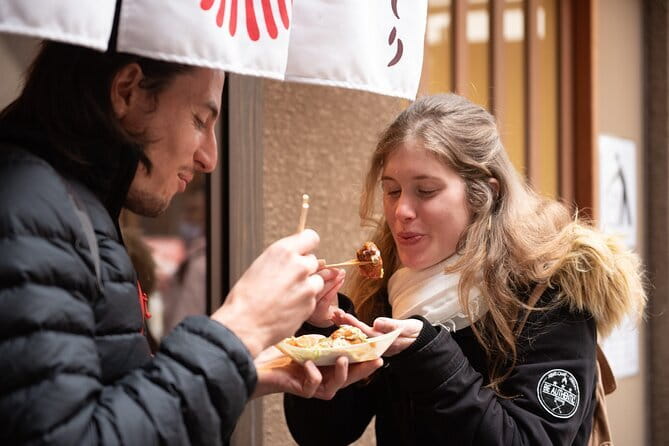
What I like about this part is that it’s not only visual. You get to taste seasonal treats along the way, then learn how ingredients connect to Kyoto’s style of cooking. You’ll see fresh seafood and seasonal vegetables, plus the kinds of preserved and dried foods that Japanese cooks rely on for flavor all year. That matters because when you later make sushi and miso soup, you start noticing how certain tastes are built—umami, balance, and that clean finish Kyoto is famous for.
A practical note: Nishiki is active, so comfortable shoes help. You’ll be on your feet for a while, and you’ll want to stay present when you’re sampling and learning.
You can also read our reviews of more food & drink experiences in Kyoto

Nishiki Shrine: a short cultural breather behind the lantern lanes
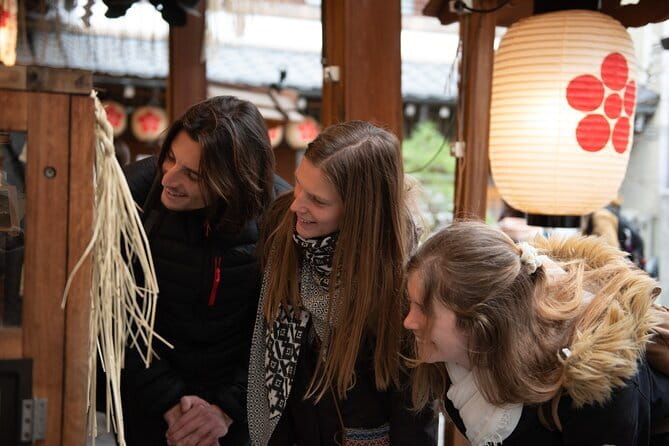
After the market, the tour heads to Nishiki Shrine, tucked away behind the market’s lantern-lined alleyways. This isn’t a long museum-style stop. Think of it as a reset: you step out of the shopping noise and into a calmer pocket of Kyoto before returning to food.
I like adding a shrine stop here because it changes the mood right when your senses get full. You’ve just been tasting and looking at ingredients; a brief cultural pause helps you process what you’ve seen, and you’re more ready to focus once you reach the townhouse kitchen.
Kyomachiya townhouse cooking space and sake tasting
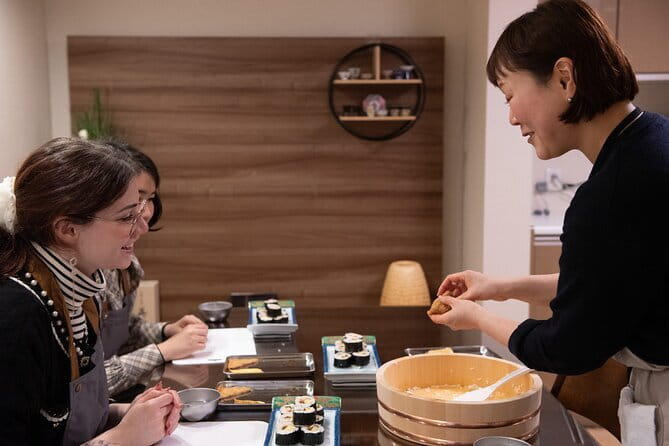
Next comes the main setting change: you move into a traditional Kyomachiya (a restored Kyoto townhouse) that’s reserved exclusively for your group. This matters more than it sounds. A townhouse kitchen feels like you’re learning inside a home, not in a warehouse classroom. The atmosphere is part of the experience—the pace feels slower, and you get that sense of old Kyoto architecture that’s hard to recreate elsewhere.
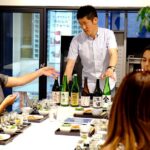
Then there’s the mini sake tasting. It’s short, but it’s framed as part of Japanese sake culture rather than just a drink stop. You learn the cultural context, and it pairs naturally with the cooking portion that follows. Even if you’re not a sake expert, the timing is smart: you taste first, then you cook, and the flavors start making more sense when you’re working with seasoning, dashi, and balance.
The experience runs in English, and you’ll have a recipe booklet included. That combination is one of the biggest value boosters on this kind of class because you can recreate what you made instead of guessing later.
Rolled sushi workshop: you make it, not just watch it
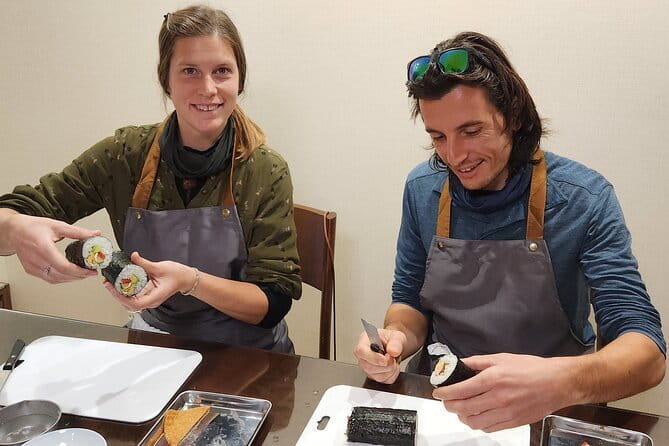
The highlight is the hands-on sushi work. You’ll learn how to roll sushi with a local instructor. This is not “sit and observe” learning. You prepare the sushi yourself, step by step, and you’re guided in the technique—especially how to handle the rice and build a roll that holds together.
If it’s your first time, you’re not in trouble. The format supports beginners. One participant story described taking on the challenge of sushi rolling from scratch and doing the work with fewer constant interventions than you might expect. That’s a good sign: you’re taught enough to proceed, then you’re trusted to try.
What I find useful here is that the lesson is practical. You get the logic behind the process—how each stage affects the next—so the final roll isn’t just a one-time event. With the recipe booklet, you can apply the method again later, even if you don’t remember every detail perfectly.
Miso soup from scratch with dashi: the flavor foundation
Alongside sushi, you’ll make homemade miso soup from scratch, including dashi. This is one of the best parts for people who want more than a single dish lesson. Dashi is the backbone of a lot of Japanese cooking, and when you build it yourself, miso stops being a mysterious packaged ingredient and becomes something you understand.
The process also teaches patience and attention. Soup is forgiving in some ways—things taste good even if they’re not perfect on the first try—but dashi and seasoning choices still matter. When you finish and taste your own work, you’ll know what you made and why it tastes the way it does.
If you’ve cooked only Western-style meals at home, this section is a strong “transferable skill.” Even when you don’t cook sushi again, you’ll likely use the dashi idea in other recipes that call for broths, stocks, or soup bases.
You can also read our reviews of more private tours in Kyoto


The rest of the meal: seasonal side dishes and a simple dessert
Beyond sushi and miso soup, you’ll also prepare seasonal Japanese side dishes. Seasonal here isn’t marketing fluff; the point is that Japanese menus shift with the time of year. That’s one reason the class feels tied to Kyoto rather than generic Japanese-food cosplay.
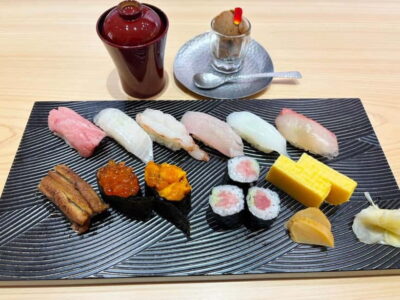
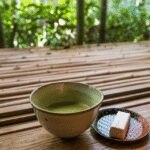
A simple Japanese-style dessert finishes things off. It’s not an elaborate finale; it’s a clean, gentle end to a meal that started with savory flavors. That “sweet touch” matters because it balances the overall tasting arc from market samples to sushi to soup.
Also, the class includes lunch as part of what you eat during the session. And alcoholic beverages are included, which ties back to the sake tasting portion.
Vegetarian and vegan options: how to make this work for your diet
The experience offers vegetarian and vegan options with advance notice. That’s important, because sushi classes can be tricky if you’re avoiding fish-based ingredients or want to skip certain broths.
What I recommend: when you book, mention dietary preferences clearly and early. That gives the provider the best chance to adjust ingredients without rushing last-minute swaps.
Price and timing: what you’re paying for at $121.84
At $121.84 per person, this is not a bargain-basement cooking class. But it’s also not overpriced for what’s included. You’re paying for a guided market experience, a private reserved townhouse setting, an instructor-led sushi workshop, and the included meal elements—lunch, alcoholic beverages, and a recipe booklet.
Duration is about 2 to 3 hours, which is a sweet spot. You get hands-on cooking time without burning an entire afternoon. It’s also common for this type of experience to book up, and the average booking lead time is listed at about 98 days. Translation: if your Kyoto dates are fixed, book sooner rather than later.
You’ll also receive a mobile ticket, and the tour is private in the sense that only your group participates. That’s a big deal for learning because it keeps the instructor focused and the pace comfortable.
Where it starts and ends: near Gojo, easy to plug into your day
The start point is 79 Nishiuoyachō, Shimogyo Ward, Kyoto. The end point is 96-13 Asazumachō, Shimogyo Ward and it’s described as a 5-minute walk from Gojo Subway Station.
This is practical. You can connect it to the rest of your Kyoto plan without needing a major detour. If you’re spending time around the Gojo area anyway, the logistics are straightforward.
Also, it’s listed as having a restroom on board. Even though this is a walking-and-cooking experience, it’s a helpful detail if you’re timing your day with other stops.
Who should book this Kyoto townhouse sushi class?
I think this works best for:
- Food-first visitors who want more than a generic sushi meal and prefer learning ingredients and technique.
- First-timers who want guided sushi rolling without stress.
- People who like structure: market walk, shrine pause, townhouse cooking, then a clear finish with dessert.
It may not be ideal if:
- You don’t want any walking at all (it’s a market stroll plus travel between stops).
- You strongly dislike alcohol and don’t want to participate in a sake tasting that includes alcoholic beverages.
Tips to get more out of it (so you remember the flavors)
- Wear shoes you can stand in. Market time adds up fast.
- Go hungry, but not frantic. You’ll be tasting and then eating lunch, plus you’ll cook.
- Pay attention during the dashi and seasoning steps. That’s where the class becomes reusable at home.
- Use the recipe booklet right away. Flip through when you’re done so you don’t lose details while they’re still fresh.
- If you’re vegan or vegetarian, confirm your preferences in advance so ingredients are aligned to your needs.
Should you book? My straight answer
If you want a Kyoto experience that mixes market education with real cooking skill, I’d book this. It’s a smart way to spend a few hours because you’re not just eating—you’re learning how Kyoto’s flavors are built, from dashi-based miso soup to rolled sushi technique. The private townhouse setting and the included recipe booklet make it feel worth the price, not just like a one-day activity.
If you’re only looking for a quick sushi lunch, you might feel this is more time and effort than you need. But if you want hands-on food, a guided story around ingredients, and a setting that feels like Kyoto rather than a generic classroom, this hits the mark.
FAQ
How long is the Nishiki Market and sushi-making experience?
It runs for approximately 2 to 3 hours.
Is the tour private?
Yes. It’s described as a private tour/activity, with only your group participating.
Does it take place in English?
Yes, the experience is offered in English.
What’s included in the price?
Included items are lunch, alcoholic beverages, a guide, and a restroom on board. Admission tickets for the stops are free as listed. Snacks are not included.
Is vegetarian or vegan food available?
Yes, vegetarian and vegan options are available if you provide advance notice.
Where do I meet the group and where does it end?
You start at 79 Nishiuoyachō, Shimogyo Ward, Kyoto. It ends at 96-13 Asazumachō, and that location is about a 5-minute walk from Gojo Subway Station.
Is there free cancellation?
Yes. Free cancellation is available up to 24 hours in advance for a full refund.