REVIEW · KYOTO
Kyoto: Japanese Hair Accessories & Brooch Workshop
Book on GetYourGuide →Operated by Limited Liability Company Coko · Bookable on GetYourGuide
Kyoto’s hair accessories are surprisingly personal. This hands-on 90-minute workshop lets you design a one-of-a-kind piece using traditional materials, and you’ll wear a free haori jacket while you make it. I especially love getting to choose my own colors and materials, and I like that the finished accessory works as either a hair ornament or a brooch. One thing to consider: it’s a short, focused craft session, so it’s not the best fit if you’re looking for a lot of sightseeing time baked in.
You’ll be in central Kyoto near Nijo Castle, close to the action around Gion, Kawaramachi, Arashiyama, and Karasuma. The vibe is calm and family-friendly, and instructors like Mikiko-san (and also Ayumi-san) come across as patient, clear, and invested in helping you finish something you’ll actually want to wear. If you show up in comfy clothes and bring a camera, you’ll leave with a souvenir you made yourself—plus tea and sweets, a certificate, and an extra handmade gift.
In This Review
- Key Things You’ll Notice in This Workshop
- The Nijō Castle Area Makes This Easy to Fit Into Kyoto
- Your Finished Piece: A Hair Ornament or Brooch You’ll Actually Use
- The 90 Minutes, Step by Step: What Happens During the Session
- Washi, Mizuhiki, Origami, and Artificial Flowers: The Fun Part Is Picking Your Style
- Wearing the Haori Jacket: It’s More Than a Costume
- Tea, Sweets, Certificate, and a Handmade Souvenir: The Keepsake Stack
- Price and Value: What $80 Buys You in Kyoto
- Who Should Book This Workshop (and Who Might Skip It)
- Practical Tips for the Best 90 Minutes
- Should You Book Kyoto: Japanese Hair Accessories & Brooch Workshop?
- FAQ
- How long is the workshop?
- What will I make during the workshop?
- What materials are used for the accessory?
- Is the haori jacket included?
- What’s included besides the craft?
- Is this workshop family-friendly for kids?
- What languages are spoken by the instructor?
Key Things You’ll Notice in This Workshop
- Two-way accessory design: your creation can be worn as a hair ornament or a brooch
- Traditional materials, real craft time: washi paper, mizuhiki cords, origami, and artificial Japanese flowers
- Wear a haori jacket: free rental during your session, so you look the part while you work
- You choose the look: color and material selection drives the final style
- More than one keepsake: a completion certificate plus a handmade souvenir
- Tea break included: Japanese tea with sweets wraps up the experience
The Nijō Castle Area Makes This Easy to Fit Into Kyoto
Location matters when you’re trying to piece together a Kyoto day. This workshop sits in central Kyoto, near Nijō Castle—close enough to pair with a castle visit or to use it as a break between neighborhoods.
I like that you’re not stuck far out in the suburbs. From here, it’s straightforward to get to major Kyoto areas like Gion, Kawaramachi, Arashiyama, and Karasuma, so this craft time doesn’t feel like a detour.
The practical advantage: you can plan it like a reset. Kyoto can be a lot—temples, crowds, walking, and constant decision-making. A craft workshop gives you a “different kind of travel” that’s slower and quieter.
You can also read our reviews of more tours and experiences in Kyoto

Your Finished Piece: A Hair Ornament or Brooch You’ll Actually Use
The core idea is simple and smart: you create a single accessory with two possible uses. In other words, you’re not just making something for a shelf. Your design can function as a hair ornament or as a brooch, depending on what you want that day.
That flexibility is a big value point. Brooches are practical for jackets, bags, and everyday outfits. Hair ornaments can make simple hair styles feel more special, especially for photos. Either way, you’ll have a wearable memory instead of another object you’ll forget in a drawer.
Also, because you can build it to match modern and more traditional looks, you’re not locked into one style. You get room to shape the aesthetic with the materials and colors you pick.
The 90 Minutes, Step by Step: What Happens During the Session
This is a single 90-minute workshop, not a multi-stop tour. What you’ll do in those 90 minutes matters, so here’s the rhythm you can expect.
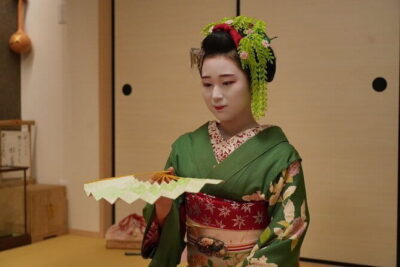
First, you’ll get set up for crafting. The instruction is professional, and it’s delivered by a teacher who wears a kimono. You’ll be guided in English and Japanese, so the process stays accessible even if your Japanese is basic.
Next comes the design phase. You’ll choose colors and materials, and the teacher helps you translate your ideas into a finished accessory. The craft isn’t vague or hands-off—you’re working with the materials, assembling your own piece, and making creative decisions that affect the final look.
Once the main crafting is done, you’ll get a photo session with your creation and your outfit. That matters more than it sounds. In a place like Kyoto, photos are usually about buildings and streets. Here, your handmade accessory becomes the subject, and you’ll get a clear “I made this” memory.
Finally, the workshop wraps with included extras: Japanese tea and sweets, plus a completion certificate and a handmade souvenir. You’re not just leaving with a product. You leave with a small set of keepsakes that connect to the effort you put in.
Washi, Mizuhiki, Origami, and Artificial Flowers: The Fun Part Is Picking Your Style
The materials are what make this feel authentically Japanese rather than generic souvenir-making. You’ll work with traditional elements like washi (Japanese paper) and mizuhiki cords, along with origami and artificial Japanese flowers.
Here’s what I think you’ll enjoy most: the choices are visual, but they also guide technique. If you pick certain colors or textures, the final arrangement changes. That’s how you get a piece that feels personal, not mass-made.
You’ll also get guided help on how the pieces come together. That’s where good instruction makes a difference. In practice, instructors like Mikiko-san are described as kind and patient, and Ayumi-san is noted as similarly warm. Even if your hands are not “craft hands,” you should feel supported enough to finish without stress.
If you’re worried about whether you’ll be “good at crafts,” don’t. The point is expression. Your decisions matter more than perfection.
Wearing the Haori Jacket: It’s More Than a Costume
You don’t just watch someone else build something. You’ll wear a haori jacket during the workshop, and the rental is included.
This is one of those “small details” that changes your whole experience. The jacket puts you in the setting right away. It also helps you remember that you’re doing an activity tied to Japanese fashion culture, not just making a paper ornament.
Plus, because you’ll have a photo moment at the end, you’re not guessing what to wear for pictures. You show up, put on the haori, craft your accessory, and then you get that photo session while everything still looks fresh.
All you really need to do is wear comfortable clothes under it. The workshop itself isn’t described as requiring anything technical from a dress code standpoint, so you can keep it practical.




Tea, Sweets, Certificate, and a Handmade Souvenir: The Keepsake Stack
One reason I like this workshop is that it doesn’t treat the craft as the only payoff. You’ll get multiple “value items” tied to the experience.
Included are:
- a certificate of completion
- your handmade souvenir (in addition to the accessory you make)
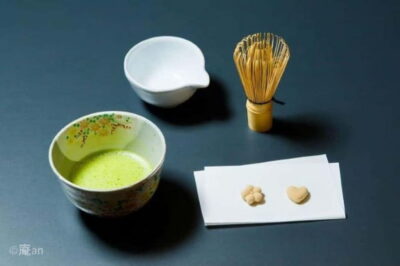
- Japanese tea and sweets
That matters because it extends the sense of closure. Many workshops hand you one object and you’re done. Here, the certificate gives you a formal-ish memory, the extra souvenir gives you a gift option, and the tea/sweets round out the feeling that you’re participating in a small cultural moment.
And yes, the tea and sweets are also a useful break. After you’ve focused on fine details for a while, having something warm and sweet helps you reset before the final photos.
Price and Value: What $80 Buys You in Kyoto
Let’s talk money in real terms. The price is $80 per person for a 90-minute workshop, including materials, instruction, a haori rental, tea and sweets, and several keepsakes.
If you’re comparing this to “make one thing and leave” activities, the value here is in the total bundle:
- traditional crafting materials (not just a low-cost kit)
- professional guidance in English and Japanese
- haori jacket rental during your session
- certificate and an additional handmade souvenir
- tea and sweets
From a practical travel perspective, you’re paying for guided cultural making, plus the type of outputs that don’t fade after a photo. A handmade accessory is something you can actually use during your trip—and potentially afterward.
The only “cost consideration” I’d flag is timing. Since this is a single 90-minute session, you’ll want to schedule it when you’re not rushing to the next big thing immediately. Your best experience will come when you can slow down and enjoy the process.
Who Should Book This Workshop (and Who Might Skip It)
This workshop is a good match for a wide range of people. The activity is family-friendly, and it has a kid-friendly version of the workshop available.
It’s also a great option for:
- solo travelers who want something social but not forced
- couples who like doing something distinct from standard Kyoto sightseeing
- groups who want a shared activity that ends with everyone taking home something meaningful
You might want to skip it if you’re the kind of traveler who only wants outdoor time, big scenic stops, or long guided walks. This isn’t a full-day experience. It’s a crafted pause.
Practical Tips for the Best 90 Minutes
To get the most out of your session, treat it like a “creative appointment,” not like a quick craft stop.
Bring:
- a camera
- comfortable clothes
Why these two? The camera is for your photo session with your creation and haori jacket. Comfortable clothes help you work freely, sit comfortably, and move without fuss through the full 90 minutes.
Also, plan your day so you’re not arriving rushed. You’ll be choosing colors and materials, working with multiple traditional components, and taking part in tea and sweets afterward. That all feels better when you’re not sprinting across Kyoto.
If you can, schedule it somewhere sensible between neighborhoods—especially since you’re near Nijo Castle and not far from the Gion/Kawaramachi area.
Should You Book Kyoto: Japanese Hair Accessories & Brooch Workshop?
If you want a hands-on Kyoto memory you can wear, this is an easy yes. The combination of traditional materials, a teach-led process, and tangible keepsakes (certificate, handmade souvenir, plus tea and sweets) makes it good value for $80.
Book it if you:
- like crafts but don’t want to be left alone with a confusing kit
- want something flexible enough to wear as a hair ornament or brooch
- enjoy photo moments that aren’t only about temples and streets
- want a calm, family-friendly activity near Nijō Castle
Skip it if:
- you only have time for major sightseeing and don’t want a craft-focused block
- you strongly dislike any situation involving careful handwork
FAQ
How long is the workshop?
The workshop lasts 90 minutes.
What will I make during the workshop?
You’ll create a two-way accessory that can be worn as a hair ornament or a brooch, using traditional Japanese materials.
What materials are used for the accessory?
The workshop uses traditional materials such as washi paper, mizuhiki cords, origami, and artificial Japanese flowers.
Is the haori jacket included?
Yes. A haori jacket rental is included during the workshop.
What’s included besides the craft?
Your package includes a certificate of completion, a handmade souvenir, and Japanese tea with sweets, plus the crafting materials.
Is this workshop family-friendly for kids?
Yes. Children are welcome, and there is a kid-friendly version of the workshop available.
What languages are spoken by the instructor?
The instructor provides support in English and Japanese.