REVIEW · KYOTO
Kyoto: Private Walking Tour with a Local
Book on GetYourGuide →Operated by Lokafy · Bookable on GetYourGuide
Kyoto gets better with a local in your pocket. This private walking tour with a Lokafy guide is interesting because the day is shaped around you, not a fixed checklist, and you’ll get lots of real local guidance without scripted stops. You’re walking through neighborhoods while the guide steers you toward what fits your mood.
I like two things a lot: first, the tailored route—if you want temples, markets, street culture, or just orientation, the walk can flex. Second, you’re more likely to hit the quieter side of Kyoto, the kind of place where guides like Agustin have taken people to temples off the main trails during autumn color season, or where Maha has pointed folks toward her favorite riverside spot for sashimi.
The main drawback to consider is simple: it’s still a walking tour, usually 3 to 6 hours, so if you want lots of hopping around with minimal walking, you may need a more car-heavy plan and you’ll pay for taxis or public transport out of pocket.
In This Review
- Key things that make this tour work
- Why this Kyoto walk feels personal (not scripted)
- Meeting up in Kyoto: pickup points and what “central” means
- The 3 to 6 hour rhythm on foot: what the day actually looks like
- What you might see: temples, shrines, and markets without the crowd rush
- Food and shopping: getting recommendations that actually match your day
- Price and value: is $82 per person worth it?
- Getting around when your feet need a break
- Languages and how that changes the whole experience
- Who should book this tour—and who might not
- Should you book this Kyoto Private Walking Tour?
- FAQ
- How long is the Kyoto private walking tour?
- What does the tour cost?
- Is this tour private or shared?
- Where will I meet the guide?
- What languages are available for the live guide?
- What’s included and what’s not?
- If I want to enter an attraction, who pays the entrance fees?
- Is the tour wheelchair accessible?
- What is the cancellation policy?
Key things that make this tour work
- Your route changes with your interests instead of marching you through the same photo spots
- Less-crowded temple and shrine time when your guide knows where to go
- Local food and shopping leads that feel like a friend’s recommendation
- Good navigation help including tips for trains and getting back together on the route
- Language support in Spanish, English, or German so you can actually talk
- Wheelchair-accessible planning with guides who know how to pace for limited mobility
Why this Kyoto walk feels personal (not scripted)
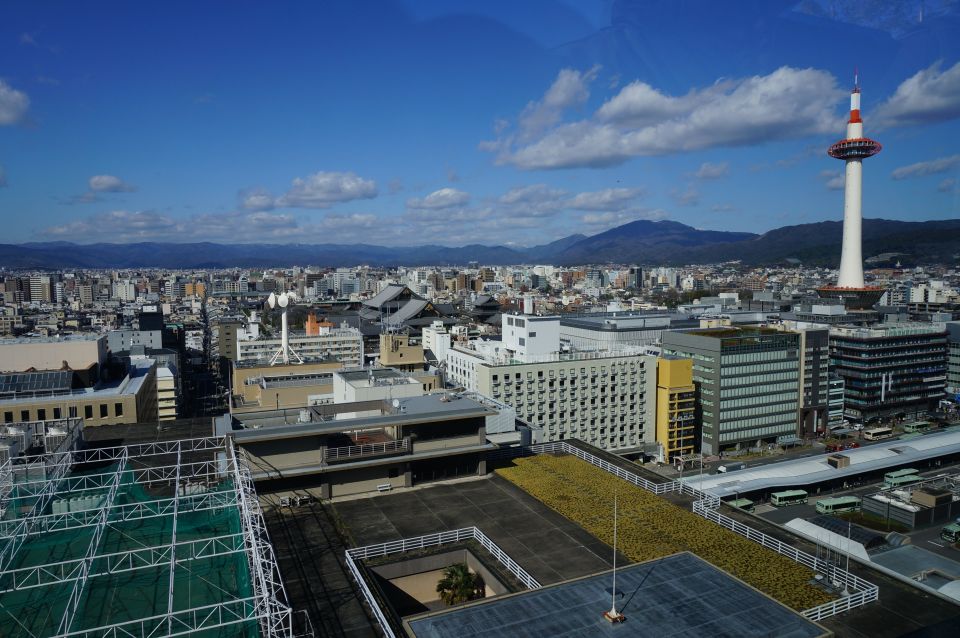
Kyoto can be overwhelming on your own. Streets are narrow, neighborhoods feel different block to block, and it’s easy to miss the parts that make the city click. This tour tackles that by treating you like a person, not a ticket.
The best part is the way the guide listens first. You’re not stuck with a lecture. You’re having a conversation, then walking off with a plan that matches your curiosity—whether that’s street culture, a calmer courtyard café stop, or a temple moment away from the busiest flows.
And there’s real value in that social angle. One strong theme in the guide style here is humor and friendliness. You’ll feel comfortable asking questions, changing direction when something catches your eye, and slowing down when your legs say no.
You can also read our reviews of more walking tours in Kyoto

Meeting up in Kyoto: pickup points and what “central” means

Getting started smoothly matters, especially when you’re walking. This tour gives you two official pickup options, plus the option to begin right near where you’re staying.
You can meet at MACCHA HOUSE Kyoto Kawaramachi, or at the Kyoto City Cultural Affairs Citizens Bureau, Gender Equality Promotion Section area (the address is listed in Japanese). If you’d rather start from your lodging, you can begin from your hotel lobby or just outside your Airbnb, as long as it’s a centrally located landmark or intersection within the city center.
Practical tip: pick your meeting point carefully. If you’re using a rideshare or train, you’ll want a spot with clear street-level landmarks so your guide can find you fast.
The 3 to 6 hour rhythm on foot: what the day actually looks like
Even though the route is customized, the structure stays easy to understand. You’ll start with pickup, then move into walking time with photo stops and sightseeing along the way. Think of it as guided wandering with purpose.
Here’s how the experience usually “feels”:
- You get a walk that combines orientation with moments that feel local
- You pause for viewpoints and photos when the streets open up
- Your guide keeps you moving, but not at a pace that ignores your interests
Because it’s private, you can also adjust the tone. If you want a heavier history-and-culture focus, you can. If you’d rather spend more time eating and browsing, you can. Some guides also help with small logistics, like showing how to move around by train and confirming meeting points so you don’t lose the thread halfway through.
Comfort note: bring shoes you can trust. Kyoto sidewalks can be uneven, and your route can include longer stretches depending on what you request.
What you might see: temples, shrines, and markets without the crowd rush
The tour is built for flexibility, which is good news in Kyoto. The city has multiple “Kyotos” happening at once: quiet neighborhoods, lively shopping streets, and major sights packed with visitors. A local guide helps you pick which one you want, and when.
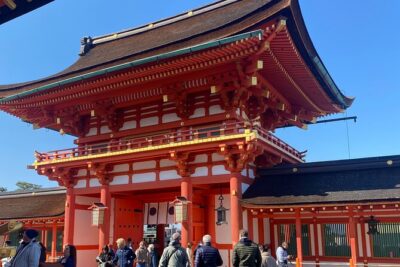
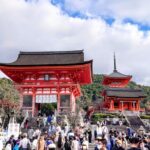
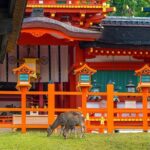
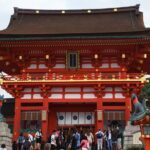
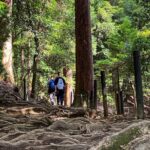
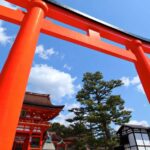
If you’re a shrine-and-temple person, you may work in major religious stops. For example, a guide named Toan has led hikes up to the top of Fushimi Inari Shrine, then followed it with Higashi Honganji Temple and a walk around Nishi Market. That kind of arc is great because it mixes big iconic energy with local market life.
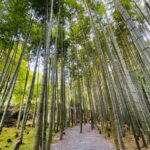
Want something calmer? Guides are also praised for taking people to places that aren’t on the main tourist circuit. Agustin, for instance, has been mentioned for showing a lovely temple that helps you escape crowds during autumn colors season. Even if you’re visiting outside fall, the idea holds: timing and location choices can make a huge difference.
You might also catch more everyday Kyoto flavor. Some guides take you toward side streets for street art and culture. Others steer you toward hidden courtyards and café vibes locals actually use, which is perfect if you want a break that doesn’t feel like you’re escaping the city.
Food and shopping: getting recommendations that actually match your day
Kyoto is a food city, but it’s also a shopping city. The trick is knowing what to prioritize when you only have a few hours.
This tour tends to focus on practical suggestions: where to eat, what to browse, and what to skip if it’s not your thing. Maha is praised for taking people to her favorite restaurant in a village by the river, where the sashimi reportedly was excellent. That’s the kind of lead that saves time and reduces the guesswork.
On the shopping side, one useful sign is that some guides help with language and small errands. For example, guides have been described as helping with supermarket purchases or providing simple planning guidance so you know what to do next. That matters when you’re trying to buy small gifts like crafts or specialty items and you don’t want to waste an hour wandering.
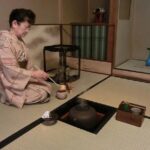
If you want to make this part of your booking, say it clearly at the start. Tell your guide what you like—tea, sweets, seafood, street snacks, or shopping for a specific souvenir style—and you’ll get better recommendations.
You can also read our reviews of more private tours in Kyoto





Price and value: is $82 per person worth it?
At $82 per person for a private 3 to 6 hour walk, you’re paying for three things: a dedicated guide’s time, customization, and the social benefit of having a real person help you choose what matters.
This is good value if you:
- want a route shaped around your interests rather than a fixed itinerary
- are there for the first time and need orientation fast
- prefer conversation and local tips over memorizing facts
It’s also worth noting what’s not included. Entrance fees aren’t included, and meals and drinks are out of your budget unless you choose to buy them yourself. Plus, transportation around the city isn’t included—though you’ll have the option to use public transport or a taxi at your own expense.
One more value detail: if you decide to add an attraction visit, you may need to cover the entrance cost for the local guide. That’s not a bad thing, it’s just part of how private tours work when you want to enter places.
My rule of thumb: if you’ll actually use the guide to choose smarter stops, you’ll likely feel it was money well spent.
Getting around when your feet need a break
Because this is a walking tour, the “default” plan is on foot. The guide can also support you with public transportation or taxis if you want to cut the walking time. The cost of that transport is at your expense.
If your group includes kids, or if someone has limited mobility, it helps to communicate early. One guide described research and planning for wheelchair use with limited mobility, and that’s the exact kind of thoughtful prep that makes the difference between a stressful walk and an enjoyable one.
Bring this up at the start: how far you’re comfortable walking, and whether you want more breaks or fewer big legs of the route. A good guide will shift pacing and stop frequency to keep the experience pleasant.
Languages and how that changes the whole experience
Language can make or break a “local” tour. This one is offered in Spanish, English, and German, which means you can ask questions in a language you’re comfortable with.
That matters because Kyoto is nuanced. Even basic conversations—about food, etiquette, neighborhood differences, or what to look for—help you understand more than just where to stand for a photo.
You’ll also likely feel more at ease with a guide who can guide you clearly on logistics like meeting points and transit routes. One guide style that pops up in feedback is patience with different nationalities and helping people navigate the flow of the day.
Who should book this tour—and who might not
This tour is a strong match for you if:
- you want a private Kyoto experience without group pacing
- you enjoy talking and getting local recommendations
- you’re open to a route that shifts with your interests
- you want both big sights and quieter neighborhoods (instead of only one)
It may be less ideal if:
- you dislike walking for long stretches
- you want fully planned, timed stops with no flexibility
- you’re only interested in quick photo hits and don’t want conversation or guidance
If you’re the type who likes to control your day, this fits. If you want a rigid schedule, you may be happier with something more fixed.
Should you book this Kyoto Private Walking Tour?
Yes, if you want Kyoto to feel human. This is the kind of tour where the guide’s personality and listening skills matter almost as much as the sights. When you can get off the main trails and still keep things practical—food ideas, calmer temple stops, and clear guidance for moving around—you’ll walk away with a Kyoto that feels lived-in.
If you book, do one thing that increases your odds of a great day: come with a short list of what you actually want (temples, markets, street culture, café breaks, shopping priorities, anything family-focused). The tour works best when you treat it like a conversation you’re starting, not a product you’re consuming.
FAQ
How long is the Kyoto private walking tour?
The tour runs for 3 to 6 hours. You can check availability to see starting times, and you can request a specific time.
What does the tour cost?
The price is $82 per person.
Is this tour private or shared?
It’s a private group tour, with no groups.
Where will I meet the guide?
You can meet at MACCHA HOUSE Kyoto Kawaramachi, or at the Kyoto City Cultural Affairs Citizens Bureau, Gender Equality Promotion Section area. You can also begin from your hotel lobby or just outside your Airbnb if it’s a centrally located landmark or intersection within the city center.
What languages are available for the live guide?
The live guide is available in Spanish, English, and German.
What’s included and what’s not?
Included: the local guide and a customized private walking tour. Not included: entrance fees, personal expenses, optional activity costs, meals and drinks, and transportation around the city.
If I want to enter an attraction, who pays the entrance fees?
Entrance fees are not included. If you want to include a visit to an attraction, you will need to cover the cost of entrance for the local guide.
Is the tour wheelchair accessible?
Yes, the tour is wheelchair accessible.
What is the cancellation policy?
You can cancel up to 24 hours in advance for a full refund.