REVIEW · KYOTO
Kyoto 2 Hours Genuine Kendo / Samurai Experience In Japan
Book on Viator →Operated by SAMURAI TRIP · Bookable on Viator
Two hours. One bamboo sword. A lot of discipline.
This Kyoto kendo experience teaches the basics of kendo rules and how to use armor safely, with equipment rental handled for you. I love that the class includes everything you need (plus a free towel and bottled water), so you avoid the usual hassle of figuring out rentals. One possible drawback: you’ll be in full gear, which can feel hot, so plan on a moderate fitness effort and go in with a water-in-the-backpack mindset.
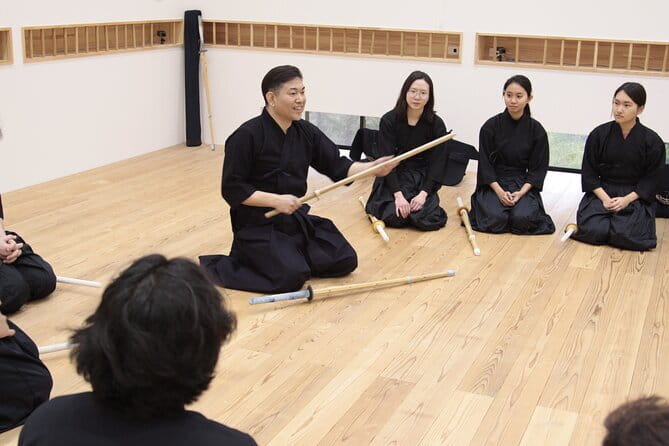
You’ll also like the teaching style. The program is designed for English speakers, and the instruction tone tends to be patient and encouraging, including instructors like Takahiro Hayashi who are known for friendly, clear guidance. If you’re curious about the cultural side, the lesson connects kendo with manners and mindset, not just hitting targets.
Logistics are simple, too. You meet at Hanazono Station at 10:00am, then the experience ends back at the same meeting point. Since the group is capped (small enough to feel personal, up to 30 people), you’re more likely to get enough attention to feel comfortable.
In This Review
- Key Highlights You Should Know
- Entering Kendo in Kyoto: What This Lesson Actually Covers
- Gear, Sweat, and Simple Comfort: Armor, Towel, and Water
- Meeting at Hanazono Station (10:00am) and Getting to the Dojo
- The 2-Hour Flow: Warm-Up, Bowing, Footwork, Dummy Strikes, and Sparring
- What You Learn Beyond Fighting: Manners, Mindset, and the Point of Kendo
- Safety, Group Size, and Physical Considerations (Be Honest With Yourself)
- Price in Perspective: Is $118.89 Worth It?
- Who Should Book This Kyoto Kendo Class?
- The Practical Takeaway: Best Way to Prepare for Your Session
- Should You Book? My Practical Recommendation
- FAQ
- What time does the kendo experience start in Kyoto?
- Where do I meet for the Kyoto kendo lesson?
- How long is the experience?
- Is kendo equipment included?
- Do I need to bring food or drinks?
- Is the class suitable for beginners and English speakers?
- Is there any physical fitness requirement?
Key Highlights You Should Know
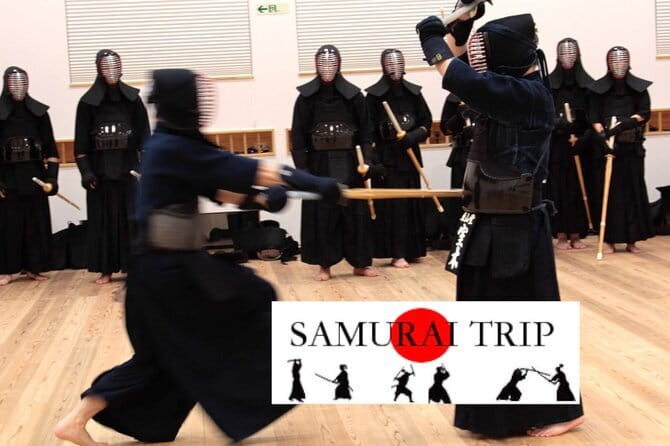
- Equipment included: all kendo gear, plus a towel and bottled water
- English-friendly instruction: clear explanations for beginners who don’t speak Japanese
- A progression you can follow: footwork, then practice strikes, then sparring
- Bowing and etiquette: you learn the manners side, not just the fighting side
- Small-group feel: up to 30 people, so you’re not lost in a crowd
Entering Kendo in Kyoto: What This Lesson Actually Covers
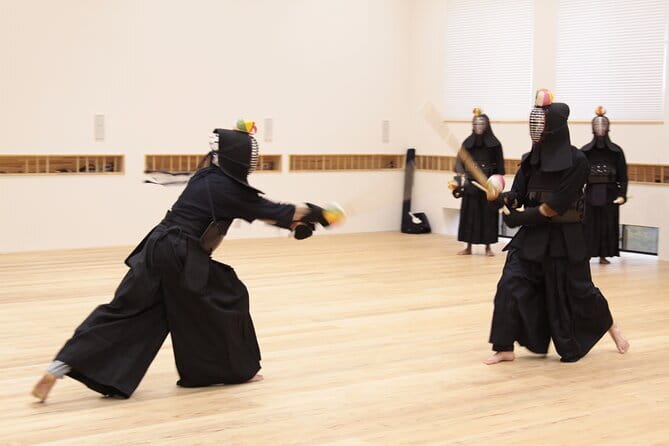
Kendo has two layers. One is physical: footwork, stance, timing, and controlled strikes with a bamboo sword. The other is mental and social: respect, etiquette, and the idea of improving yourself through practice over a lifetime.
In this Kyoto class, you’ll start with the fundamentals—how kendo is structured, what the basic rules are, and how to move correctly while wearing armor. You’re not just thrown into a fight scene. The lesson is built to help you understand what you’re doing and why it matters, including cultural and spiritual framing like unifying your spirits, practicing manners, and committing to lifelong kendo.
The biggest “aha” for many first-timers is that kendo isn’t about chaos. You’re training attention and discipline. Even the bowing and terminology are part of the lesson, which makes the whole experience feel more like a guided introduction to a living tradition than a random workout.
You can also read our reviews of more tours and experiences in Kyoto
Gear, Sweat, and Simple Comfort: Armor, Towel, and Water
This is a gear-included experience, and that matters more than it sounds. Kendo armor can be intimidating to shop for on your own, especially if you’re only in Kyoto for a short window. Here, you get the equipment supplied, so your day stays simple.
What you should expect:
- You’ll practice in full protective gear (so you’ll feel warm)
- You get a free towel afterward
- You get bottled water
A practical tip: treat this like any active dojo class in Japan—bring the right attitude for sweating. Even if you’re an easygoing traveler, the armor can make you feel hot, and you’ll be moving for the whole session. You’ll appreciate having the towel and water included, because it’s the difference between feeling refreshed and feeling sticky all the way back to dinner.
Also, since the lesson includes safety guidance, the staff’s job is to get you moving in the right way. That helps beginners avoid the common mistake of going too tense or too fast.
Meeting at Hanazono Station (10:00am) and Getting to the Dojo
The meeting point is Hanazono Station. The start time is 10:00am, and the activity ends back at the meeting point. The location is close to public transportation, which is a big deal in Kyoto—because getting to the wrong station in a city of stations is how a great plan turns into stress.
You’ll typically see your instructor meet you around the station area and then walk with you to the dojo. Many first-timers find this reassuring, especially if you’re trying to navigate Kyoto rail stations without Japanese signage.
Two things to plan for:
- You might want to arrive a few minutes early so you’re not rushing in armor prep mode.
- Wear comfortable shoes you can stand and walk in before training begins.
If you’re the type who hates “meet at a platform and hope for the best” tours, you’ll probably appreciate the fact that the instructor meets you and the dojo is described as very close.
The 2-Hour Flow: Warm-Up, Bowing, Footwork, Dummy Strikes, and Sparring
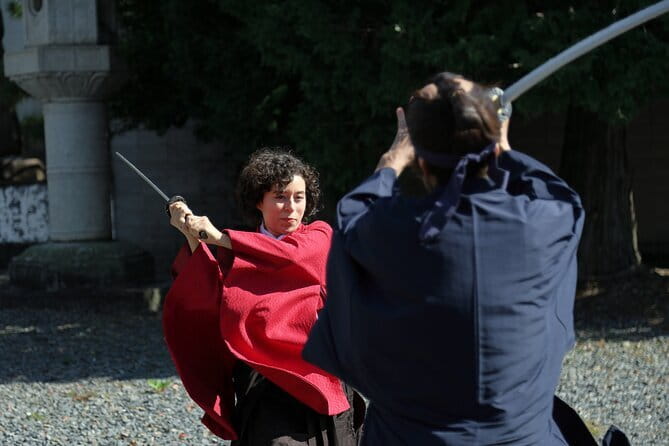
The best part of kendo training is that you progress in clear steps. This class is structured like that, so you can track your learning in real time.
Here’s what the session typically feels like:
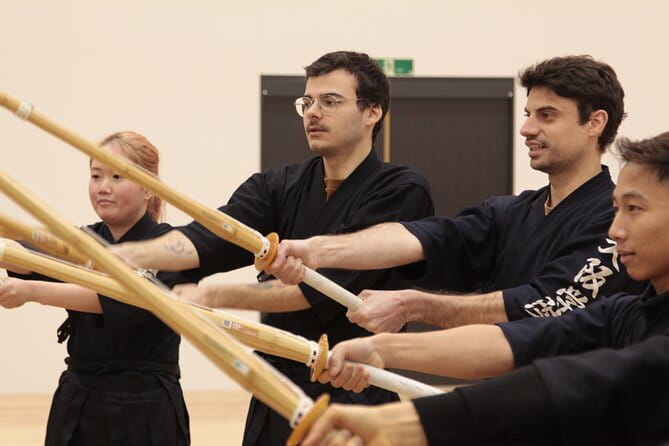
- Warm-up and etiquette: you start by practicing bowing and basic protocol, and you learn common terms used in training.
- Footwork fundamentals: you work on moving properly, which is the foundation for everything else. If you get footwork right, your strikes feel more natural.
- Practice strikes using bamboo weapons: you practice with training weapons on a dummy or target setup. This is where beginners often feel a rush of confidence because you can focus on form without worrying about someone punching back.
- Match-style practice: you finish with sparring against another participant (and in some cases, instruction staff). This is the part people remember most, because you suddenly feel what kendo is about: timing, distance, and staying respectful while competing.
The rhythm of the lesson is important. If you jump straight to sparring, most first-timers feel overwhelmed. If you only do rules and history, you won’t get the satisfaction of testing your skills. This balances both, and the short duration helps you stay engaged without getting mentally exhausted.
And yes—sparring is where the “genuine Japan” feeling hits hardest. You don’t just watch kendo culture from the outside. You experience it through movement, respect, and controlled contact.
What You Learn Beyond Fighting: Manners, Mindset, and the Point of Kendo
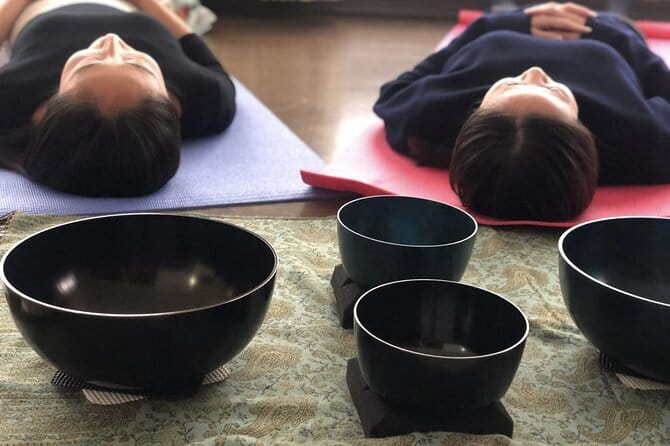
Kendo gets described with ideals for a reason. In this experience, those ideals aren’t just printed on a brochure. They show up in how the practice is conducted.
You’ll work on:
- Manners: bowing, respectful behavior, and following instructor cues matter as much as technique
- Unifying your spirits: the concept of staying focused as you move
- Lifelong kendo: the idea that improvement continues year after year, not in a single class
You might also hear about kendo in terms of its background and how it functions as a martial art. The instructors are described as experienced and holding a 7th Dan level, with long experience guiding students.
Why this matters to you as a traveler: you’ll walk out understanding that kendo culture is tightly linked to discipline and respect. That makes your Kyoto time feel more grounded. You don’t only collect photos. You gain a real skill and a real set of social cues you can recognize if you see kendo in Japan again later.




Safety, Group Size, and Physical Considerations (Be Honest With Yourself)
This experience is built to be safe and beginner-friendly, with guidance from experienced instructors. Still, let’s talk reality.
You’re wearing armor and moving. That means:
- You need moderate physical fitness
- You should be comfortable with standing, lunging, and repeating drills
- You’ll likely feel warm in full gear
The group size is capped at 30 travelers, which helps because instruction can stay focused. In a big class, beginners sometimes feel like extras. Here, you’re more likely to get corrections that improve your movement quickly.
If you have any injury concerns, be cautious with sparring intensity. The safest approach is to tell your instructor you’re new and ask for the level you feel comfortable with.
Price in Perspective: Is $118.89 Worth It?
At $118.89 per person, this isn’t a budget activity. But the value isn’t just the instruction—it’s also what you’re not paying for separately.
You get:
- All kendo equipment included
- A free towel
- Bottled water
If you’ve ever priced out gear rentals or tried to piece together a hands-on class in Japan, you’ll know those costs can stack up fast. Here, the rental is part of the package, and that turns the price into something more predictable.
Also, the class is only about 2 hours, which makes it a smart slot in a packed Kyoto day. You get a concentrated experience without losing your whole morning or afternoon.
So the real question isn’t whether it’s cheap. It’s whether you want a guided, beginner-friendly introduction to a real martial art in Kyoto—gear included, instruction in English, and a session that moves beyond theory into practice.
Who Should Book This Kyoto Kendo Class?
This experience fits best if you:
- Want a hands-on cultural activity, not just a museum stop
- Are curious about samurai-era discipline and modern kendo etiquette
- Want equipment included (so you don’t spend your morning figuring out gear)
- Like short, structured lessons with a clear progression
- Are traveling with family or as a first-timer (it’s frequently described as welcoming for newcomers)
It may be less ideal if you:
- Hate anything physical in enclosed gear
- Have mobility limits that make drills difficult
- Want a long, slow history lecture with no practice component
If you want the best chance of feeling confident fast, arrive rested. You’ll enjoy the sparring portion more when your body isn’t already drained.
The Practical Takeaway: Best Way to Prepare for Your Session
Here’s how to set yourself up for a smooth first kendo lesson:
- Wear comfortable clothing you can move in.
- Bring water patience—even with bottled water included, you’ll sweat.
- Assume the armor will feel hot; plan mentally for that.
- If you’re filming, keep your phone secure and follow instructor cues. The session is about practice, and the rules matter.
And one more thing: show up ready to learn etiquette. Kendo is as much about respect and control as it is about striking. When you follow that tone, the class feels welcoming instead of intimidating.
Should You Book? My Practical Recommendation
If you’re choosing between another Kyoto attraction and a hands-on activity that teaches discipline, manners, and technique, I think this is a strong pick. The mix of clear beginner guidance, equipment included, and a progression that ends with sparring is exactly what makes it memorable.
Book it if:
- You want to feel what kendo training is like
- You like structured lessons with safety guidance
- You appreciate cultural context beyond sightseeing
Skip it (or consider another activity) if:
- You’re not comfortable with moderate physical activity in protective gear
- You want a purely observational experience
One more note: there’s free cancellation up to 24 hours before the start time, so you can book confidently and adjust your schedule if Kyoto logistics shift.
FAQ
What time does the kendo experience start in Kyoto?
The session starts at 10:00am.
Where do I meet for the Kyoto kendo lesson?
You meet at Hanazono Station. The activity ends back at the meeting point.
How long is the experience?
It runs for about 2 hours.
Is kendo equipment included?
Yes. All kendo equipment is included, along with a free kendo towel and bottled water.
Do I need to bring food or drinks?
Food is not included. Bottled water is included, but you should plan for meals separately.
Is the class suitable for beginners and English speakers?
The class is designed as an entry point for beginners, and it’s structured with English-friendly instruction so you can understand the rules and concepts.
Is there any physical fitness requirement?
The experience is recommended for people with a moderate physical fitness level.