REVIEW · KYOTO
Kyoto Private Tea Ceremony with Tea Master at Home
Book on Viator →Operated by SAKURA Experience Japanese Culture Nijo Home · Bookable on Viator
Tatami silence, matcha practice, and three sweet bites. In Kyoto, you step into a private home tea room led by Aya-sensei, learn the etiquette, then whisk matcha yourself. I love the hands-on matcha practice, and I also like that you get three types of wagashi designed to be vegan and gluten-free. One catch: this class runs on etiquette rules, so plan ahead for socks, no perfume, and an on-time start, because late arrival (over 15 minutes) means you can’t participate.
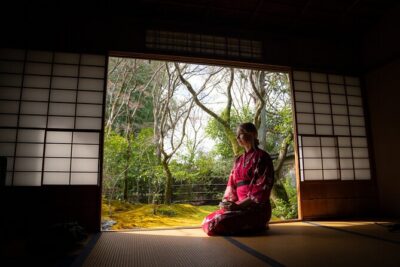
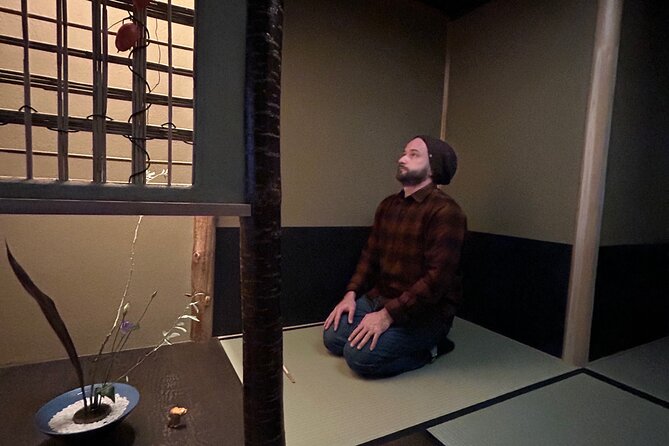
What makes this one feel different is the setting. You’re not doing a rush-through performance in a storefront. You’re in a calm home near Nijo Castle, in traditional tea rooms named Koma and Hiroma, where the ritual gets treated like a living art for a small group.
In This Review
- Key things I’d watch for
- A private Kyoto tea room near Nijo Castle
- A small tip that pays off
- Wagashi snack time: three types, vegan and gluten-free
- Whisking matcha the traditional way (and taking your own turn)
- What you’re really practicing
- Etiquette rules you’ll want to know before you arrive
- If you need a chair
- Why Aya-sensei’s teaching style is the real highlight
- The one-hour format is smarter than it looks
- Tea bowls, Uji matcha, and the value of paying for details
- A quick reality check on price
- Who should book this tea ceremony (and who should skip)
- Practical walk-through: what the hour feels like
- Should you book this Kyoto tea master session?
- FAQ
- How long is the Kyoto private tea ceremony?
- Is this activity private?
- What food is included?
- Are there dietary options for the sweets?
- What should I wear and bring for the tea room?
- Are children allowed?
Key things I’d watch for
- A tea master at home: Aya-sensei leads the session in a real Kyoto house, not a staged venue.
- Vegan, gluten-free wagashi: you get three different sweets, made to fit many dietary needs.
- Two servings of matcha: you’ll prepare and drink matcha yourself, then have more matcha included.
- Tatami-friendly rules: socks are required, perfume is discouraged, and clothing needs sleeves and long bottoms.
- A keepsake booklet: you leave with a short guide to the spirit and etiquette of the ceremony.
A private Kyoto tea room near Nijo Castle
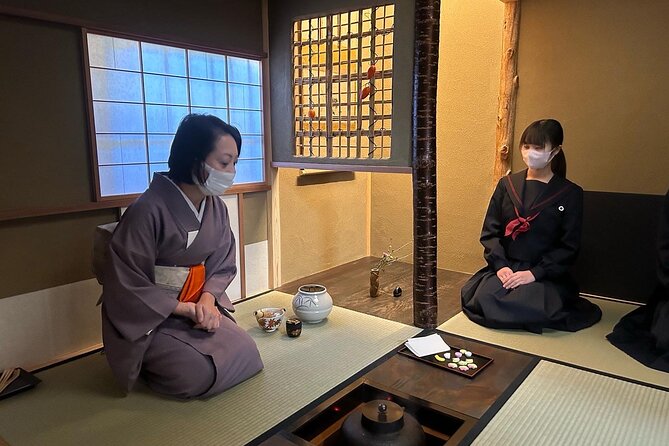
This experience is built around a simple idea: tea ceremony works best when it’s quiet, slow, and personal. You meet at Sakura Experience Japanese Culture Nijo Home (near Nijo Castle), and you’ll return to the same meeting point after about an hour.
The mood is the main event. The session happens in a traditional home setting with tea rooms (Koma and Hiroma). That matters because the ceremony is all about small gestures, the timing of serving, and the way you move. In a crowded, loud space, those details get lost fast.
I also like that it’s designed for privacy. It’s a private activity, so you’re not waiting your turn in a bigger group while someone else gets the attention.
You can also read our reviews of more private tours in Kyoto

A small tip that pays off
Arrive with time to spare and mentally switch gears to slow down. The ceremony’s pacing rewards you when you’re not rushing through the steps.
Wagashi snack time: three types, vegan and gluten-free
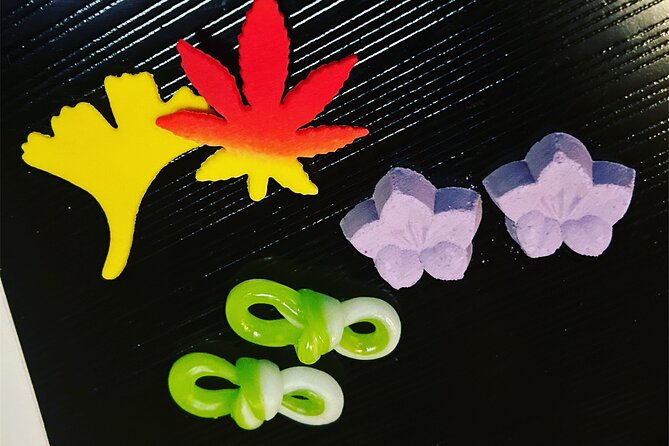
Before you touch the whisk, you’ll snack. You’ll get seasonal three types of handcrafted wagashi from a long-established Kyoto confectioner. These snacks are listed as gluten-free and vegan, which is a huge practical win if you’re traveling with dietary limits.
Why I think this matters: wagashi aren’t just dessert. They help set the tone of the ceremony, giving you a gentle sweet rhythm right before matcha. In a good tea room, you’re not eating to fill a stomach. You’re eating to notice taste, texture, and seasonality.
The reviews strongly back this up with comments about the sweets being delicious and one-of-a-kind. Even if you think you already know wagashi, the pairing with the tea ritual makes it feel like part of the lesson rather than a separate add-on.
Whisking matcha the traditional way (and taking your own turn)
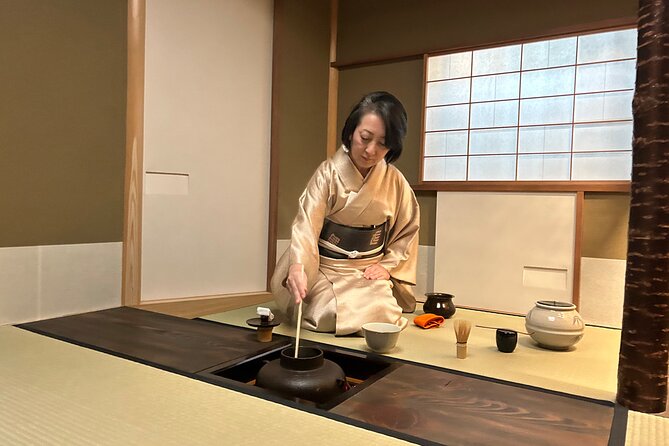
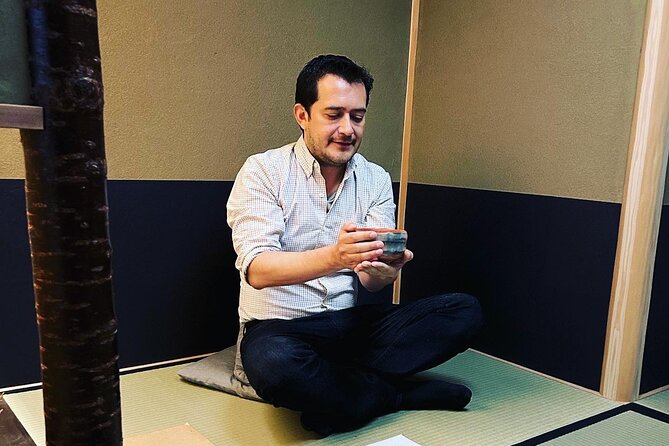
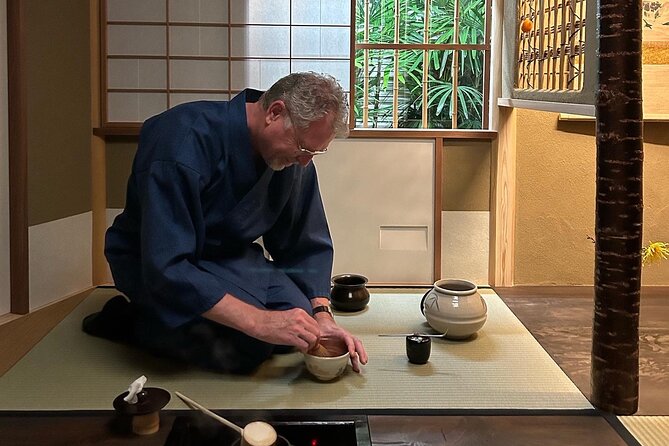
The heart of the experience is the matcha ritual. You’ll learn how to prepare matcha using a bamboo whisk. This isn’t only a watch-and-clap demonstration. You’ll get hands-on guidance on how to make it the traditional way, and you’ll taste what you make.
You’ll also get two bowls of matcha prepared with the original blended matcha from Uji. That’s important because it gives you a second chance to slow down and focus on the flavor after you’ve settled into the room and the rhythm.
What you’re really practicing
The ceremony is technical, even when it looks calm. You’re learning:
- how to handle the tools with care
- how to move at a respectful pace
- how to serve and receive the drink
- how to take a sip with attention
That’s why this works well even for first-timers. You leave with more than trivia. You leave with muscle memory for the basics.




Etiquette rules you’ll want to know before you arrive
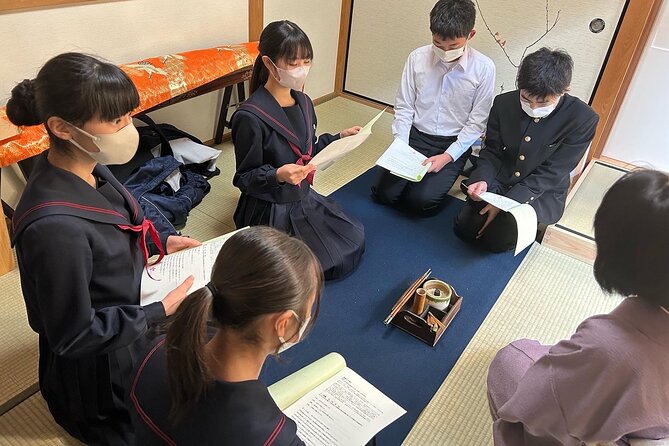
Tea ceremony etiquette might sound intimidating. Here, it’s practical, and the house rules are clearly part of the experience. If you follow them, you’ll feel like you belong in the space.
Here are the rules that actually affect your participation:
- Socks are required to protect the tatami mats and for hygiene. If you forget, socks can be purchased on site.
- Appropriate clothing is required: long skirts or long pants, and a top with sleeves. Sleeveless tops, shorts, and mini skirts aren’t permitted.
- Perfume & fragrance: you’re asked to refrain from wearing perfume (including musk-based scents). If you arrive scented, you may be asked to remove fragrance before entering.
- Age limit: children aged 13 and under aren’t permitted to join this class.
I like that the rules are spelled out. That makes it easier to decide what to wear and how to prepare, so you don’t arrive stressed.
If you need a chair
Small chairs are available if you need them. It’s best to inform them in advance so the room setup works for you.
Why Aya-sensei’s teaching style is the real highlight
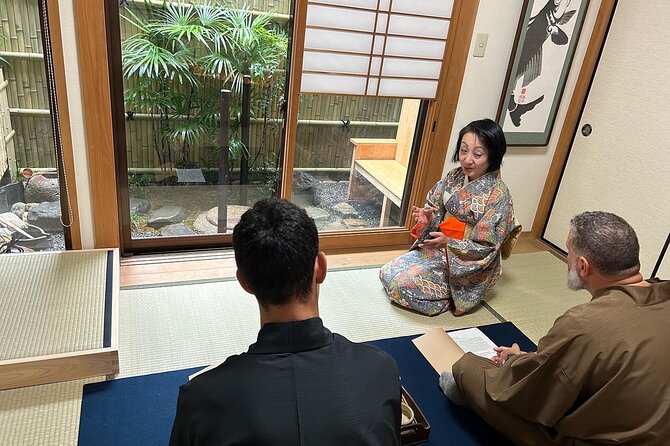
Plenty of places offer tea ceremony. What pushes this one into the top tier is the teaching tone. In the feedback, Aya-sensei gets praised for being warm, patient, and professional, with English that makes the steps easy to follow.
People also mention how the session feels thoughtful rather than rushed. One standout theme is that the experience engages your senses: you feel what’s happening in the room, not just what’s being explained. That lines up with how tea ceremony is meant to work: eyes on the details, ears on the quiet, hands doing the steps, and taste as the final check-in.
There’s also mention that Aya’s team helps with photos during the experience. That’s a nice touch because you can stay in the moment without constantly juggling your camera.
The one-hour format is smarter than it looks
This class is about one hour. That’s not shortchanging the ritual. It’s a pacing choice. If you’re learning a new set of movements and etiquette, compressing the session keeps it focused and prevents “tour exhaustion,” especially after Kyoto walking days.
Tea bowls, Uji matcha, and the value of paying for details
You’re paying $99.08 per person for a private, guided session that includes more than the basic matcha cup. The experience includes:
- seasonal three types of handcrafted wagashi
- a tea ceremony booklet souvenir
- guided demonstration and hands-on matcha preparation
- two bowls of matcha using original blended matcha from Uji
There’s also extra craftsmanship built into the experience. The retreat setting is described as involving custom-made tea bowls commissioned from Kiyomizu and Raku potters, along with matcha sourced from historic tea gardens in Uji, and seasonal wagashi prepared by an established Kyoto confectioner.
Even if you’re not a ceramics person, here’s the practical value: details like the bowl, the matcha sourcing, and the sweets you’re served affect how the ritual tastes and feels. You’re not just learning steps. You’re experiencing the components the way Kyoto tea people take them seriously.
A quick reality check on price
At $99.08 for about one hour, you’re paying for:
- private instruction in a home
- hands-on guidance
- included sweets and matcha
- a take-home booklet
If you compare it to a basic group demo where you mainly watch, the value becomes easier to see. You get to participate, ask questions, and get personal pacing instead of being squeezed between strangers.
Who should book this tea ceremony (and who should skip)
This is best for you if:
- you want a quiet, respectful cultural experience over a loud “attraction”
- you’d enjoy learning etiquette through doing, not just watching
- you like matcha and want to understand the ritual basics properly
- you have dietary needs and want vegan and gluten-free wagashi options
- you’re staying near Nijo Castle and want something calm and walkable
You might want to skip (or at least reconsider) if:
- you can’t follow etiquette rules like socks, clothing requirements, and perfume avoidance
- you need a child-friendly program for kids 13 and under
- you’re looking for a long multi-course experience rather than a focused one-hour class
Practical walk-through: what the hour feels like
While every session will have its own flow, you can expect the experience to follow a logical rhythm:
- Arrive and settle in
You’ll be welcomed into a traditional tea space with rules in mind (especially socks and fragrance). This sets your mindset.
- Wagashi first
You’ll enjoy three types of seasonal wagashi. Since they’re vegan and gluten-free, they’re meant to work for many diets without the awkward “can I eat this?” moment.
- Learn the matcha steps
Aya-sensei demonstrates matcha preparation using a bamboo whisk and explains the background and procedures in clear terms.
- Hands-on matcha practice
You prepare matcha yourself and then drink. With two included bowls, you get a chance to focus more than once.
- Take home a guide
You’ll leave with a concise booklet about the spirit and etiquette of tea, which helps you remember what you did after the walk back out into Kyoto.
Should you book this Kyoto tea master session?
I’d book it if you want a real Kyoto-feeling moment that’s calm, structured, and hands-on. The combo of a private home setting, an English-friendly teacher (Aya-sensei), vegan gluten-free wagashi, and the chance to whisk your own matcha makes this a strong value for the price.
Book it early enough in your trip schedule that you’re not rushing. Plan your outfit for sleeves and long bottoms, and bring socks if you don’t want to buy them on site. If you’re sensitive to smells, treat the perfume rule like it’s non-negotiable.
In short: if you like thoughtful cultural practice and you’re open to small rules that protect the atmosphere, this is the kind of experience you’ll remember when the rest of Kyoto starts to blur together.
FAQ
How long is the Kyoto private tea ceremony?
The experience lasts about 1 hour.
Is this activity private?
Yes. It’s a private tour/activity, and only your group will participate.
What food is included?
You’ll receive seasonal three types of handcrafted wagashi, and you’ll also have two bowls of matcha.
Are there dietary options for the sweets?
The three types of wagashi are gluten-free and vegan, accommodating many diets.
What should I wear and bring for the tea room?
Wear long skirts or long pants and a top with sleeves. Socks are required (not bare feet), and socks can be purchased on site if you forget.
Are children allowed?
Children aged 13 and under are not permitted to join the class. If you arrive with a child without prior notice, you won’t be able to attend and no refund will be issued.