REVIEW · KYOTO
Authentic Kyoto Tea Ceremony: Camellia Flower Teahouse
Book on Viator →Operated by Camellia · Bookable on Viator
Kyoto slows you down with tea. This hands-on matcha tea ceremony at Camellia Flower (Higashiyama) turns a classic Japanese ritual into something you can actually do, not just watch. You’ll learn the steps, try a seasonal sweet, then whisk your own bowl.
I love the small group size (max 8), which keeps it calm and gives you time for questions. I also like that everything you need—tea bowl, scoops, and whisk—is provided, so you can focus on learning instead of hunting for gear.
One important consideration: the experience is not wheelchair accessible, though chairs and tables are available if you prefer not to sit on the floor.
In This Review
- Key things to know before you go
- Tea ceremony in Kyoto, without the guesswork
- Finding Tea Ceremony Camellia FLOWER in Higashiyama
- What happens during the ceremony: a real lesson in matcha
- The hands-on part: whisking your own frothy matcha
- The sweet, the taste, and why it’s paired with tea
- Photos and videos: yes, but keep it respectful
- Seating comfort: floor traditional, but not forced
- Who this fits best (and who might not love it)
- Price and value: why $36.48 can be a smart buy
- Practical tips to make your ceremony smoother
- Should you book Camellia Flower’s Kyoto Tea Ceremony?
- FAQ
- How long is the Camellia Flower tea ceremony?
- How many people are in a group?
- Is the tea ceremony wheelchair accessible?
- What ages can participate?
- What is included in the price?
- Is kimono rental included?
Key things to know before you go
- Higashiyama meeting point at Tea Ceremony Camellia FLOWER (349-13 Masuyachō)
- About 45 minutes for the full ceremony flow
- Max 8 per group, so it stays intimate and question-friendly
- You make your own frothy matcha with provided utensils
- English instruction from tea instructors tied to Kyoto’s three main tea schools
- Kimono rental is optional (request by message for an extra charge)
Tea ceremony in Kyoto, without the guesswork
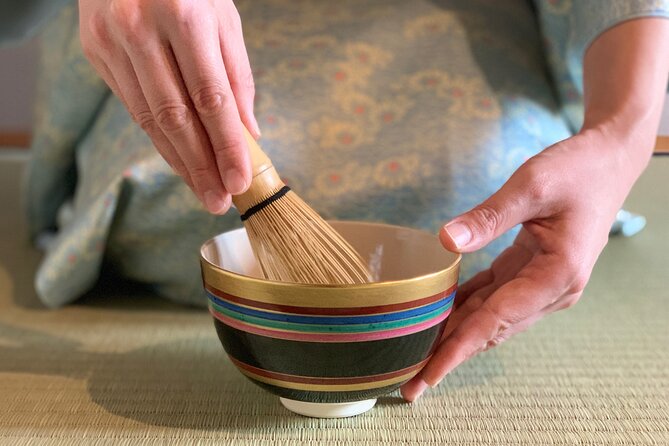
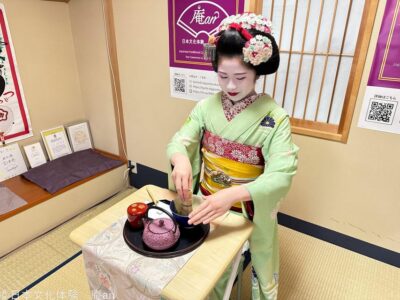
A Kyoto tea ceremony is one of those activities that can either feel like a museum show or feel personal. Camellia Flower aims for personal. You’re not just standing behind a rope watching someone perform. You’re brought into the process: the meaning of each step, the utensils, the room layout, and then the hands-on part—whisking matcha until it turns frothy.
The session is timed and paced with care, too. Plan about 45 minutes, which is long enough to learn the basics but short enough that you’re not stuck for half a day. If you’re touring Higashiyama and want something calm right in the middle of your sightseeing, this fits well.
And it’s not only for tea nerds. You’ll get historical context for how tea became part of Japanese culture, but the lesson stays practical. You’ll learn what to do, why you do it, and how to do it without rushing.
You can also read our reviews of more tours and experiences in Kyoto.



Finding Tea Ceremony Camellia FLOWER in Higashiyama
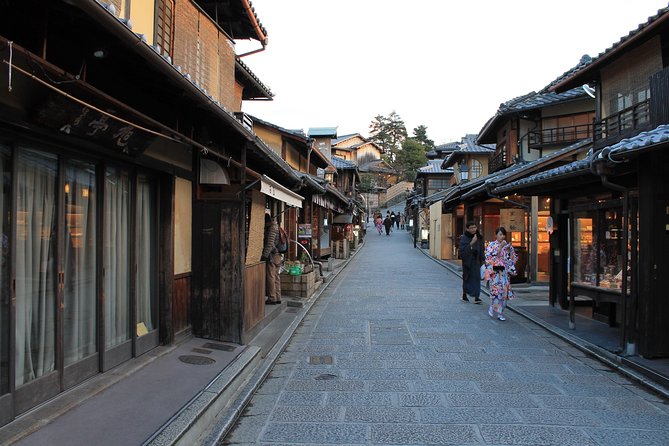
Your meeting point is at Tea Ceremony Camellia FLOWER, 349-13 Masuyachō, Higashiyama Ward, Kyoto, 605-0826. The location is described as near public transportation, which matters because Kyoto can be spread out. You’ll want to show up early enough to get oriented, especially if you’re walking with other plans.
If you’re bringing a phone, this is the kind of activity that plays nicely with modern travel: it uses a mobile ticket. You’ll receive confirmation at the time of booking as well.
One small practical tip: Higashiyama can be busy. Give yourself a little buffer so you can arrive calm, not sprinting in with steamrolling energy. Tea ceremonies tend to reward a slower pace.
What happens during the ceremony: a real lesson in matcha
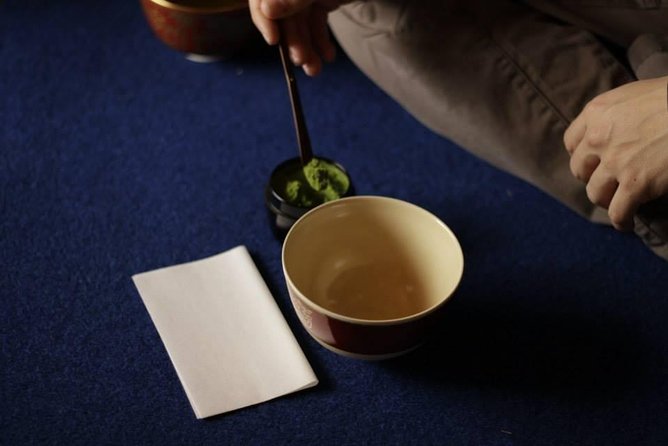
This tea ceremony starts with a welcome and a short intro to matcha. The goal is to set context before you touch the tools. You’ll hear about tea ceremony as a centuries-old ritual, including how the experience connects to Kyoto’s culture—history, architecture, and taste.
Then your personal instructor walks you through how the ceremony works. You’ll cover:
- the steps of the ritual
- the utensils (and what each one is for)
- the importance of the room’s decoration and layout
That part matters more than it sounds. Tea ceremony isn’t only about the flavor. It’s also about space and order—how the room supports mindfulness and respect. If you’ve ever watched a carefully staged performance and wondered why it looks so precise, this is where you get the reason.
You’ll also be able to ask questions and chat. The instruction is in English, and it’s said that the instructors speak it fluently. That’s huge for this type of experience, because otherwise you end up learning the motions but not understanding the meaning behind them.
The hands-on part: whisking your own frothy matcha
The best moment is when you make your own bowl.
You’re provided with the tea bowl, tea scoops, and a whisk (plus the basic guidance to use them). The lesson culminates with each guest having a chance to create matcha themselves and master the basics of tea making—especially getting the foam right.
That’s where the ceremony stops being passive. Even if you’ve seen matcha before, it’s different when you’re responsible for the texture. Matcha is all about method: the amount, the mixing, and the pace.
You’ll get the chance to try matcha as part of the ceremony too, along with sweets. Then you compare your first sip to your own whisked bowl. That feedback loop is one of the reasons this experience feels memorable: you can taste the difference between knowing about matcha and actually making it.
The sweet, the taste, and why it’s paired with tea
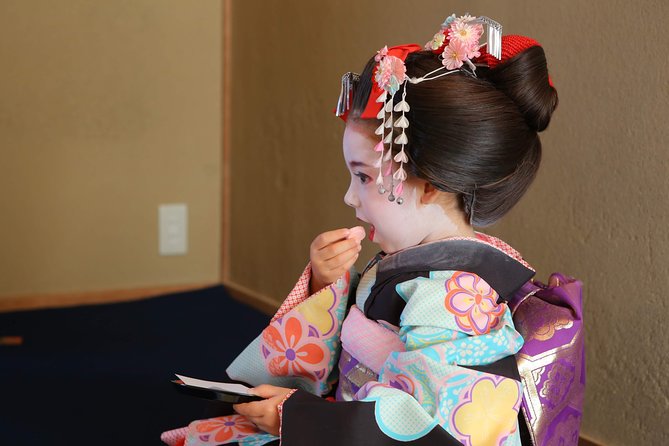
Before you leave, there’s a seasonal sweet served with your tea. This isn’t an afterthought snack. In tea ceremony tradition, sweets balance the experience and soften the bitterness of matcha, so you can enjoy the bitterness and earthiness without it feeling harsh.
In practical terms, it means your matcha tasting isn’t just one note. You’ll likely notice how the sweet changes the way the matcha reads on your palate—how it feels less sharp, more rounded, more calm.
If you’re the type who worries about doing cultural experiences that feel too formal, this pairing helps. You get a human rhythm: tea comes, sweet comes, then your hands get busy again.

Photos and videos: yes, but keep it respectful
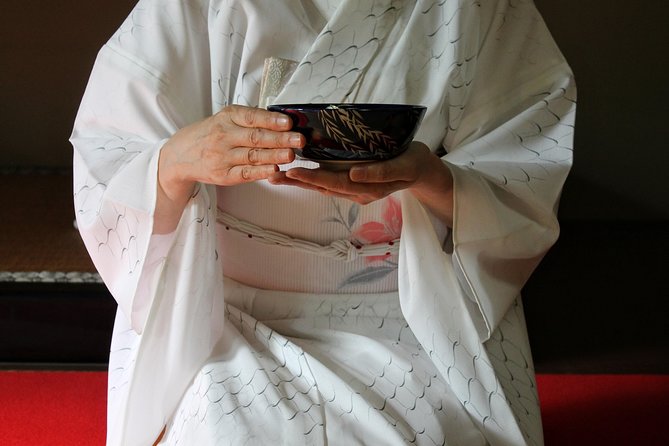
You’re allowed photos and short videos. That’s helpful if you want proof for friends or just a visual memory.
Still, here’s how to do it without ruining the mood for everyone: treat the camera like a quiet accessory, not the main character. If the instructor is explaining something important, put the phone away for that part. Tea ceremony is one of those activities where attention is part of the value.
Seating comfort: floor traditional, but not forced
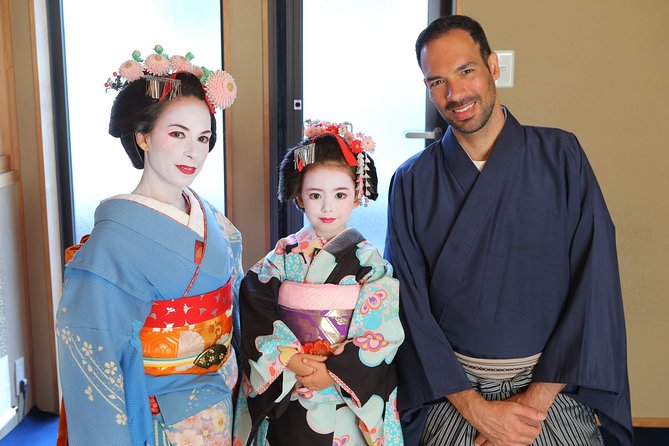
A lot of Japanese tea ceremony seating is on the floor. This experience notes that guests usually sit on the floor, but chairs and tables are available if you prefer. That’s a big deal for comfort and for keeping your back from turning your trip into a stretching class.
So, if you want the traditional posture, you can do that. If you’d rather keep your knees happier, use the chair option.
Also note: the experience is not wheelchair accessible. That doesn’t automatically mean you can’t attend if you have mobility needs, but it does mean you should plan around the stated limitation and ask questions if you’re unsure. Chairs and tables may help with comfort, but they don’t change the accessibility note.
Who this fits best (and who might not love it)
This is a good match for:
- first-timers to Japanese tea ceremony who want real instruction in English
- travelers who like calm cultural activities with structure
- couples or solo travelers who appreciate a small group (max 8) and time to ask questions
- families with older kids, since it’s described for all ages but has a key rule
That key rule is that children under 6 can’t join. If you’re traveling with younger kids, you’ll need to find an alternative experience that matches their age range.
If you’re looking for a flashy performance only, this one is less about show and more about process. It’s more skill-building than spectacle.
Price and value: why $36.48 can be a smart buy
At $36.48 per person for about 45 minutes, the value comes from what’s included and what you actually do.
You’re not paying just for watching:
- utensils for making matcha are provided
- you get instruction on steps and meaning
- you try matcha and a seasonal sweet
- you create your own bowl by the end
That’s important. Many tea experiences feel like a short culture lecture plus a sip. This one is structured so you leave with a repeatable skill: whisking basics for matcha.
Add to that the small group size and English instruction, and the cost starts to feel more reasonable. For many people, the best souvenir isn’t a mug. It’s the confidence to reproduce the ritual at home.
Practical tips to make your ceremony smoother
A few details can help you get more out of the session:
- Arrive with a relaxed headspace. Even if you’re mid-sightseeing, treat this as a pause button.
- Ask questions. The experience explicitly encourages it, and the instructor is there to explain the steps, utensils, and meaning.
- Plan around your comfort. If you want to avoid floor seating, choose chairs/tables in advance if possible. The setup supports both.
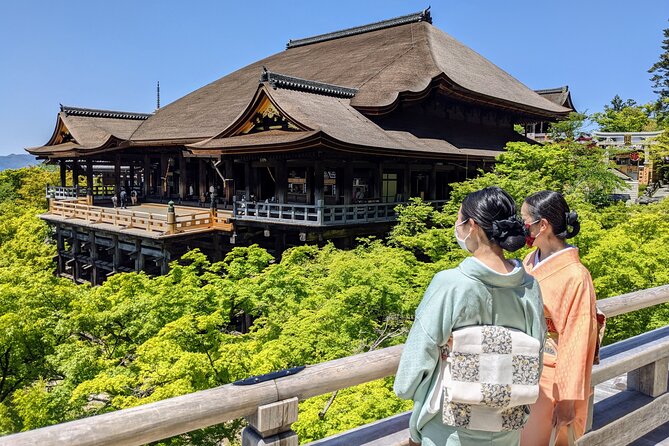
- Consider a kimono for extra authenticity. Kimono rental is optional and costs extra, but it’s described as requestable by message. If you want the full look for photos and the extra immersion feeling, it’s worth thinking about.
One more thing: service animals are allowed, and the experience is for all ages within the stated child rule. If you travel with an animal, this matters.
Should you book Camellia Flower’s Kyoto Tea Ceremony?
If you want a Kyoto cultural activity that feels hands-on, calm, and genuinely learnable, I’d book this. The big wins are the small group size, English instruction, and the fact that you make your own matcha with provided utensils.
I would hesitate only if accessibility is a dealbreaker for you, since it’s stated as not wheelchair accessible. If you don’t have that constraint, this is a strong “do it once” ritual that’s still practical enough to make it feel worth your time.
FAQ
How long is the Camellia Flower tea ceremony?
Plan around 45 minutes for the ceremony session.
How many people are in a group?
There is a maximum of 8 travelers per group.
Is the tea ceremony wheelchair accessible?
No. The experience is not wheelchair accessible.
What ages can participate?
It’s for all ages, but children under 6 years old cannot join.
What is included in the price?
Tea bowls, tea scoops, and tea whisks are provided so you can make your own matcha. You’ll also try matcha and have a seasonal sweet.
Is kimono rental included?
Kimono rental is not included. You can request it by message for an additional charge.