REVIEW · KYOTO
Kyoto Morning Highlights Tour: Fushimi, Kiyomizu-dera & Gion
Book on GetYourGuide →Operated by OTAKU hopper · Bookable on GetYourGuide
Kyoto feels calmer before most people wake. This half-day morning walk links Fushimi Inari’s torii tunnels with Kiyomizu-dera’s big viewpoints, then ends in Gion’s old streets. I love the early timing, and I love that you get real photo help instead of just hoping for a good shot.
The big consideration is simple: you’re moving on foot a lot, and you need to be on time at the start. If you’re late, you won’t join the tour and you won’t get a refund.
In This Review
- Key things to look forward to
- Why a Kyoto morning walk beats the usual schedule
- Meeting at Kyoto Station: easy to find, strict on timing
- Fushimi Inari’s torii gates before the crush
- Kasuga Grand Shrine and Shinto etiquette that makes the visit click
- Kiyomizu-dera: sweeping views with the 500 yen ticket handled
- Gion on foot: historic streets with a calmer feel
- Price and logistics: is $81 actually good value?
- Photo support and small-group pacing that doesn’t feel rushed
- Who should book this Kyoto Morning Highlights Tour
- Should you book this tour?
- FAQ
- What places are included in the Kyoto morning highlights tour?
- Is the tour walking-only or does it include transportation?
- Where do we meet the guide?
- Is public transportation included in the price?
- Which entrance fees are included?
- Does the tour include food or drinks?
- Do I get photos during the tour?
- What if I arrive late for the meeting time?
- Is there a cancellation window?
Key things to look forward to
- Early start for a quieter Kyoto so you can actually enjoy the sights
- Fushimi Inari’s thousands of torii gates including the 10,000-gate feeling
- Ikki’s shrine and temple etiquette coaching so you know what you’re doing
- Kiyomizu-dera included entrance (500 yen) plus morning views
- Gion on foot with a guide pointing out what you’d miss alone
- Professional photos and a Kyoto sweets sample to take home more than memories
Why a Kyoto morning walk beats the usual schedule
Kyoto’s best-known places attract people fast. This tour tackles that problem at the source: it starts early and is built around walking, not bus-watching. You’ll get that morning light on stone, gates, and wooden steps, when the air feels cooler and the crowds haven’t fully arrived.
What I like about this approach is how it respects your time. The route is designed to hit major Kyoto landmarks in one morning block, so you’re not spending the rest of the day commuting or guessing where to go next. You also get a guide who can explain what you’re looking at, which turns a famous spot into something you understand.
There’s a practical upside too. On foot, you notice the small stuff: the way people queue, where the locals pause, and how the space changes as you move through it. That’s hard to replicate on a rushed checklist.
You can also read our reviews of more tours and experiences in Kyoto
Meeting at Kyoto Station: easy to find, strict on timing

Your tour begins at the central exit of Kyoto Station, with Kyoto Tower visible nearby. The guide waits by the yellow map near the central exit, next to the 7-Eleven, holding an OTAKU hopper sign.
This is one of those details that can make or break the morning. The start time is firm. If you’re late, you won’t be able to join, and you won’t receive a refund. So plan like a local: leave your hotel early, and give yourself extra buffer for train transfers, stairs, and station crowds.
Also keep in mind that this is a walking tour using public transportation. Public transport is not included, and you should budget about 400 yen for getting around. If you hate carrying cash, make sure you can access a card or payment method that works smoothly.
Fushimi Inari’s torii gates before the crush
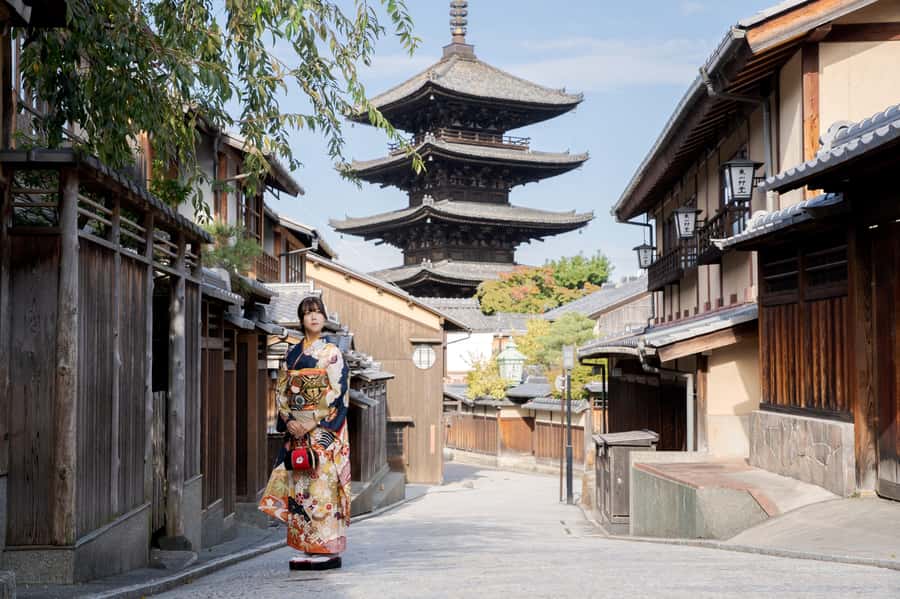
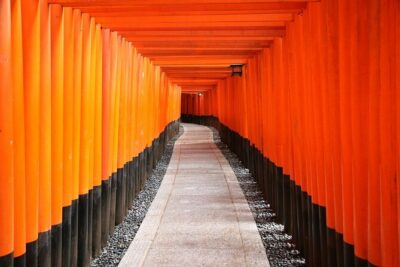
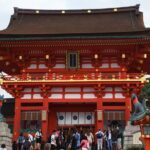
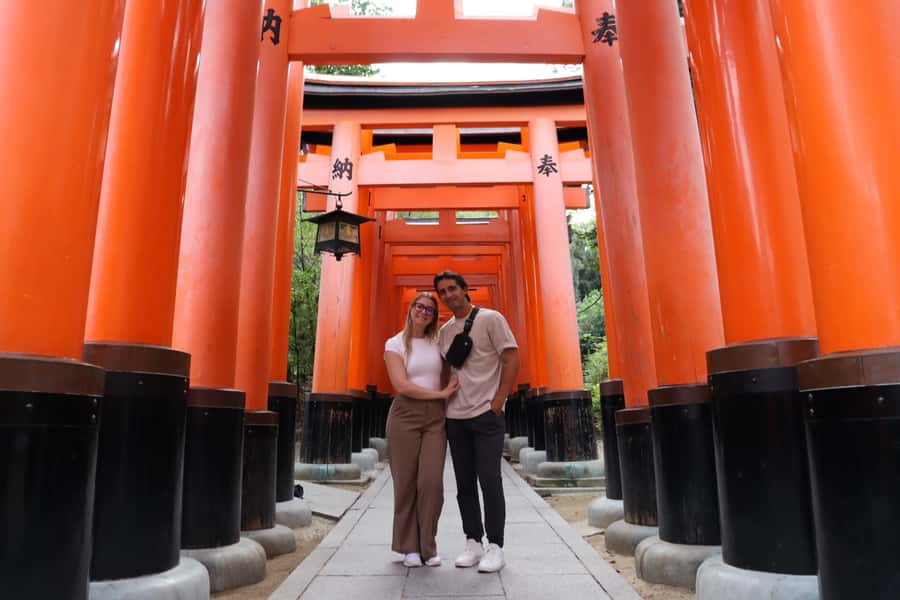
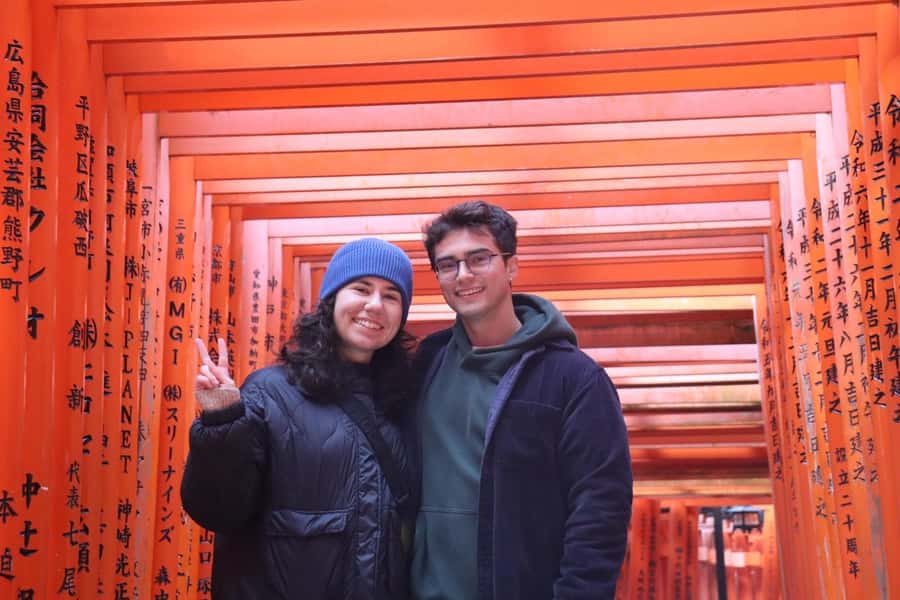
Fushimi Inari is the kind of place that makes you understand why Kyoto is Kyoto. You’ll walk through thousands of torii gates, including the famed 10,000-gate scale feeling. The morning timing matters here more than you might expect. When the torii tunnel isn’t packed, the walk feels like a long corridor instead of a moving queue.
A guide changes everything on this route. You’re not just stepping through gates, you’re learning what the shrine represents and how the space is used. The tour also leans into the details you might otherwise miss, like how people behave in sacred areas and what to look for as the path opens and narrows.
You’ll also get photo support. The guide takes professional photos during the tour, and he can help with photo spots as you go. That’s especially useful at Fushimi Inari, where it’s easy to take a picture that doesn’t show the scale. With a bit of coaching and timing, you’re more likely to capture that endless-gate effect.
Kasuga Grand Shrine and Shinto etiquette that makes the visit click
One of the tour’s best strengths is how it teaches you how to participate respectfully. You’re not left to guess temple customs. The guide explains how to act at Japanese shrines, including how to properly pray. That alone can make a huge difference, especially if it’s your first time in Kyoto.
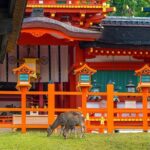
Kasuga Grand Shrine is included as a stop and it’s described as a prestigious Shinto site. Even if you only catch a short portion, you’ll come away with a clearer sense of what Shinto practice looks like on the ground. You’ll also learn how to notice the small cues: how people approach the space, where they pause, and what they do during prayer.
Why this matters: Kyoto’s most famous places can feel like photo sets if you don’t have context. Etiquette lessons give you something to do besides photographing. It turns the stop into a real cultural experience, not just a scenic interruption.
And yes, you’ll still take photos. Just expect a slightly slower, more intentional pace where the guide times your stops so you can see what’s happening without feeling in the way.
Kiyomizu-dera: sweeping views with the 500 yen ticket handled
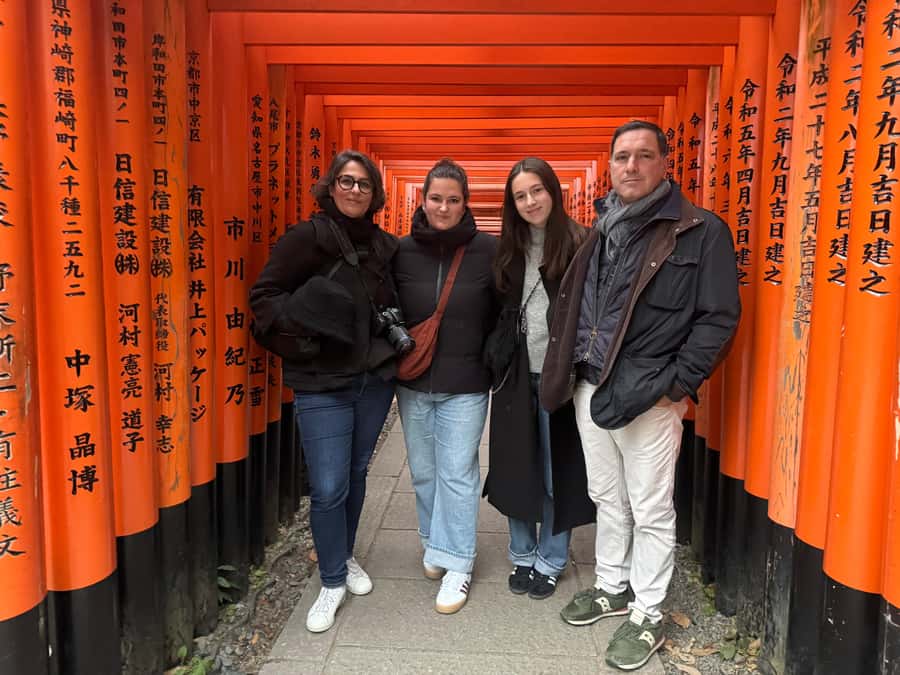
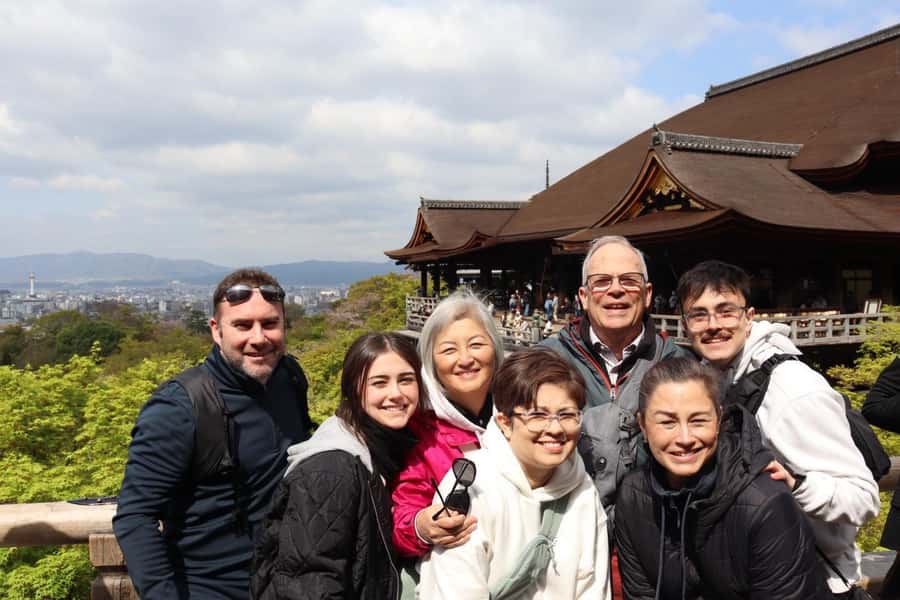
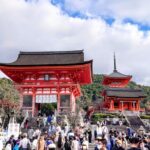
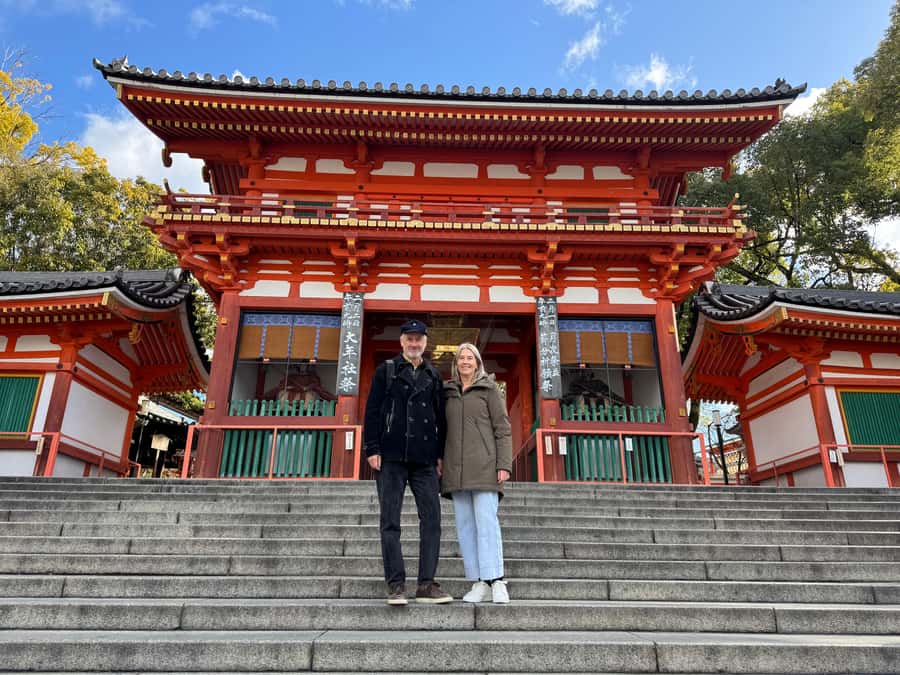
Kiyomizu-dera is built for morning drama. The tour includes the Kiyomizu-dera entrance fee (500 yen), which removes one more small friction point. From there, you get sweeping city views and the kind of iconic temple atmosphere that makes your camera work overtime.
This part is also where comfortable shoes matter most. Even if you’re not doing a full hike, temple grounds still involve slopes and steps. If you’re carrying a heavy bag, you’ll feel it. Keep your essentials light, and plan to walk with your pace, not with the crowd.
The guide’s job here is to make the temple make sense. He shares stories and traditions connected to what you’re seeing, and he points out details you’re likely to overlook on your own. That’s a big reason this tour earns strong ratings: the “what am I looking at” questions get answered as you go.
Also, this is a walking tour using public transportation. So the morning flow matters. You’re not dropped randomly at a landmark and left to figure it out. You move from stop to stop with enough time on foot to enjoy the view points without sprinting.


Gion on foot: historic streets with a calmer feel
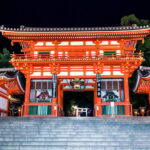
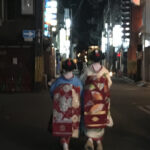
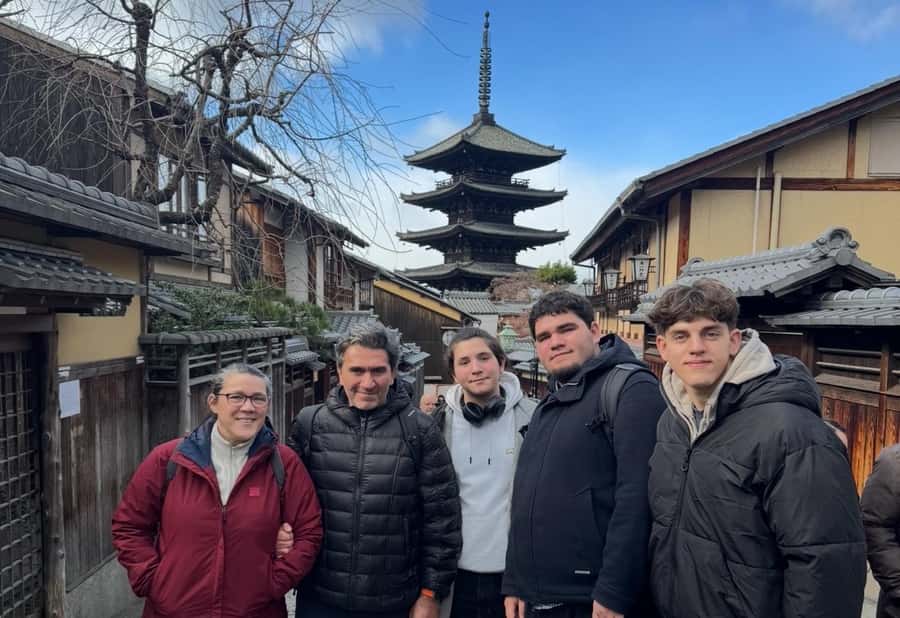
The tour ends with a walk through Gion, Kyoto’s most historic and enchanting district. Gion is one of those places that people expect to be loud and crowded all day. Starting in the morning changes the vibe. You’re still in a famous neighborhood, but you’re experiencing it before the strongest wave of visitors.
Walking matters here because Gion isn’t just a single viewpoint. It’s about street feel: the narrow lanes, the way the neighborhood opens up in small bursts, and the contrast between old-town charm and modern city life. With a guide, you get context for what you’re seeing and why it matters.
You’ll also get the benefit of photo time with the tour’s photography support. If you’re not comfortable asking strangers or hunting for the right angle, it’s a relief to have someone already working that problem for you.
By the time you reach Gion, you’ve already walked through torii gates and temple spaces. That makes the final neighborhood feel like a natural transition instead of a random last stop.
Price and logistics: is $81 actually good value?
At $81 per person, this tour can feel like a lot until you break down what’s included. Here’s what you’re getting for that price:
- Passionate local English-speaking guide
- Entrance fee for Kiyomizu-dera (500 yen)
- Sample of Kyoto traditional sweets
- Stunning professional photos taken during the tour
- Free Wi-Fi
Then there’s what you should plan for:
- Public transportation fare, about 400 yen
- Meals and drinks (not included)
- Personal expenses
For me, the value comes from the combination: early access to top sights, an English guide who explains the meaning behind what you see, and professional photos. Those three pieces are exactly what’s hard to DIY if you want more than a quick selfie montage.
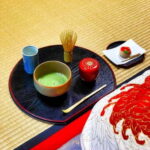
The sweets and Wi-Fi are small touches, but they help too. The sweets give you a Kyoto taste that fits the morning timing. The Wi-Fi is useful if you’re checking transit routes or sending photos afterward while your phone is already out.
Also, the tour is private/small group. That pacing tends to make questions easier and keeps the walk from turning into a herd situation.
Photo support and small-group pacing that doesn’t feel rushed
Many tours promise photos. This one actually bakes them into the experience. A guide takes professional photos during the tour, and the overall pace is built for walking with time to stop, look, and ask questions.
One detail that stands out from the guide’s reputation is how he answers questions and points out details you might not notice. That matters because Kyoto can be visually overwhelming. If someone helps you track what to focus on, your pictures and your memories both improve.
The free Wi-Fi is also helpful in a very practical way: you can keep your phone ready for maps and photo organization without burning data. When you’re moving across neighborhoods, that convenience adds up.
Just remember the tour is still walking. Even if the pace is managed well, you should treat it like a morning of sightseeing on foot. Bring water if you usually get thirsty, even if meals and drinks aren’t included.
Who should book this Kyoto Morning Highlights Tour
This tour is a strong fit if you:
- Want to see Fushimi Inari, Kiyomizu-dera, and Gion without spending your whole day planning
- Care about learning shrine and temple etiquette, not just taking pictures
- Appreciate professional photo help and a guide who explains what you’re seeing
- Prefer an early start to avoid the worst crowd peaks
It’s less ideal if you:
- Need wheelchair-friendly access, since it’s not suitable for wheelchair users
- Use baby strollers or baby carriages, since those aren’t allowed
- Dislike moderate walking or you can’t handle stairs and temple steps
If you’re the type who gets cranky when you’re late, treat the meeting time seriously. The tour has a strict start, and being late means missing it.
Should you book this tour?
If your goal is a focused Kyoto morning with major sights, plus cultural context and photos that look like you planned your trip, I think this is a smart booking. The included 500 yen entrance at Kiyomizu-dera, the sweets sample, and the guide-led etiquette help make the experience feel complete for the time you have.
You should book if early mornings don’t scare you and you’re comfortable walking. Skip it if walking is a problem or if you want a totally flexible schedule where you can arrive whenever you feel like it.
Overall, this is the kind of tour that turns iconic Kyoto into something you understand, not just something you pass through.
FAQ
What places are included in the Kyoto morning highlights tour?
The tour covers Fushimi Inari, Kiyomizu-dera Temple, and Gion. It also includes Kasuga Grand Shrine as one of the featured stops.
Is the tour walking-only or does it include transportation?
It’s designed as a walking experience and uses public transportation to move between stops. You’ll spend plenty of time on foot.
Where do we meet the guide?
You meet at the central exit of Kyoto Station, near a yellow map by the exit and next to the 7-Eleven. The guide holds an OTAKU hopper logo sign.
Is public transportation included in the price?
No. Public transportation fare is not included and is listed as about 400 yen.
Which entrance fees are included?
The entrance fee for Kiyomizu-dera Temple (500 yen) is included. Other costs, if any, are not stated as included.
Does the tour include food or drinks?
Meals and drinks are not included. You do get a sample of Kyoto traditional sweets during the tour.
Do I get photos during the tour?
Yes. The tour includes stunning professional photos taken during the experience.
What if I arrive late for the meeting time?
If you’re late for the meeting time, you won’t be able to join the tour and you won’t receive a refund.
Is there a cancellation window?
You can cancel up to 24 hours in advance for a full refund.