REVIEW · KYOTO
Concerts Played with Traditional Instruments in Kyoto
Book on Viator →Operated by Gen · Bookable on Viator
A home becomes a stage, and the music takes over. This Kyoto experience puts you in front of koto and shamisen players in a traditional house setting, with a short intro before the show, then a live performance that mixes well-known classical pieces with more modern works. You’ll also get time for questions and photos after the music, and you can add a hands-on koto practice session if you upgrade.
I love the way the program explains the instruments first, so the sound makes more sense once the performance starts. I also like that it’s not just a passive concert: there’s a Q&A component and the option to try a simple koto part yourself. One thing to consider is that the whole experience is about 50 minutes, so it’s focused. If you want a long, sprawling night out, this is more “tight and memorable” than “half-day event.”
In This Review
- The 5 Big Reasons This Is Worth Your Time
- Entering Gen Home Saiin: Why a Home-Stage Concert Feels Different
- Pre-Concert Intro: Making Koto and Shamisen Sound Less Mysterious
- The 50-Minute Show: Classical Names, Modern Mix, and Real Emotion
- After the Performance: Q&A and Photos That Don’t Feel Rushed
- The Hands-On Koto Upgrade: Trying a Simple Piece (and Learning by Doing)
- Price and Value: $39.63 for a Home-Stage Performance
- Practical Kyoto Tips: Timing, Getting There, and What to Bring
- Who Should Book This Koto and Shamisen Concert
- Should You Book This Kyoto Koto and Shamisen Concert?
- FAQ
- How long is the koto and shamisen concert?
- Where does the concert take place?
- What’s included in the ticket price?
- Is coffee or tea included?
- Is transportation provided?
- Do I need a printed ticket?
- Is there a hands-on koto option?
- What’s the cancellation policy?
The 5 Big Reasons This Is Worth Your Time
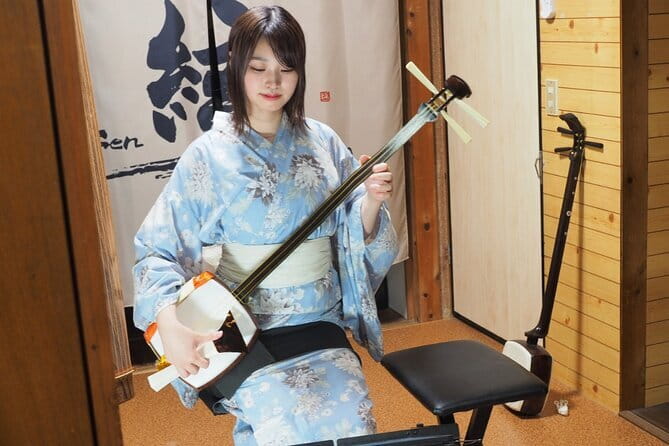
- You get an instrument intro first, so you can actually follow what you’re hearing
- Live performance in a real home (not a formal hall), which makes the sound feel close
- Q&A and photo time after the music, so you can ask questions while things are fresh
- Includes specific classical pieces, including Chidori no Kyoku, Rokudan no Shirabe, and Kajimakura
- Optional hands-on koto upgrade lets you try a simple piece, even if you’ve never played before
Entering Gen Home Saiin: Why a Home-Stage Concert Feels Different
Kyoto is full of great music venues, but this one has a special trick: it’s hosted at someone’s home. When you walk into that setting, you’re not thinking about tickets and rows. You’re thinking about how instruments sound when the room is intimate and everyday—like you’re sitting down for a special family event that happens to include professional musicians.
That format matters. Koto and shamisen don’t just fill space; they create texture. In a home environment, those details can feel easier to catch, even during quick passages. And because you’ll have a brief intro beforehand, you’ll spend less time asking, “What is that?” and more time listening for patterns, changes, and mood shifts.
The experience is also flexible. There are multiple tour options throughout the day, which helps if your Kyoto schedule is packed with temples, food stops, and photos you’ll never forget (or never delete).
You can also read our reviews of more tours and experiences in Kyoto
Pre-Concert Intro: Making Koto and Shamisen Sound Less Mysterious
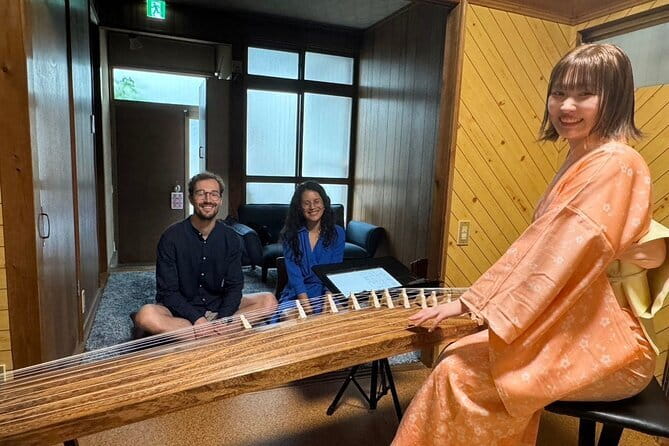
Before the performance, you learn the basics of koto and shamisen. That part is more valuable than it sounds on paper. Traditional instruments can feel intimidating if you only hear them as background music. A short explanation gives you hooks: how each instrument produces sound, what kinds of melodies they tend to support, and what to listen for once the musicians begin playing.
And it’s not a vague “sometime long ago” lecture. The experience includes a brief introduction and explanation, and it’s presented in English. If you like learning just enough to enjoy, this is exactly that sweet spot. You don’t need to study music theory to appreciate what’s happening—you just need a few clean anchors.
Also, this prep sets you up for the Q&A later. When you can ask a real question instead of a general one, you get more out of the time with the musicians.
The 50-Minute Show: Classical Names, Modern Mix, and Real Emotion
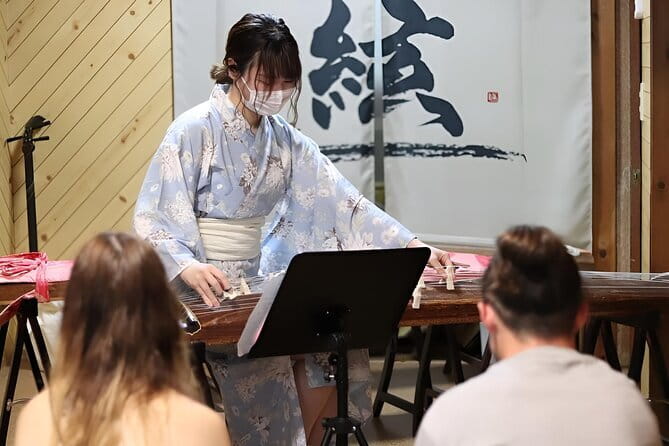
The concert at Gen Home Saiin is about 50 minutes (approx.), and it moves at a natural, performance-first pace. You’ll hear a live program called Harmonies of Japan, designed to cover both traditional pieces and more modern or original compositions.
A big reason this works for first-timers is the mix of familiar and learnable. The set includes classical titles such as:
- Chidori no Kyoku
- Rokudan no Shirabe
- Kajimakura
You also get context around where the music comes from, and the program connects the performances to legendary koto and shamisen figures such as Yoshizawa Kengyo, Yatsuhashi Kengyo, and Kikuoka Kengyo. That isn’t trivia for a pamphlet. It helps you recognize that you’re not just hearing “cool Japanese instruments.” You’re hearing styles shaped by named masters.
One piece deserves special mention: Chidori no Kyoku. Even with no prior knowledge, it’s often described as deeply moving, and that makes sense. It’s the kind of melody where the details matter—the rhythm, the pacing, the way notes seem to hover before resolving.
And yes, the program includes modern and original compositions too. That’s an underrated benefit. It stops the whole thing from feeling like a museum display. You’re hearing how these instruments can carry older melodies and still speak in newer musical language.
After the Performance: Q&A and Photos That Don’t Feel Rushed

Right after the music, the experience shifts into Q&A and photo-taking. This is one of the most practical upgrades you can get in any cultural performance. A good concert can be moving, but you often walk away with the same unanswered questions. Here, you get a chance to ask while the musicians are still in performance mode.
You’ll also get a more personal interaction than you’d find in many formal venues. In a home setting, the conversation feels more direct. Even if your questions are simple—how something is played, what the mood means, how a piece is structured—you’ll usually leave with a clearer picture of the instruments and the intention behind the music.
If you enjoy photography, the photo time is part of the deal, not a random add-on. Just keep your expectations realistic: it’s scheduled, it’s finite, and it’s meant to be friendly and organized.
The Hands-On Koto Upgrade: Trying a Simple Piece (and Learning by Doing)
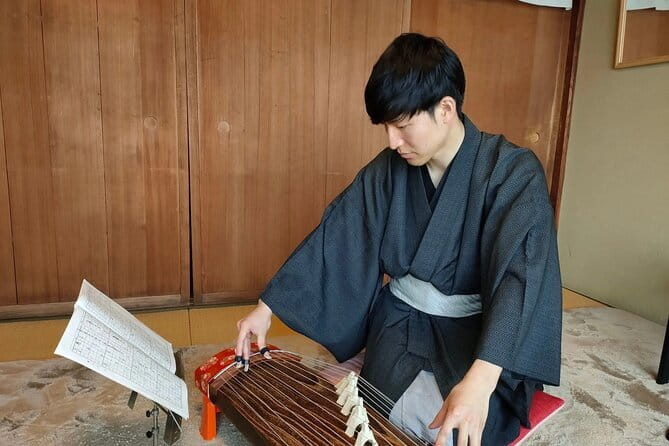
There’s an optional upgrade that lets you participate in a hands-on koto session where you try playing a simple piece. This is the part I think most people will remember longest, because it changes you from observer to participant.
And the key word here is simple. You’re not expected to become a koto player overnight. Instead, you’ll likely focus on a basic pattern or an approachable melody shape, so you can understand how the instrument feels under your hands and how the music translates from performance to practice.
Even if you don’t upgrade, the inclusion of the option matters. It means the experience isn’t only about watching professionals. It’s about helping you get a feel for the instrument in a way that lectures can’t do.
If you’re the type who learns best by doing—especially with instruments—this upgrade is usually the smartest add-on you can choose.





Price and Value: $39.63 for a Home-Stage Performance
At $39.63 per person, this concert is priced like a mid-range cultural ticket, but the setting gives it better value than you’d expect. Why? You’re not only paying for a 50-minute performance—you’re also paying for:
- the instrument intro and explanation
- live musicians in a private home context
- Q&A time and photos
- the chance to add a hands-on koto session
That combination matters because you get multiple layers of engagement. Many concerts offer one layer: sit, listen, leave. This experience stacks learning + interaction + performance in one package.
Two small notes on what’s not included: coffee and/or tea aren’t included, and you’ll need your own way to get there (private transportation isn’t provided). The good news is the venue is near public transportation, so you’re not stuck planning for a complicated commute.
Also, you’ll receive a confirmation at booking time, and you’ll get a mobile ticket, which makes day-of logistics smoother.
Practical Kyoto Tips: Timing, Getting There, and What to Bring
Because you have multiple departure options throughout the day, pick a time when your energy matches your plans. This is a focused event. It works best when you’re not already racing to fit three other things before and after.
In terms of getting there, the venue is near public transportation. That’s a big deal in Kyoto. Transit can shape your entire day. If you’re hopping between neighborhoods, this helps keep the concert from turning into a travel headache.
What should you bring?
- A charged phone for your mobile ticket
- A willingness to ask a question during Q&A (even one simple one helps)
- If you upgrade for hands-on koto: just plan to participate, not to just watch
One more small detail: the package includes WiFi on board. That doesn’t sound relevant to a concert, but it can help if you’re checking transit times or translating your own questions before you sit down.
Who Should Book This Koto and Shamisen Concert
This is a strong fit if you want:
- a traditional Japanese music experience that’s not locked behind language or technical knowledge
- an intimate setting where you can actually talk and learn
- a program that mixes classics with modern/original work
- the chance to try koto with a guided, simple practice session
You might think twice if you’re looking for a long evening program with lots of food stops and free roaming. This is about the music and the interaction. It’s short on time purpose, and that’s usually a plus.
It also suits most visitors who are comfortable in basic live-audience settings. The experience says most travelers can participate.
Should You Book This Kyoto Koto and Shamisen Concert?
If you want a Kyoto experience that feels personal, not packaged, I’d book it. The combination of a home-stage setting, an English introduction, a live performance with named classical pieces, plus Q&A and photos makes this more than just a ticket to a show.
The optional hands-on koto upgrade is the decision point. If you like interactive experiences—especially anything involving instruments—upgrade. If you prefer to simply listen, you’ll still leave with enough context to appreciate what you heard.
For me, the clincher is that you’re not only watching traditional instruments—you’re learning how to listen, then you get time to ask questions right after. That’s the kind of cultural activity that doesn’t fade the next day.
FAQ
How long is the koto and shamisen concert?
It lasts about 50 minutes.
Where does the concert take place?
It takes place at Gen Home Saiin in Kyoto.
What’s included in the ticket price?
The experience includes landing and facility fees, WiFi on board, and participation in the koto and shamisen concert with a brief introduction and explanation.
Is coffee or tea included?
No. Coffee and/or tea are not included.
Is transportation provided?
Private transportation isn’t included, but the venue is near public transportation.
Do I need a printed ticket?
No. You’ll use a mobile ticket.
Is there a hands-on koto option?
Yes. There’s an upgrade that lets you participate in a hands-on koto session where you try playing a simple piece.
What’s the cancellation policy?
You can cancel for a full refund up to 24 hours in advance. If you cancel less than 24 hours before the start time, the amount paid isn’t refunded.