REVIEW · KYOTO
Kyoto Early Bird English Tour: Fushimi Inari & Gion(Private opt)
Book on Viator →Operated by OTAKU hopper · Bookable on Viator
Kyoto before the crowds is a rare win. This early-bird private English tour strings together Kyoto’s most photo-worthy sights—Fushimi Inari in the morning, Gion in the calmer hours, and the Yasaka area temples—so you get meaning, not just stamps. I especially like having Ikki (often listed as the guide) explain what you’re seeing in plain English, and I love the added value of professional photos taken during the walk. The one thing to watch: this is a walking tour with public transit, and the time can feel a bit shorter in real life than the full 4–5 hours listed.
If your Kyoto plan is still a little too “must-see checklist,” this tour helps you connect the dots fast. You’ll see sacred spaces, historic streets, and classic viewpoints in one efficient loop, with a guide who’s also good at pacing and answering questions.
In This Review
- What You’re Really Buying: Time, Context, and Photos
- Key Stops at a Glance (Why Each One Matters)
- Morning Start at Fushimi Inari: Torii Gates With Breathing Room
- Kiyomizu-dera: The Viewpoint You Can’t Fake
- Sannenzaka & Ninenzaka Streets: Browsing Mode, Not Rush Mode
- Yasaka Pagoda (Hokanji): When Scale Feels Impossible
- Yasaka Koshin-Do: Color in a City of Controlled Calm
- Gion Ending: Geisha District Atmosphere Without the Pressure
- Why a Private Early-Bird English Tour Works for Most People
- Price and Logistics: What Costs Extra, What You Gain
- The Human Factor: Ikki’s Style and Why It Shows Up in the Details
- Should You Book This Kyoto Early Bird Tour?
- FAQ
- FAQ
- Is this tour private?
- How long is the tour?
- What does the tour cost, and what’s extra?
- Are the main shrine and temple visits included in the price?
- Does the tour include photos?
- Where does the tour start and end?
- What should I bring for a morning walking tour?
- Can I cancel for a refund?
What You’re Really Buying: Time, Context, and Photos
On paper, the price looks simple: $99.10 per person. The better question is what you don’t want to spend your time on in Kyoto. You don’t want to hunt for directions at 8 a.m., wait in line with a phone in your hand, and then stare at a shrine without knowing what you’re looking at.
This tour packages three practical perks:
- A local English-speaking guide who can explain the symbolism behind what you’re seeing (not just where the buildings are).
- A morning-focused route that prioritizes the big hits before the busiest crush.
- Photo help along the way, so you’re not constantly begging strangers or trying to fix selfies on slopes.
Yes, you’ll still pay a couple of things separately: public transportation (¥390 per person) and Kiyomizu-dera admission (¥500 per person). Food and drinks are also on you. Even with those add-ons, the value holds best if you care about learning and saving time.
Key Stops at a Glance (Why Each One Matters)
Fushimi Inari early: Red torii gates feel magical before the lines show up.
Kiyomizu-dera viewpoint: You get a classic Kyoto overlook from a temple built for dramatic scenes.
Sannenzaka & Ninenzaka: Historic stone streets where you can slow down and browse.
Yasaka Pagoda (Hokanji): An old wooden landmark that’s known for being built without nails.
Yasaka Koshin-Do: Colorful decorations that feel unusual next to more muted temple interiors.
Gion finishing stretch: Historic streets and preserved machiya atmosphere, ending near the Yasaka Shrine area.
You can also read our reviews of more private tours in Kyoto

Morning Start at Fushimi Inari: Torii Gates With Breathing Room
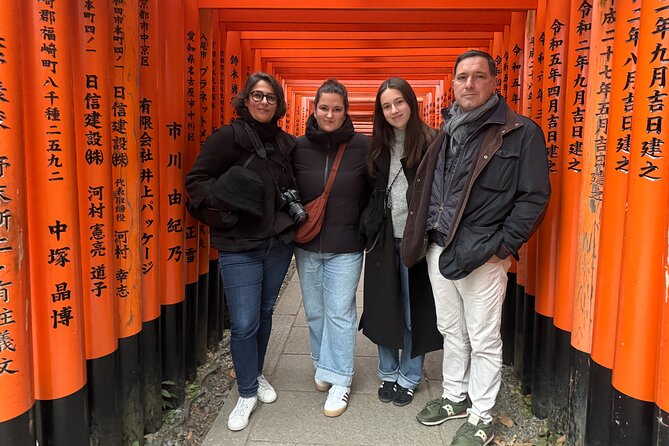
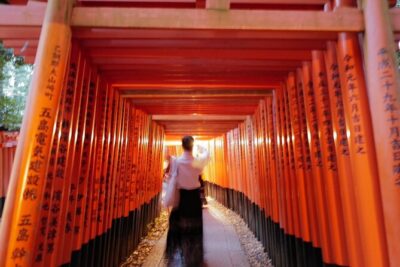
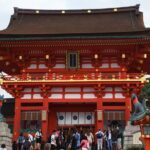
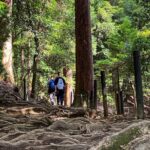
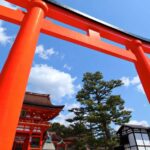
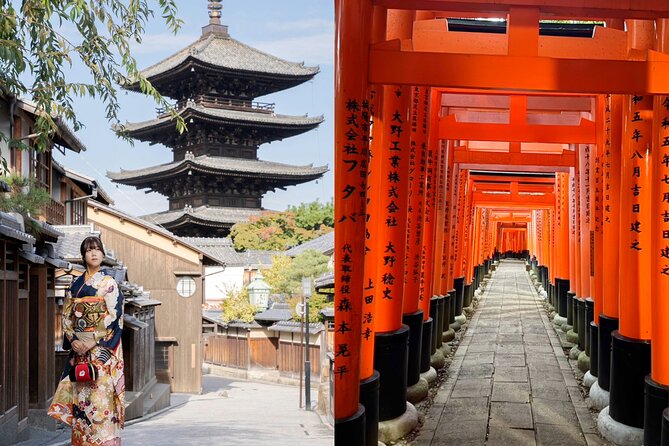
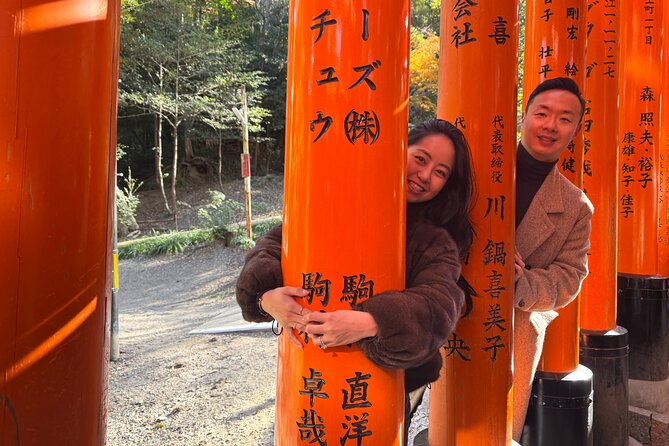
Fushimi Inari-taisha is the kind of Kyoto sight you’ve seen in photos for years—until you’re actually there. The thousands of vibrant red torii gates form trails up the forested Mount Inari. The shrine is dedicated to Inari, the god associated with rice and prosperity, which matters because the whole place is built around that idea of offering and good fortune.
Going early changes everything. You’re more likely to walk without getting pushed along, and the photos come out better because you can actually move through the space instead of waiting for a gap. The guide’s job here isn’t just timing. They’ll help you understand what makes the torii path feel different from other shrine visits: it’s a walk you do with purpose.
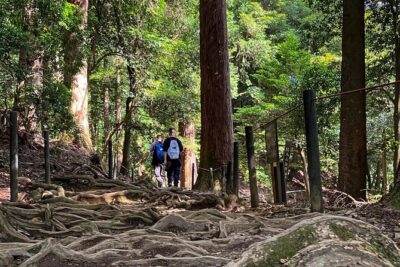
Practical note: comfortable shoes matter. The paths can involve stairs and uneven ground. If you’re the type who likes to linger, you’ll find your pace adjusting here—because the place is designed to be walked slowly.
Kiyomizu-dera: The Viewpoint You Can’t Fake
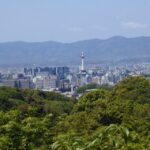
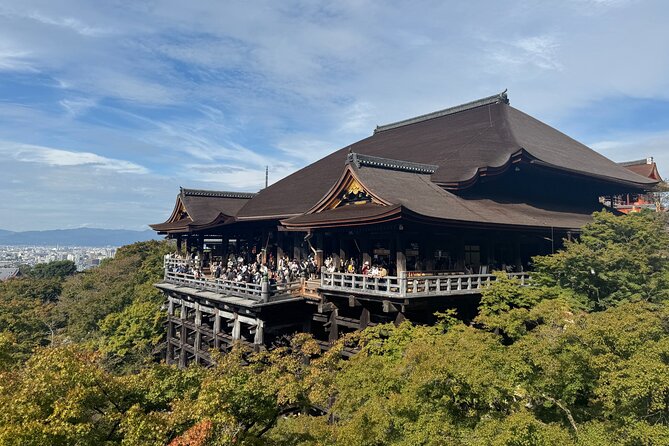
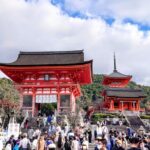
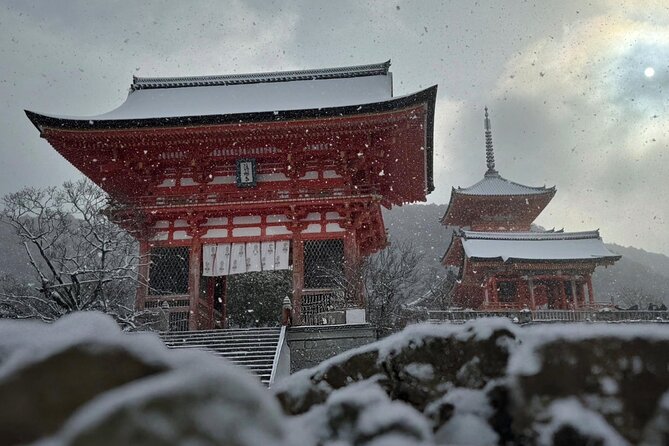
After Fushimi Inari, the route heads toward Kiyomizu-dera, one of Kyoto’s most popular temples and one of the main reasons people plan whole days around this city. It sits up on a mountain and is known for panoramic views of Kyoto.
This stop is the one where you’ll pay the admission fee (¥500 per person). That cost is worth it if you want the full viewpoint experience rather than just passing by the area. The temple’s layout encourages you to take your time. You’ll likely spend about an hour here, which feels right: long enough to see the main highlights without rushing your eyes.
What a good guide adds: context. When you understand what you’re looking at—how religious spaces function, why certain features exist, what visitors are meant to notice—you stop feeling like you’re just collecting angles for Instagram.
Sannenzaka & Ninenzaka Streets: Browsing Mode, Not Rush Mode
Then comes the change of pace. Sannenzaka and Ninenzaka are charming stone-paved streets lined with souvenir shops and restaurants in historic wooden buildings. Walking here feels like stepping back in time, mostly because the street design and building style keep pulling you toward older Kyoto vibes.
This part is shorter—about 15 minutes—but don’t treat it like a quick photo stop. Use it to reset your brain after temple stairs and shrine pathways. Look for small crafts, sweets, or simple local goods you can bring home without overthinking it.
If you’re hungry, this is a good moment to decide what kind of food you want next. The guide often has food recommendations, and many people value that part because Kyoto can feel overwhelming when you’re trying to pick between tourist traps and places locals actually use.
Yasaka Pagoda (Hokanji): When Scale Feels Impossible
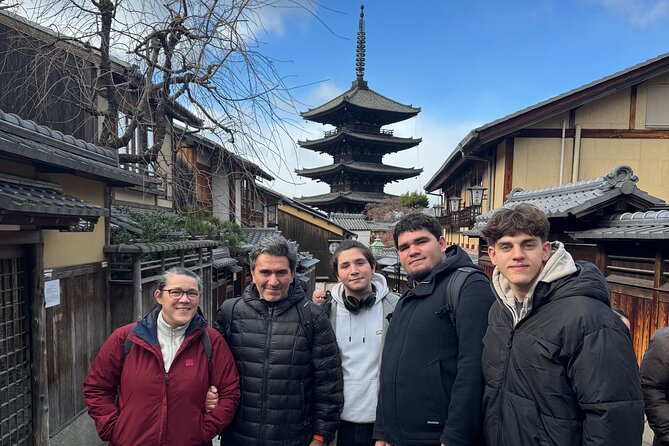
Next up is Yasaka Pagoda (Hokanji temple), one of Kyoto’s older wooden structures. The standout detail is the claim that it was built without nails, and the building’s scale makes you do a double-take when you see it in person.
This is another short stop (around 15 minutes), but the point here is visual impact. You’re going from fast-moving crowds to a moment where you can appreciate materials and craftsmanship—without needing to spend half a day.
If you like architecture or building history, this is the stop that quietly rewards you. You don’t need a lot of explanation to see why people mention it, but the guide’s notes can make it more meaningful by linking the structure to Kyoto’s long relationship with wooden construction.

Yasaka Koshin-Do: Color in a City of Controlled Calm
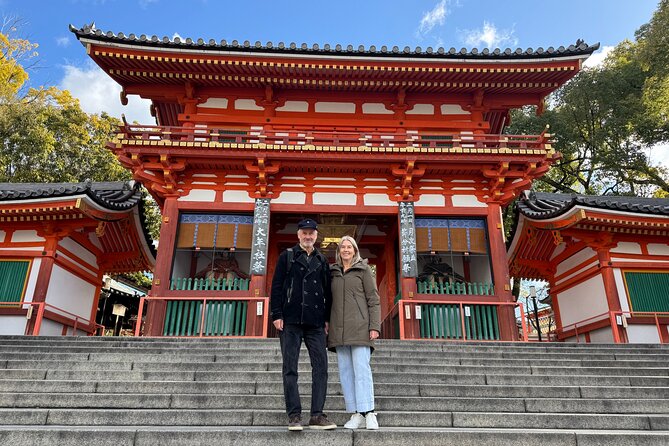
Yasaka Koshin-Do is a mysterious temple with decorations that are described as especially striking. Compared with the more restrained look of many temple spaces, the colors here feel more expressive, almost like a counterpoint.
Expect about 15 minutes. It’s not a long stay, but it’s memorable because it breaks the pattern. When your day includes torii red, dark temple wood, and mountain views, a colorful interior helps your eyes and your mood.
If you’re the type who thinks temples all look the same, this stop is an easy argument against that. Kyoto has variety. You just need the right order to notice it.
Gion Ending: Geisha District Atmosphere Without the Pressure
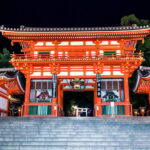
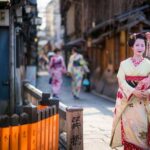
The tour finishes in Gion, Kyoto’s famous geisha district. The area is known for traditional machiya townhouses, teahouses, and preserved historic streets. Even if you’re not aiming to spot geisha or maiko (you probably won’t treat it like a safari), the neighborhood atmosphere is the point.
This stop gets about 15 minutes, and then you end near Yasaka Shrine (a 30-minute final destination segment). The handoff is useful: you’re placed right where you can keep exploring on your own.
A smart way to enjoy this finish is to shift into walking-right-after-mode. Don’t immediately look for your next destination. Let the streets and lighting do their thing. If you’ve got energy, browse a little. If you’re tired, grab a sit-down meal. Either way, your guide can point you toward a route that makes sense.
Why a Private Early-Bird English Tour Works for Most People
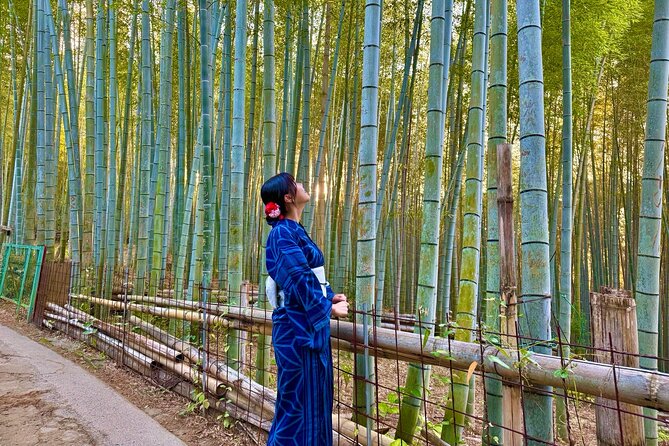
A private tour changes the experience in small but important ways. You don’t need to match someone else’s pace. You can ask questions that matter to your trip, like how to handle shrine etiquette, what certain features mean, or what to prioritize if you only have half a day.
The tour is designed as a walking experience using public transportation and plenty of time on foot. That matters because Kyoto is a city where you feel the city by moving through it, not by riding. If you have moderate physical fitness, you’ll find the route doable. If you’re dealing with mobility limits, you’ll want to think carefully about stairs and walking distance.
The other privacy perk: photo time. Many people mention that guide Ikki acts as a personal photographer. That’s not just kind—it’s practical. When someone else handles composition and timing, you get better photos and you stop wasting energy on small technical problems.
Price and Logistics: What Costs Extra, What You Gain
Let’s run the math in a real-travel way. The tour is $99.10 per person. On top of that, you should expect:
- Public transportation fare: ¥390 per person
- Kiyomizu-dera admission: ¥500 per person
- Food and drinks: not included
So yes, the final total is higher than the base price. But compare it to the alternative: you could pay for entry tickets yourself, then spend your morning figuring out routes, explaining things to yourself (or using a guidebook), and trying to capture photos while navigating crowds.
Here’s where this tour often wins: you’re paying to avoid wasted time. The guide connects each stop with meaning, and the early timing helps you see a smoother side of Kyoto.
One more reality check: this is listed as 4 to 5 hours, but you should plan mentally for something closer to a half-morning pace. The stops are mostly one-hour or less, with several 15-minute segments, so the tour feels efficient.
The Human Factor: Ikki’s Style and Why It Shows Up in the Details
The guide names matter here because you’ll feel their approach. In the experiences shared, Ikki is consistently praised for strong English, friendly energy, and being very capable at explaining what you see step by step. People also mention he’s patient, upbeat, and good at taking lots of photos that you wouldn’t set up for yourself.
There’s also mention of another guide supporting the day. That can be a plus because it means you’re not stuck waiting while someone catches up. It also helps the flow through multiple stops in a single morning.
What you should take from all that: you’re not just buying a route. You’re buying a communicator who can make famous Kyoto sights feel less generic.
Should You Book This Kyoto Early Bird Tour?
I’d book this tour if you fit one of these profiles:
- You’re short on time and want Kyoto’s big names handled in one morning.
- You like learning the why behind shrines and temples, not just the where.
- You want photo help so you don’t leave Kyoto with 3 shaky images and a bad battery warning.
- You’re traveling with family or teens who need a pace that’s interesting, not boring.
I’d think twice if:
- You hate walking or stairs. This route uses public transit and involves plenty of on-foot time.
- You’re hoping for an all-day, slow, in-depth temple stay. This is a highlights-and-context format, not a long temple immersion.
If your goal is a smooth introduction to Kyoto that balances sacred sites, historic streets, and classic neighborhoods—while beating the worst crowd moments—this early-bird plan is a strong choice.
FAQ
FAQ
Is this tour private?
Yes. It’s a private tour/activity, meaning only your group participates.
How long is the tour?
It’s listed as about 4 to 5 hours, and it’s designed as a walk-and-transit experience.
What does the tour cost, and what’s extra?
The tour price is $99.10 per person. You also need to budget for public transportation (¥390 per person) and Kiyomizu-dera admission (¥500 per person). Food and drinks aren’t included.
Are the main shrine and temple visits included in the price?
Fushimi Inari-taisha is free. Kiyomizu-dera admission is not included. The other stops listed have free admission.
Does the tour include photos?
Yes. Professional photos are taken during the tour.
Where does the tour start and end?
It starts near Kyoto Station at Higashishiokoji Kamadonocho (Shimogyo Ward) and ends at Yasaka Shrine in the Gion area.
What should I bring for a morning walking tour?
Comfortable walking shoes are a must, since the experience is designed for plenty of time on foot. Bring water, and plan for light weather changes.
Can I cancel for a refund?
Yes. You can cancel up to 24 hours in advance for a full refund.