REVIEW · KYOTO
Kyoto Evening Gion Food Tour Including Kaiseki Dinner
Book on Viator →Operated by Arigato Japan KK · Bookable on Viator
A first taste of Kyoto after sunset is magic. This evening food tour blends a riverside walk along the Kamo River with an up-close look at Gion and its traditional teahouse streets, then finishes with a 10-course Kaiseki meal. I especially like how the route mixes big-picture context with street-level details, so you understand what you’re seeing instead of just passing by.
Two highlights for me: the guide-led tastings during the walk, and the sit-down Kaiseki dinner experience at a traditional dining spot in Pontocho. One thing to weigh: at $276, you’ll want the night to feel truly special, because Kaiseki quality and pacing depend on the restaurant setup that evening, and a small handful of diners felt the value didn’t match the price.
In This Review
- Key things that make this tour work well
- Your Kyoto timing: why 5:00 pm feels right here
- Japan Kanji Museum & Library: a quick reset before Gion
- Kamo River terraces and the Kamogawa bridge: Kyoto’s evening scene
- Pontocho: where geisha culture meets the eating part
- Gion walk: main roads, back alleys, and the reality of exclusivity
- Gion Shirakawa and the shrine-and-temple pacing
- The Kaiseki dinner at Pontocho Idumoya: the main event
- Food tastings on the walk: where appetite gets built
- Value for $276: what you’re really paying for
- Who this tour suits best (and who should skip it)
- Should you book the Kyoto Evening Gion Food Tour with Kaiseki?
- FAQ
- What time does the tour start?
- How long is the Kyoto Evening Gion Food Tour?
- Where is the meeting point?
- Where does the tour end?
- Is the Kaiseki dinner 10 courses?
- What drinks are included?
- Is the tour good for vegetarians or people with dietary restrictions?
- Are kids allowed?
- What is the minimum drinking age?
- If the weather is bad, what happens?
- FAQ
- What is the group size limit?
- What if I need to cancel last minute?
- Is hotel pickup included?
- Do I need to buy a ticket for the first stop?
- Is the tour physically demanding?
Key things that make this tour work well
- A small group (max 10) keeps the pace comfortable and questions easy to ask.
- Kamo River terraces + Kamogawa crossing gives you that classic Kyoto evening mood fast.
- Gion streets, main roads, and back alleys means you see more than the obvious postcard angles.
- 10-course Kaiseki plus green tea and dessert is the real anchor of the night.
- One included drink can make the meal feel more complete, but 21+ applies if alcohol is served.
- Free museum admission at the first stop is a nice bonus before you start eating.
Your Kyoto timing: why 5:00 pm feels right here
Starting at 5:00 pm is smart. Kyoto’s evening rhythm kicks in, and the river areas become social spaces rather than just scenery. You’ll cross into the old-town zones while lights are beginning to matter and shops are starting to feel alive, but you’re not stuck late-night either.
Also, this tour is built around food, so that early dinner slot matters. Kaiseki is a multi-course experience, and doing it in the evening keeps the pacing elegant instead of rushed. Even if you’re not a “food tour person,” this one works because the meal is paired with context: what you’re eating ties back to seasonality and Kyoto’s culinary style.
You can also read our reviews of more food & drink experiences in Kyoto

Japan Kanji Museum & Library: a quick reset before Gion
You meet at Japan Kanji Museum & Library in Gionmachi Minamigawa. It’s only about a 5-minute stop, and the admission there is listed as free. Think of it as a calm pre-walk briefing point rather than a full museum visit.
Why this matters: it’s easy to jump into Gion with blinders on. A short start like this helps you get oriented to the neighborhood theme fast. You’ll also get set with your guide and group before the walk turns into narrow streets and evening lanes where directions can get confusing.
Practical note: this is still Kyoto on foot. Wear shoes you can walk in for a few hours. The tour lists a strong physical fitness level, and the sidewalks are not designed for heavy rolling luggage anyway.
Kamo River terraces and the Kamogawa bridge: Kyoto’s evening scene
One of the core visuals here is the riverside promenade. You’ll head toward the Kamo River, cross the Kamogawa bridge, and stroll along terraces where locals relax in the early evening.
This is where Kyoto feels different from daytime sightseeing. The river isn’t just a backdrop. It’s a meeting place, and it gives you that slow, lived-in feeling. You’ll also get a smoother transition into the old districts because the walk naturally funnels you toward the entertainment area.
If rain hits, don’t panic. One of the guides in the past kept people in good spirits despite heavy rain. Still, bring a small umbrella or a light rain layer, since you’re outside for a while before dinner.
Pontocho: where geisha culture meets the eating part
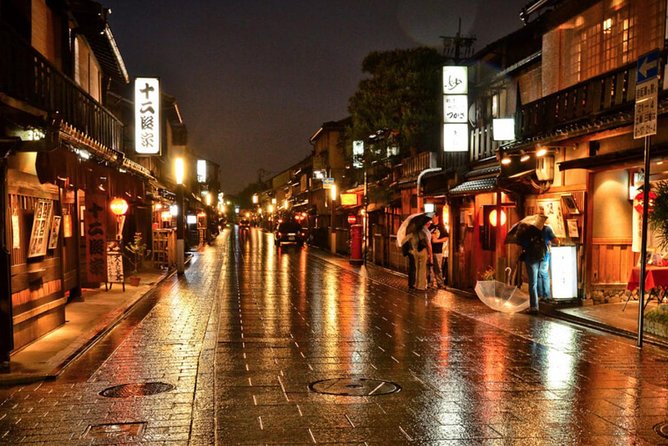
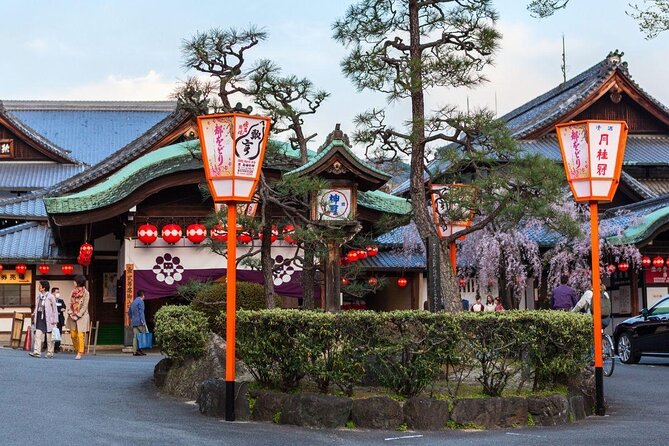
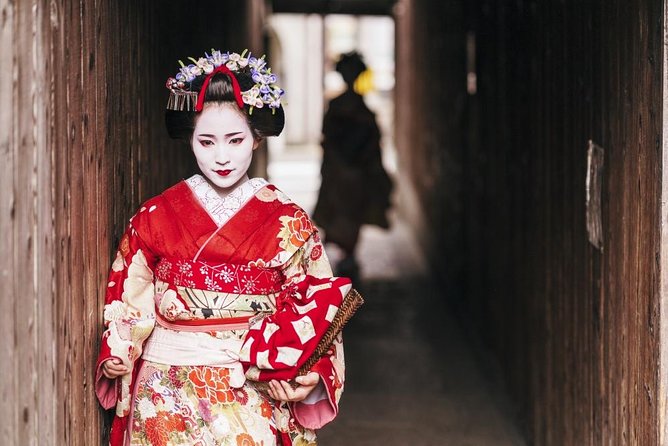
After the riverside segment, the tour route moves toward Pontocho, a neighborhood traditionally linked with geisha since the 16th century. You’re encouraged to keep an eye out for geisha moving between teahouses in traditional kimonos.
This is also where the vibe can shift from sightseeing to “you’re in the neighborhood.” Instead of treating Gion like a museum, you’re walking through an active district with real storefronts and evening routines.
One more reason Pontocho matters for food: the evening meal isn’t just bolted onto the end. The whole tour is arranged so you build appetite as you go. In practice, that means small tastings along the way and then the main event at the restaurant.
Gion walk: main roads, back alleys, and the reality of exclusivity
Gion is the famous entertainment district, and it’s also a maze of old buildings, teahouses, and high-end restaurants. The tour doesn’t try to sell you access; it gives you orientation. You’ll walk through Gionmachi and around areas like Gion Corner as you learn what makes the district work historically and socially.
You’ll also spend time on Hanamikoji Street during the walk. That street is one of the key lines that people associate with classic Gion. The charm is real, but the best part is what your guide helps you notice: the way the lanes feel designed for both everyday pedestrians and occasional special visits.
Here’s the practical payoff. When you understand the layout—main roads for visibility, back alleys for atmosphere—you stop feeling like you’re wandering randomly. You get a sense of where you are and why it looks the way it does.
You can also read our reviews of more tours and experiences in Kyoto

Gion Shirakawa and the shrine-and-temple pacing
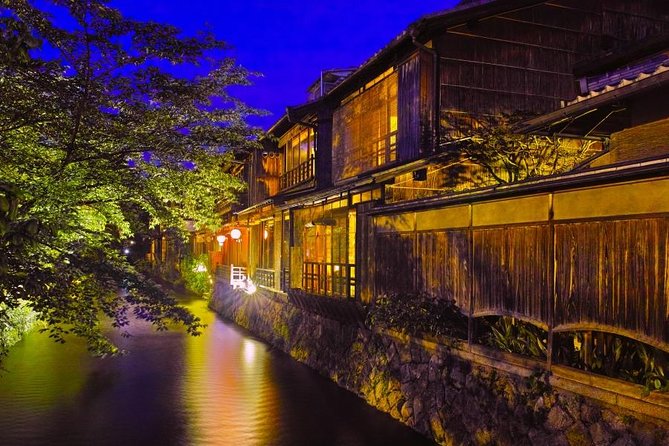
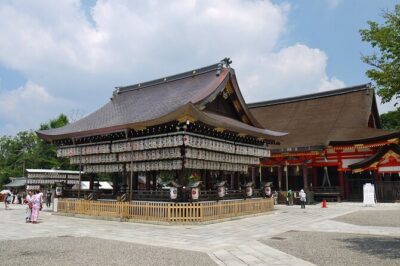
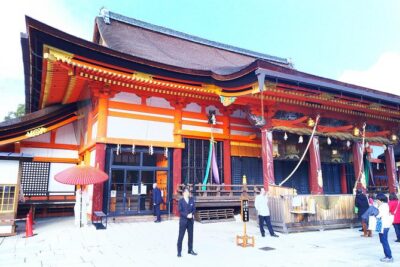
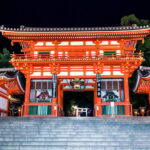
Next comes the Gion Shirakawa area. Expect more small streets, more turning corners, and short stops that anchor the walk culturally. This portion is listed at about 15 minutes, and it includes sights such as Tatsumi Daimyojin Shrine, a statue of Izumo-no-Okuni, Kyomizu Temple, Hōkanji Temple and Yasaka Pagoda, Tatsumi Bridge, and Hanamikoji Street.
That’s a lot of name density for a short chunk of time, so your best strategy is to treat it as orientation. You’re not supposed to study architecture like a class. You’re supposed to connect: shrine, bridge, and pagoda viewpoints that help explain why people care about this area.
A drawback to be aware of: with so many short segments, the walk moves at a steady pace. If you need frequent long stops for photos or breaks, this tour may feel tight. The good news is that the group size is capped at 10, so it’s usually manageable.
The Kaiseki dinner at Pontocho Idumoya: the main event
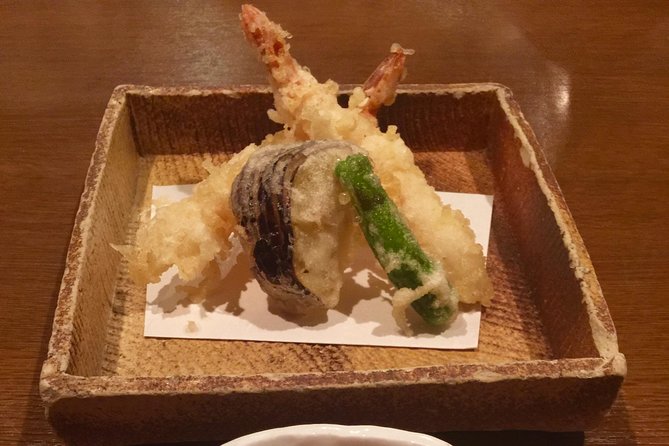
The tour culminates in dinner at Pontocho Idumoya (173-2 Kashiwayachō, Nakagyo Ward). This is where the evening justifies its price.
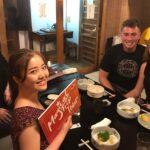
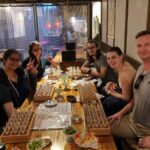
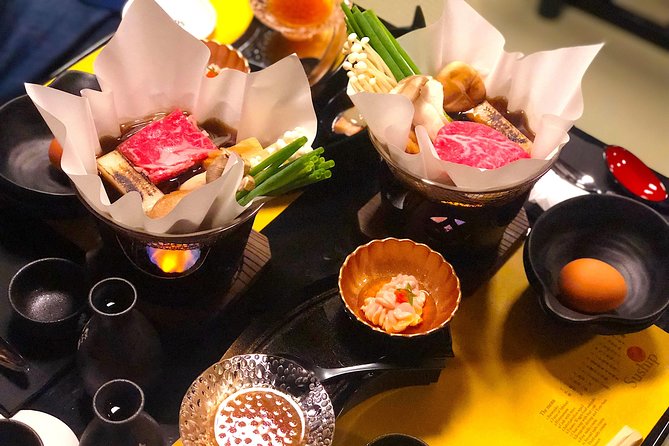
You’ll sit down for a 10-course Kaiseki meal, along with green tea and dessert. The tour also includes one drink, and since the minimum drinking age is listed as 21, the included drink may be alcoholic depending on the dinner setup. If you don’t drink, it’s still worth letting the operator know when you book, since you’re otherwise committing to a multi-course format.
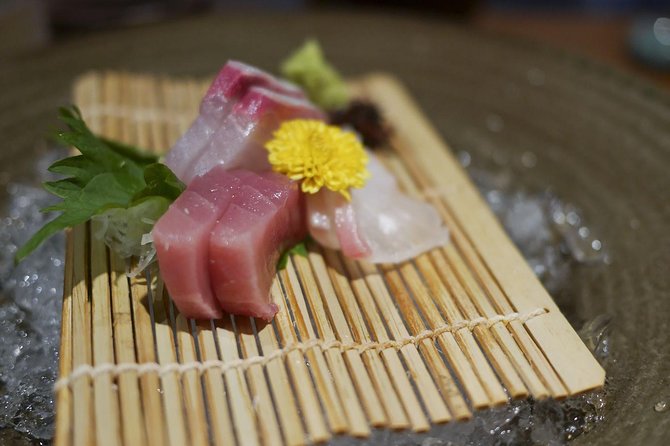
Why Kaiseki here is special: the tour frames it around seasonal ingredients and harmonious flavor combinations, which is the point of the style. Kaiseki isn’t about big portions. It’s about a sequence—small, thoughtful servings that change the palate from course to course.
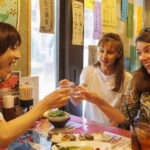
From past diners’ comments, the meal tends to be substantial even if it looks delicate. One person said the tour ended up with plenty of food and warned to go hungry. Another highlighted that the guide kept conversation going during the meal, which can make the dinner feel less like a handoff and more like a guided cultural experience.
Balanced reality check: at this price level, a single dinner has to land for you. A small number of past diners felt the food was merely mediocre and didn’t justify the cost. That doesn’t mean your meal won’t be great, but it does mean you should go in with realistic expectations: you’re paying for the combined value of guide + walking context + a full Kaiseki set, not just a generic restaurant dinner.
Food tastings on the walk: where appetite gets built
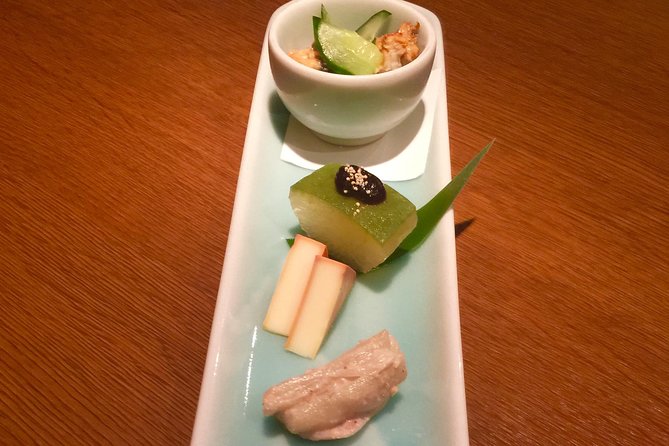
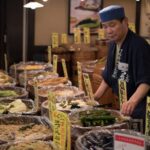
Between the big sightseeing segments, you’ll stop for tastings. The tour describes tastings as part of the route, and past diners noted specific examples like matcha cookies and plum shop-style treats.
This part is more important than it sounds. Tastings help you understand the flavors and ingredients before the full Kaiseki sequence. They also keep the evening from feeling like nonstop walking followed by an abrupt meal.
If you’re gluten-free or have dietary needs, the tour states it’s gluten-free friendly and vegetarian/pescatarian friendly. Past diners also said allergies were handled well. Still, don’t rely on assumption: confirm your needs during booking or right after, so the restaurant can plan the course set.
Value for $276: what you’re really paying for
$276 per person is not a budget price. So you should ask: where is the value coming from?
For me, the value equation looks like this:
- You get a guided evening walk through multiple Kyoto neighborhoods with context, not just a route.
- You get a structured multi-course meal: 10 courses plus green tea and dessert.
- The small group size keeps the experience personal enough that questions can land.
- The meeting point and end point are fixed, so you aren’t juggling transfers late in the day.
What you should also consider: it’s 3 hours on foot around dense old streets. If you’re planning a very busy itinerary and don’t want to walk much, you may feel like you paid for time on your feet as much as for food.
Finally, if you’ve already had excellent Kaiseki in Kyoto or Japan and you’re the type who compares course-by-course, you might be more critical. Kaiseki can vary by restaurant and night, so this tour is best for first-time Kyoto visitors or for people who want a guided, structured entry into the tradition.
Who this tour suits best (and who should skip it)
This experience fits you if:
- You want a Kyoto evening that mixes food and atmosphere, not just photos.
- You like walking with a guide who explains what you’re seeing in Gion.
- You’re excited about Kaiseki as a structured meal rather than a one-and-done dinner.
- You’re traveling in a small group or solo and want the night to feel intimate (max 10).
You might think twice if:
- You hate multi-course meals or want heavy portions.
- You can’t handle steady walking for about 3 hours.
- You’re extremely price-sensitive and only want the meal value, not the guiding portion.
Should you book the Kyoto Evening Gion Food Tour with Kaiseki?
If you want a classic Kyoto night with structure, I think it’s a strong yes. The big reason is the pairing: the walk through the Kamo River and Gion areas gives you context, and the Kaiseki dinner at Pontocho Idumoya gives you the payoff. It’s not just scenery plus dinner; it’s one connected experience.
Book it especially if you’re new to Kyoto or new to Kaiseki. The small group size and the way guides have been praised for clear explanations (names that have come up include Thomas, Sae, Yoshiko, Zae, Bernard, and Akari) suggest you’ll leave understanding what you ate and saw.
But if you’ve had unforgettable Kaiseki already and you’re expecting perfection at a very high price, keep your standards honest. Consider it a guided cultural night first, and a meal second that may or may not beat what you’ve already loved.
FAQ
What time does the tour start?
The tour starts at 5:00 pm.
How long is the Kyoto Evening Gion Food Tour?
It lasts about 3 hours.
Where is the meeting point?
Meet at Japan Kanji Museum & Library, 551 Gionmachi Minamigawa, Higashiyama Ward, Kyoto.
Where does the tour end?
It ends in the Pontocho area, at Pontocho Idumoya, 173-2 Kashiwayachō, Nakagyo Ward, Kyoto.
Is the Kaiseki dinner 10 courses?
Yes. The dinner is listed as a 10-course Kaiseki meal, plus green tea and dessert.
What drinks are included?
The tour includes green tea, dessert, and one drink.
Is the tour good for vegetarians or people with dietary restrictions?
The tour is listed as vegetarian, pescatarian, and gluten-free friendly.
Are kids allowed?
Children must be accompanied by an adult. For kids 10 and above, a passport information copy is required.
What is the minimum drinking age?
The minimum drinking age is 21 years.
If the weather is bad, what happens?
This experience requires good weather. If it’s canceled due to poor weather, you’ll be offered a different date or a full refund.
FAQ
What is the group size limit?
This tour/activity has a maximum of 10 travelers.
What if I need to cancel last minute?
Free cancellation is available up to 24 hours in advance for a full refund. If you cancel less than 24 hours before the start time, it is not refunded.
Is hotel pickup included?
No. Hotel pickup and drop-off are not included.
Do I need to buy a ticket for the first stop?
The Japan Kanji Museum & Library stop lists admission ticket free.
Is the tour physically demanding?
The tour states that travelers should have a strong physical fitness level.