REVIEW · KYOTO
Kyoto: Fushimi Inari-taisha y Kiyomizu-dera (Spanish Guide)
Book on GetYourGuide →Operated by Kansai4U · Bookable on GetYourGuide
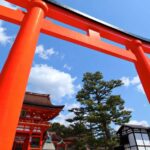
Red torii lead the way. This Spanish-led Kyoto day strings together Fushimi Inari-taisha’s mountain torii path and Kiyomizudera’s famous cliffside wooden platform, then adds a quieter side of the city with Otani’s Shinran-related sites. I like how the route is built for walking and views, not just photos, and I also like that you get guided time at the two biggest “must-see” stops.
Here’s the one thing to weigh carefully: the experience depends heavily on the guide’s storytelling. One Spanish guide (Miriam) was described as kind, but some felt there wasn’t much historical explanation, while another guide (Alejandro) was praised as fantastic and attentive—so if you care a lot about context, you’ll want a guide who matches that style.
In This Review
- Key highlights you’ll notice fast
- Torii trails at Fushimi Inari (your walking warm-up)
- Moving toward Higashiyama: the train and the Pontocho lunch break
- Otani Hombyo (Mausoleum of Shinran): quieter, more reflective Kyoto
- Otani Cemetery: a photo stop with a shift in mood
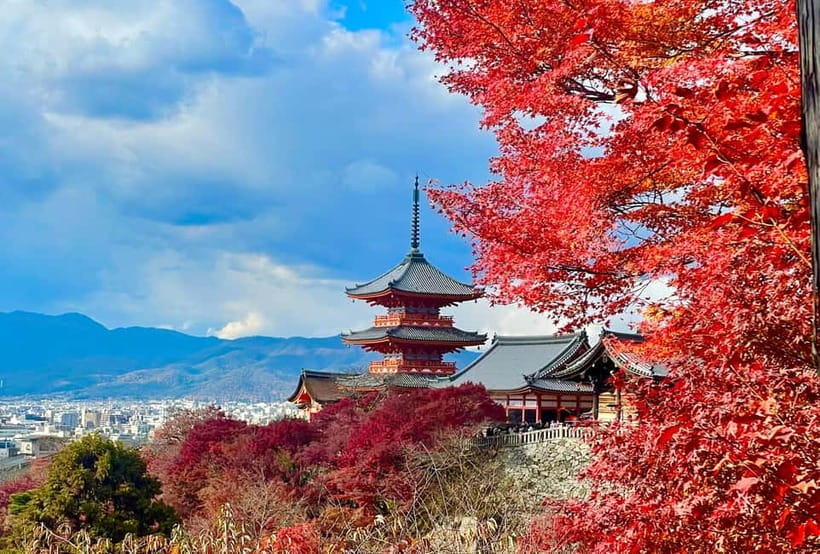
- Kiyomizudera on the hill: the cliffside platform moment
- Sannenzaka slopes and shopping time in Higashiyama
- Price and value: when $76 makes sense
- Who this Spanish tour is best for (and who should skip it)
- Should you book Kyoto: Fushimi Inari-taisha y Kiyomizu-dera?
- FAQ
- Where do I meet for the tour?
- What language is the guide?
- How long is the tour?
- Is this tour physically demanding?
- Are baby strollers allowed?
- Is the Kiyomizudera entrance ticket included?
- Is transport included between Fushimi Inari and Kiyomizudera?
- What is the cancellation policy?
Key highlights you’ll notice fast
- Thousands of torii at Fushimi Inari, with time to stroll side paths and smaller shrines
- Guided Kiyomizudera visit with the entrance ticket included
- Otani Hombyo and Otani Cemetery for a calmer, more reflective Kyoto moment
- Higashiyama area walking through classic streets toward Sannenzaka
- Spanish live guide throughout, so you can ask questions and follow the route clearly
Torii trails at Fushimi Inari (your walking warm-up)
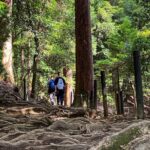
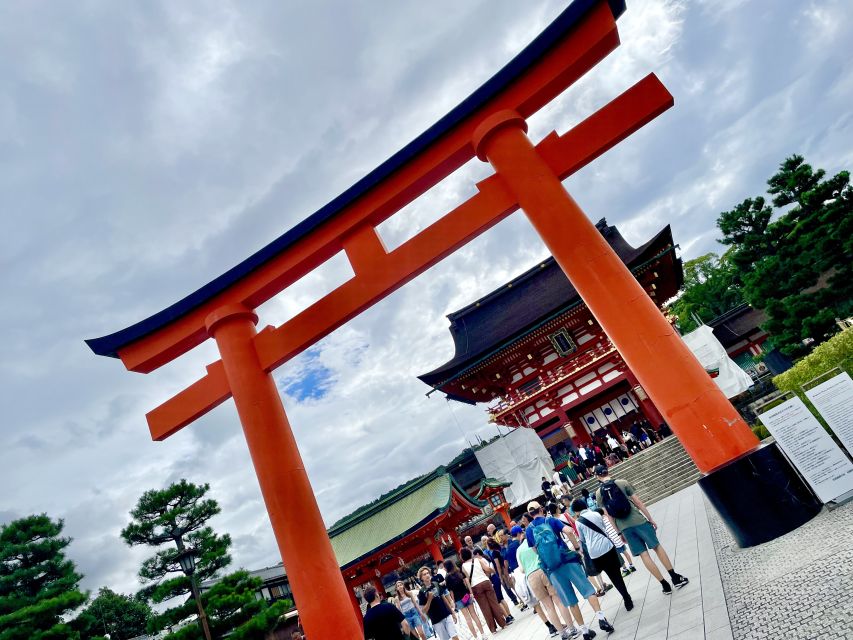
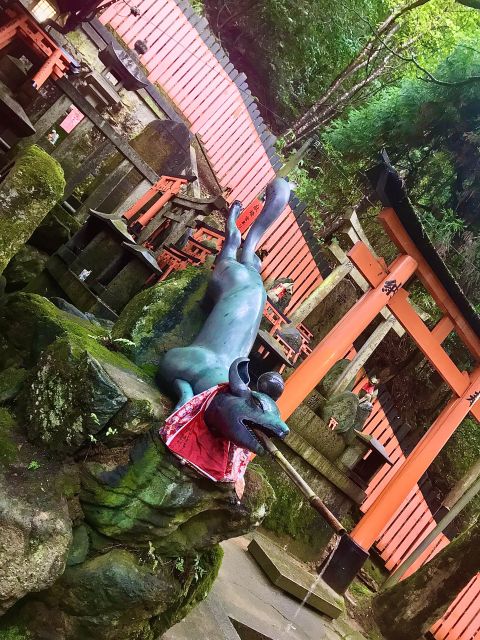
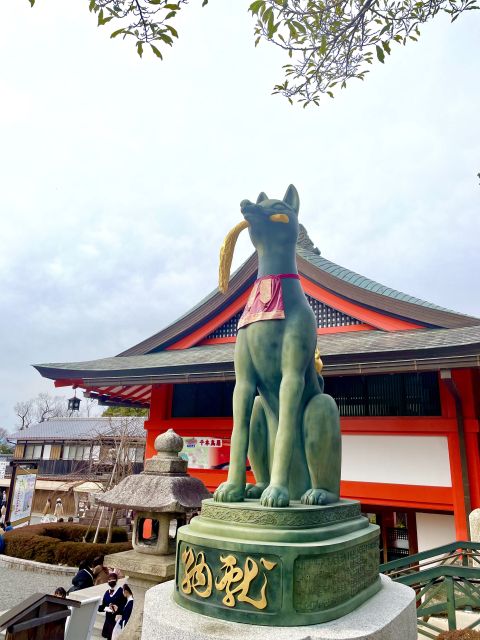
Fushimi Inari-taisha is the kind of place that starts working on you before you even reach the densest section. You’ll start at Fushimi-Inari Station and meet in front of JR Inari, right by the fox statue, which makes it easy to orient quickly. Then the tour shifts into mountain-walking mode: trails, stairs, and lots of up-and-down as the torii gates rise with the path.
What makes this stop feel special is the way you experience the shrine. This isn’t a quick drive-by. You’re on foot for about 3.5 hours, which means you can do more than skim the most crowded section. You also get time to slow down and look around at smaller altars and shrines along the way. That matters, because with Fushimi Inari, the big story is the overall tunnel of red gates—but the “real Kyoto” feeling comes from those in-between moments when the path narrows and the crowd thins.
Practical tip: comfortable shoes are non-negotiable here. Even if you’re an experienced walker, the stairs at the torii trails will get your legs working. If you’re the type who hates tight, busy lines, this is still doable because you’re moving at a guided pace—but you should expect moderate physical effort.
You can also read our reviews of more guided tours in Kyoto

Moving toward Higashiyama: the train and the Pontocho lunch break
After you finish the Fushimi Inari portion, the day pivots to central Kyoto. There’s a short train ride (about 15 minutes) and then you settle into a break around Pontocho, where you’ll have about an hour for lunch.
This is a smart pacing choice. If you’ve been climbing for hours, you need a reset—especially before you tackle Kiyomizudera on a hillside. Use this window to grab something simple and energizing, and don’t over-plan. You’re not just feeding yourself; you’re also buying time to recharge your brain before the next series of temples and viewpoints.
One more note: transport between Fushimi Inari and Kiyomizudera is not included. The itinerary includes the train segment, but you should plan on paying for your transit portion yourself.
Otani Hombyo (Mausoleum of Shinran): quieter, more reflective Kyoto
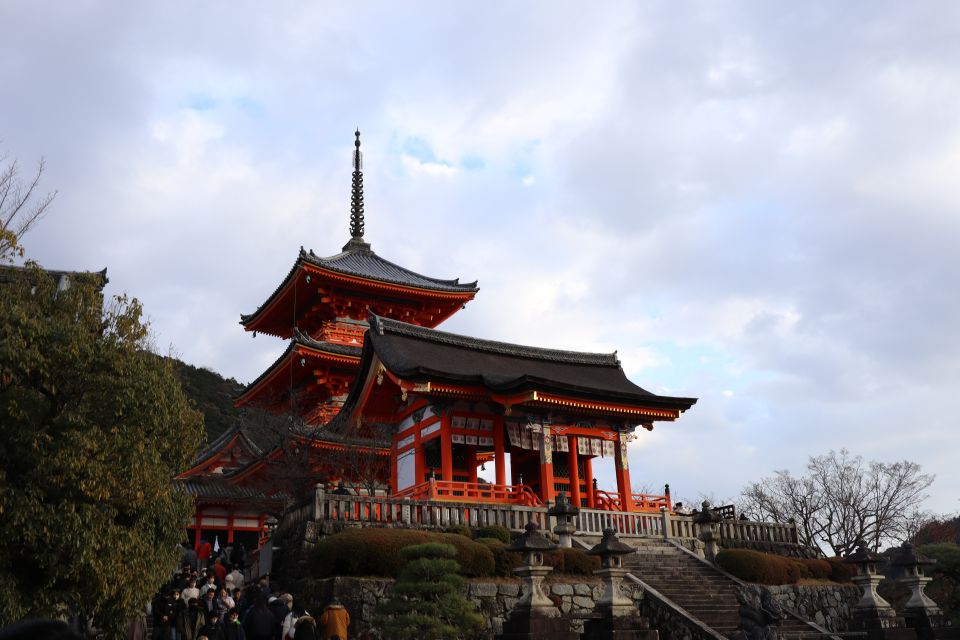
Next comes a temple stop with a different tone. You’ll walk for about 30 minutes toward Otani Hombyo Temple (Mausoleum of Shinran), and then spend around 45 minutes on the guided visit and sightseeing.
What I like about this stop in a day like this is the contrast. Fushimi Inari is big, theatrical, and visually overwhelming. Otani Hombyo is more subdued. You’ll get guided time here, plus walking along the approach and passing scenic sections en route. It’s a good place to regroup your thoughts: you’re moving through Kyoto’s spiritual landscape, but at a calmer volume.
If your day tends to blur together, Otani Hombyo is the kind of stop that can anchor the trip. Instead of another rush to the most famous viewpoint, you get a chance to slow down and look at how the area functions as a sacred space.
Otani Cemetery: a photo stop with a shift in mood
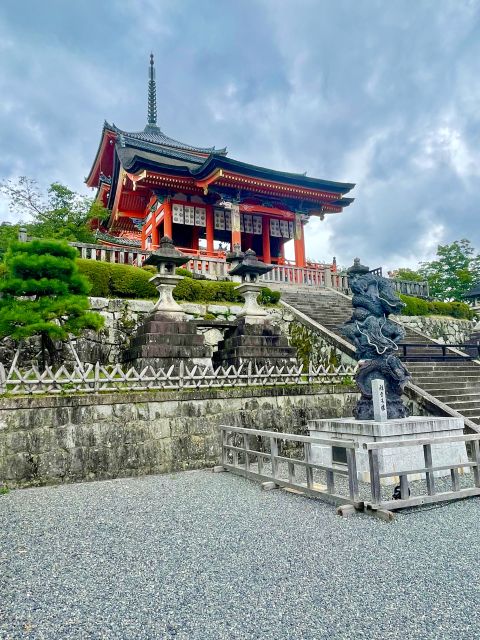
Right after Otani Hombyo, you’ll reach Otani Cemetery for about 30 minutes. This includes a photo stop, a guided tour, and some sightseeing time.
Why this works: it gives your eyes a break from the biggest architectural spectacles. Cemeteries and memorial spaces can feel heavy anywhere, but in Kyoto’s rhythm they also provide perspective—especially after a long walk day. Even if you just want photos, the guided component helps you understand what you’re looking at rather than treating it like a scenic backdrop.
Tip: use this time to steady your legs and take it slow. You’re still in “walking day” territory, and by now the hills and steps add up. A short photo stop is fine, but I’d avoid sprinting through this section.
Kiyomizudera on the hill: the cliffside platform moment
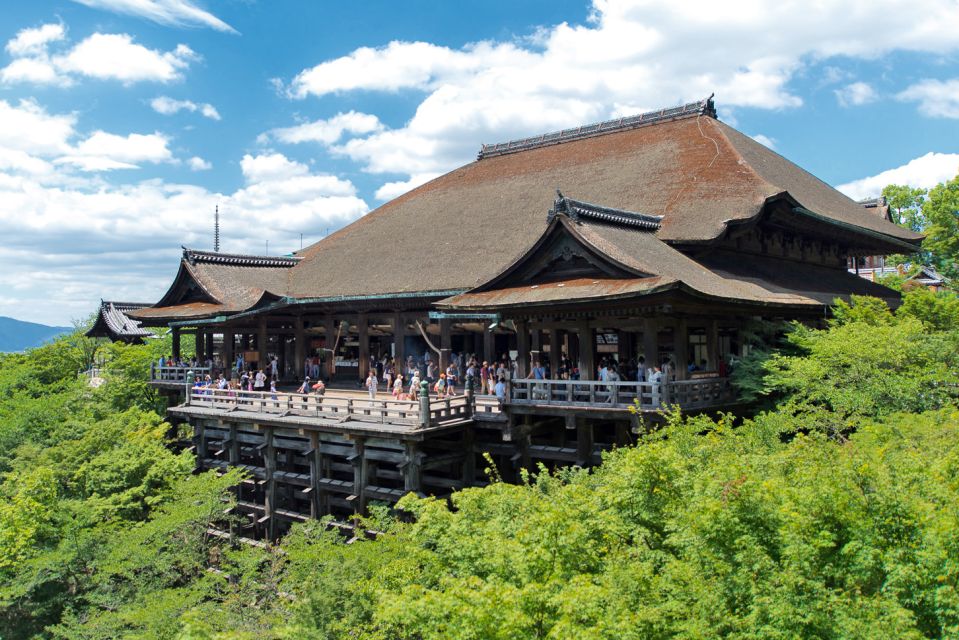
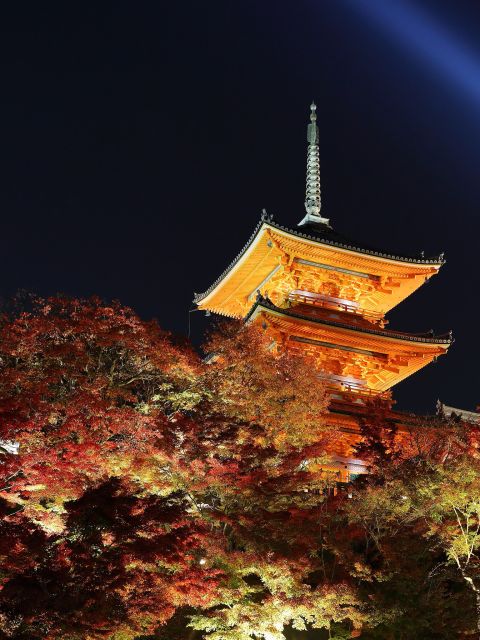
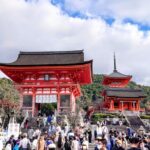
Then you get the main event: Kiyomizudera. The schedule gives around 1.5 hours here, including a photo stop and guided sightseeing. This is one of the big reasons the day is worth doing as a guided group: it’s not just seeing the site; it’s moving through it in a way that helps you understand what matters.
The defining visual is the temple’s wooden platform that extends over the cliff. Even if you’ve seen pictures, standing near it is different. The view angle and the scale are the point, and the guided time helps you find your way through the viewing areas and the key parts of the temple grounds.
You’ll also be able to appreciate the main hall area and explore the serene gardens around it. That combination—dramatic platform and calmer garden space—is what makes Kiyomizudera feel like a full experience rather than a single postcard viewpoint. And because the Kiyomizudera entrance ticket is included, you don’t have to do extra ticket logistics mid-day.
Weather reality check: Kyoto can be unpredictable. If rain comes through, the hills and outdoor steps become slick. Keep your shoes grounded and be ready to slow your pace around photo points.



Sannenzaka slopes and shopping time in Higashiyama
After Kiyomizudera, you transition into Sannenzaka for about 30 minutes. This is where the tour shifts from strict sightseeing to Higashiyama-style strolling and shopping.
Sannenzaka is the kind of street area you can wander without getting lost, but it still feels “Kyoto” in the best way: classic lanes, small storefront energy, and the sense you’re walking through older streets. The guided component keeps you from spending your entire limited time trying to figure out where to go next.
Since the time is short, I’d treat this as a browse window. You’re not here to complete a shopping marathon. Pick up a snack, check out small souvenirs, and take a last look at the street vibe before the day ends.
Price and value: when $76 makes sense
At $76 per person for a 7-hour Spanish-guided day, this tour is priced in the “value if you want guidance and time-saving” category.
Here’s what you’re getting for that money:
- Guided time at Fushimi Inari-taisha
- Guided time at Kiyomizudera, plus the entrance ticket included
- Guided stops at Otani Hombyo and Otani Cemetery
- A structured route that keeps you moving between multiple major areas
What you don’t get:
- Transport between Fushimi Inari and Kiyomizudera is not included
So the math is simple. If you’d otherwise try to stitch together these stops on your own—especially with the extra walking and the timing—the guided structure can save energy and reduce decision stress. If you’re the kind of traveler who just wants to wander freely without needing interpretation, you may feel the price more sharply, particularly if you end up with a guide who doesn’t focus on the historical explanations you’re hoping to hear.
And guide quality is the biggest variable. Alejandro reportedly delivered a very attentive experience, while feedback about Miriam suggests some guests wanted more history and temple context. That doesn’t mean the tour is bad, but it does mean you should know what you want from a guide before you pay.
Who this Spanish tour is best for (and who should skip it)
This tour is best for you if:
- You want a Spanish live guide and like being able to ask questions while you walk
- You’re comfortable with a moderate effort day, including stairs and trails
- You want both big-name Kyoto sites and a quieter spiritual detour (Otani)
It’s not a good match if:
- You have mobility impairments or you know you’ll struggle with stairs and uneven paths
- You travel with a baby stroller, since strollers aren’t allowed
- You’re planning around needs of unaccompanied minors, since they aren’t permitted
Also, if your ideal day is mostly photo hunting with zero explanation, you might feel the value drop. This is a guided experience with multiple guided visits.
Should you book Kyoto: Fushimi Inari-taisha y Kiyomizu-dera?
I’d book it if you want a structured, walk-forward Kyoto day that hits the headline sights and also gives you a Shinto-and-Buddhism route feel through shrine and temple stops. The included Kiyomizudera entrance ticket and the guided time at multiple sites make it practical, especially if you don’t want to figure out pacing on your own.
I’d think twice if you’re paying specifically for deep historical storytelling. Based on feedback, guide style can vary—some guides were praised for attentiveness, while others were criticized for not providing much context. If that’s your top priority, consider checking that the guide’s approach matches what you want, and go in ready to ask questions.
If you match the walking level and you’re excited by torii gates plus a cliffside platform, this is a solid Kyoto day.
FAQ
Where do I meet for the tour?
You meet in front of JR Inari Station, next to the fox statue.
What language is the guide?
The live tour guide speaks Spanish.
How long is the tour?
The total duration is 7 hours.
Is this tour physically demanding?
It has moderate physical effort, including climbing the mountain at Fushimi Inari using trails and stairs.
Are baby strollers allowed?
No. Baby strollers are not allowed.
Is the Kiyomizudera entrance ticket included?
Yes. Kiyomizudera entrance ticket is included.
Is transport included between Fushimi Inari and Kiyomizudera?
No. Transport from Fushimi-Inari to Kiyomizudera is not included.
What is the cancellation policy?
You can cancel up to 24 hours in advance for a full refund.