REVIEW · KYOTO
Gyoza Cooking Class in Kyoto: Traditional Japanese Dumplings
Book on GetYourGuide →Operated by Factory Alliance · Bookable on GetYourGuide
Gyoza you can actually repeat at home. This Kyoto workshop is a hands-on way to learn how Japanese dumplings are filled, wrapped, and cooked so you get a crisp bottom and juicy bite. I especially liked the ingredient-choice flexibility (meat and vegetable fillings) and the fact you leave with a full gyoza recipe for home cooking. The main drawback to weigh is the price: at $127 per person, it’s really for people who want to do the cooking, not just watch.
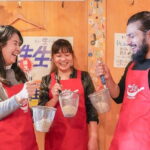
The vibe is relaxed and beginner-friendly, with instructors who can slow things down when the folds get tricky. In one class I’m seeing mentioned by name, the teacher Hama and an assistant kept things fun and clear, and even kids did well. It’s also easy to reach, with the meeting point a short walk from Karasuma Oike Station (Exit 2), so you can tack this onto an evening without too much stress.
In This Review
- Key Highlights
- Why Learning Gyoza in Kyoto Is Such a Practical Skill
- Getting There: Karasuma Oike Exit 2 Made Easy
- The 90-Minute Flow: From Filling Selection to the Pan-Crisp Finish
- Picking Fillings: Meat and Vegetable Options Without Guesswork
- The Wrapping Lesson: Folding Technique That Holds Together
- Cooking Your Gyoza: How the Pan Makes the Difference
- The Samurai Photo Moment and the Simple Meal Reward
- What You Take Home: The Recipe and the Confidence to Cook Again
- Price and Value: What $127 Gets You in Kyoto
- Who This Class Fits Best (and Who Might Skip It)
- Should You Book This Kyoto Gyoza Cooking Class?
- FAQ
- How long is the gyoza cooking class?
- Where is the meeting point in Kyoto?
- What languages are spoken during the class?
- Is there an English-speaking instructor?
- What’s included in the price?
- Do I get a recipe to cook gyoza at home?
- Are transportation costs included?
- Is the experience suitable for wheelchair users?
- What should I do if I have allergies or dietary restrictions?
- Can I cancel for a refund?
Key Highlights
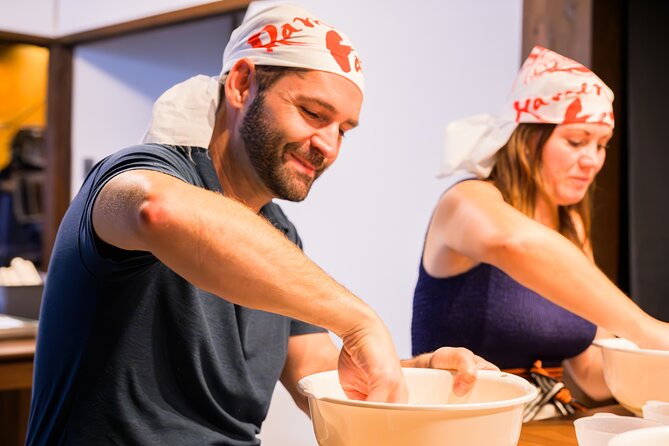
- Choose your own meat and vegetable gyoza fillings, then tailor flavor to what you like
- Learn authentic wrapping technique step-by-step, even if you’re starting from scratch
- Cook your gyoza in the pan so you can see the crisping process up close
- Eat the gyoza you make, fresh from the pan, not a generic meal
- Take a photo with a samurai, a fun Kyoto cultural moment built into the experience
- Get the full recipe so your next batch at home is more likely to work
Why Learning Gyoza in Kyoto Is Such a Practical Skill
Kyoto is a great place to learn food basics, because you’re not just getting a souvenir. You’re picking up a repeatable method: how to balance filling choices, how to portion dough, and how to cook dumplings so they don’t turn soggy or fall apart.
Gyoza also has a built-in logic that makes the lesson stick. You learn the whole chain—ingredients, wrapping, and pan-cooking—so when you’re home you can troubleshoot. If the bottoms aren’t crisp, you’ll know where to adjust. If the filling tastes off, you’ll know how to change what goes inside.
Two things I like for real-world value. First, you’re not stuck with one flavor. You can select from different meat and vegetable fillings, which matters if you’re cooking for picky eaters or if you want a lighter option. Second, the class doesn’t just end with eating. You get the full recipe, which is what turns an experience into something you can actually use.
You can also read our reviews of more cooking classes in Kyoto
Getting There: Karasuma Oike Exit 2 Made Easy
You’ll meet about a 5-minute walk from Exit 2 of Karasuma Oike Station on Kyoto’s subway lines, and it’s listed as roughly 362 meters from the station. That’s the kind of detail that saves time when you’re already juggling temples, trains, and dinner plans.
Why this location matters: Karasuma Oike sits on major subway lines, so it’s simpler to reach from lots of popular areas. And because the class runs 90 minutes, you don’t want a long commute that eats into your evening.
You should also plan around local walking time. Even a short walk can feel longer if you’re carrying a bag and navigating crowds. If you want a smoother start, I’d give yourself a little buffer so you’re not arriving five minutes late while your instructor is prepping the class rhythm.
The 90-Minute Flow: From Filling Selection to the Pan-Crisp Finish
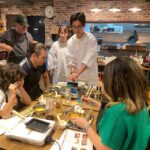
The workshop is designed as a complete mini-session. You’ll spend most of the time doing, not watching. The natural rhythm looks like this:
You begin by learning what to select and how to handle the ingredients for gyoza fillings. Then you move into wrapping—shaping dumplings with guidance so they actually close well. After that, you cook them to get the texture right: crispy on the bottom and tender inside.
What makes this structure useful is that you’re learning the sequence that home cooks struggle with. Many people can mix a filling. Fewer people know the wrapping discipline that keeps the filling inside. And the cooking step is where gyoza goes from fine to great. The class walks you through the pan process so you can see what crisping looks like in real time.
The class also gives you a cultural layer while you cook. You’ll learn culture and stories connected to the dish as you go, which makes the technique feel less mechanical. It’s not just fold and fry. It’s a small window into a Japanese comfort food you’ll recognize in restaurants.
Picking Fillings: Meat and Vegetable Options Without Guesswork
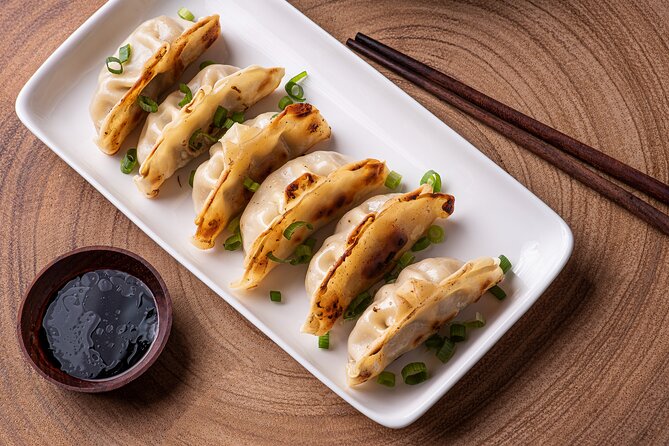
One of the biggest practical wins here is choice. You can select among different meat and vegetable fillings, and that flexibility makes the lesson feel personalized instead of generic.
If you’re traveling with someone who has different tastes, this matters. You’re not forced into a single “everyone eats the same thing” setup. You can pick a veggie-forward batch, a meat-forward batch, or a mix so you can compare textures and flavors.
I also like that the class frames ingredient selection as part of skill-building. You’re not only learning what to do; you’re learning how to think about what you like. That’s what gives you confidence to tweak the next batch at home using your own pantry.
A quick note to keep the experience smooth: you’re asked to inform the team in advance if you have allergies or dietary restrictions. Don’t treat that as a formality. Tell them early so they can guide you toward options that fit.
The Wrapping Lesson: Folding Technique That Holds Together
Wrapping is where the learning curve lives. The good news is the class is set up for both complete beginners and experienced cooks. That balance is important in a hands-on setting, because everyone learns the basics differently—some need a slower pace, and some want to try more quickly.
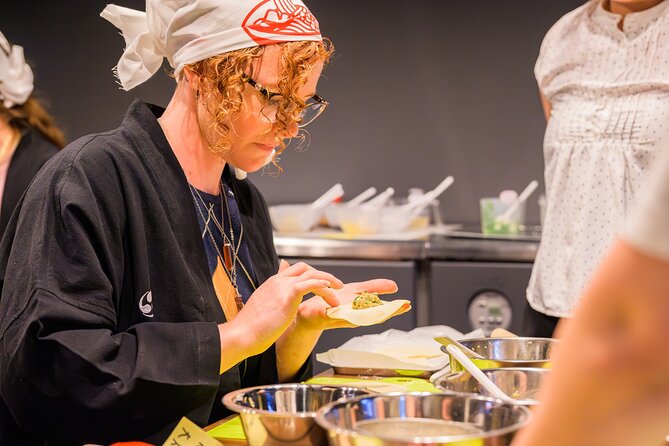
You’ll learn authentic wrapping techniques with instructor guidance. Then you shape your own gyoza—so you’re not relying on someone else’s hands. This is also why the class is 90 minutes. There’s enough time to practice the feel of the wrapper and build a dumpling you can cook confidently.
From an “at home success” standpoint, wrapping technique is the foundation. If your folds don’t seal well, you’ll lose filling in the pan and end up with less texture. If you fold too thick, you might struggle to cook the inside through. Getting it right in class saves you guesswork later.
If you’re the type who likes to take notes, this is a moment to be extra attentive. Even if you take a photo of your finished dumplings, you’ll want to remember the key step that got them to stay closed.
You can also read our reviews of more tours and experiences in Kyoto

Cooking Your Gyoza: How the Pan Makes the Difference
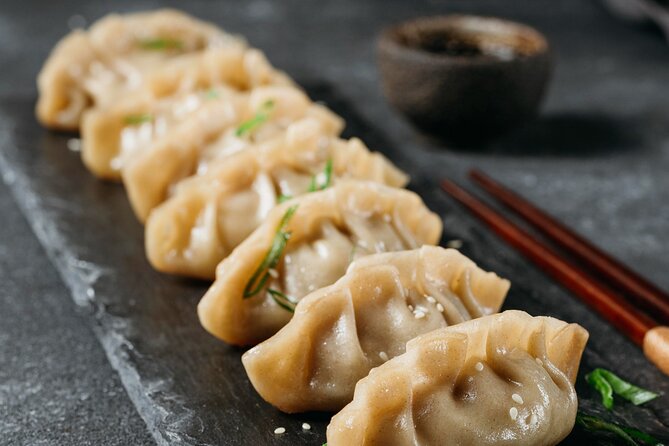
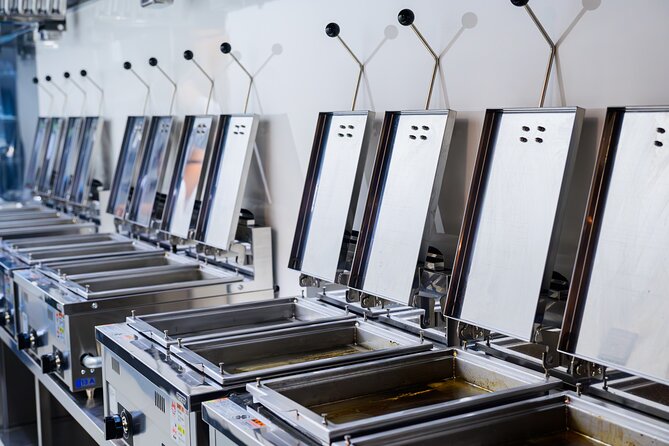
After you shape your gyoza, you cook them to perfection in the pan. This is the payoff moment: the point where your dumplings go from raw to crisp and fragrant.
The class makes the cooking step hands-on, so you’re doing it during the session. That matters because pan-cooking is more technique than recipe. Heat level, placement in the pan, and timing all influence the crisp bottom that makes gyoza worth loving.
In plain terms, you want that signature contrast: crisp exterior with a juicy interior. You’ll learn how the dumplings should look as they cook and how to adjust as you go. The end result is what people rave about—dumplings that are crunchy on the bottom and satisfying inside.
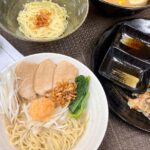
And yes, you eat the gyoza you make. That keeps the learning tied to a real outcome, not just theory.
The Samurai Photo Moment and the Simple Meal Reward
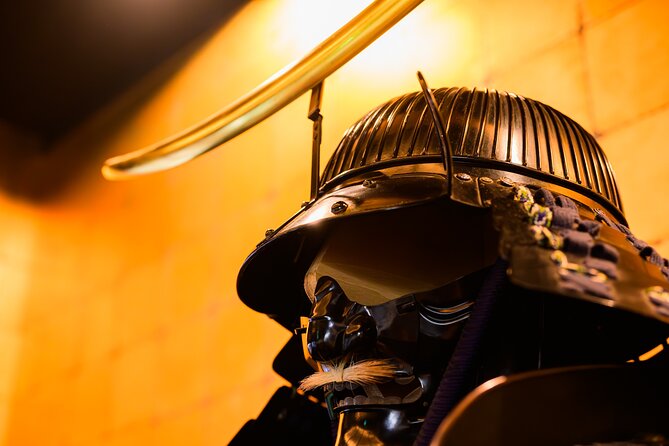
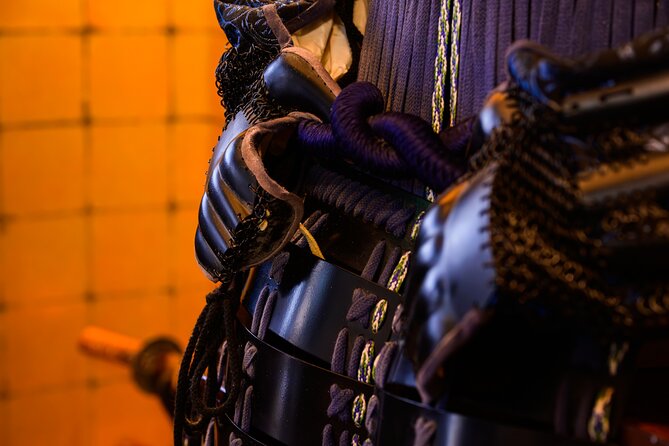
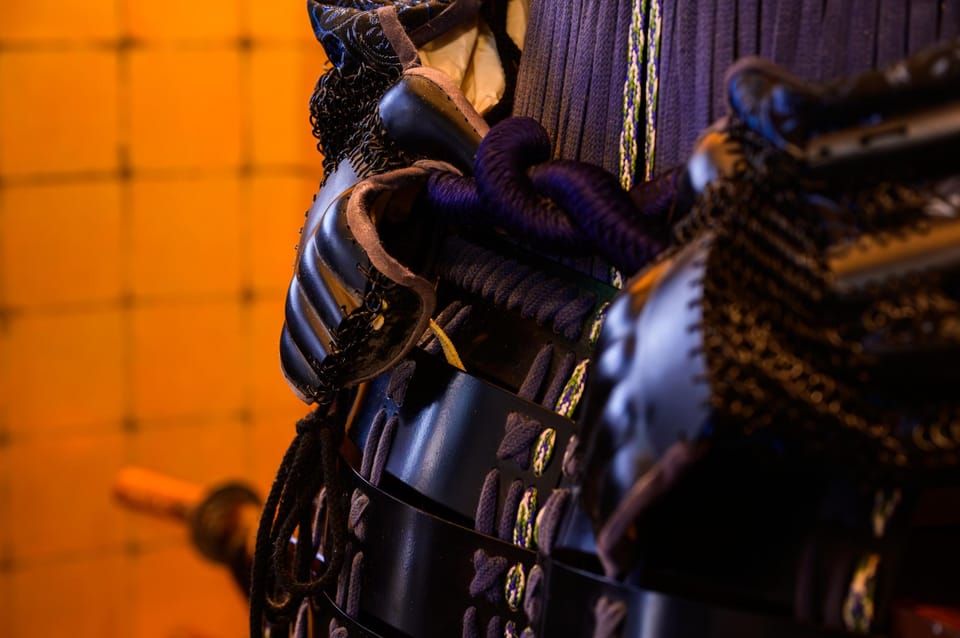
Kyoto does fun things with tradition, and this class includes a photo with a samurai. It’s short, but it adds that memorable “I’m really here” moment you can look back on later.
You also get a free drink during the class. It’s a small inclusion, but it helps the whole 90-minute session feel like an experience rather than a cooking task. Plus, you’ll be eating what you cooked, while it’s still at its best.
This is also where the atmosphere counts. The class is described as welcoming and relaxed, with patience built in for beginners. That matters because gyoza can be intimidating at first, especially when you’re learning to wrap quickly without tearing anything.
What You Take Home: The Recipe and the Confidence to Cook Again
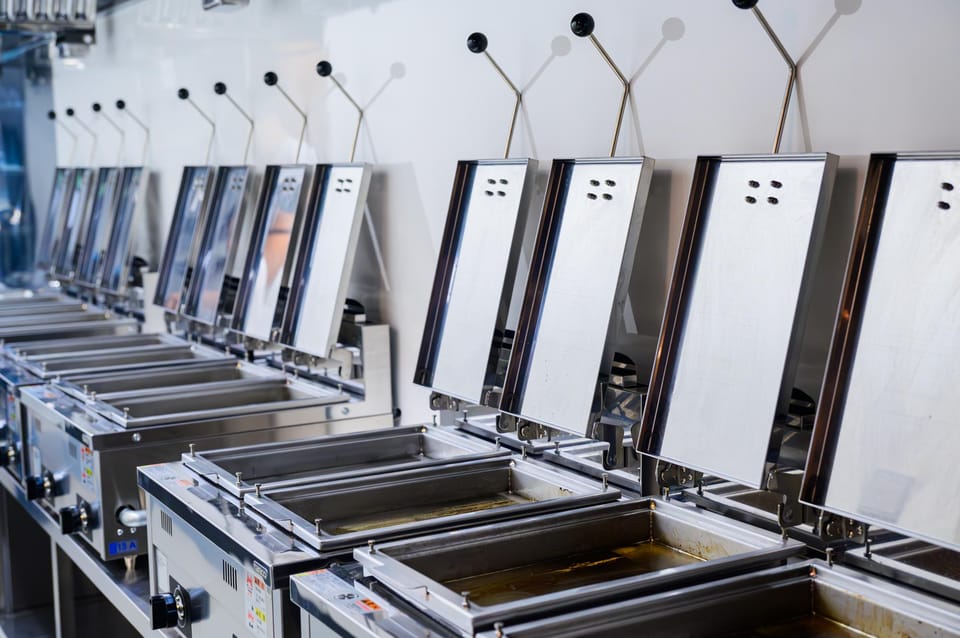
The highlight you should pay attention to isn’t just that you learn gyoza. It’s that you get the full recipe to cook Japanese gyoza at home.
That’s huge for value. A lot of cooking classes end when the meal ends. Here, you leave with enough direction to recreate the dish, which turns your experience into a future dinner plan. If you’ve ever tried to repeat a restaurant meal from memory and failed, you’ll understand why this matters.
You’ll also have a better mental model of the process. Even if ingredients vary by country, the method is what carries over: filling selection, wrapper handling, and pan-cooking for texture.
If you’re the kind of traveler who likes to bring skills home, this is one of the best “souvenirs” you can buy. The recipe gets you the next batch. The technique gets you the batch after that.
Price and Value: What $127 Gets You in Kyoto
At $127 per person for 90 minutes, this isn’t the cheapest meal-add-on you’ll find in Kyoto. So the value depends on your goal.
Here’s what you’re paying for:
- An English-speaking instructor and guidance throughout wrapping and cooking
- Cooking tools provided for the class
- A free drink
- The gyoza you make (so you eat what you worked on)
- The full recipe to take home
If you’re just looking for a guided taste test, you’d likely do better with a food tour or a restaurant meal. But if you want hands-on technique—especially the wrapping discipline and the pan-cooking texture—this price can make sense. You’re buying a structured lesson, not only ingredients.
Also, consider the “cost of failure” at home. Without a recipe and guidance, re-creating gyoza often takes a few tries. This class compresses that learning curve into one guided session, with you leaving holding the notes.
So my take: it’s good value if you plan to cook again, or if you want a fun, productive evening that ends with a satisfying meal.
Who This Class Fits Best (and Who Might Skip It)
This class is designed for everyone from total beginners to people with cooking experience. The teaching style is described as patient and clear, which is the right approach for a skill like wrapping.
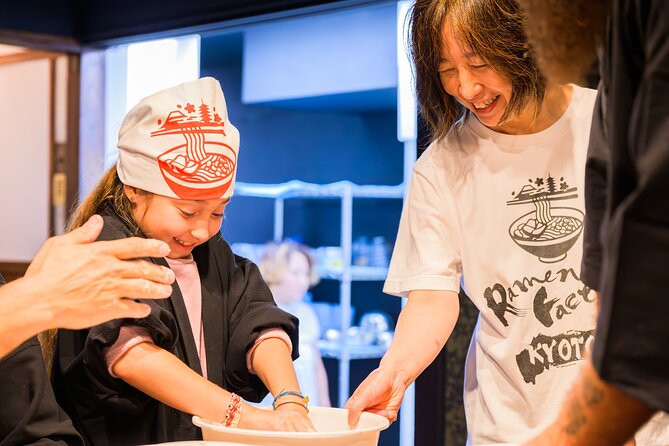
It’s also a solid family activity. In one example, a group included kids around 11 years old, and they were having a good time as the technique clicked. That tells me the class isn’t only for adults who already feel comfortable in the kitchen.
You should think twice if you’re using a wheelchair. The experience is not suitable for wheelchair users. If mobility access is a concern for you, double-check alternatives before booking.
If you have allergies or dietary restrictions, tell the team in advance. The class asks you to inform them, and that’s important for a safe and smooth experience.
Should You Book This Kyoto Gyoza Cooking Class?
Book it if you want an evening that feels hands-on and leaves you with a real skill. The combination of wrapping instruction, pan-cooking practice, and a take-home recipe makes it one of the more practical Kyoto food experiences. You’re not just eating; you’re learning how to recreate.
Skip it if your main goal is scenery or a relaxed sit-and-watch night. This is a doing-class. You’ll be shaping dumplings and cooking them, so you’ll get the most out of it if you’re comfortable rolling up your sleeves.
If you’re deciding for groups: the filling options help you manage different preferences, and the overall atmosphere seems friendly even for mixed ages. If you want a fun dinner plan with a memory you can bring home, this one is a strong bet.
FAQ
How long is the gyoza cooking class?
The class runs for 90 minutes.
Where is the meeting point in Kyoto?
You’ll meet about a 5-minute walk from Exit 2 of Karasuma Oike Station. It’s listed as about 362 meters from the station.
What languages are spoken during the class?
The class is offered in English and Japanese.
Is there an English-speaking instructor?
Yes, an English-speaking instructor is included.
What’s included in the price?
Included items are an English-speaking instructor, cooking tools, one free drink, and the gyoza you make in the class.
Do I get a recipe to cook gyoza at home?
Yes, you get the full recipe to cook Japanese gyoza at home.
Are transportation costs included?
No. Transportation expenses are not included.
Is the experience suitable for wheelchair users?
No, it is not suitable for wheelchair users.
What should I do if I have allergies or dietary restrictions?
Please inform the team in advance if you have any allergies or dietary restrictions.
Can I cancel for a refund?
Yes. Free cancellation is available up to 24 hours in advance for a full refund.