REVIEW · KYOTO
Kyoto: Gion & Geisha District Night Time Walking Tour
Book on GetYourGuide →Operated by Traveling Tokyo · Bookable on GetYourGuide
Gion looks gentler after dark, and that matters. This 2-hour night walk strings together Yasaka Shrine and the geisha district with a live English guide, so the streets feel less like a checklist and more like a story you can follow.
What I like most is the human scale of the stops and the way the guide turns quiet corners into something you understand fast. You also get photos during the tour, plus helpful, plain-English context (and you may even get restaurant tips at the end). One downside: you’ll be on your feet for about two hours on uneven older streets, and it’s not suitable for wheelchair users.
In This Review
- Key highlights worth caring about
- Why Gion’s night streets feel different than daytime
- Meeting at Starbucks Kyoto Gion Hotel: easy start, clear direction
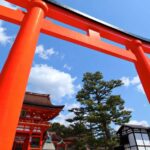
- Yasaka Shrine: where festivals meet everyday Kyoto
- Maruyama Park: a needed breath before the geisha streets
- Nene no Michi: the stone lane and the story behind the name
- Ninenzaka slope: where old Kyoto looks like old Kyoto
- Yasui-Konpiragu Shrine: the Power Stone archway ritual
- Hanamikoji Street: geiko and maiko stories on the heart of Gion
- How the pace works across the full 2 hours
- What to wear and bring for a cold Kyoto night walk
- Value check: is $20 a good deal for this route?
- Who this tour suits best (and who should reconsider)
- Should you book the Kyoto Gion night walking tour?
- FAQ
- What’s the duration of the Kyoto Gion night walking tour?
- Where do we meet for the tour?
- Is the tour guided in English?
- Does the tour include photos?
- Which areas and stops are included?
- Is the tour suitable for wheelchair users?
- Can I cancel and get a refund?
- Can I pay later after reserving?
- How do I pick a start time?
Key highlights worth caring about
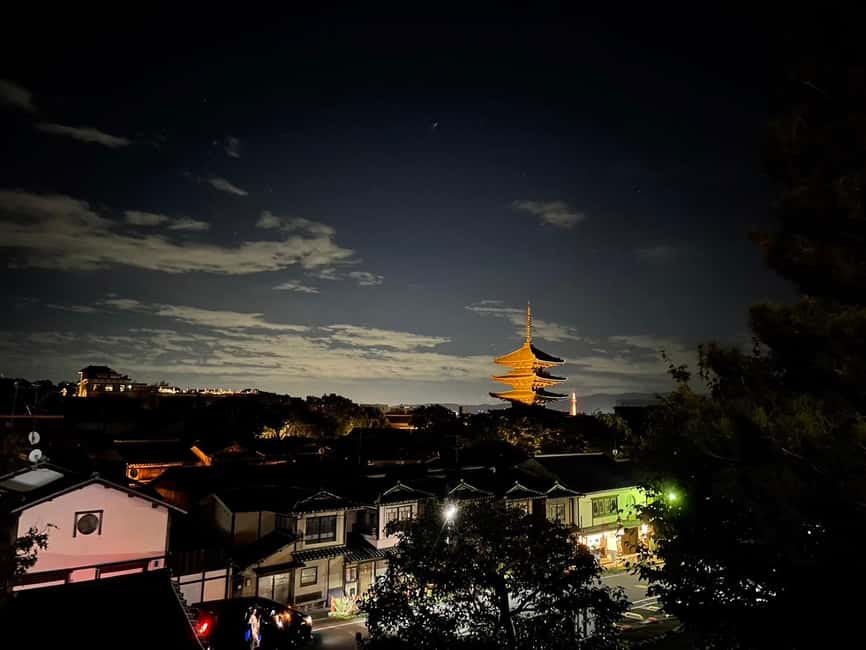
- Yasaka Shrine first: festival ties and spiritual meaning set the tone for the entire night
- Maruyama Park pause: a calmer pocket before you hit the most famous streets
- Nene no Michi stone lane: traditional townhouses and a samurai-era naming story
- Yasui-Konpiragu Power Stone archway: a short, symbolic ritual locals treat as serious
- Hanamikoji Street after dark: preserved teahouses and clear explanations of geiko and maiko culture
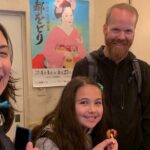
- Good photo support: the guide takes photos for you, not just for the group
Why Gion’s night streets feel different than daytime
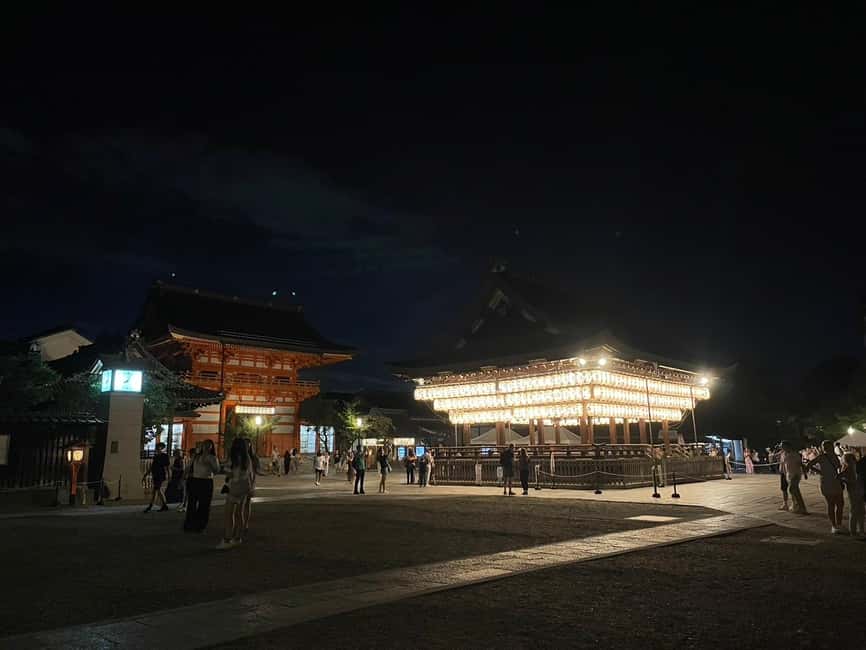
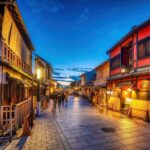
Gion at night has a slower rhythm. Daytime is when you can feel like you’re dodging photo backdrops; night is when lantern glow, quiet side lanes, and shrine atmosphere do the work for you.
The payoff here is not just seeing landmarks, but learning how they connect—spiritual spaces, garden calm, and the carefully maintained streets where geiko and maiko tradition is practiced. If you’re aiming for Kyoto’s old-town mood with less chaos, this timing helps a lot.
I also like that the tour leans practical: you’re walking, you’re looking, and you’re hearing what to notice next instead of standing still for long stretches.
You can also read our reviews of more walking tours in Kyoto

Meeting at Starbucks Kyoto Gion Hotel: easy start, clear direction
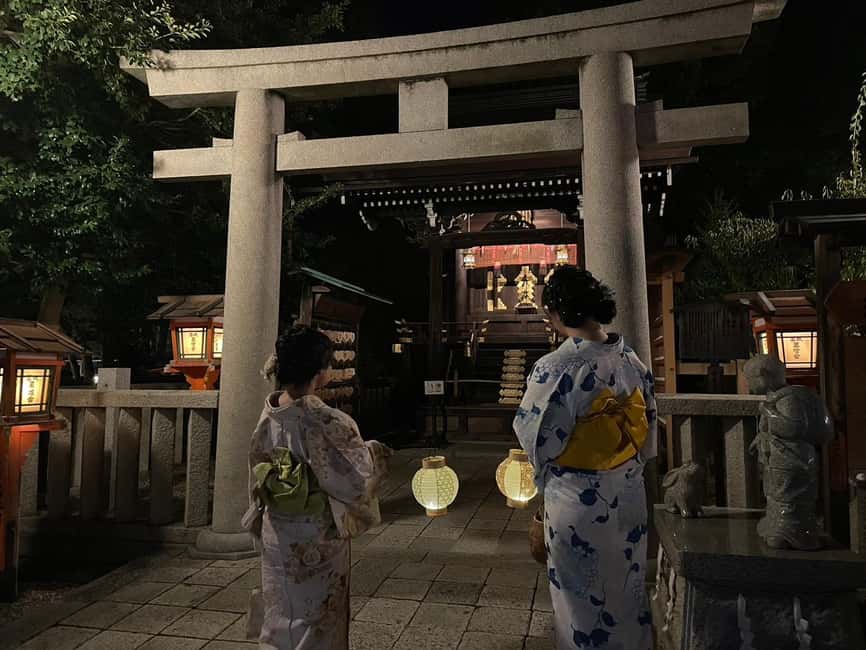
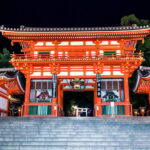
You meet in front of Starbucks located next to Kyoto Gion Hotel. It’s an easy “anchor point” when you’re jet-lagged or juggling trains, and it’s described as walking distance from Yasaka Shrine’s Western Tower Gate entrance.
I like meeting in a familiar place because it reduces stress—no hunting for a tiny sign in a dark alley. If you’re arriving a little early, you can use the wait to orient yourself toward Yasaka Shrine’s direction so the first walk feels smooth instead of rushed.
If you want the best start, arrive a few minutes early and wear shoes you trust. This is a walking tour, and the streets here are the kind that reward steady footing.
Yasaka Shrine: where festivals meet everyday Kyoto
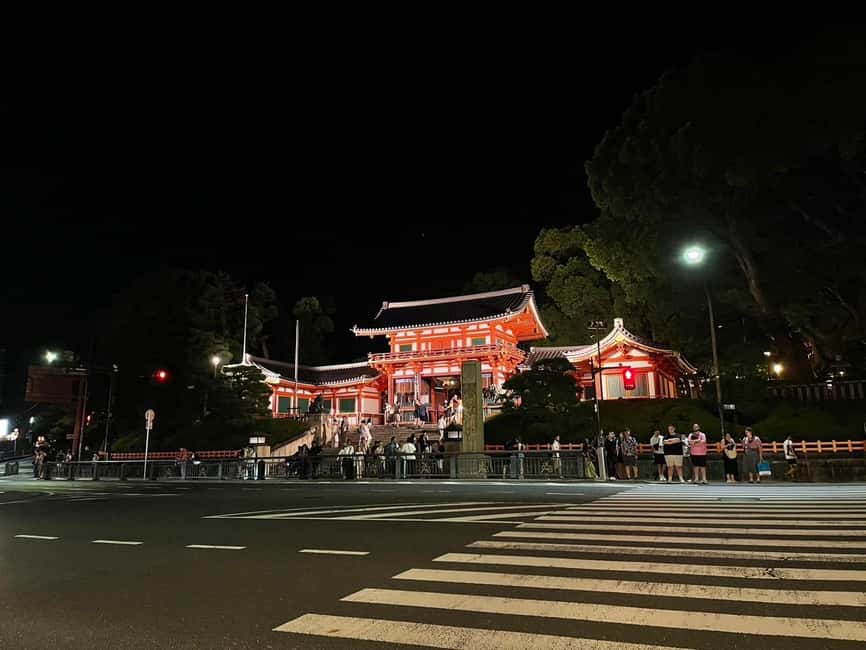
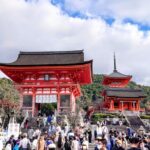
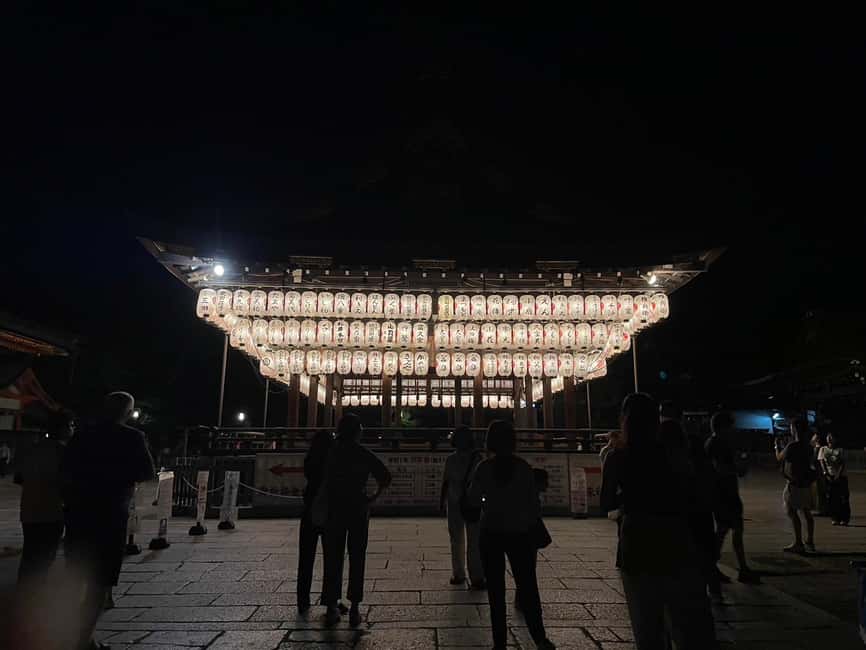
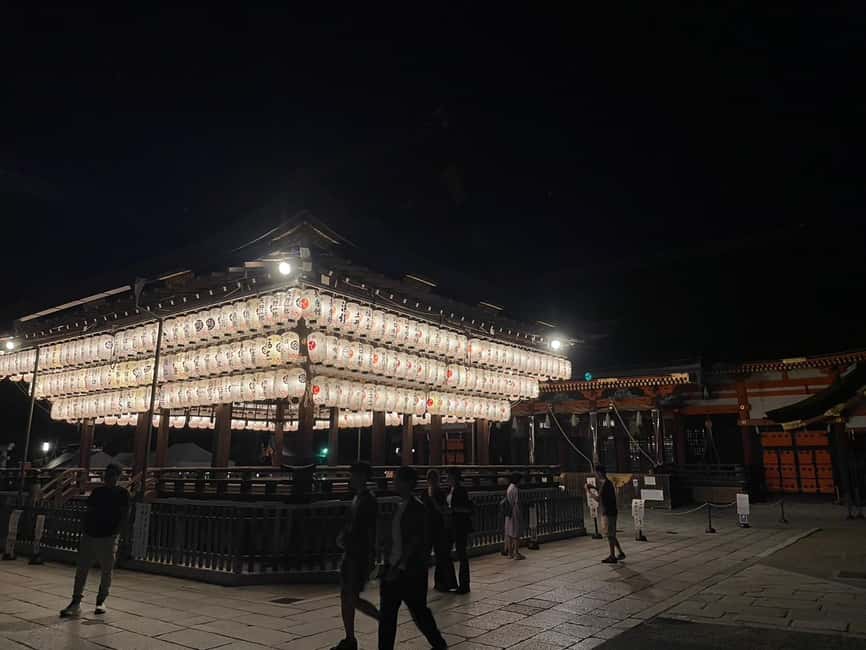
The tour begins at Yasaka Shrine, one of Kyoto’s most treasured spiritual landmarks. Starting here isn’t random—it gives you a framework for why Gion matters beyond aesthetics, especially around Kyoto festivals and the traditions linked to this part of the city.
The guide includes historical insights focused on Yasaka Shrine, which helps you understand what you’re seeing when the lights reflect off stone steps and wooden structures. This is a good moment to ask questions too, because the setting naturally slows people down.
Timing-wise, you get about 20 minutes here, which is just enough to absorb the symbolism without turning it into a long stop. If you’re the type who likes to read signs, you’ll still appreciate the guide’s “what it means” translation, especially because some of the key details don’t always advertise themselves clearly.
Maruyama Park: a needed breath before the geisha streets
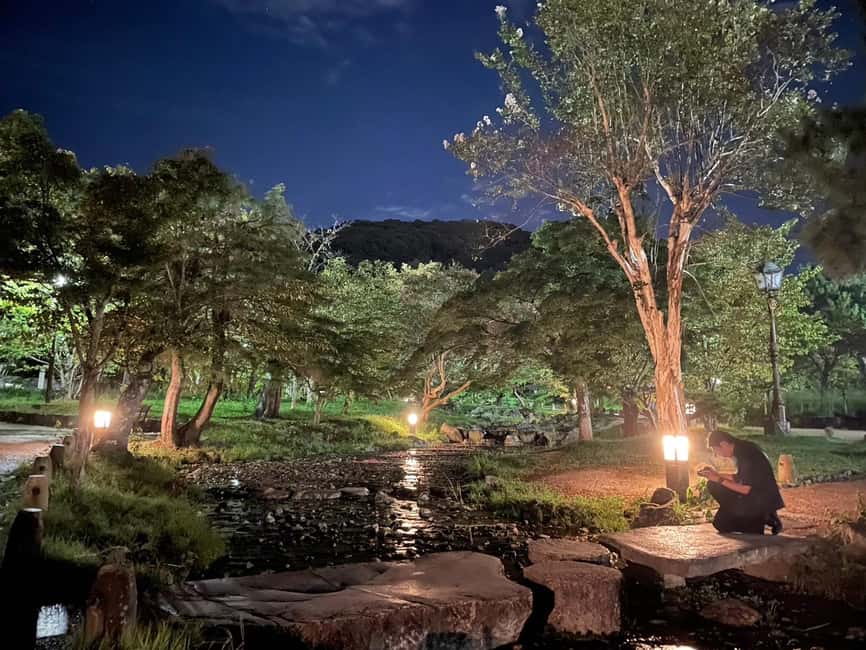
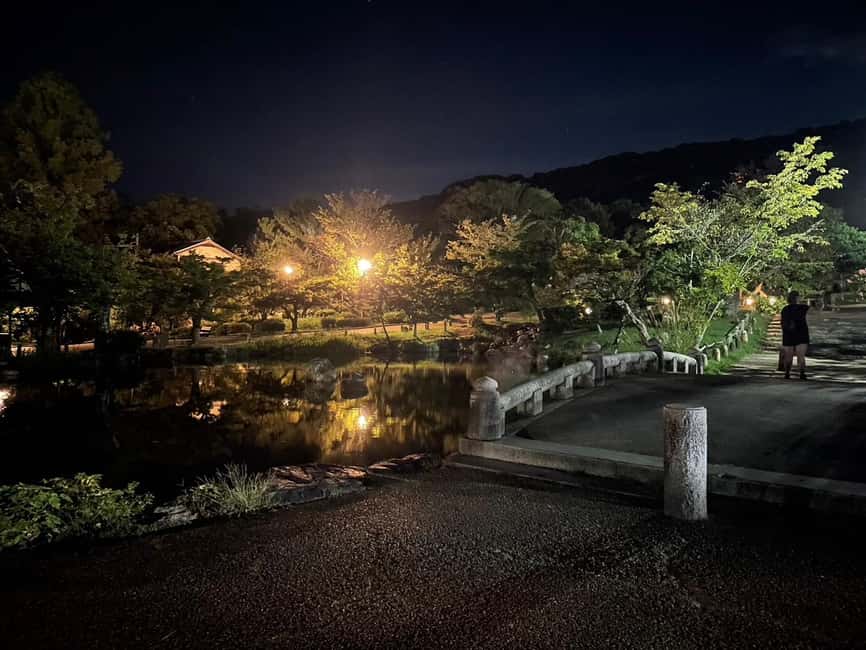
From the shrine area, the walk continues toward Maruyama Park, described as Kyoto’s oldest public garden. Even if you’re not a “garden person,” this stop works as a mental reset.
You trade the bustle energy for a quieter pause where the night air feels softer and the surroundings read more like Kyoto than like tourism. It also sets up what’s next: stone lanes, historic slopes, and the narrower streets where you’ll want your attention.
This part of the tour is roughly short enough that you won’t feel dragged, but long enough to notice the shift in atmosphere. If you start feeling tour-fatigued later, this is where you’ll remember why you came out at night in the first place.
Nene no Michi: the stone lane and the story behind the name
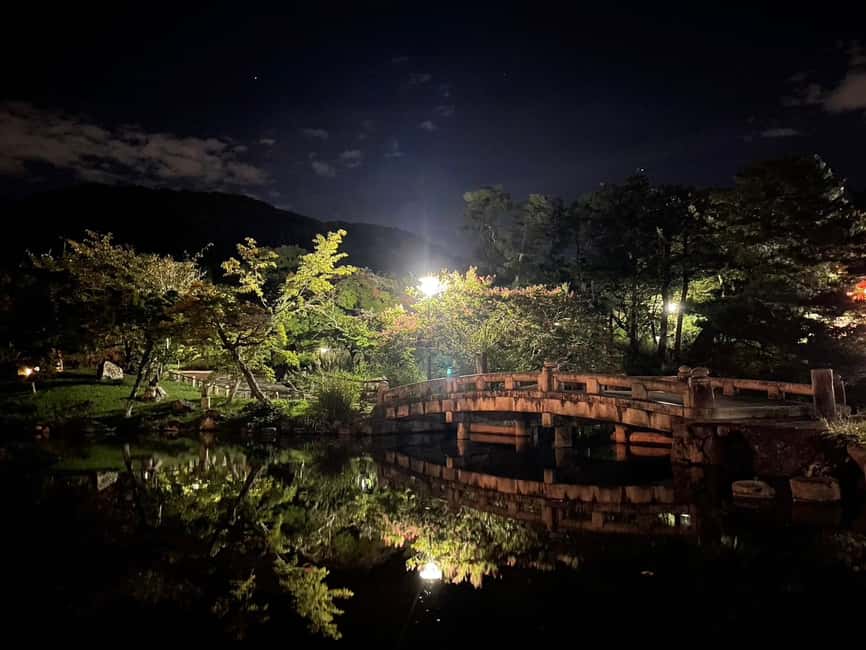
Next comes Nene no Michi, a charming stone-paved lane named after Nene, the wife of samurai leader Toyotomi Hideyoshi. This is the kind of detail that makes a neighborhood feel lived-in, because you’re not just passing pretty streets—you’re learning why they carry a name.
As you walk, you’ll see traditional townhouses, cozy teahouses, and artisan shops lining the way. The guide helps you connect that architecture to the culture around it, which is where the value kicks in: you start noticing patterns on your own.
One smart reason this stop belongs on a night tour is lighting. At night, these narrower lanes feel more intimate, and you can actually picture how people moved through the district before crowds, scooters, and constant camera flashes.
You can also read our reviews of more evening experiences in Kyoto

Ninenzaka slope: where old Kyoto looks like old Kyoto
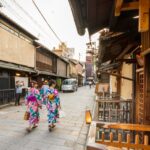
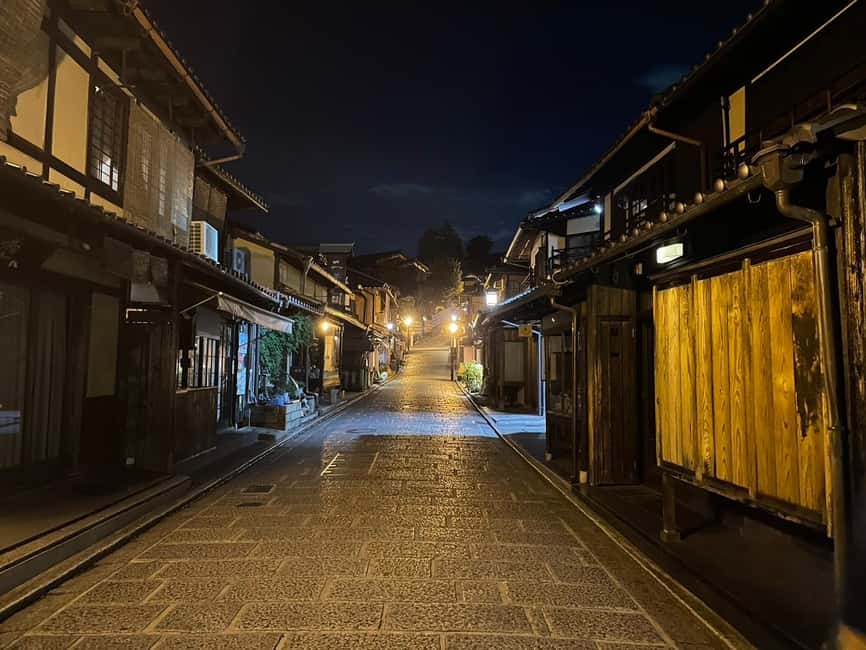
Then you’ll reach Ninenzaka, a photogenic slope of historic wooden buildings and quaint storefronts. This is a classic Higashiyama-area look, but the night timing changes your experience.
Instead of feeling like you’re watching the crowd, you can focus on the textures: wood grain, stone edges, and the way the street curves. It’s also a solid place for photos because the slope gives you depth and leading lines.
The guide is included with photos during the tour, so if you’re traveling solo, you’re less stuck doing selfie gymnastics. That small thing can make the difference between a “good walk” and a “good walk plus memories you’ll actually keep.”
Yasui-Konpiragu Shrine: the Power Stone archway ritual
One of the most memorable stops is Yasui-Konpiragu Shrine, described as a hidden gem known for its symbolic Power Stone archway. Locals and visitors crawl through the archway as a ritual—either to pray for strong bonds or to leave unwanted ties behind.
It’s a brief moment, but it’s meaningful because it shows how spiritual belief shows up in everyday actions. The guide’s job here is to explain what the ritual symbolizes so you’re not just observing a quirky photo opportunity.
This stop also tends to break up the walking rhythm nicely. You’ll pause, you’ll understand, and then you move back into the street experience with clearer context.
Hanamikoji Street: geiko and maiko stories on the heart of Gion
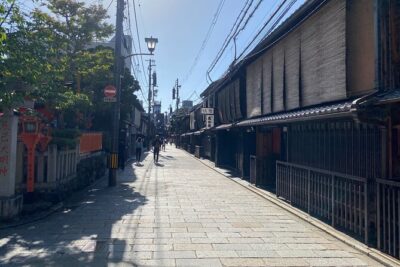
The tour’s final stretch focuses on Hanamikoji Street, the heart of Gion. Here you’ll see rows of preserved wooden teahouses where geiko (Kyoto geisha) live and train, and the guide shares insights into their lives and artistry.
This is where I appreciate the tone. The goal is not to sensationalize; it’s to explain what’s involved in the culture and why it’s treated with care and privacy. A good guide can help you see the balance—how tradition stays intact while the district welcomes visitors.
You might even be lucky enough to see geiko or maiko briefly. One person noted that seeing a geisha was unusual, which is the kind of thing that makes a night tour feel extra special without any false promises. Either way, you’ll walk away understanding what you’re looking at when you notice the teahouse-lined streets.
How the pace works across the full 2 hours
The tour is 2 hours total, with multiple short guided segments. That matters because you’re not stuck in one long place where the night gets cold and patience runs out.
It’s also a good format for first-timers: you get a logical route that covers different “modes” of Gion—spiritual landmark, garden calm, traditional lanes, historic slopes, then the main street. The guide keeps the story moving, so your brain doesn’t feel like it’s collecting random stops.
Some people noted that the group felt pleasantly not-too-busy, and in smaller situations you may end up with a more personal feel. That’s a quiet advantage in a district where crowds can flatten the experience.
What to wear and bring for a cold Kyoto night walk
Night tours in December can feel cold fast. One person specifically said it was cold, so treat warm layers as part of the plan, not an afterthought.
Wear shoes with real grip. The route includes stone lanes and historic slopes, and Kyoto’s older streets don’t care about your fashion choices. Bring a small umbrella only if you know you’ll actually use it; if it’s clear, you’ll be happiest with light hands for photos.
If you want the best photos, keep your phone charged and your settings simple. The guide will take photos for you, but you’ll still want a few from your own angle when the street lighting hits just right.
Value check: is $20 a good deal for this route?
At about $20 per person for a 2-hour guided walk, the value is mainly in three places. First, you’re paying for context at every stop—shrines, names, rituals, and how geiko culture fits into the neighborhood. Second, you get photos during the tour, which reduces the friction of taking pictures in a walking district. Third, the night timing often means fewer crowds than daytime, so your attention stays on the experience.
The other thing I like is that you’re not just paying for “a walk.” You’re paying for an English-speaking guide who answers questions and helps you notice details you would miss on your own. Names that came up often include Pedro, Majo, Nay, Yuvia, Wilber, Sam, Jason, and Bell, and several people called out how friendly, engaging, and question-friendly the guides were.
For solo travelers, the photo help and extra attention can feel like a built-in upgrade.
Who this tour suits best (and who should reconsider)
This tour suits you if you want a first taste of Gion with an easier-to-follow route and clear cultural explanations. It’s also a good choice if you’d rather walk under lights than fight daytime crowds or spend hours trying to figure out which side streets matter.
You might reconsider if you need wheelchair access, since it isn’t suitable for wheelchairs. And if you hate being out in cold weather for two hours, you’ll want to plan carefully with warm clothing and comfortable shoes.
Should you book the Kyoto Gion night walking tour?
Yes, I’d book it if your goal is to understand Gion, not just take pictures of it. The route covers the places that shape the district’s meaning—Yasaka Shrine, park calm, historic lanes, a shrine ritual, then Hanamikoji Street—while the guide keeps the story understandable in English.
With photos included, plus a strong record of guides who answer questions and help with photo-taking, it’s a smart low-cost way to experience the geisha district at a time when the atmosphere makes more sense than it does in the middle of the day.
FAQ
What’s the duration of the Kyoto Gion night walking tour?
The tour runs for 2 hours.
Where do we meet for the tour?
You meet in front of Starbucks next to Kyoto Gion Hotel. It’s described as walking distance from Yasaka Shrine’s Western Tower Gate entrance.
Is the tour guided in English?
Yes, it includes an English-speaking live guide.
Does the tour include photos?
Yes, photos are included during the tour.
Which areas and stops are included?
You’ll visit Yasaka Shrine, Maruyama Park, Nene no Michi, Ninenzaka, Yasui-Konpiragu Shrine, and Hanamikoji Street.
Is the tour suitable for wheelchair users?
No, it’s not suitable for wheelchair users.
Can I cancel and get a refund?
Yes. You can cancel up to 24 hours in advance for a full refund.
Can I pay later after reserving?
Yes. You can reserve now and pay later.
How do I pick a start time?
Check availability to see starting times for the 2-hour tour.