REVIEW · KYOTO
Kyoto: Samurai Sword & Kimono Action Filming Experience
Book on GetYourGuide →Operated by GOATtrip株式会社 · Bookable on GetYourGuide
Sword training in a Kyoto temple feels unreal. You’ll learn Japanese blade tricks at Myokaku-ji (the only place in Japan where you can do so), then step into a kimono and help shoot a chambara-style action scene. Two big things I like: the class is taught by professional actors, so the vibe stays fun but focused, and you get your performance footage as a take-home memory. One consideration: it’s physical—wear comfy clothes and skip it if you have back problems or certain medical limitations.
This is built for a tight group. You meet at the Myokaku-ji Dojo left after you enter the main gate, and you’ll use a separate entrance to skip the line with a small group limited to 6 people. The full session runs 70 minutes, and you’ll get a photo download service plus video/photo recording using your own camera.
In This Review
- Key highlights to know before you go
- Myokaku-ji: the temple setting that makes this feel different
- Price and what $127 buys you in real terms
- Meeting at the Myokaku-ji Dojo: get oriented fast
- Sword basics first: how the instruction stays safe
- Learning makkogiri and kesagiri: the moves you practice before filming
- Kimono dressing: more than costumes, it’s part of the performance
- Chambara performance by professional samurai actors
- Your swordplay and filming session: act it like a scene
- Taking it home: your footage and photo download service
- Who should book, and who should skip it
- It’s a strong fit if you:
- It’s not suitable if you:
- Practical tips for a smooth visit
- Should you book the Kyoto Samurai Sword & Kimono Action Filming Experience?
- FAQ
- How long is the Kyoto Samurai Sword & Kimono experience?
- Where is the meeting point?
- Is the kimono included in the price?
- Can I record photos and video during the experience?
- What should I bring with me?
- What languages are the instructors?
- Is transportation or meals included?
- Who is this not suitable for?
- What is the cancellation policy?
Key highlights to know before you go
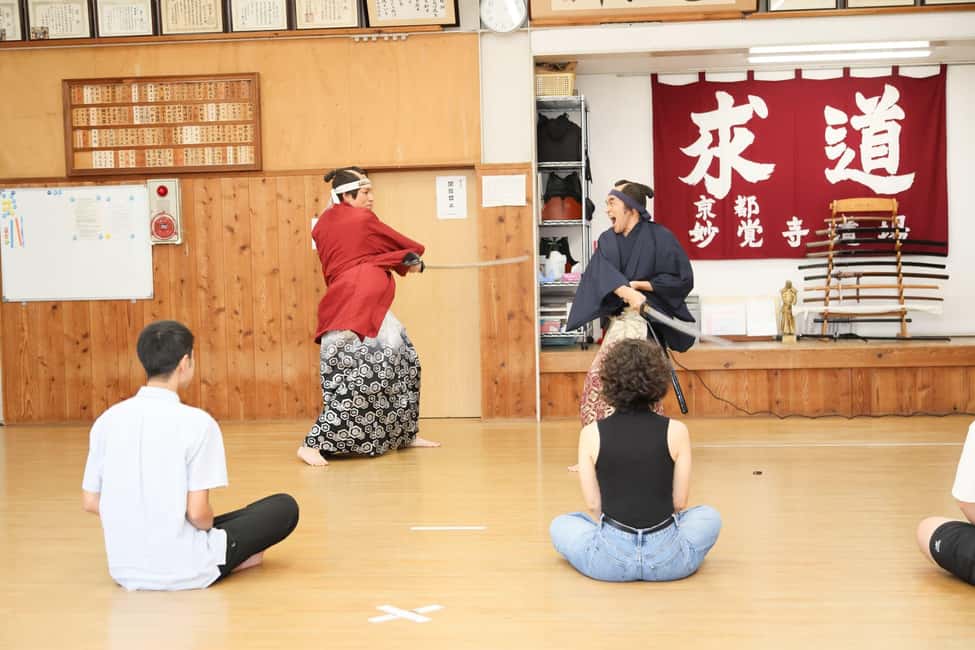
- Myokaku-ji training setting: sword practice in a real temple space connected to Sengoku-era figures
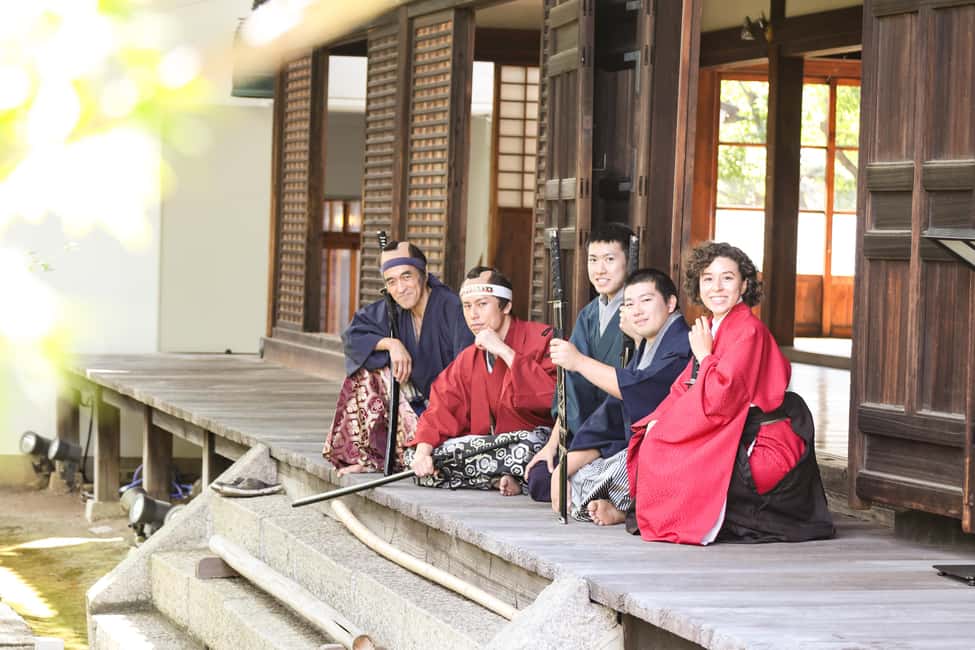
- Kimono rental included: you’ll dress in a traditional kimono for the filming and photos
- Pro chambara actors teach and perform: instructors are period-drama pros, not just hobby reenactors
- You learn specific moves: training includes techniques such as makkogiri and kesagiri
- Shoot your own action scene: practice + filmed performance sequence ends the session
Myokaku-ji: the temple setting that makes this feel different
Kyoto is packed with samurai-themed experiences. This one hits differently because the sword work is set at Myokaku-ji Temple, and it’s designed specifically for visitors who want to handle the blade and perform.
That temple backdrop matters more than you’d think. The experience leans into the Sengoku era connection—many warlords stayed at this location around 400 years ago, including Oda Nobunaga. Even if you’re not a hardcore history person, the space makes the whole routine feel grounded instead of like a staged souvenir show.
You also get the practical benefit of a guided flow. You’re not wandering around trying to figure out what’s next; you follow the instructors through training, dressing, and filming as one compact session.
You can also read our reviews of more tours and experiences in Kyoto.



Price and what $127 buys you in real terms
At $127 per person for 70 minutes, this is not a budget activity. But it’s also not “just a show.” You’re paying for instruction, dressing time, performance time, and a photo/video take-home system built around your own camera.
Here’s what’s included that changes the value equation:
- Rental kimono (so you’re not paying extra for costume time)
- Photo download service
- Photography and video recording with your camera during the experience
- Indemnity insurance specified by the provider
And what you’re not paying for:
- Transportation to/from Myokaku-ji Temple
- Meals
If you’re the type who likes to leave Japan with more than a couple quick photos, this is the kind of activity where the time feels “spent on you,” not just watched from the sidelines.
Meeting at the Myokaku-ji Dojo: get oriented fast
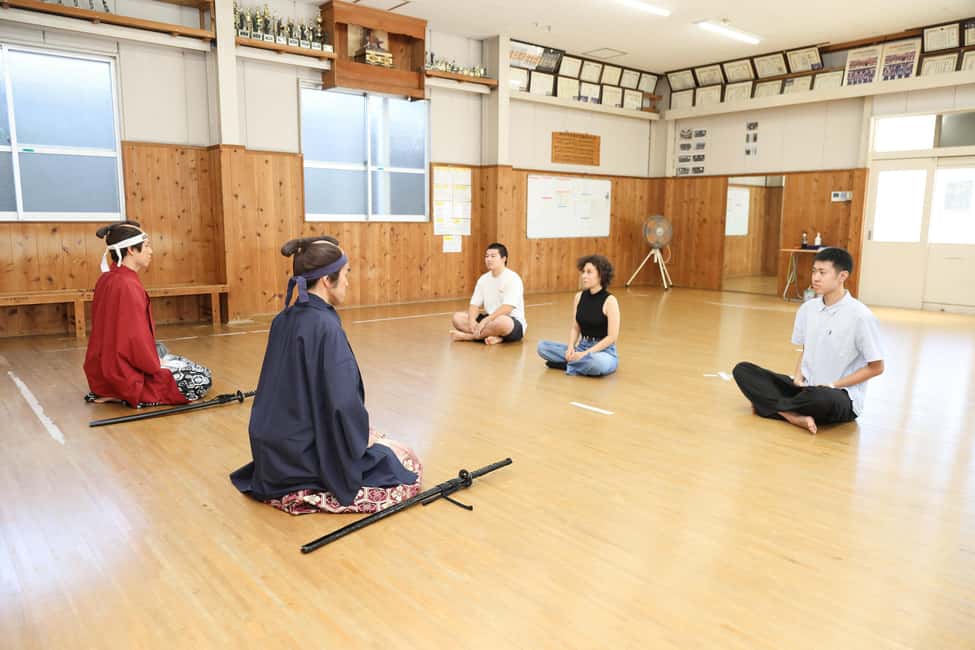
You’ll gather at Myokaku-ji Dojo, located to the left after you enter the main gate of the temple. That detail matters because temples can be confusing when you arrive, especially if you’re not there often.
Plan to arrive a little early so you can settle in. The experience is small (max 6 people), and once you’re in the group, things move pretty quickly—from training to dressing to filming.
Also note the “separate entrance” setup. This helps you avoid the longest lines and gets you to the action sooner.
Sword basics first: how the instruction stays safe
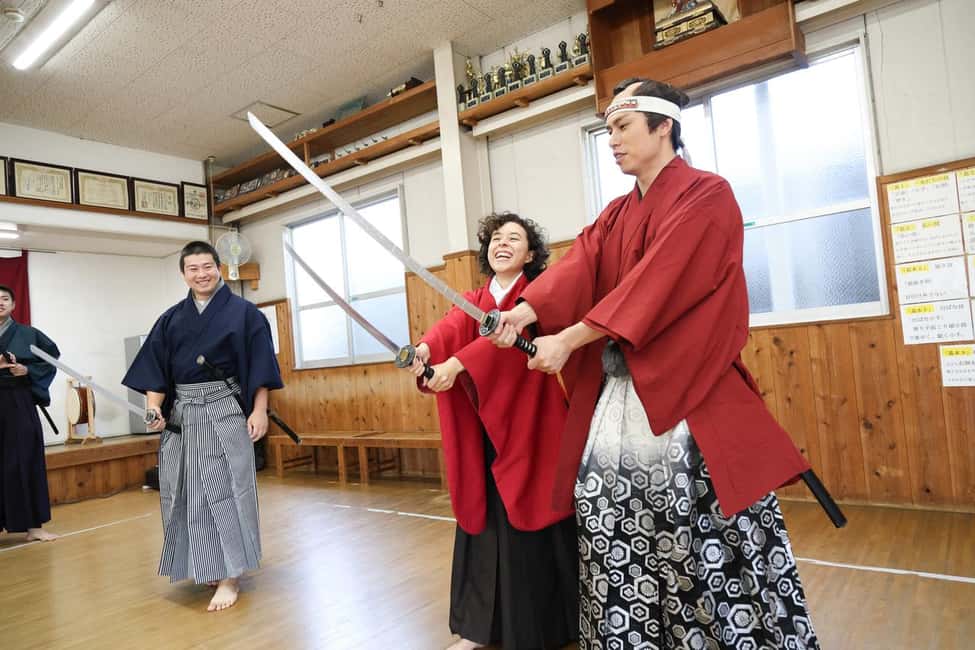
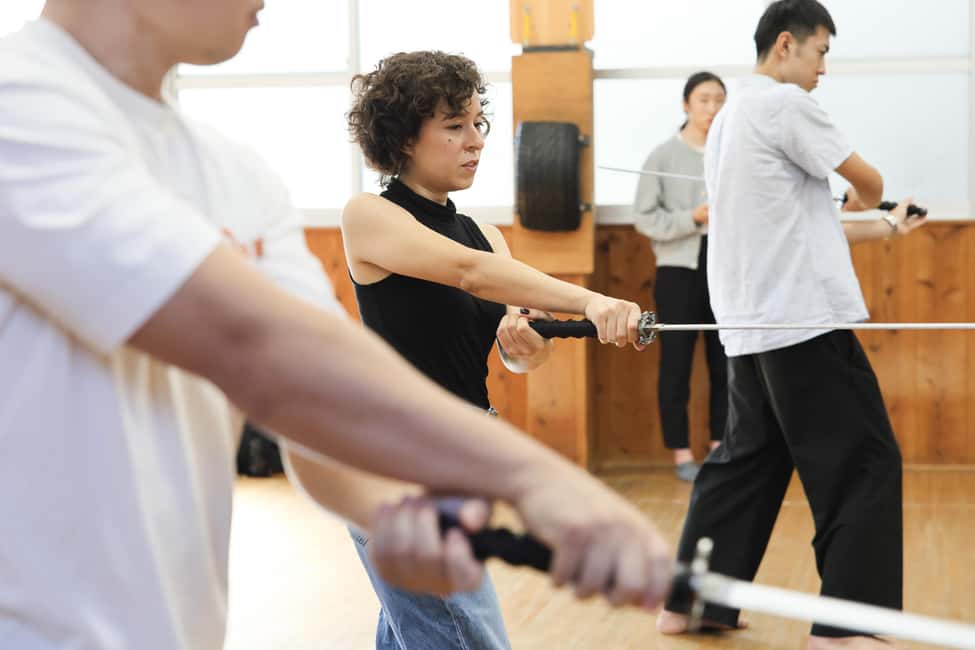
The experience begins with Japanese sword fighting instruction inside the temple setting at Myokaku-ji. You’ll receive guidance on holding and wielding the sword and learn the foundational techniques needed for actual sword-fight choreography.
The instructors give you the kind of structure that makes this feel safe even though it looks dramatic. Many people find it silly at first—then suddenly serious when they realize how much control and timing matter.
You’ll also want to understand what kind of gear you’re using. Based on guest feedback, it’s the typical safe approach with a training sword—so think performance movement, not real combat.
Learning makkogiri and kesagiri: the moves you practice before filming
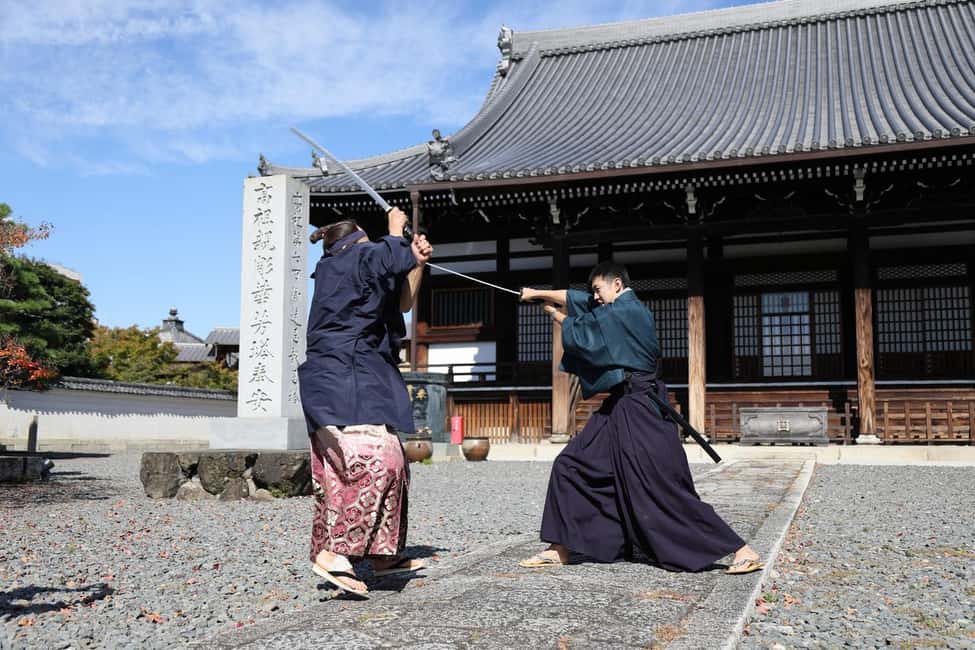
One of the coolest parts is that it’s not random sword waving. The training focuses on named techniques, including makkogiri and kesagiri. That means you can later remember what you worked on, not just that you tried sword fighting for fun.
You practice the skills until you can repeat the choreography clearly. That’s key because the session ends with a filmed swordplay performance, and your moves need to look consistent on camera.
A good sign is how the instructors handle pacing. In this kind of short session, you want teachers who can correct quickly without making you feel awkward. Feedback shows that many participants found the guidance patient and encouraging.

Kimono dressing: more than costumes, it’s part of the performance
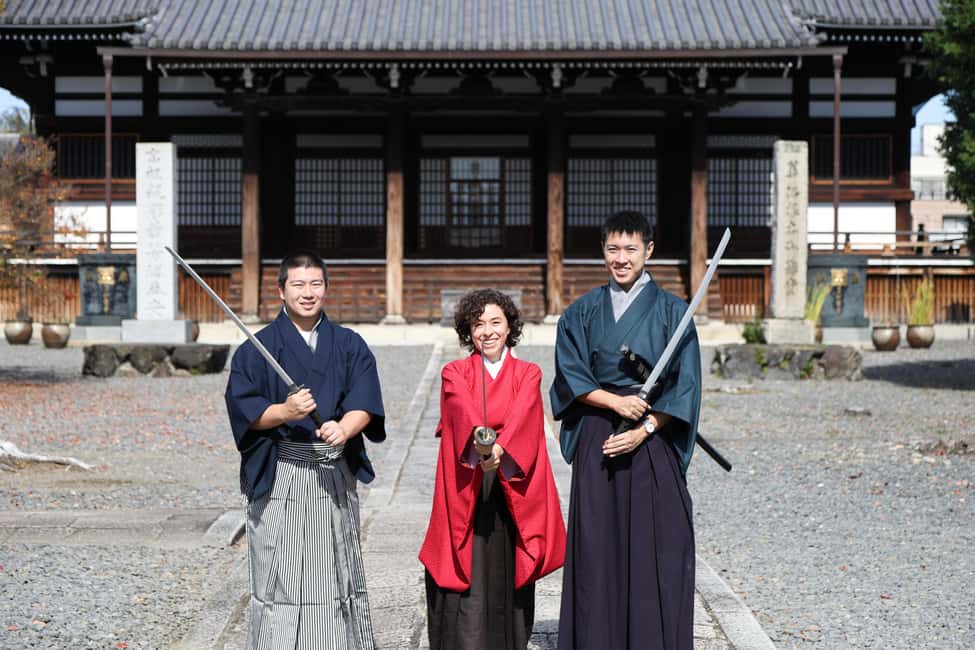
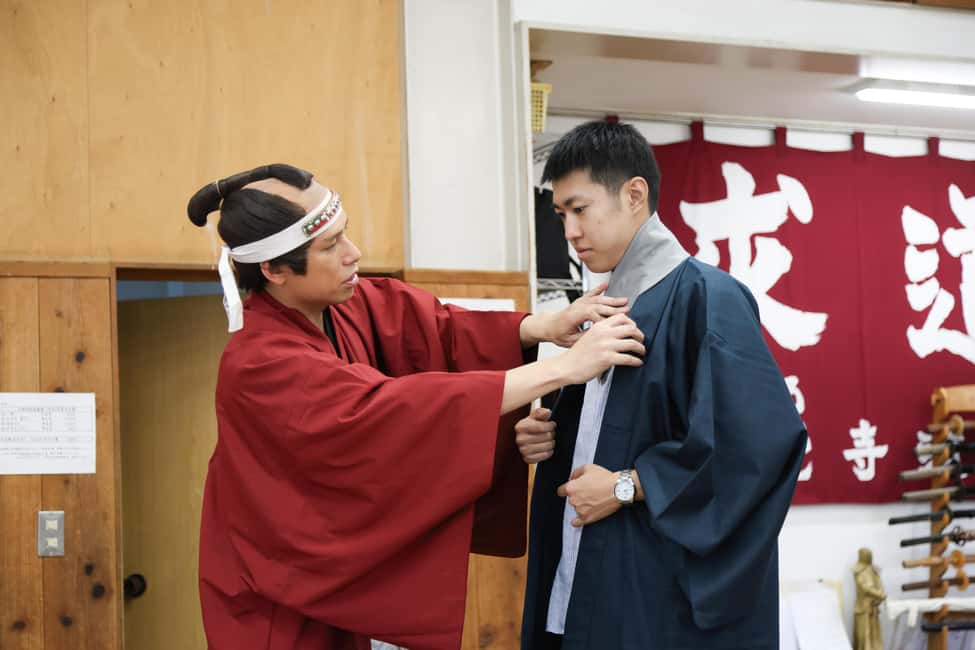
After the sword instruction, you move into the kimono dressing experience. This is traditional kimono dressing, and you get to enjoy the moment of actually wearing one—not just posing at the end.
What I like about this portion is that it fits the theme. Wearing the kimono while you practice and act turns the whole thing into a mini period-drama sequence, not a costume add-on. It also gives you extra photo and video material, since the filming sequence is part of your time together.
Simple tip: wear comfortable clothes underneath. You’ll be moving, sitting, and adjusting, and you want the “layering” part to feel manageable.
Chambara performance by professional samurai actors
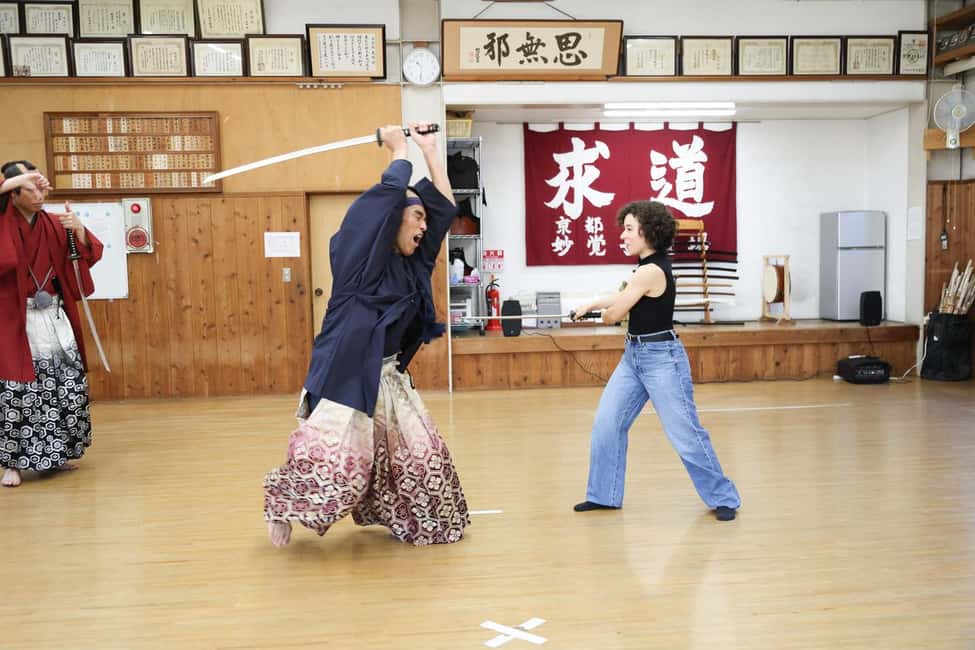
Before your filming turn, you’ll watch a chambara performance by professional samurai actors. These are instructors who work in period dramas, and they demonstrate authentic bushido-focused movement based on years of training.
This matters because chambara can look messy when it’s done by amateurs. The performance portion acts like a live reference. You see how the timing, posture, and blade angles should look when the scene is meant for a camera.
The vibe here is often fun, not stiff. Expect humor and energy from the cast-style instructors, with corrections that keep you safe and on script.
You may also notice names mentioned in participant feedback. For example, Kesuke Irie San and Kazuya Naito San have been cited as instructors who taught sword moves well and helped people get into character. That kind of professionalism is a big part of why this experience works.
Your swordplay and filming session: act it like a scene
Then it’s your turn. After learning the techniques, you’ll perform the sword sequences you practiced. The final portion is the filming session for your action scene.
You’re welcome to shoot the scene with your camera. Your own camera is part of the setup, and photography and video recording are included as well, with a photo download service afterward. The goal is simple: you’ll have footage that feels like you participated in a chambara movie moment.
A helpful mindset: treat it like choreography. If you go in expecting real sparring, you’ll miss the point. If you go in ready to learn timing and pose, it becomes a blast—and your footage will look far more convincing.
Taking it home: your footage and photo download service
This isn’t one of those experiences where you just hope you looked cool. You get a photo download service, and the provider also includes photography and video recording using your camera during the experience.
So you can focus on the moment instead of constantly worrying about settings and angles. When you leave, you should have a real memory file you can share right away.
That take-home component is a big reason this runs at a higher price point. You’re paying for a digital souvenir that feels personal, not just a couple of phone photos.
Who should book, and who should skip it
This experience is designed for most adults and older kids, but it has clear limits.
It’s a strong fit if you:
- Want a hands-on Kyoto samurai activity (not only watching)
- Enjoy acting, posing, or filming yourself
- Like the idea of mixing sword training with kimono dressing
- Appreciate short, structured experiences that don’t drag
It’s not suitable if you:
- Have children under 5
- Are pregnant
- Have back problems
- Have pre-existing medical conditions
- Are over 95
Even if you’re generally active, take the physical requirements seriously. Comfortable clothes for movement are part of the setup, and the choreography depends on you being able to participate safely.
Practical tips for a smooth visit
A few small details make a big difference with a 70-minute session.
Wear comfortable clothes suitable for physical activity. You’ll handle the sword and perform movements, and you’ll also go through kimono dressing—so stiff clothes or hard-to-move shoes can make everything slower.
Bring:
- A camera
- Comfortable clothes
Follow the rules on-site:
- No smoking
- No alcohol and drugs
Also, plan around the meeting point. Gather at Myokaku-ji Dojo to the left after the main gate. If you’re late, you risk missing parts of the flow.
Finally, remember this is a small group (limited to 6). That’s great for attention, but it also means the schedule is tight.
Should you book the Kyoto Samurai Sword & Kimono Action Filming Experience?
Book it if you want an experience that mixes real instruction, costume dressing, and an action filming moment—at a famous Kyoto temple location, with pro actors running the show. The value is strongest if you care about taking home footage you can actually share, not just quick photos.
Skip it if you can’t handle light physical activity, if your medical needs make movement risky, or if you prefer quiet sightseeing over hands-on performance. In those cases, you’ll likely feel rushed instead of excited.
If your travel style includes playful challenges—like learning a short routine and performing it in front of a camera—this one is hard to beat.
FAQ
How long is the Kyoto Samurai Sword & Kimono experience?
The experience lasts 70 minutes.
Where is the meeting point?
Meet at the Myokaku-ji Dojo to the left after entering the main gate of Myokaku-ji Temple.
Is the kimono included in the price?
Yes. Rental kimono is included.
Can I record photos and video during the experience?
Yes. Photography and video recording are included, and you are welcome to take photos and videos during the experience using your camera.
What should I bring with me?
Bring a camera and wear comfortable clothes suitable for physical activity.
What languages are the instructors?
The instructors speak Japanese and English.
Is transportation or meals included?
No. Transportation to/from the temple and meals are not included.
Who is this not suitable for?
It’s not suitable for children under 5, pregnant women, people with back problems, people with pre-existing medical conditions, or people over 95 years.
What is the cancellation policy?
You can cancel up to 24 hours in advance for a full refund.