REVIEW · KYOTO
Kyoto Tea Ceremony and Samurai Photo Session
Book on Viator →Operated by Japan food entertainment Ltd · Bookable on Viator
Matcha and samurai armor in one hour. This small-group Kyoto experience pairs a hands-on tea ceremony with photo time in authentic armor, all inside a 100-year-old machiya townhouse. You’ll learn the steps behind proper matcha and also get the fun, modern twist of turning it into a creamy latte.
Two things I really like: the instructor-led, participatory format (you do the whisking, not just watch), and the setting itself. The machiya atmosphere makes even basic matcha technique feel like Kyoto, not a factory lesson. One possible drawback is the time limit: at about 1 hour 20 minutes total, you’ll get a fast education rather than a slow, extended ceremony.
If you want a cultural activity that’s both calm and a little playful, this is a strong pick. The host for this experience is Maya, and multiple reviews highlight her English and humor, plus how clearly she explains the process before you try it yourself.
In This Review
- Key highlights to know before you go
- Inside a 100-Year-Old Kyoto Machiya for Matcha Basics
- From Traditional Whisk to Kyoto-Style Matcha Latte
- Seasonal Wagashi and Why the Sweet Matters
- Samurai Armor Photo Finale: Fun, Fast, and Photogenic
- Price, Time, and Group Size: Is $71.74 Worth It?
- Where to Meet and How to Fit It Into a Kyoto Day
- Who Should Book This Matcha + Samurai Armor Experience?
- Tips to Make Your 1 Hour 20 Minutes Go Smoothly
- Should You Book Kyoto Tea Ceremony and Samurai Photo Session?
- FAQ
- How long is the Kyoto Tea Ceremony and Samurai Photo Session?
- Where do I meet for the tour?
- How many people are in the group?
- What will I make and eat during the ceremony?
- Is there time for samurai armor photos?
- Do I get a mobile ticket?
- Is the meeting point near public transportation?
- When will I get confirmation after booking?
- What’s the cancellation policy?
- Who is the provider?
Key highlights to know before you go
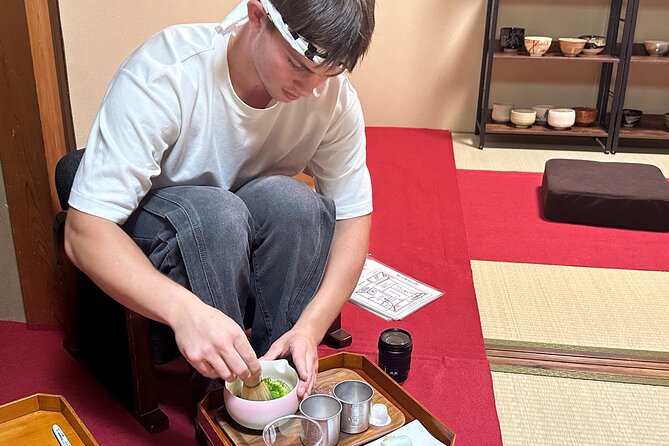
- 100-year-old machiya setting: you’re inside a traditional townhouse while you learn matcha basics
- Hands-on matcha-making: you don’t just watch a demonstration
- Kyoto-style matcha latte: you’ll make a modern drink version, too
- Seasonal wagashi included: traditional sweets timed to the tea moment
- Authentic samurai armor photos: costume photo at the end, not a distant add-on
- Small group (max 10): more interaction than the big-bus style experiences
Inside a 100-Year-Old Kyoto Machiya for Matcha Basics
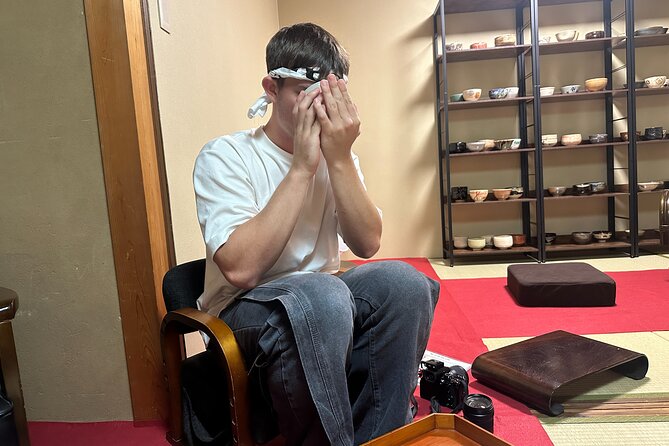
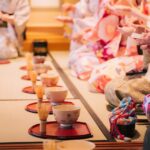
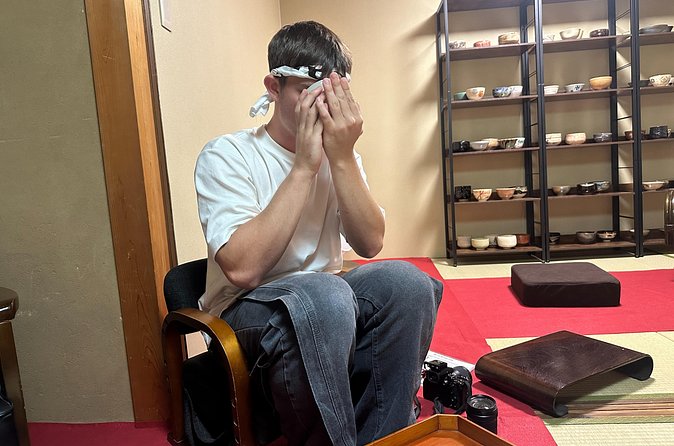
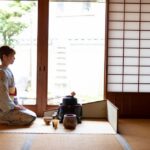
The whole tone of this experience is set the moment you step into a 100-year-old Kyoto machiya. It’s the kind of place where the walls feel like they’ve been waiting for quiet, slow moments—perfect for tea. Instead of rushing you through a checklist, the pace feels structured: you learn what’s happening, then you do it.
One reason I think this setup works for first-timers is that it keeps expectations realistic. You’re not being asked to become a tea master by the end of the session. You’re learning the core idea—how matcha is prepared—and you’re getting enough practice to understand the motions and the goal: whisking for the right texture and serving it properly.
Another practical win: the instruction is set up to be understandable. Reviews mention that the host’s English is strong, and that matters in Kyoto when you don’t want to guess what each step is trying to achieve. If you’ve ever taken a class where you end up translating in your head, you’ll appreciate having clear explanations from the start.
You can also read our reviews of more photography tours in Kyoto
From Traditional Whisk to Kyoto-Style Matcha Latte
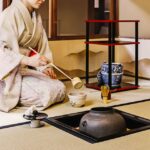
Here’s the part that often sells people on this tour: you’re not limited to tea as a museum piece. You start with the traditional matcha steps, then you make a matcha latte at the end. That means you walk away with a taste you already recognize (latte), but it still uses matcha in a Kyoto-friendly way.
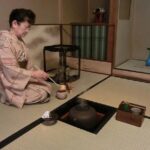
You’ll learn the flow of the ceremony: how tea is made, how it’s presented, and how to think about the experience. Reviews also mention mindfulness and history being part of the teaching, so it’s not just technique. You get the why behind the movements, even in a class that’s short enough to fit into a day of sightseeing.
A nice bonus from the feedback: at least one participant received a recipe for making a latte at home. That’s the difference between a nice memory and something you can repeat. Even if your home version won’t look identical, having a basic recipe helps you recreate the flavor profile instead of just guessing what you’re doing.
Seasonal Wagashi and Why the Sweet Matters
Tea in Japan often comes with wagashi, and here you get seasonal wagashi as part of the experience. That detail matters because wagashi isn’t randomly paired sugar. It’s meant to sit alongside the tea’s bitterness and earthiness, balancing the taste so the matcha experience feels complete.
In a short session, pairing food and drink in the right order is everything. If you just drink matcha straight, it can be intense—especially if your palate isn’t used to matcha’s grassy notes. Wagashi helps soften the edges and gives you a reason to slow down and pay attention to the tea moment.
I also like that you’re not choosing where to go for sweets after the ceremony. Everything is packaged into the class rhythm: tea, sweets, and then the next step (latte-making) rather than turning your afternoon into a snack-hunt.
One consideration: since wagashi is part of the included experience, you’ll want to be mindful of your own preferences around sweets. If you don’t typically enjoy dessert, you’ll still likely be able to participate, but your enjoyment will depend on whether you like traditional sweets as much as you like tea.
Samurai Armor Photo Finale: Fun, Fast, and Photogenic
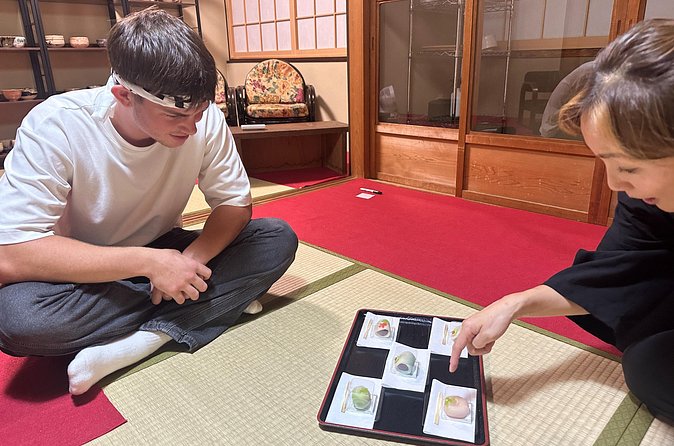
The ceremony culminates with the chance to put on authentic samurai armor and take photos. This is the part that turns a calm cultural activity into something you can share immediately with friends back home. And yes, the photo element is also a legitimate way to make the session feel memorable—because you’re not leaving Kyoto with only a drink you already finished.
What I like about the way this is structured is timing. You’re done with tea practice first, so the photos don’t feel like a gimmick replacing learning. They act like a celebratory landing: you’ve experienced the culture, and now you get to step into a visual story.
If you care about photos, this is the kind of add-on that pays off. Several reviews mention plenty of photo opportunities, and that’s usually the key difference between a costume rental and a real photo moment. Even with the short duration, you’re not left wondering where the camera time went.
Also, keep your expectations tuned: it’s an experience designed around photos, not an hours-long reenactment. You’ll likely get enough time to look the part and get great shots, but you shouldn’t expect an in-depth historical lecture during the armor portion unless it’s specifically explained during your session.
Price, Time, and Group Size: Is $71.74 Worth It?
At $71.74 per person, you’re paying for more than just a drink. You’re paying for instruction, materials, and an included cultural experience in a very specific setting—plus that samurai armor photo moment. For many people, the value is that everything is bundled: you make matcha, you taste wagashi, you make a latte, and you get photos.
Duration is about 1 hour 20 minutes, with about 50 minutes at the machiya portion. That timing is ideal for a lot of Kyoto schedules. It’s long enough to learn and participate, short enough that you don’t feel like you’ve lost your whole afternoon.
Group size matters here: it’s capped at 10 travelers, which helps the host manage questions and keep the pace friendly. In small groups, beginners usually get more help and less standing around. Reviews repeatedly highlight that Maya is patient and encourages participation, which fits the small-group design.
One practical detail: it uses a mobile ticket, so you can keep things simple on your phone. You’ll also want to arrive near the meeting point early enough to settle in without rushing, since you’re walking into someone’s space and the session runs on its own timing.
Where to Meet and How to Fit It Into a Kyoto Day
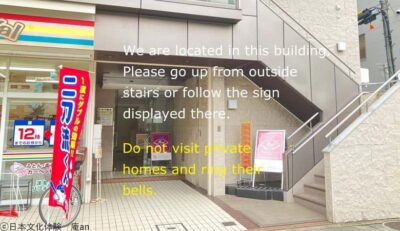
The meeting point is Samurai Gyoza Factory Kyoto, 230-1 Kamimyōkakujichō, Nakagyo Ward, Kyoto, 604-0025, Japan. The activity ends back at the meeting point, so you’re not committing to a long one-way journey across town.
This matters because Kyoto planning can be a game of catch-up. If you already have a plan for the day, knowing you return to the start point helps you keep your sightseeing route sensible. It also means you can schedule this around a nearby attraction without needing a relocation strategy.
The tour is near public transportation, which is a relief if you’re bouncing between neighborhoods. And because the experience is small-group and time-limited, I’d treat it like an appointment: be on time, be ready to participate, and don’t plan to sprint off immediately afterward.
One more scheduling thought: the experience is often booked about 72 days in advance on average. That’s a hint that popular time slots go quickly. If your Kyoto days are fixed, booking sooner rather than later can help you lock in the time that fits your itinerary.
Who Should Book This Matcha + Samurai Armor Experience?
This is a great fit if you want a Kyoto activity that feels hands-on and not too academic. If you’re a beginner, you’ll appreciate that the session is designed for people trying matcha for the first time. If you’re more experienced, you’ll still likely enjoy refining your technique and comparing the traditional matcha preparation to the modern latte version.
It’s also a good choice for people who want both sides of Japanese culture in one session: the quiet discipline of tea and the playful drama of samurai armor photos. You get calm and fun in the same block of time, which is a rare balance in city tours.
Small-group experiences tend to work best for:
- couples who want something interactive, not just a show
- friends who like making memories and photos
- anyone who wants a souvenir that’s edible and repeatable
If you’re the type who wants a super long, ceremonial pace with no modern latte element, then the shorter format may feel a bit more like a guided workshop. But if you want a well-structured introduction, this hits the sweet spot.
Also, the host for this experience is part of the appeal. Reviews consistently mention Maya’s friendliness, humor, and clear English. That’s not a minor detail—when you can understand the steps, your participation improves instantly.
Tips to Make Your 1 Hour 20 Minutes Go Smoothly
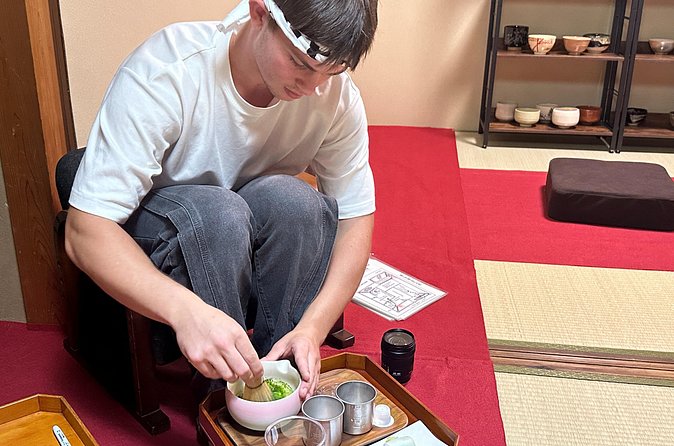
First, treat it like a participation class. You’ll make matcha and then build a latte. Show up with a calm mindset, and you’ll get more out of it than if you’re thinking only about the photo at the end.
Second, plan your wardrobe for comfort. You’ll be seated for instructions and tasting, and then you’ll handle armor for photos. The tour doesn’t state specific clothing requirements, so I can’t promise anything about footwear or movement limits—but comfortable clothing always helps in short workshops like this.
Third, come ready to taste seasonal wagashi. If you have a strong dislike for sweets, this might not be your favorite part of Kyoto, but it’s included. You’ll still get the core tea-making lesson.
Fourth, ask questions during the explanation. The session is set up so you can participate, and reviews highlight that the host encourages trying different steps. If you’re unsure about anything during the process, that’s the moment to clarify, not later.
Finally, keep your expectations balanced about the samurai armor. You’ll get authentic armor photos, and reviews mention plenty of photo opportunities. Just remember it’s a photo finale, not a full costume session with storytelling lasting the entire time.
Should You Book Kyoto Tea Ceremony and Samurai Photo Session?
Book this if you want a true Kyoto style tea workshop with real participation, plus a photo moment that feels fun instead of forced. The value is strong because you get instruction, matcha you make yourself, seasonal wagashi, a Kyoto-style matcha latte, and samurai armor photos in a single visit—without needing multiple reservations.
I’d also book it if you’re traveling with someone who likes both culture and pictures. This experience does both, and in a time frame that doesn’t crush your schedule.
Skip it only if you’re looking for a long, slow, traditional ceremony that runs for hours. This is structured, educational, and fast enough to fit into a normal sightseeing day.
If you’re considering it, my practical advice is simple: pick a time you can arrive early for, and book sooner since it’s often reserved well ahead. Then show up curious, not perfect—and you’ll leave with matcha knowledge you can actually use, not just photos.
FAQ
How long is the Kyoto Tea Ceremony and Samurai Photo Session?
The experience runs about 1 hour 20 minutes (approximately), with around 50 minutes at the 100-year-old machiya.
Where do I meet for the tour?
You meet at Samurai Gyoza Factory Kyoto, 230-1 Kamimyōkakujichō, Nakagyo Ward, Kyoto, 604-0025, Japan.
How many people are in the group?
The tour/activity has a maximum of 10 travelers.
What will I make and eat during the ceremony?
You’ll make your own matcha and also craft a modern matcha latte. You’ll enjoy seasonal wagashi as part of the experience.
Is there time for samurai armor photos?
Yes. The experience culminates with the chance to wear authentic samurai armor for unforgettable photos.
Do I get a mobile ticket?
Yes. The tour includes a mobile ticket.
Is the meeting point near public transportation?
Yes, the meeting point is near public transportation.
When will I get confirmation after booking?
Confirmation will be received at the time of booking.
What’s the cancellation policy?
Cancellation is free. You must cancel at least 24 hours before the experience’s start time for a full refund.
Who is the provider?
The experience provider is Japan food entertainment Ltd.