REVIEW · KYOTO
Making Fresh To-fu from soybeans in Kyoto
Book on GetYourGuide →Operated by Japan Association of Washoku Lifestylists · Bookable on GetYourGuide
Tofu tastes different when you make it. In Kyoto, this hands-on tofu class turns soybeans into fresh results you can actually taste for yourself. You’ll learn what makes Japanese tofu feel so different from what you may know from overseas.
I especially liked the soy milk and oboro-dofu you sample during the process, plus the fact that you eat your tofu in multiple ways afterward. The only drawback to plan for: this is tasting-focused, not a full sit-down meal with drinks.
In This Review
- Key things that make this Kyoto tofu workshop worth your time
- Why hand-made tofu in Kyoto changes what you think you know
- Price and value for a 90-minute hands-on class
- Getting to the workshop near Shijo and Karasuma
- From soybeans to tofu: what you do in the class
- Mid-process tastings: soy milk and oboro-dofu
- The unseasoned first bite: learning Japan’s tofu baseline
- Four tofu dishes: how technique turns into taste
- Dietary fit: gluten-free, vegan, halal, and allergy-friendly
- What it feels like on the day: small-group pace and a home-kitchen vibe
- Who should book this tofu workshop, and who might skip it
- Should you book Fresh To-fu from soybeans in Kyoto?
- FAQ
- How long is the tofu-making experience?
- Is the class a small group?
- What languages are offered?
- What dietary needs can the class accommodate?
- What is included in the price?
- Where is the meeting point?
Key things that make this Kyoto tofu workshop worth your time
- You start with soybeans and learn the real flavor source instead of memorizing tofu facts.
- You taste during production, including soy milk and oboro-dofu, not just at the end.
- First bite is unseasoned, so you learn Japan’s tofu baseline.
- Four tofu dishes let you connect technique to taste right away.
- Small group (up to 6) means more questions and more attention.
- Close to Shijo/Karasuma so it fits Kyoto without eating up your whole day.
Why hand-made tofu in Kyoto changes what you think you know
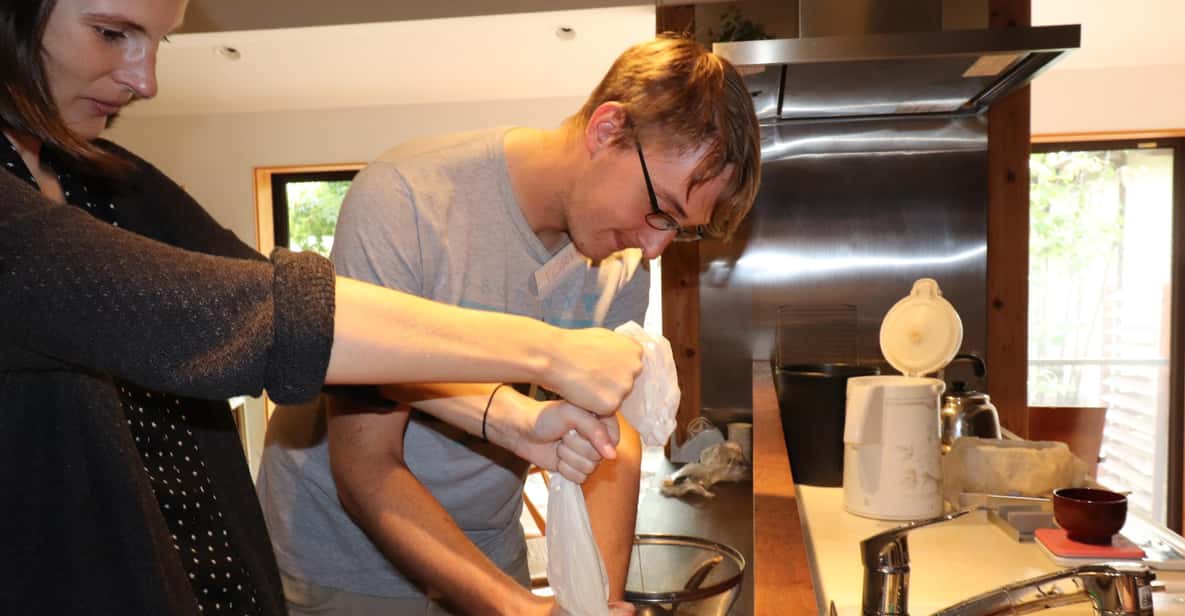
Kyoto has a way of making simple things feel serious. Tofu is one of them. This class is built around the idea that the difference isn’t just marketing, it’s how the tofu gets made.
I like that the teaching starts at the beginning: soybeans, what changes in processing, and how Japanese people typically eat tofu. Overseas tofu is often firm and used in stir-fries and stews. Japanese tofu is often enjoyed as chilled tofu or in miso soup, which means texture and flavor matter even more.
You can also read our reviews of more tours and experiences in Kyoto.
Price and value for a 90-minute hands-on class
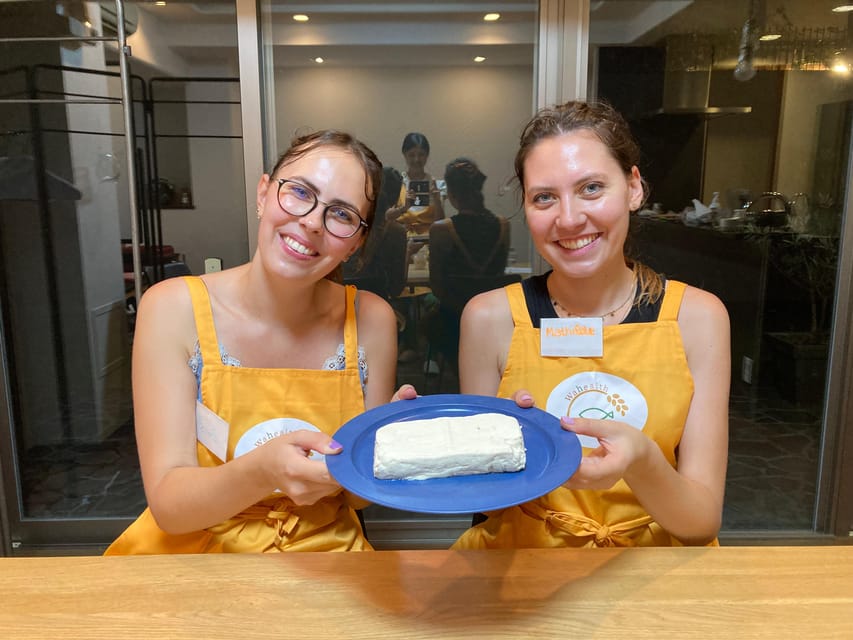
At about $56 per person for 90 minutes, this sits in the category of “worth it if you’ll actually use the knowledge.” You’re paying for hands-on instruction, tasting, and the chance to make tofu from scratch rather than just watching.
The value angle here is the tasting structure. You get to sample fresh tofu, soy milk, oboro-dofu, and then eat four tofu dishes made from your own work. Since meals and drinks beyond tofu tasting aren’t included, it helps to think of this as a food experience that’s partly education and partly your lunch or snack replacement.
Getting to the workshop near Shijo and Karasuma
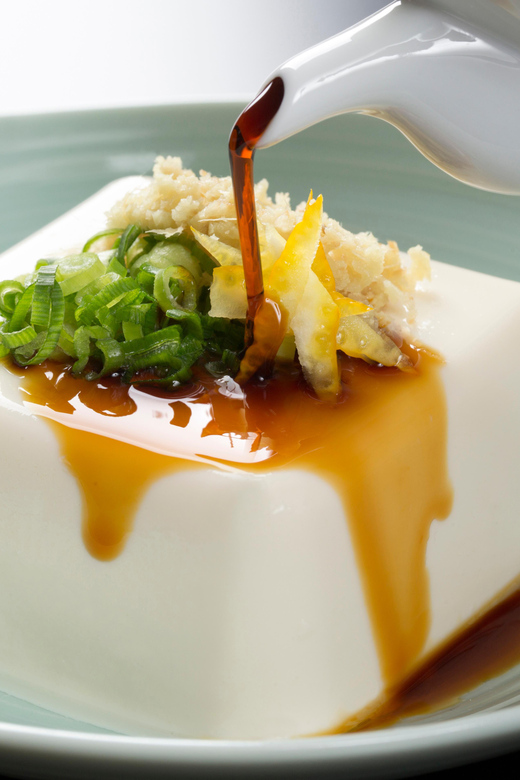
Location is a practical win. The meeting point is within about a 10-minute walk of Shijo Station or Karasuma Station, so you don’t need a taxi or a long transit plan.
To find it: take the elevator to the third floor, then press the doorbell for 302. If you’re traveling with a big daypack, bring what you need and keep the rest light, since you’ll be in a small, focused space.
From soybeans to tofu: what you do in the class
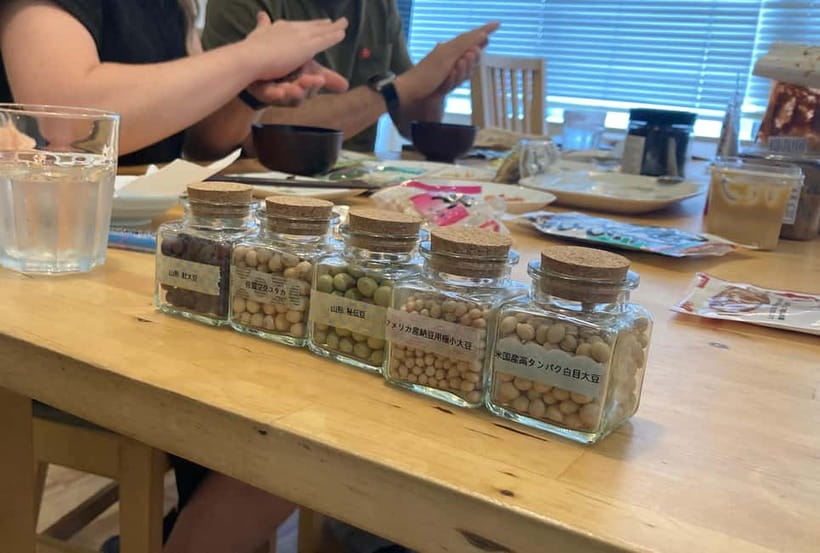
The heart of the experience is the actual making. You’ll learn about differences between soybeans and the process of turning them into tofu. This isn’t a lecture-style cooking demo where you watch and hope for the best. It’s structured so you understand how the process creates tofu’s texture and taste.
The class also frames the why behind Japanese tofu eating. The point isn’t only what you make, but how you’re meant to eat it after. In Japan, tofu isn’t always masked with heavy seasoning. That’s why learning the process first really pays off.
A small note: because it’s limited to up to 6 participants, you’re less likely to feel like you’re in a crowded kitchen line. You’ll have time to ask questions, and the instructor can keep an eye on what you’re doing.
Mid-process tastings: soy milk and oboro-dofu
One of the smartest parts of this class is that you don’t wait until the tofu is fully finished. You also get soy milk and oboro-dofu, which are made during the production process.
This matters because it trains your palate to recognize stages. Soy milk tastes like the start of the story, and oboro-dofu is a softer, delicate result that helps you understand how texture evolves. That gives your final tofu tasting more meaning than a one-time bite.
The unseasoned first bite: learning Japan’s tofu baseline
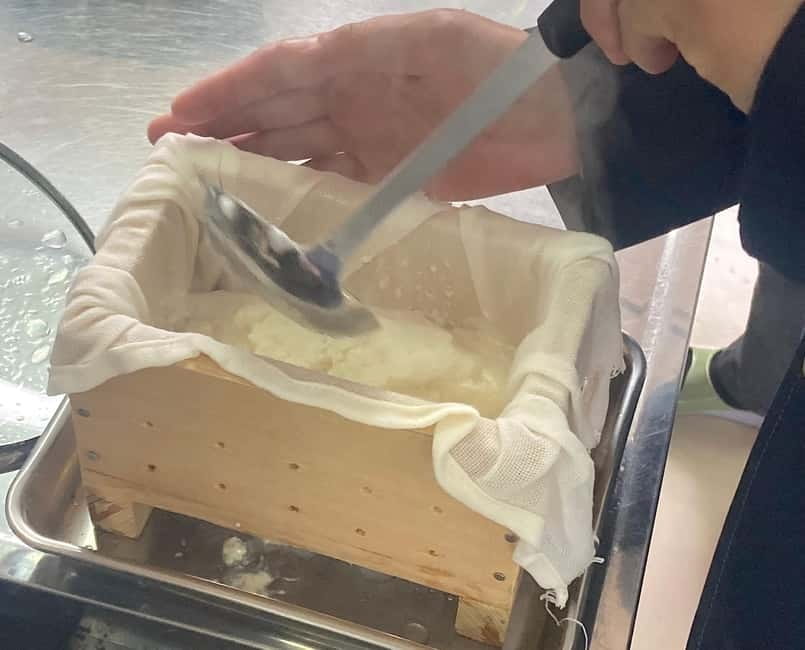
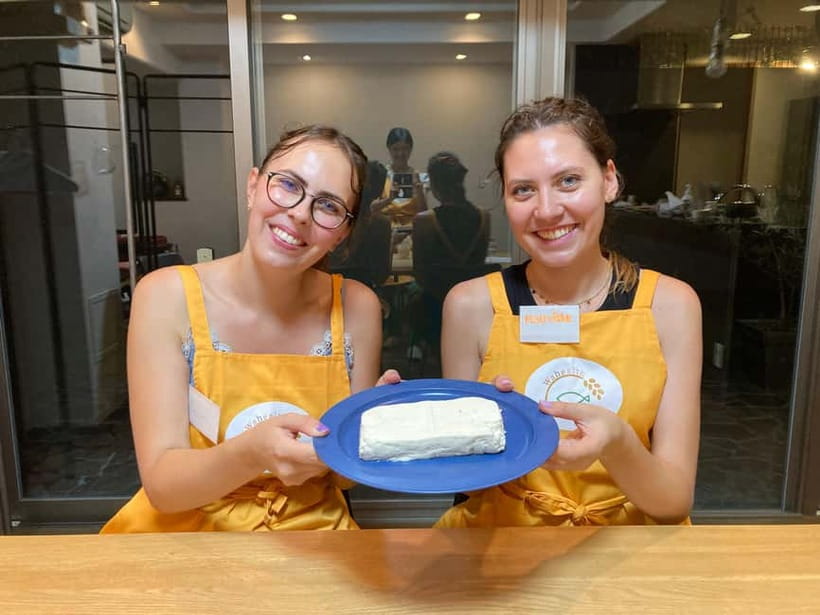
After you make your tofu, you eat it first without any seasoning. I love this teaching approach, because it makes the learning real. If everything tasted good only with sauces, you wouldn’t learn what hand-made tofu is actually doing on its own.
This is where the Japanese style becomes obvious. When tofu is made well, it can be thick and satisfying even without toppings. Machine-made tofu often lacks that same depth, so the contrast helps you understand why Japanese tofu is often enjoyed chilled or simply prepared.
If you’re used to tofu that’s mainly a cooking ingredient, this is the moment where your brain flips. The texture isn’t just firmer or softer. It’s more about balance.
Four tofu dishes: how technique turns into taste
After the core making and tastings, you’ll eat four different tofu dishes made with the tofu you produced. The class doesn’t ask you to guess how tofu works in Japanese cooking. It shows you through eating, which is the fastest way to learn.
Because the class includes multiple dishes, you get variety without having to order four separate meals in Kyoto. It also helps you connect what you learned about the tofu’s process to what you experience in the bowl or on the plate.
A practical tip: go with an open mind on flavors. This isn’t a workshop where every dish is heavy and salty. The goal is to help you recognize how simple preparation lets tofu’s character show through.
Dietary fit: gluten-free, vegan, halal, and allergy-friendly
The class is gluten-free/vegan/halal-friendly/allergy-free OK, as long as you let them know your needs. That’s a big deal for a city like Kyoto where many food experiences assume you can eat everything.
If you have allergies, send your details clearly when you book. The information says ingredients are prepared accordingly, which suggests they’ll adjust the relevant parts of the experience so you can eat the tofu dishes safely.
What it feels like on the day: small-group pace and a home-kitchen vibe
This workshop is small. Up to 6 people means it’s easier to move around and easier to get feedback while you’re making the tofu.
One detail I appreciate from how the experience is described: it can take place in a small apartment setting rather than a big commercial classroom. That can actually make the experience feel more grounded, like you’re learning in a real Kyoto home kitchen. It’s also a nice break from the usual tourist-food format.
If you end up with an instructor named Marie, that’s a real plus. Marie is described as friendly and highly helpful, and the instruction style is very hands-on.
Who should book this tofu workshop, and who might skip it
This is a great match if you want a Kyoto food experience that goes beyond eating. You’ll leave understanding soybeans, the process, and why Japanese tofu is handled differently from many overseas versions.
You might want to skip it if you’re mainly looking for a traditional Kyoto sightseeing day with temples and stops. This class is focused and inside. It’s the kind of experience that adds depth to your Kyoto trip, but it won’t replace a half-day exploring route.
Also consider your appetite. Meals and drinks beyond tofu tasting aren’t included, so if you arrive hungry and only plan for tofu tasting, you may want a backup snack plan nearby.
Should you book Fresh To-fu from soybeans in Kyoto?
If you like cooking, curiosity, or food skills you can actually use later, I’d book it. At $56 for 90 minutes, the value comes from eating what you make, learning the process, and tasting at multiple stages rather than just one end result.
Do it especially if you’ve tried tofu in the past and wondered why Japanese tofu feels different. This class gives you the answer in your mouth. And it’s close to Shijo/Karasuma, so you can fit it into a normal Kyoto day without major logistics headaches.
FAQ
How long is the tofu-making experience?
The class runs for 90 minutes.
Is the class a small group?
Yes. It’s limited to 6 participants.
What languages are offered?
The instructor speaks English and Japanese.
What dietary needs can the class accommodate?
It’s gluten-free/vegan/halal-friendly/allergy-free OK. If you have dietary restrictions, you should let them know so they can prepare ingredients accordingly.
What is included in the price?
You’ll get instruction about tofu and soybeans, tasting of freshly made tofu, and soy milk and oboro-dofu made during the process, plus tasting of four different tofu dishes made with your tofu.
Where is the meeting point?
Take the elevator to the third floor and press the doorbell for 302. The area is within about a 10-minute walk of Shijo Station or Karasuma Station.