REVIEW · KYOTO
Ramen Broth Class by Michelin Guide Shop & Custom Chopsticks
Book on GetYourGuide →Operated by Musoshin Fit inc. · Bookable on GetYourGuide
Ramen starts with a simmer, not a packet. This hands-on Kyoto Gion experience teaches you how to make authentic ramen broth at home, and then you get to eat what you made. I especially like the name-engraved chopsticks and the chef-style tenugui souvenir that follow you long after class. One watch-out: at $58 for 90 minutes, it’s a focused food lesson, not a cheap way to fill up on ramen.
Musoshin’s credibility isn’t just street-food hype. The Musoshin Toronto operation has earned Michelin recognition for four years, and that shows in how seriously they treat broth and seasoning. You’ll cook alongside an English/Japanese instructor, and the atmosphere stays friendly and practical.
My only other consideration is simple: this isn’t for everyone. The class isn’t suitable for wheelchair users, and participation is not allowed for children under 10—so plan around that if you’re traveling with family.
In This Review
- Key things that make this ramen class worth your time
- Kyoto Gion ramen broth class: what you’re really getting for $58
- Your name on chopsticks: the souvenir moment that drives the whole vibe
- Dressing the part: tenugui and apron, plus a real hands-on setup
- The 40-minute broth lesson: how ramen flavor gets built
- Fresh noodles and timing: when your tenugui earns its keep
- Toppings from Musoshin Gion: building the bowl with chef-made components
- Chashu choices: pork belly vs pork cartilage (and which one is special here)
- Dietary options that go beyond toppings
- Where it fits in your Kyoto trip: location and timing
- What to bring (and how to make your class easier)
- Price and value: souvenirs + a full bowl + a method you can reuse
- Who should book this ramen broth class
- Should you book? My decision guide
- FAQ
- How long is the Ramen Broth Class?
- Where in Kyoto does it take place?
- What is the price per person?
- What languages are the instructors?
- What souvenirs do I receive?
- What does the class teach me?
- Are gluten-free, vegetarian, or vegan options available?
- Is there an age limit?
- Can I cancel and get a full refund?
- Is shipping to a future hotel included?
Key things that make this ramen class worth your time
- Name-engraved chopsticks: you handwrite your name, then they engrave it using a special machine and put it in a traditional box
- Chef make-over with a souvenir tenugui: you wear the Musoshin head towel and apron during cooking, then take the tenugui home
- Broth from scratch in about 40 minutes: you learn a process you can actually recreate later, not just a one-time trick
- Fresh homemade noodles: the noodles are made nearby at the Musoshin noodle factory
- Two unique chashu styles: pork belly made over one full day, plus tender pork cartilage chashu pressure-cooked for two hours and only available here
- Real dietary flexibility: gluten-free, vegetarian, and vegan options are available, including broth options
Kyoto Gion ramen broth class: what you’re really getting for $58
$58 for 90 minutes sounds like a “workshop” price, and that’s exactly what it is. You’re not just eating ramen. You’re learning how the backbone of the dish—the broth—is built, and you’re leaving with souvenirs that feel like part of the experience, not plastic extras.
Here’s where the value lives:
- You cook the broth with a professional chef, then you cook noodles and assemble your bowl.
- You get a pair of chopsticks with your name on them.
- You get the Musoshin tenugui you used during the cooking portion.
- You also get a recipe to take home, so you can try again without guessing.
If your goal is to sit down, eat, and leave, you may prefer a regular ramen shop. But if you want the “how” behind great ramen—especially the broth—this format is a strong trade.
You can also read our reviews of more guided tours in Kyoto
Your name on chopsticks: the souvenir moment that drives the whole vibe
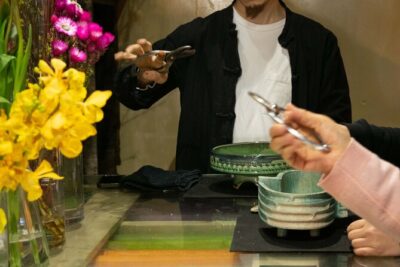
The experience starts with a very Kyoto-style ritual: they ask for your name. Then you watch (and participate) as your chopsticks get personalized.
What happens next is part craft, part ceremony:
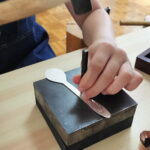
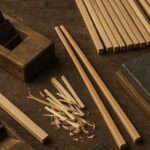
- They engrave your name onto a pair of chopsticks using a special machine.
- They place the chopsticks in a traditional Japanese box, add color, and present them as a one-of-a-kind souvenir.
This is more than a gimmick. Having your name tied to the tool you’ll eat with makes the class feel personal, and it becomes something you’ll actually use or display.
They also include a special effects-themed photo spot. It’s the kind of staged fun that fits a chef-themed experience, and it’s quick—so it doesn’t steal time from cooking.
Dressing the part: tenugui and apron, plus a real hands-on setup
After the chopstick engraving moment, you shift into chef mode. You receive the Musoshin tenugui (a souvenir head towel) and an apron.
The sequence matters:
- You wrap the tenugui around your head during the class.
- You put on the apron so you’re ready for actual hands-on cooking.
- Before cooking begins, you wash your hands thoroughly.
That might sound basic, but it sets a respectful tone. Ramen broth isn’t complicated in concept, but it does require care and timing. A tidy cooking setup helps you focus on what the chef is teaching.
Also, the class languages are English and Japanese, so you should be able to follow along even if your Japanese is still in “ordering snacks” mode.
The 40-minute broth lesson: how ramen flavor gets built
The core of this class is the broth-making session. You’ll learn how to make a delicious ramen soup you can recreate at home.
The timeline they teach around is about 40 minutes for the broth. That’s a useful reality check. In ramen terms, broth time isn’t just “wait longer.” It’s about flavor development and getting the right balance before you move to noodles.
You’ll be working with seasonings prepared for the class. One nice detail from real student experiences: instructors explain not just what you do, but why—so you understand how to adjust if your kitchen ingredients differ at home.
At the end of the broth step, the method you learned becomes the base for the next stage: cooking noodles and finishing the bowl.
Fresh noodles and timing: when your tenugui earns its keep
Once the broth is ready, it’s time for noodles. This is where a class like this beats watching a video at midnight.
You get:
- Fresh, homemade noodles made at a nearby Musoshin noodle factory
- A chance to cook them properly so the texture matches the broth
The class doesn’t just hand you a bowl. It walks you through cooking at the right moment so your noodles don’t steal the spotlight from the broth—or disappear into it.
This is also where the tenugui comes back into play. The included details say the tenugui you use during noodle making becomes your souvenir. Translation: you’re not just wearing the head towel for a photo. You’ll use it during the most tactile part of the ramen process.
You can also read our reviews of more tours and experiences in Kyoto

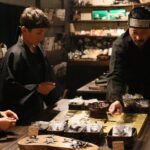
Toppings from Musoshin Gion: building the bowl with chef-made components
Ramen is broth plus toppings plus balance. Here, the toppings aren’t an assembly-line shortcut. They’re handmade by the chefs and sourced from the nearby Musoshin Gion restaurant.
You’ll top your bowl with classic elements:
- seasoned soft-boiled egg
- bamboo shoots
- green onions
This matters because topping quality affects the entire flavor experience. If the broth is a blank canvas, the toppings are the brushwork that makes it feel like ramen shop magic.
You’ll also get the chef’s approach to the final bowl—so you’re eating the results of a well-executed process, not just a version you improvised.
Chashu choices: pork belly vs pork cartilage (and which one is special here)
Chashu is where ramen classes often get generic. This one is more interesting because it gives you two distinct options, including a one-of-a-kind dish.
You have two chashu styles:
1) Pork belly chashu
- Carefully prepared over one full day in the kitchen
- This longer preparation shows up in tenderness and richness
2) Tender pork cartilage chashu
- Pressure-cooked for two hours
- Seasoned with their special sauce
- This chashu can only be enjoyed here
If you’re the type who always wonders why some ramen pork tastes different at every shop, this is your chance to see how cooking method changes texture and depth. The pork belly route leans toward classic richness; the cartilage route gives you a different kind of bite and melt.
Dietary options that go beyond toppings
Food lessons can fail quickly for dietary needs if you’re only offered a sad substitution. Here, the class lists options for:
- gluten-free
- vegetarian
- vegan guests
And the vegan/vegetarian flexibility isn’t limited to toppings. There are options for broth as well, which is the part many classes skip.
So if you’re traveling with someone who can’t eat the usual ramen setup, you can still join the class without turning it into a compromise meal.
Where it fits in your Kyoto trip: location and timing
The class is held in Kyoto’s Gion district. That’s great for a few reasons:
- You’re in an area where you can pair this with other sights before or after class.
- You get an experience that feels local, not “tourist ramen in a room.”
Duration is 90 minutes, with check-in and starting times dependent on availability. With a set window like this, it’s easy to build into a day even if you’re hopping between neighborhoods.
One practical note: meeting point may vary depending on which option you book. So double-check your confirmation message and give yourself a little extra buffer to find the exact spot.
What to bring (and how to make your class easier)
Keep it simple:
- Camera (you’ll have a special effects-themed photo spot)
- Comfortable clothes
I’d add one common-sense tip: wear something you don’t mind getting a little food smell on. You’ll be cooking, and ramen kitchens have their own atmosphere.
Also remember the age and access limits:
- No children under 10
- Not suitable for wheelchair users
If those don’t apply, you’re good. If they do, you’ll want to look for other food experiences that match your needs.
Price and value: souvenirs + a full bowl + a method you can reuse
Let’s break down what you’re paying for, because the $58 makes sense only if you use what’s included.
Included elements:
- broth soup experience
- ramen you eat afterward (your own bowl)
- Musoshin tenugui used during the cooking portion (souvenir head towel)
- chopsticks with your name written on them (souvenir)
- special effects-themed photo spot
Plus, you get a recipe to take home from the way instructors teach the class.
Not included:
- shipping costs for delivering painted/engraved items to your next hotel, if you request that service
That last point is a small detail, but it can matter if you’re moving hotels. If you think you’ll want the chopsticks/painted items shipped, factor that cost into your plan.
Overall, the “value” isn’t just the meal. It’s the combination of:
- a skill you can repeat at home
- a high-use souvenir (your personalized chopsticks)
- a cultural chef-moment (tenugui and apron)
Who should book this ramen broth class
This is a strong fit if you:
- want to bring back real cooking skills, not just photos
- love ramen and care about broth flavor
- want a souvenir that feels personal (your name on chopsticks)
- need vegetarian/vegan or gluten-free options
It may be less ideal if you:
- only want a quick meal and don’t care about learning the method
- are traveling with someone under 10 or need wheelchair accessibility
Also, if you’re the type who enjoys watching process—how timing affects texture, how seasonings build depth—this class rewards that mindset.
Should you book? My decision guide
Book this class if you want a Kyoto experience that’s interactive and repeatable. The best part is the combination: you learn broth from scratch, you cook fresh noodles, and you assemble a proper ramen bowl with chef-made toppings.
Skip it if your travel style is more drop-in and eat than hands-on learning. For pure sightseeing days, a ramen shop might be simpler.
But if you want one “memory you can taste again later,” this is exactly the kind of activity that turns into a home-cooking project.
FAQ
How long is the Ramen Broth Class?
The class lasts 90 minutes.
Where in Kyoto does it take place?
It takes place in Kyoto’s Gion district.
What is the price per person?
The price is $58 per person.
What languages are the instructors?
The instructors speak English and Japanese.
What souvenirs do I receive?
You’ll get the Musoshin tenugui you use during the cooking portion, and you’ll also receive chopsticks engraved with your name.
What does the class teach me?
You learn how to make ramen broth from scratch and then you cook noodles and toppings to eat what you made.
Are gluten-free, vegetarian, or vegan options available?
Yes. Options are available for gluten-free, vegetarian, and vegan guests, including broth options.
Is there an age limit?
Yes. Participation is not recommended for children under 10 years old.
Can I cancel and get a full refund?
You can cancel up to 24 hours in advance for a full refund.
Is shipping to a future hotel included?
No. Shipping costs for delivering the painted items to your next hotel are not included if you request that service.