REVIEW · KYOTO
Treasures of Kyoto: Geishas & Traditions Private Tour
Book on Viator →Operated by Withlocals · Bookable on Viator
Geisha Kyoto, minus the guesswork. This private Treasures of Kyoto tour pairs a local host with a smart route through Gion and classic shrines, so you’re not stuck guessing what to see next. You also get help navigating Kyoto’s backstreets, which matters in an area where one wrong turn can add time fast.
I love two things most: the stop-to-stop variety and the way the guide connects details across culture, religion, and daily life. You’ll spend about 2.5 hours, and the pacing stays relaxed enough for questions, photos, and quick pauses at viewpoints. Also, I appreciate that the big sights on the route are listed as free admission tickets at each stop, so you’re not constantly checking extra costs.
One thing to plan for: this is mostly walking on a neighborhood route with a moderate fitness level. And since there’s no hotel pick-up, you’ll want to be ready to meet at the start point and finish near Yasaka.
In This Review
- Key highlights to look for on this Kyoto Geisha tour
- Why this private Geisha-and-Temple route works for time-tight days
- Price and logistics: what you’re paying for (and what you’re not)
- The route, stop by stop: kabuki, Gion lanes, shrine views
- Statue of Izumo no Okuni: kabuki’s origin story, in 20 minutes
- Minamiza Theatre: Edo-era roots you’ll recognize in the streets
- Gion: the preservation districts behind the pretty streets
- Tatsumi Daimyojin Shrine: where Shinto meets Buddhist practice
- Shinbashi Dori: banquet buildings and how entertainment shaped the lanes
- Chion-in Temple: steps, garden views, and temple scale
- Maruyama Park: from temple grounds into the open
- Yasaka Shrine: legend dates that make the place feel older than you expect
- Shijo Dori: the old capital’s geography, translated into a street name
- Nene-no-Michi: a named street tied to a person and a temple (Kodaiji)
- Yasaka Shrine again: pagoda views and finishing in a local café area
- How the guide makes geisha culture make sense without turning it into a show
- Crowd management and photo sanity on a Gion walk
- Who should book this Kyoto tour (and who might skip it)
- Should you book Treasures of Kyoto: Geishas & Traditions Private Tour?
- FAQ
- How long is the Treasures of Kyoto tour?
- Is this tour private or shared?
- Where does the tour start and where does it end?
- Are tickets or admission fees included?
- Does the price include food and beverages?
- Is hotel pick-up provided?
Key highlights to look for on this Kyoto Geisha tour
- Kabuki origins at Izumo no Okuni: a quick cultural primer before you even reach Gion
- Minamiza Theatre roots (Edo period): you’ll connect performance history to the modern streetscape
- Shinbashi Dori and banquet buildings: learn how the entertainment culture shaped this district
- Shinto-Buddhism in one stop: Tatsumi Daimyojin Shrine helps you understand the mix
- Viewpoints at Yasaka Shrine: you get more than one angle, including the five-story pagoda area
- A guide who avoids crowd bottlenecks: the route is designed for flow, not long waits
Why this private Geisha-and-Temple route works for time-tight days
Kyoto can be a choose-your-own-adventure city—great, until you only have a couple of hours. This tour is built for the busy day. You don’t join a big bus shuffle. Instead, it’s private for your party with a local host, which means you can go at your pace and ask the question that pops into your head mid-walk.
The best part is the mix. You’re not just doing temple checklist photos. The route connects performance culture (kabuki), entertainment district streets (Gion and Shinbashi), and religious sites (Shinto and Buddhist connections) in a way that’s easy to follow while you’re moving.
Also, the meeting-to-finish design keeps you from doubling back. You start in the Higashiyama area around Kawabatacho and end near Yasaka Kamimachi. That’s handy if you plan to keep exploring after the tour without cramming your whole schedule into one side of Kyoto.
You can also read our reviews of more private tours in Kyoto

Price and logistics: what you’re paying for (and what you’re not)
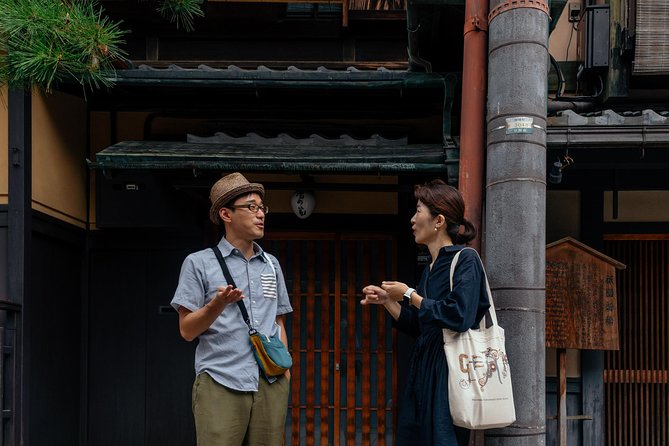
At $135.45 per person for about 2 hours 30 minutes, this isn’t the cheapest thing you can do in Kyoto. But you’re paying for three practical advantages that add up:
- Private time with a guide (not shared interpretation)
- A guided walking route through places that can feel confusing without context
- On-the-ground navigation help in a district where streets curve and details matter
A big plus for budgeting: the stops listed on the route show free admission tickets at each stop. That doesn’t mean you’ll never pay for anything in Kyoto, but it does mean you’re not stacking paid attractions on top of the tour.
Logistics-wise, you should know two things upfront. There’s no hotel pick-up or drop-off, so you’ll meet at Kawabatacho (Higashiyama Ward) and finish at Yasaka Kamimachi. Also, the tour is near public transportation, which helps if you’re hopping between sights.
Finally, you’ll want comfy shoes. The itinerary is designed as a walking neighborhood loop, and the info flags a moderate physical fitness level.
The route, stop by stop: kabuki, Gion lanes, shrine views
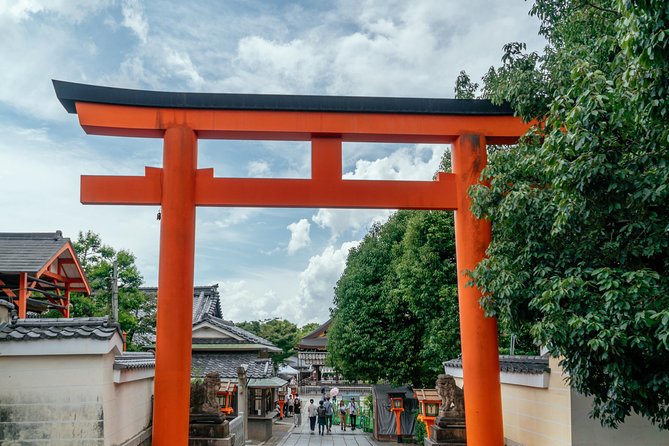
This tour is essentially one long story with chapters. Here’s what you can expect from each stop and why each one earns its place.
Statue of Izumo no Okuni: kabuki’s origin story, in 20 minutes
You start with the Statue of Izumo no Okuni, credited as an originator of kabuki theater. It’s a quick stop, but it matters. Kabuki isn’t just entertainment in Japan—it’s tied to urban culture, performance traditions, and the way artists gained visibility.
Tip for your visit: keep this in mind as you walk toward Gion later. The district has a strong connection to entertainment culture, and the tour’s structure nudges you to see the links.
Minamiza Theatre: Edo-era roots you’ll recognize in the streets
Next is Minamiza Theatre, with roots traced back to the early Edo period (1596–1615). Even if you’re not a theater person, this stop gives you a timeline anchor.
Why it works: it stops the experience from feeling like random sightseeing. You’re learning how older cultural institutions shaped what you see in the modern city.
Gion: the preservation districts behind the pretty streets
You then head into Gion—and this stop is more than scenery. The area is described with two preservation-zone concepts: the Shinbashi side (traditional business preservation area) and the area south of Shijo Street (historical scenery preservation area).
This is where you start learning to read the neighborhood. Instead of only seeing buildings and alleys, you learn why certain streets and structures have special status, and what that means for the district’s character.
Tatsumi Daimyojin Shrine: where Shinto meets Buddhist practice
At Tatsumi Daimyojin Shrine, you’ll hear about Japanese religion as a blend of Shinto and Buddhism. This is an important cultural “translation” moment because many first-time visitors treat these traditions like separate worlds.
On this stop, expect the guide to help you understand the practical reality: people can hold both frameworks in daily life, and sacred sites can reflect that blending.
Shinbashi Dori: banquet buildings and how entertainment shaped the lanes
Outside banquet buildings along Shinbashi Dori, the tour focuses on geisha-era entertainment—where geisha would have hosted customers. The vibe here is historically anchored, even if you’re walking next to very normal street life.
What to do: look slowly. The value is in understanding how the physical street layout and building types connect to the role of geisha in social gatherings.
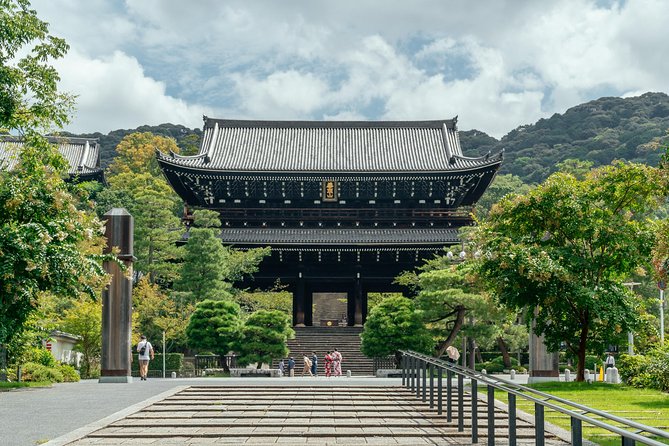
Chion-in Temple: steps, garden views, and temple scale
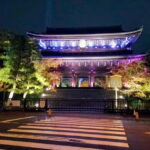
Then it’s Chion-in Temple, one of those Kyoto places that makes you feel small in a good way. The itinerary notes walking up the steps for better views and taking in the garden area.
This is a solid contrast stop: you shift from street culture to temple space. And if you want a breather, this is often a good moment to slow down, look around, and let the day reset.
Maruyama Park: from temple grounds into the open
From Chion-in, you walk toward Maruyama Park. The itinerary keeps it to about 20 minutes, so it’s not a long park day. Still, it’s a useful transition between major religious space and the next shrine-and-street chapter.
If it’s busy, a guide’s route planning can help you avoid the worst crowd pinch points.
Yasaka Shrine: legend dates that make the place feel older than you expect
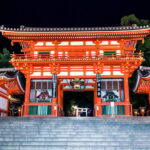
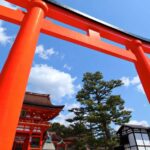
Next is Yasaka Shrine, with background tied to legends that may reach back before the Heian era (with a reference to around 656, tied to Emperor Seimei’s reign). Even if the dates are the kind of thing you don’t memorize, the point is clear: this is not a new shrine.
Why I like this stop on a walking tour: it gives you perspective. You’re not just seeing a shrine—you’re learning why it became a center point in Kyoto’s religious and cultural life.
Shijo Dori: the old capital’s geography, translated into a street name
You then walk along Shijo Dori, explained as the Fourth Avenue of Heian-kyō, the ancient capital. This is one of those details that turns a normal street into a map of the past.
Look down the road while you’re walking. The street name is doing the work of a tiny time machine.
Nene-no-Michi: a named street tied to a person and a temple (Kodaiji)
At Nene-no-Michi, the tour connects the street name to Nene and notes that Kodaiji Temple was built in 1605 at her behest.
This stop is short, but it adds a specific human story. Instead of thinking of history as only kings and wars, you get a sense of how influential figures shaped temple building and where those choices left a mark in the city.
Yasaka Shrine again: pagoda views and finishing in a local café area
The tour returns for another Yasaka Shrine moment, described with a five-story Buddhist pagoda temple and sweeping views from the top. The day ends nearby, with the itinerary noting a finish in a local cafe nearby.
This is where the walk turns into payoff. You’ve spent hours hearing context; now you get the reward view and a chance to cool down with a drink or snack if you choose (food and beverages aren’t included).
How the guide makes geisha culture make sense without turning it into a show
What makes this tour feel worth it isn’t just the list of places. It’s the guide’s approach to culture—especially around geisha and religious customs.
In feedback tied to this experience, I’ve seen guides named Ted-san, Maha, Kako, Ahmed, and Shohei stand out for a few recurring strengths: they explain cultural meaning clearly, answer questions directly, and handle the topic with respect. If you’re wondering how to ask about a tradition you’re not part of, this is the kind of guiding style that tends to keep the tone correct.
You’ll also get practical framing for everyday curiosity. For example, the route is structured to teach you how entertainment-district streets like Shinbashi relate to the social functions geisha fulfilled, and how places like Tatsumi Daimyojin reflect blended religious practice.
And if you’re traveling with kids, the feedback includes examples of guides adapting the conversation for younger visitors, keeping questions from stalling the walk.
Small note: geisha culture is sensitive. You’ll likely learn etiquette as part of the tour’s emphasis on tradition and respect, not just facts.
Crowd management and photo sanity on a Gion walk
Kyoto’s best-known neighborhoods can be packed, and Gion is no exception. The practical value of a private walking route is that your guide can steer the group to keep the experience moving instead of standing still.
You’ll get multiple chances for photos, but the tour doesn’t turn into a frantic camera sprint. It’s more like guided window-shopping with context. That matters because it helps you avoid two common mistakes: taking only surface shots, or missing small details while you’re trying to fight your way through crowds.
My advice for photo-friendly success:
- Wear shoes you can walk in for a couple hours without thinking
- Keep your phone ready but don’t chase every shot blindly—listen first, then look
- If it’s raining, a light layer helps. The route is still a walking itinerary
Who should book this Kyoto tour (and who might skip it)
I think this is a great match if:
- You want Geisha and tradition context without building your own multi-stop itinerary
- You’re short on time and want a route that stays coherent
- You like learning why streets and shrines are connected, not just what they look like
- You’ll appreciate religion explained in everyday terms (Shinto and Buddhism blending)
You might want to look elsewhere if you prefer a slower day where you can linger for long stretches at one single major temple. This is a compact circuit, so the style is more “see and understand” than “spend hours in one place.”
It also suits families. Feedback includes guides who stayed engaging with kids around 10 to 14, which is a good sign if you want the tour to work across ages.
Should you book Treasures of Kyoto: Geishas & Traditions Private Tour?
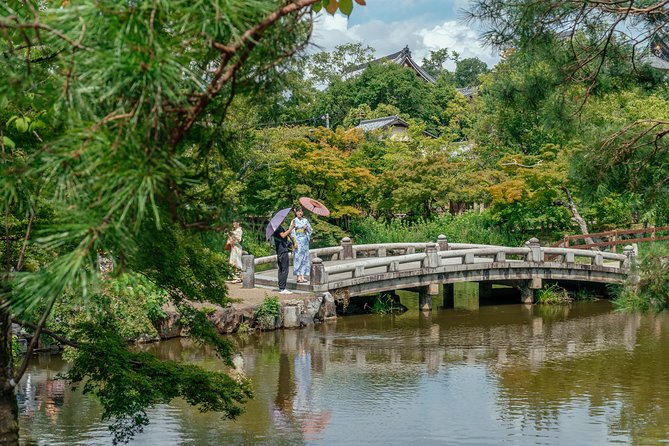
If you want a smart, respectful introduction to Gion and nearby shrine culture, I’d book it. The private format and the stop density make it a good value for time. The fact that the route lists free admission tickets at each stop helps too, and the guide-led navigation can save you from wasting precious hours figuring out where to go next.
Book it if your day plan includes Higashiyama and you want a single walking experience that ties kabuki roots, Gion streets, and shrine stories into one storyline.
Skip it only if you hate walking or you’d rather spend a long afternoon parked inside one temple complex. This tour is a neighborhood stroll with meaning, not a stay-and-breathe temple day.
FAQ
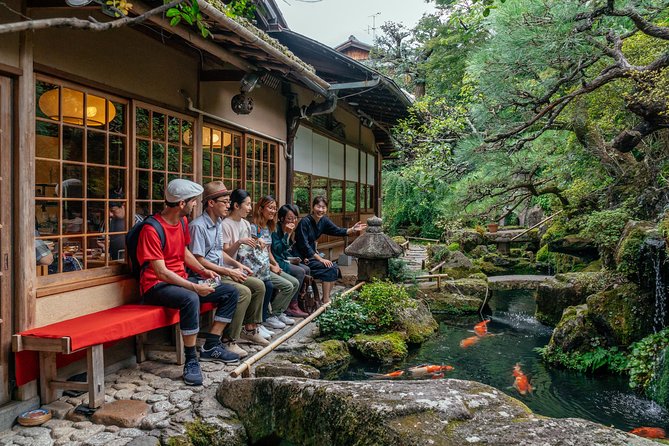
How long is the Treasures of Kyoto tour?
It’s about 2 hours 30 minutes.
Is this tour private or shared?
It’s a private tour, exclusively for your party.
Where does the tour start and where does it end?
It starts at Kawabatacho, Higashiyama Ward, Kyoto and ends at Yasaka Kamimachi, Higashiyama Ward, Kyoto.
Are tickets or admission fees included?
Each listed stop shows an admission ticket as free.
Does the price include food and beverages?
Food and beverages are not listed as included.
Is hotel pick-up provided?
No, hotel pick-up and drop-off are not included.