REVIEW · KYOTO
Kyoto Imperial Palace and Nijo Castle Walking Tour
Book on Viator →Operated by KAMNAVI Tours · Bookable on Viator
Kyoto goes from everyday life to imperial power fast on this 7-hour route. You’ll hit Higashi Hongan-ji, Nijo Castle, and the Kyoto Imperial Palace plus Nishiki Market, with a guide who ties it all together. The day also includes time around a geisha-street area so you get a fuller sense of what Kyoto feels like between big historic sites.
I like this tour for two reasons: first, it’s paced for “see a lot without feeling lost,” especially because the guides are strong at explaining what you’re looking at. Second, you get Kyoto’s food culture built in—especially through the Nishiki Market stop, where guides can steer you toward what’s worth trying in limited time.
One drawback to plan for: it’s quite a bit of walking and each major site is relatively time-boxed, so you’ll want comfortable shoes and a flexible mindset (and you may pay a little extra for Nijo Castle entry and transit).
In This Review
- Key things to know before you go
- A 7-hour sampler of Kyoto’s power, faith, and food
- Meeting at Kyoto Station and planning your walking day
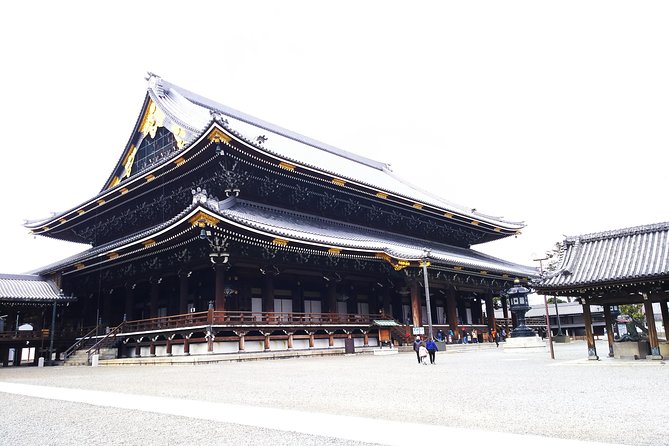
- Higashi Hongan-ji: Kyoto’s everyday temple world in 30 minutes
- Nishiki Market: Kyoto’s kitchen, snack time, and quick cultural context
- Nijo Castle: shogun-era power you can actually read
- Kyoto Imperial Palace: a different kind of grandeur
- Why the guides matter: Naoko, Chie, and Fuji’s effect on the day
- Price and logistics: what $111.03 really buys you
- Who this tour suits best (and who should skip it)
- Should you book this Kyoto Imperial Palace and Nijo Castle walking tour?
- FAQ
- What’s included in the Kyoto Imperial Palace and Nijo Castle walking tour?
- What admission costs should I expect?
- How long is the tour?
- Where do I meet, and what time does the tour start?
- Is this tour private?
- What should I do if weather is bad?
Key things to know before you go
- Temple-to-palace in one day: Higashi Hongan-ji, Nishiki Market, Nijo Castle, and Kyoto Imperial Palace in about 7 hours.
- Food culture is part of the plan: Nishiki Market is treated like Kyoto’s kitchen, not just a quick walk-by.
- Shogun history is the theme at Nijo Castle: built for the shogun’s Kyoto visits, with big visual storytelling inside.
- Imperial Palace expectations matter: it’s not staged like a typical European show palace.
- Guides can make or break the day: names like Naoko, Chie, and Fuji come up for clear English and useful context.
- Bring your walking legs: moderate physical fitness is recommended, and the tour is tour-paced.
A 7-hour sampler of Kyoto’s power, faith, and food
This walking tour is a smart “first Kyoto” move if you want the big headline stops without turning your day into a map puzzle. You’ll start with a major temple atmosphere, shift into Kyoto’s everyday food world at Nishiki Market, then jump into the political chessboard of shogun and emperor residences.
What makes it work is the way the stops connect. You’re not just ticking boxes. You’re moving through different layers of Kyoto life—commoner faith and Buddhist practice at Higashi Hongan-ji, street-level tastes at Nishiki Market, and court power at Nijo Castle and the Kyoto Imperial Palace. Even the overview hints at a stroll through a geisha-street area, which helps the day feel less like a history textbook and more like a real city visit.
I also appreciate that the tour gives you a guided “read” of what you’re seeing. Kyoto can be visually complex. A guide helps you notice details you’d otherwise miss—especially at Nijo Castle and the Imperial Palace, where context changes everything.
You can also read our reviews of more walking tours in Kyoto


Meeting at Kyoto Station and planning your walking day
You meet at Hotel Granvia Kyoto, at the JR Kyoto Station Central Entrance. The start time is 9:00 am, and the tour ends back at the same meeting point. That’s a useful detail: you can plan your morning and keep your logistics simple, especially if you’re staying around Kyoto Station.
The tour runs about 7 hours, and the guidance is to expect quite a bit of walking with a moderate fitness level. That doesn’t mean it’s a hike, but it does mean you should treat it like a full sightseeing day. Wear shoes you can stand in for a long stretch. Also, build in time buffers for the days you might run hot—Kyoto gets muggy in warm months.
Because it’s a private tour/activity (your group only), the guide can likely adapt pacing to your team, within reason. That’s helpful if you’re traveling with kids or if someone in your group asks a lot of questions.
Higashi Hongan-ji: Kyoto’s everyday temple world in 30 minutes
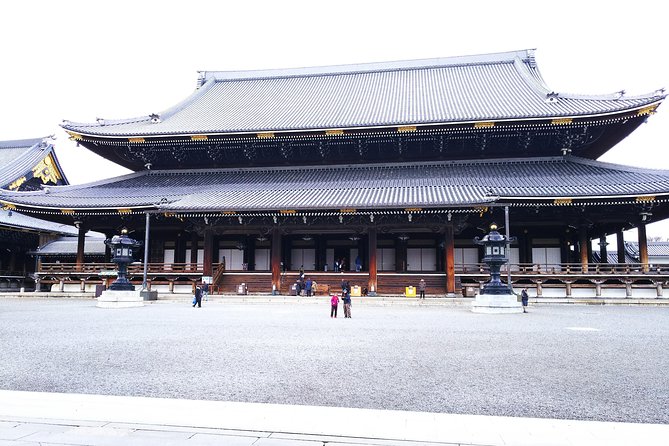
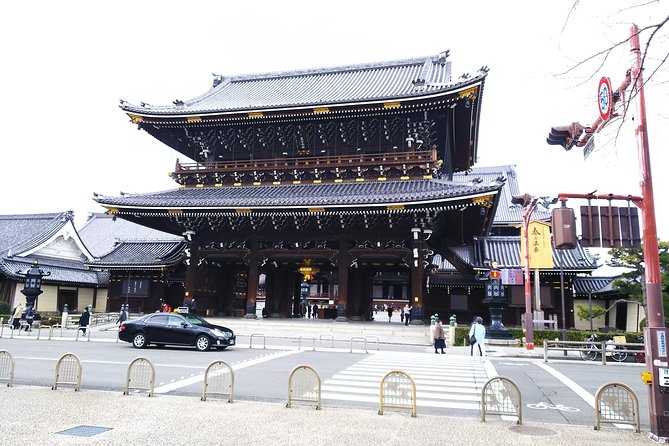
The day begins at Higashi Hongan-ji Temple, with free admission and about 30 minutes. Higashi Hongan-ji is tied to major Buddhist traditions in Japan, and the tour framing matters here. Instead of treating the temple as a single photo stop, the tour gives you a quick sense of who believes what, and why.
One detail that makes this stop feel more grounded: the tour points to Shingon Otani and notes it’s said to have about 8 million believers. Even if you don’t memorize the number, you’ll walk away with a clearer idea that Buddhism here is not abstract or distant—it’s part of daily life and identity for millions.
Practical tip: in a short slot, you won’t see every corner. Use the time to look closely at the big structures first, then let your guide point out what to notice. If you’re the type who likes asking why a thing is built a certain way, this is the kind of first stop where you’ll get good momentum.
Nishiki Market: Kyoto’s kitchen, snack time, and quick cultural context
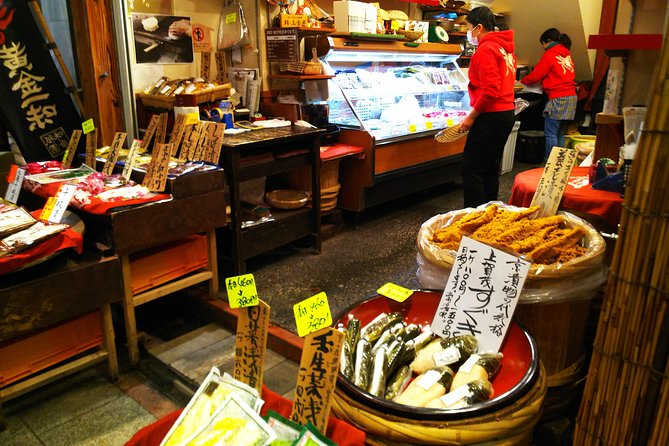
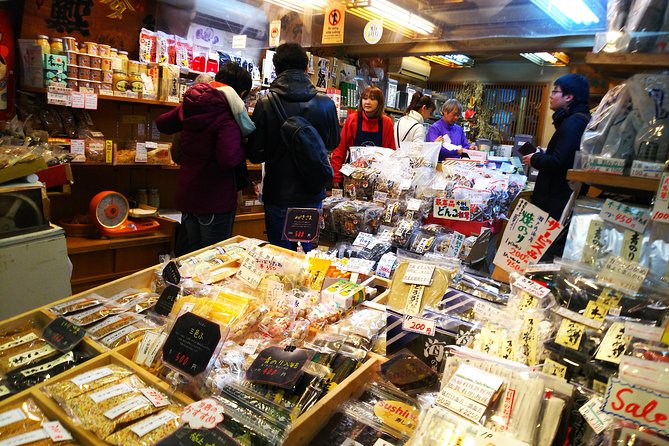
Next up is Nishiki Market, again with free admission and about 30 minutes. Nishiki Market is often called the kitchen of Kyoto, and the tour leans into that idea with a fun local explanation: there’s a legend/story that a large water reservoir lies underneath the district, which ties into Kyoto’s reputation for fresh water.
Even if you don’t care about legends, you’ll still benefit from the practical angle. Nishiki is the best place on this route to sample Kyoto tastes in a compact area. And because it’s only about half an hour, you’ll want a strategy: pick a couple of items that sound good to you, not ten things that look pretty but leave you stuffed and broke.
What I like here is the way guides can steer you. The experience includes strong food guidance—one guide-style detail that comes through in feedback is that guides make good recommendations at Nishiki. If you’re traveling with kids, this is also where guides can turn “shopping street time” into something more like a guided tasting adventure instead of an overwhelming sprint.
Practical tip: come ready to eat, but also ready to share. The best market moments often happen when you try small bites.
Nijo Castle: shogun-era power you can actually read
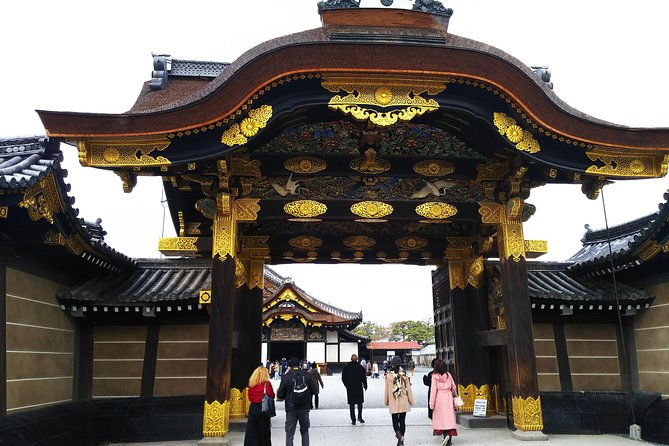
Then the day shifts into political Kyoto at Nijo Castle. This stop is about 1 hour, and admission isn’t included. The cost listed is ¥1,300 per person for admission.
If you’ve only seen palace interiors in Europe, here’s a key expectation shift: Nijo Castle is about shogun authority and control, not about being a glittery ballroom. The building design and interior art are meant to communicate status. The tour highlights that the castle was built as the place where the shogun stayed when visiting Kyoto.
One standout detail worth remembering: the tour notes there are more than 1,000 gorgeous pictures inside. That’s not just trivia. When you have that context, the interior feels like a carefully arranged visual story rather than random decoration.
Practical tip for this stop: don’t try to “see everything” in 60 minutes. Instead, focus on the big visual elements your guide points out—where the atmosphere feels theatrical, and where the design supports the power theme. If you’re the kind of person who likes details, Nijo Castle is where those questions will pay off.




Kyoto Imperial Palace: a different kind of grandeur
The final major stop is Kyoto Imperial Palace, about 1 hour 15 minutes. Here, the admission is free on this tour, which is a nice bonus—especially compared to paid sites elsewhere.
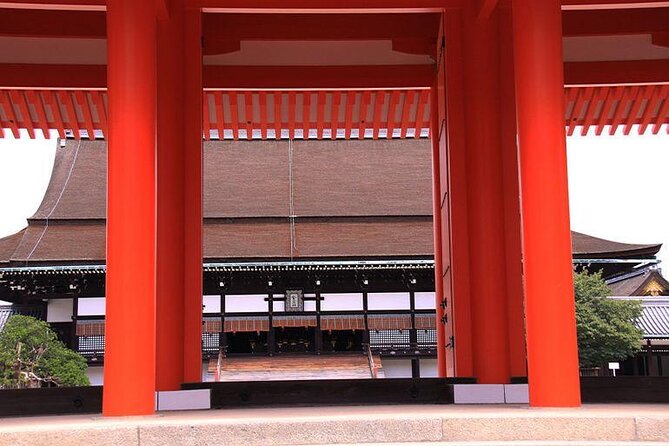
This place is the long-view center of Japan’s imperial life before the capital moved. The tour explains that until the capital was moved to Tokyo in 1868, the emperor’s family lived here, and even today the imperial family still matters to the story of the palace grounds.
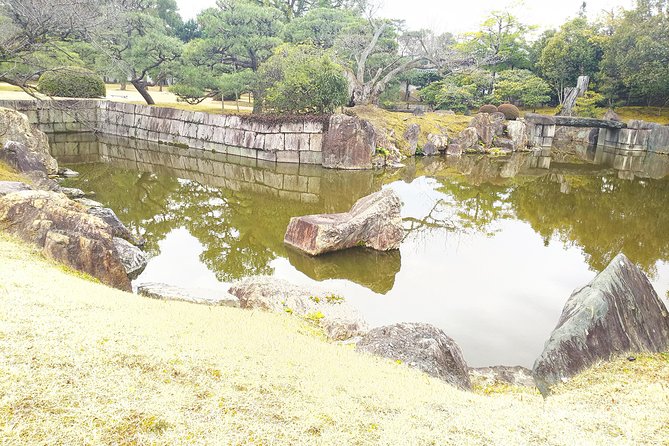
One thing I really appreciate is how the guide framing helps you avoid the wrong mental image. If you’re picturing a European palace full of furniture and gold, you might feel surprised. The palace is more about place and ceremony, not about being a museum-style banquet of objects for casual strolling.
Practical tip: use your time to notice the layout and the flow of the grounds. With a guide, you’ll understand what you’re seeing and why certain areas matter in an imperial setting.
Why the guides matter: Naoko, Chie, and Fuji’s effect on the day
On a tour like this, the guide isn’t just narration. They decide how fast you connect the dots between temple faith, market life, and the political meaning of castle and palace spaces.
The strongest theme in the experience feedback is that guides are praised for making the tour fun and clear, with good English and plenty of answers. Names that come up include Naoko, Chie, and Fuji.
- Naoko is highlighted for being great with kids and for sharing fun facts that keep history from sounding like homework.
- Chie is praised for helping the group get around efficiently and for explaining how the palace and castle are different, so you don’t confuse the two.
- Fuji stands out for answering history and culture questions and for making practical food recommendations at Nishiki Market.
If you’re deciding whether to book, this matters more than the printed itinerary. Kyoto rewards curiosity, and a good guide lets you ask questions and get real context instead of silent head-nods.
One more helpful pattern: several feedback notes mention a polished experience with a detailed plan and smooth use of time. That’s exactly what you want on a day packed with major sites.
Price and logistics: what $111.03 really buys you
The listed price is $111.03 per person, and the tour includes guide fare plus a mobile ticket. There’s also mention of group discounts, which can improve value if your group qualifies.
What’s not included is important for your budget: Nijo Castle admission (¥1,300 per person) and public transportation (listed as ¥1,000 per person). Since the temple and Nishiki Market and the Kyoto Imperial Palace are described as free admission in the tour flow, your paid “on the ground” costs mostly concentrate around that single major paid stop.
So does it feel like good value? For me, yes—if you want a guided day that strings together multiple major sites in one go. You’re paying for time saved and clarity gained. If you’re the DIY type who enjoys researching and hopping on transit all day, you could do it cheaper. But you’d also risk losing the context that makes Nijo Castle and the Imperial Palace click.
Also, the tour is scheduled for a full morning-to-afternoon block with a fixed start time at Kyoto Station. That’s a hidden value: less time planning, less friction, more time seeing.
One small timing note: it’s commonly booked about 56 days in advance on average, so if you’re traveling in peak seasons, booking earlier can help you lock in your preferred day.
Who this tour suits best (and who should skip it)
This tour fits best if you:
- Want a one-day overview of Kyoto’s major historic sites without juggling details.
- Like having a guide who can answer questions and explain what you’re seeing.
- Plan to do some light shopping and tasting at Nishiki Market.
- Are traveling with family and would appreciate an approach that can work for kids (Naoko’s feedback is a good sign here).
You might want to skip or adjust if you:
- Hate walking. The tour specifically notes quite a bit of walking and recommends moderate fitness.
- Want unhurried time in each location. Each stop is time-boxed, so you won’t get hours and hours at Nijo Castle or the Imperial Palace.
A good compromise is to see this day as your structured primer. Then you can come back later on your own to whichever stop felt most meaningful.
Should you book this Kyoto Imperial Palace and Nijo Castle walking tour?
I’d book it if your goal is a fast, guided, high-contrast day: temple life, Kyoto food streets, shogun residence history, and the imperial palace setting—all without forcing you to build a whole day from scratch.
It’s especially worth it when you value clear explanations and food guidance at Nishiki Market. The guide quality shows up consistently in feedback, including the ability to keep things fun for kids and to answer deeper history questions.
If you’re tight on mobility or you prefer slow travel, this may feel like a sprint. But if you come with comfortable shoes, a flexible attitude, and curiosity, it’s a practical way to get your bearings in Kyoto quickly and accurately.
FAQ
What’s included in the Kyoto Imperial Palace and Nijo Castle walking tour?
The tour includes the guide fare and a mobile ticket. Admission fees and public transportation are not included.
What admission costs should I expect?
Nijo Castle admission is ¥1,300 per person and is not included. The itinerary notes free admission for Higashi Hongan-ji Temple, Nishiki Market Shopping District, and Kyoto Imperial Palace.
How long is the tour?
The duration is listed as about 7 hours.
Where do I meet, and what time does the tour start?
You start at Hotel Granvia Kyoto (JR Kyoto Station Central Entrance) and the tour starts at 9:00 am. It ends back at the meeting point.
Is this tour private?
Yes. It’s listed as a private tour/activity, so only your group participates.
What should I do if weather is bad?
The experience requires good weather. If it’s canceled due to poor weather, you’ll be offered a different date or a full refund.