REVIEW · KYOTO
Kyoto: Kimono Tea Ceremony with Matcha and Sweet
Book on GetYourGuide →Operated by GLOBA Inc. · Bookable on GetYourGuide
Kyoto slows you down with kimono and matcha. This kimono tea ceremony turns a quiet ritual into a hands-on lesson, with full English guidance and a real tea master running the show. You’ll learn what the tools mean, why the movements matter, and how Japanese etiquette shows up in everyday calm.
My favorite part is the chance to make your own bowl. You’ll create matcha using premium powder, then finish with seasonal wagashi—traditional sweets that change with the time of year. One consideration: the kimono fitting and prep happen first, and for some people it can feel a bit rushed, so don’t plan on doing makeup from scratch right at the venue.
In This Review
- Key Highlights You’ll Actually Feel
- Kyoto Kimono and Matcha: What You’re Paying For
- Choosing Your Kimono and Getting Dressed Right
- Comfort tip that saves your whole day
- Inside the Tea Room: Etiquette, Tools, and Zen Values
- Matcha Workshop: Making Your Own Bowl the Right Way
- Wagashi and Seasonal Sweets: Why They Matter
- Timing and Group Size: How the 90 Minutes Actually Plays
- When you should schedule it
- Who Should Book This Kyoto Experience (and Who Might Skip It)
- Practical Notes: Seating, Hair, and Transportation
- Should You Book This Kyoto Kimono Tea Ceremony?
- FAQ
- How long is the Kyoto kimono tea ceremony with matcha and sweet?
- Where does the experience take place?
- What does the price include?
- Is matcha preparation hands-on?
- Are wagashi sweets included?
- Is the experience taught in English?
- Can I sit on a chair instead of tatami mats?
- Is this experience suitable for children?
- Does the price include transportation?
- Is free cancellation available?
- Is Reserve & Pay Later available?
Key Highlights You’ll Actually Feel
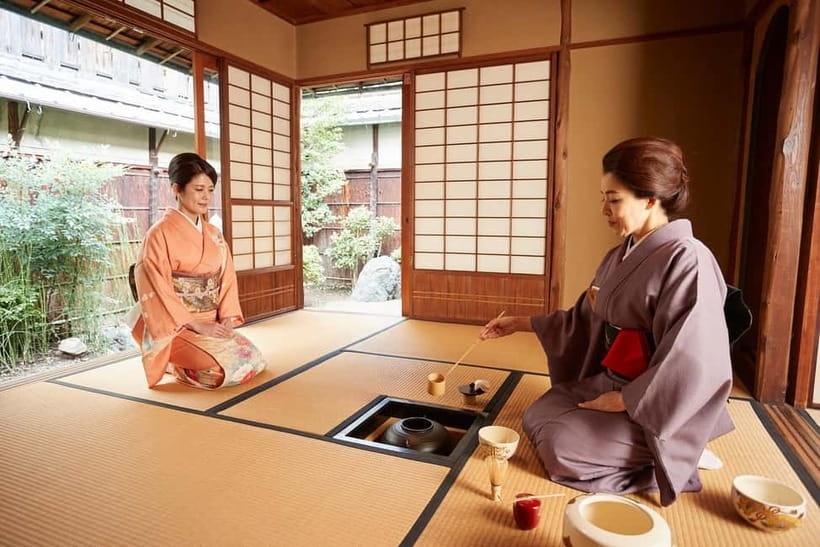
- Pick your kimono and get staff help getting dressed for the tea room
- Small group pace (about 12–14 participants) with full English instruction
- Hands-on matcha with guidance on how to make it properly
- Seasonal wagashi served as part of the ritual experience
- Zen values explained through Wa, Kei, Sei, and Jaku during the ceremony
Kyoto Kimono and Matcha: What You’re Paying For
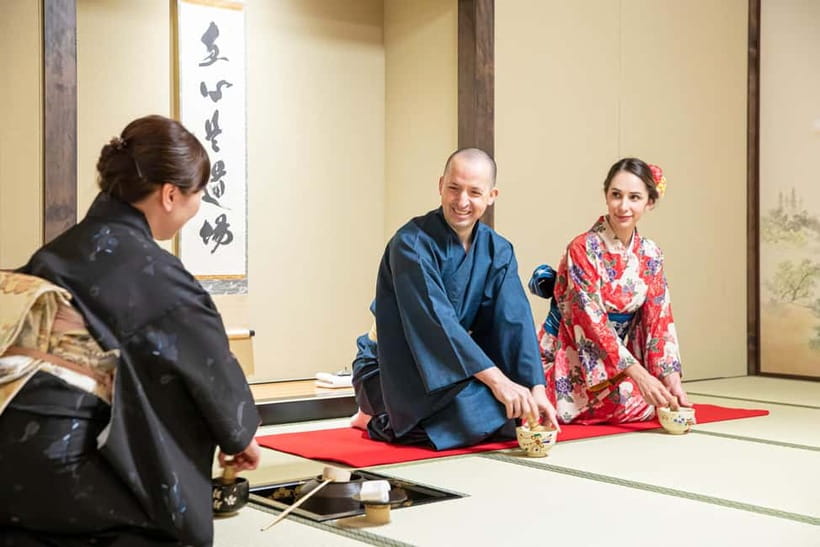
At $66 per person, this isn’t the cheapest “do something in Kyoto” option. But the price makes sense because you’re not just watching a performance. You’re doing three big things: getting dressed in a kimono, learning tea etiquette from a tea master, and preparing your own bowl of matcha (plus tasting wagashi).
The value shows up in how structured the experience is. The tea room is set up like a ritual space, and you get guided steps instead of vague explanations. And since the instruction is in English with bilingual staff support, you won’t feel like you need Japanese to understand what’s happening.
Also, 90 minutes is short enough to fit into a busy Kyoto day, yet long enough to slow down and actually practice the motions. Plan for roughly 90–120 minutes total, because the ceremony itself can stretch a bit depending on the group and flow.
You can also read our reviews of more tours and experiences in Kyoto.



Choosing Your Kimono and Getting Dressed Right
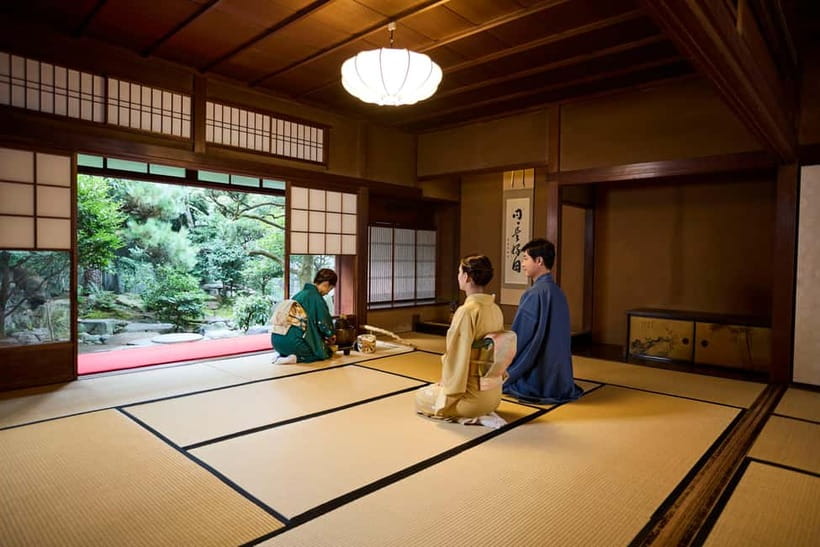
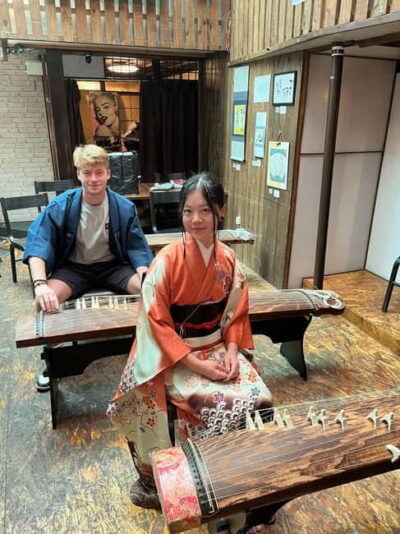
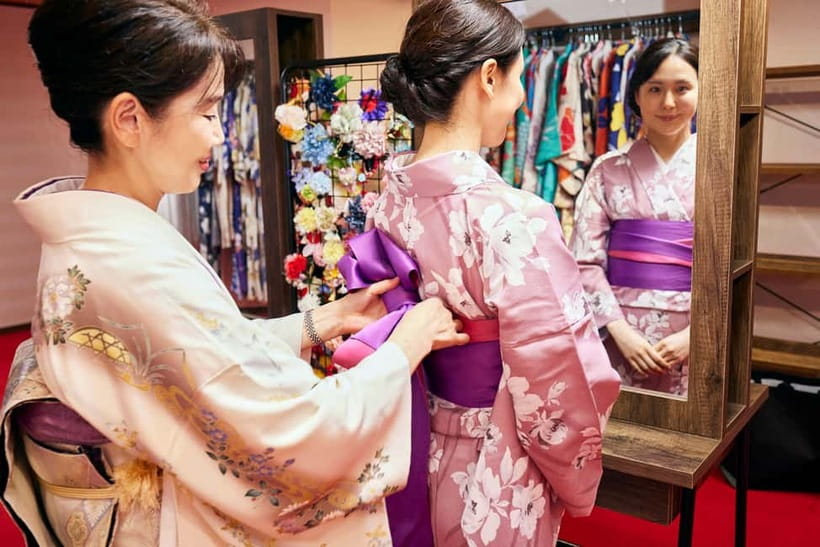
The experience starts before you ever taste tea. You’ll choose a beautiful kimono, and staff will assist with dressing so it fits correctly and looks right. If you’ve ever wondered what makes a kimono look effortless in photos, here’s your answer: it’s mostly careful handling and correct positioning.
If you’re a woman with long hair, hair styling is included (long hair only). That matters, because in a tea ceremony setting, the whole look connects—kimono, hairstyle, and the way you move. Even if you’re not trying to look like a movie character, you’ll feel more “in the ritual” once everything is set.
Practical note: do your makeup beforehand if you want time for touch-ups. One review experience called out that the dressing portion can move quickly. It’s not a failure of the staff; it’s just the schedule. If you arrive ready to go, you’ll enjoy the experience more.
Comfort tip that saves your whole day
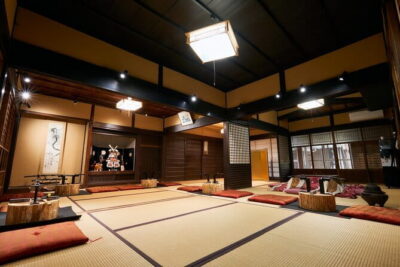
The ceremony involves sitting on tatami mats, which is traditional—but your body still lives in 2026. Bamboo chairs are available if you request them in advance, so if you have knee or back issues, plan for that early. You’ll get to focus on the ritual instead of negotiating with discomfort.
Inside the Tea Room: Etiquette, Tools, and Zen Values
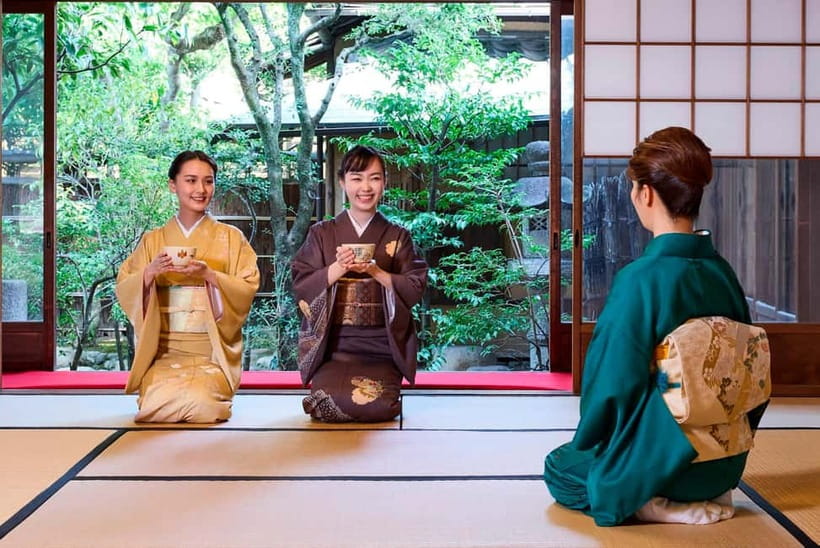
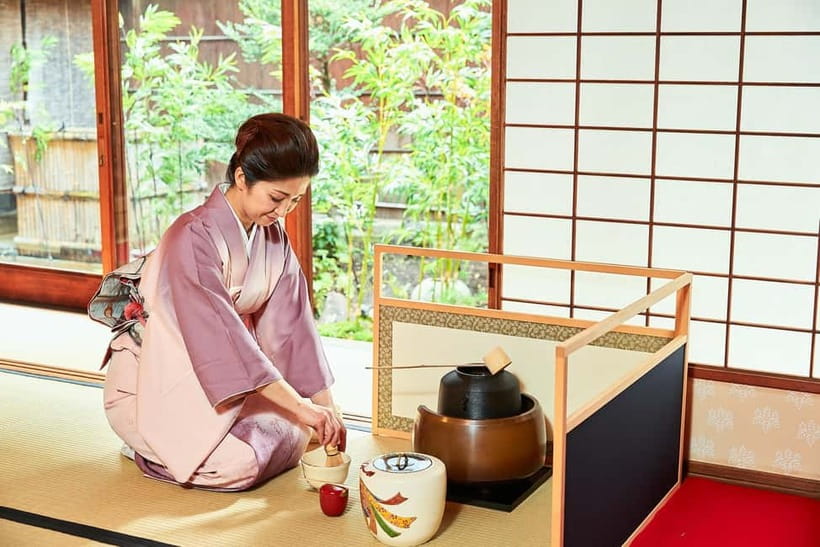
Once dressing is done, you step into the traditional tea room. The utensils and tools are arranged for the ceremony, and you’ll see how careful placement and timing are part of the meaning. This isn’t random table theater. It’s a sequence built to guide attention—your eyes, your hands, your posture.
Your tea master guides you through the detailed steps, including background on the history, tools, and etiquette. The instruction also explains the Zen principles that shape how tea is done, including Wa (harmony), Kei (respect), Sei (purity), and Jaku (tranquility).
That Zen piece is more than word-of-the-day. It gives you a framework for why you’re doing things a certain way:
- Wa shows up in how the host and guests move as one group
- Kei shows up in respectful handling of objects and patient pacing
- Sei shows up in cleanliness and care in the process
- Jaku shows up in how everything slows down to a calm rhythm
And yes, the room itself helps. The atmosphere is quiet and intentional. You’ll likely feel the difference between rushing sightseeing and practicing a short ritual with attention.
Matcha Workshop: Making Your Own Bowl the Right Way
This is the hands-on part that most people remember after Kyoto fades into a photo album. You’ll make your own matcha using premium matcha powder, guided by the tea master so you understand what matters.
The goal in a traditional setting is not just mixing tea. It’s making the right texture and getting the flavor balanced. In practice, that means learning how to prepare the matcha properly and how to handle the process step by step. Some participants especially loved learning how to get a smooth, frothy result, which is one of the big “aha” moments for first-timers.
If you’re the kind of person who likes taking something home (even if it’s just a new skill), this is it. You’re not only tasting matcha; you’re learning how to recreate the feel of the ceremony in your own kitchen later.
One more thing: the instruction is in English, and staff are supportive throughout. That matters because matcha preparation is sensory—smell, texture, and timing. Clear guidance keeps it fun instead of confusing.

Wagashi and Seasonal Sweets: Why They Matter
Along with the tea, you’ll be served Japanese sweets called wagashi. The best part is that they change with the seasons, so your set of flavors, colors, and designs will be different depending on when you go.
Why this matters: wagashi isn’t just dessert. It’s a companion to the matcha, designed to fit the mood of the tea moment. When you eat it slowly, you start noticing how Japanese sweets often emphasize subtlety over sweetness overload.
Expect the tea master or staff to frame the sweets as part of the ritual experience. You’ll taste them as you go, not as an afterthought.
Timing and Group Size: How the 90 Minutes Actually Plays
The activity is listed at 90 minutes, and the tea ceremony itself is approximately 90–120 minutes. That range is normal for something this detailed. Tea prep takes time, and kimono dressing takes time too.
Group size is about 12–14 participants in a session. That’s a sweet spot. You get enough people for a lively atmosphere, but it still feels personal. You’re not stuck in a crowd where questions get drowned out. And the English guidance stays workable because the group isn’t huge.
When you should schedule it
This works best early in your day or after a meal when you’re not rushing to the next landmark. The whole point is calm focus. If you stack it right between two “must-see” stops, you may spend the tea ceremony thinking about your next ticket time instead of the ritual itself.
Who Should Book This Kyoto Experience (and Who Might Skip It)
I’d recommend this if you want a meaningful Kyoto cultural activity that goes beyond photos. You’ll get:
- Kimono dressing that makes the experience feel real
- Practical tea education with etiquette and tools explained
- Hands-on matcha preparation
- Seasonal wagashi paired with the ritual
- A calm, structured moment guided in English
It’s especially good for couples and solo travelers who like guided cultural activities with clear steps. If you’re the type who enjoys mindful experiences, the Wa/Kei/Sei/Jaku themes give the ceremony a deeper layer than “watch and drink.”
Skip it if:
- You need a very casual, low-instruction activity. This is a ritual with etiquette, and you’ll be expected to follow along.
- You’re traveling with children under 7. Children under 7 are not allowed.
Practical Notes: Seating, Hair, and Transportation
Here’s the stuff that affects comfort and planning.
Seating: Traditional tatami is standard, with bamboo chairs available upon advance request if you’d rather not sit on the mats.
Hair styling: Included for women with long hair only. If your hair is shorter, you may still get help aligning your look, but the included styling is specifically for long hair.
Transportation: Transportation to and from the venue is not included. Build in buffer time to arrive at your start time without sprinting through Kyoto streets in a kimono.
Should You Book This Kyoto Kimono Tea Ceremony?
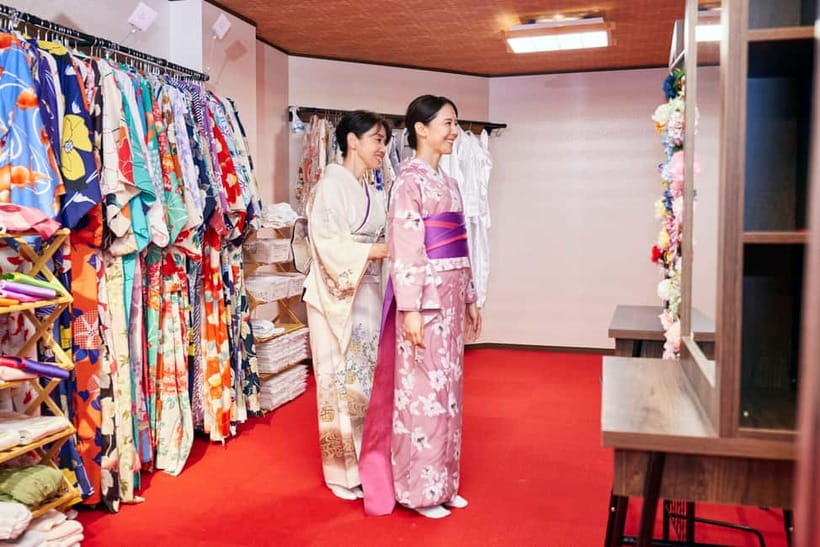
If you like cultural experiences you can learn from, I’d say book it. The combination is the key: kimono dressing plus a tea master-led ceremony plus hands-on matcha prep plus seasonal wagashi. You’re paying for participation, not just observation.
I’d be extra confident if you’re going to Kyoto for the depth of tradition, not only the quick-hit highlights. The Zen principles give the ritual meaning, and the English instruction keeps it accessible.
The one “maybe” is schedule pressure and physical comfort. If you want extra time for makeup or you have trouble with tatami, plan ahead by arriving ready and requesting a bamboo chair early.
If you handle those two points, this becomes one of those Kyoto moments that sticks: calm, specific, and surprisingly practical.
FAQ
How long is the Kyoto kimono tea ceremony with matcha and sweet?
The experience is about 90 minutes, and the tea ceremony itself lasts approximately 90–120 minutes.
Where does the experience take place?
It’s in Kyoto, Japan (Honshu).
What does the price include?
Included items are kimono dressing, a traditional tea ceremony led by a tea master, hands-on matcha preparation, Japanese sweets (wagashi), bilingual staff assistance, and hair styling for women with long hair only.
Is matcha preparation hands-on?
Yes. You’ll learn and make your own bowl of matcha using premium matcha powder with guidance.
Are wagashi sweets included?
Yes. You’ll be served traditional Japanese sweets called wagashi, and they change with the seasons.
Is the experience taught in English?
Yes. The instructor provides English instruction, and staff offer bilingual assistance.
Can I sit on a chair instead of tatami mats?
Yes. Bamboo chairs are available if you request them in advance.
Is this experience suitable for children?
Children under 7 are not allowed.
Does the price include transportation?
No. Transportation to and from the venue is not included.
Is free cancellation available?
Yes. You can cancel up to 24 hours in advance for a full refund.
Is Reserve & Pay Later available?
Yes. You can reserve now and pay later to keep your plans flexible.