REVIEW · KYOTO
Near Fushimiinari: Kyoto Home Cooking Class & Supermarket tour
Book on Viator →Operated by Japanese cooking class & walking tour · Bookable on Viator
Cooking in Kyoto beats any restaurant meal. This small-group class near Fushimi Inari turns basic Japanese ingredients into a full lunch and a take-home game plan. I love that it is hands-on, with you preparing about five dishes, not just watching. One catch: drinks aren’t included, so plan ahead if you like something with your meal.
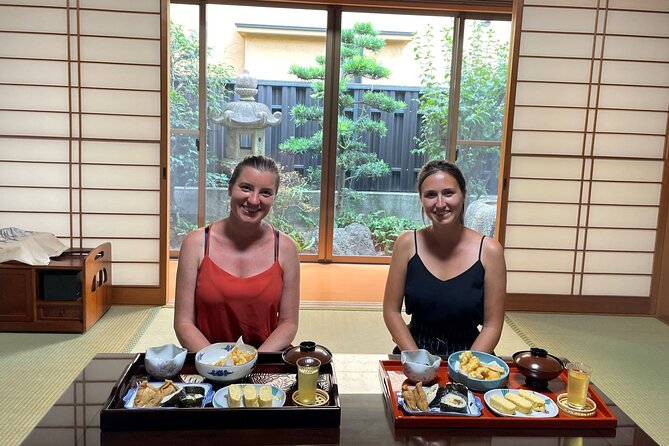
The setting helps a lot. You cook in a traditional Japanese house, then eat in a tatami room with a garden view, usually with instructor Miho’s clear, English-forward explanations and guidance from a licensed guide interpreter team. No hotel pickup here, but it is near public transportation, and the whole experience runs about four hours with a supermarket stop.
In This Review
- Key points at a glance
- Where This Kyoto Cooking Class Near Fushimi Inari Really Shines
- Inside the Traditional House: Tatami, Tokonoma, and a Garden-View Meal
- Dashi and the Lesson Flow: How You Build Skills Instead of Just Making Lunch
- Hands-On Cooking with Miho: Techniques, Timing, and the Fun Part
- What the food experience can feel like
- Dessert: Mochi at the end
- Vegetarian option
- The 30-Minute Supermarket Tour That Makes This Class Practical
- Price and Logistics: Is $118.92 Good Value for Four Hours?
- Who Should Book This Kyoto Home Cooking Class (and Who Should Skip It)
- Should You Book Near Fushimi Inari?
Key points at a glance
- Up to six people keeps the pace friendly and question time high
- Dashi first gives you the backbone of Japanese home cooking
- About five dishes means you actually practice multiple techniques
- Traditional house + garden-view lunch makes the meal feel special, not staged
- Mochi is part of the ending, often something you help make
- A 30-minute supermarket walk helps you recreate the food later
Where This Kyoto Cooking Class Near Fushimi Inari Really Shines
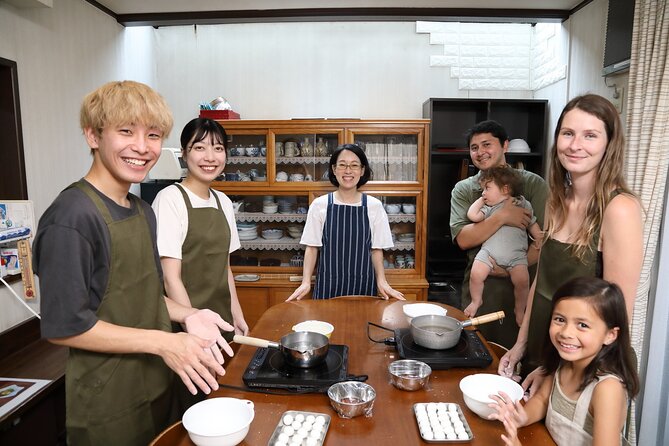
This isn’t a one-off “watch someone cook” session. It is built around a simple idea: Japanese food tastes like Japan because of the ingredients and the method—so you learn both. You start with the essentials (like dashi, the soup stock used across Japanese cooking), then move quickly into doing the work yourself.
I also like the shape of the experience. You are not just fed; you are taught how to rebuild the dishes later. You’ll get recipes to take home, and you’ll walk a supermarket aisle with the exact ingredients you used in class. That second part matters. In Japan, labels, product sizes, and ingredient names can be tricky at first, even when you can read the basics.
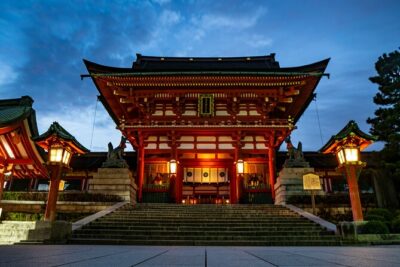
The location near Fushimi Inari is a practical win too. You can pair this with shrine time without cramming your day. And for solo travelers, the small group format is the social hook—less awkward than larger tours, and easier to connect with people who also care about food.
You can also read our reviews of more cooking classes in Kyoto
Inside the Traditional House: Tatami, Tokonoma, and a Garden-View Meal
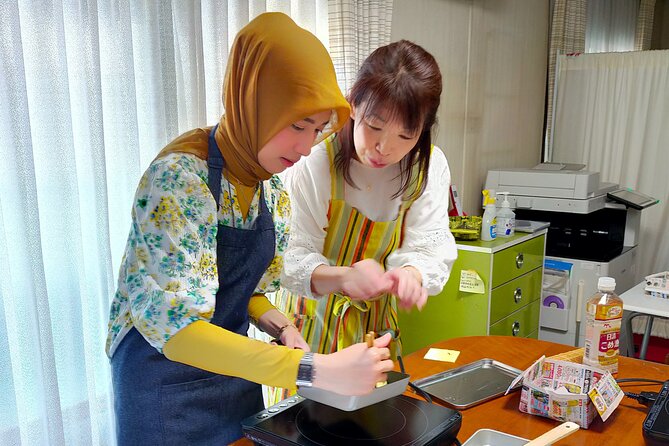
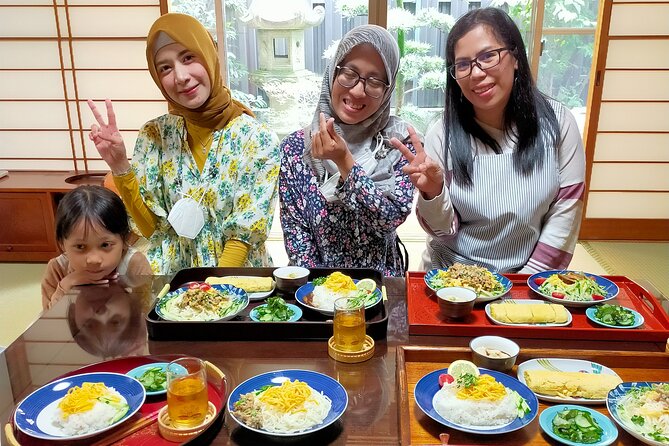
You meet at a private home setting in Fushimi Ward, and the atmosphere is part of the lesson. The cooking happens in the home kitchen, then you eat in a traditional room with tatami flooring and a garden view. In some classes, you’ll see familiar Japanese interior touches like a tokonoma-style display area, which helps the meal feel grounded in place rather than rushed.
The room setup is also why this works well for questions. You’re seated together after cooking, so you can ask why certain steps matter (texture, timing, seasoning balance), not just how to do them. The experience description also emphasizes that instructors are licensed guide interpreters, and that the class runs entirely in English—so you should be able to follow the logic behind each dish.
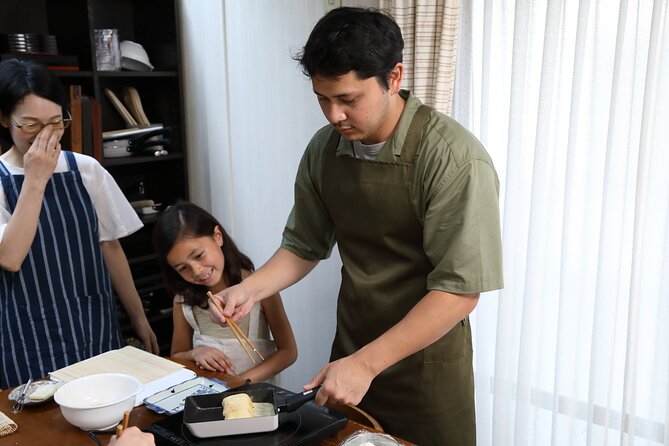
One more detail I appreciate: the instruction is built around you cooking with a partner or on your own, while the instructor demonstrates some steps first. That means beginners aren’t left behind, and confident cooks still get useful corrections and technique talk.
Dashi and the Lesson Flow: How You Build Skills Instead of Just Making Lunch
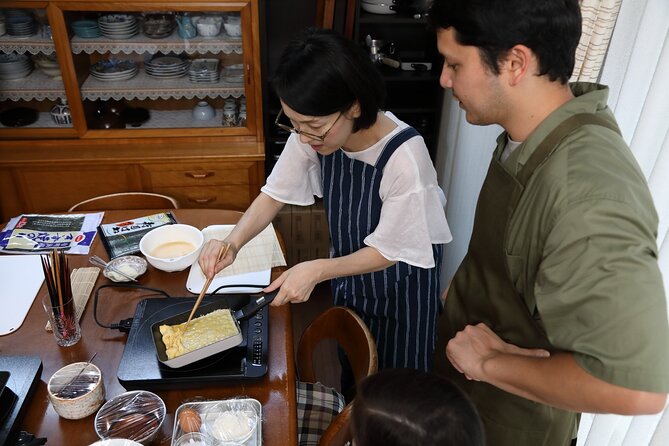
The class starts by focusing on dashi, which is described as Japanese soup stock found in nearly all Japanese cuisine. That might sound like a single ingredient lesson, but it is really a framework. Once you understand what dashi does for flavor depth, it becomes easier to grasp why Japanese soups, sauces, and braises taste balanced rather than heavy.
From there, the structure moves quickly:
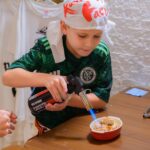
- You prepare about five dishes during the session
- You get demonstrations for key steps before you take over
- You cook your portions in the home kitchen with guidance nearby
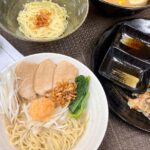
- You eat together in the traditional dining space after the cooking
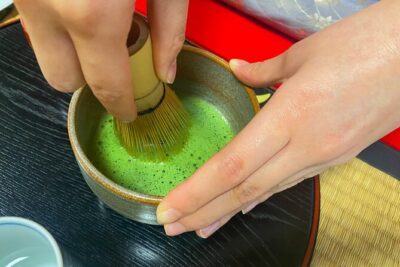
Menus can vary, but the dishes associated with this experience commonly include things like miso soup, a matcha element, sushi, spinach salad, and tempura. Even if the exact set shifts, the takeaway is the same: you practice multiple techniques (not one dish repeated again and again). That is how you go from following steps to understanding how Japanese cooking hangs together.
You also get to take recipes home. That is a big part of value here. A cooking class is nice, but a cooking class that gives you the instructions you need to repeat the dishes at home is the real souvenir.
Hands-On Cooking with Miho: Techniques, Timing, and the Fun Part
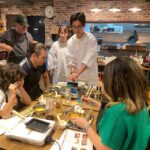
The hands-on portion is where this class tends to win people over. The group size caps at six, which means you’re not waiting behind a crowd while someone explains the same thing ten times. It is easier to ask, to get unstuck, and to learn the small technique changes that make Japanese dishes taste right.
Based on how the experience is described, you start with instructor demonstrations and then move into active cooking. That is the best possible setup for home cooks. You get a visual for what the end result should look like, then you practice to reach it.
What the food experience can feel like
During the cooking, you should expect a mix of prep and actual cooking tasks. Some steps will be timing-driven, and some will be texture-driven. And because you’re making several dishes, you get variety in flavor and technique, which helps you stay engaged for the full four hours.
You can also read our reviews of more tours and experiences in Kyoto



Dessert: Mochi at the end
One of the most memorable finishers here is mochi. The class description notes that you enjoy your meal together after cooking, and the experience also highlights mochi as part of the fun closing. In past sessions, people have mentioned making mochi themselves—so it’s not just a plated treat dropped on the table. If you like desserts, this ending is a strong reason to book.
Vegetarian option
One helpful note for planning: the class can cater to vegetarians. If you follow a vegetarian diet, this is worth asking about during booking so the menu and ingredients match your needs.
The 30-Minute Supermarket Tour That Makes This Class Practical
Here’s the part that turns a cooking class into something you can use after you go home: the supermarket visit.
After lunch, you walk through a local grocery store together for about 30 minutes. The point is straightforward: find the ingredients you used in class so you can recreate the dishes. The experience description frames this as a way to learn essential ingredients for Japanese cooking, and that lines up with what most people want on a food trip—clarity, not just taste.
In Japan, grocery shopping can feel like a puzzle:
- product names may not be obvious
- similar items may behave differently in cooking
- sauces, stocks, and seasoning can look confusing at first
So this short tour is not just a bonus. It is the practical bridge between Kyoto and your kitchen back home. You’re also told that you can buy ingredients if you want. Even if you don’t purchase anything, seeing what’s available and how it is organized helps you translate the recipes later.
Price and Logistics: Is $118.92 Good Value for Four Hours?
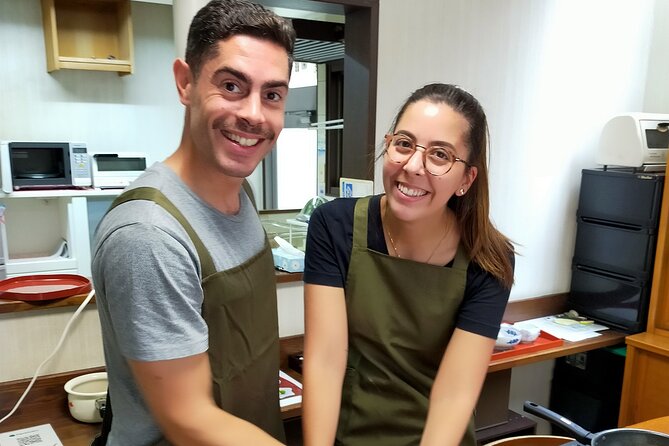
At $118.92 per person, this isn’t a budget snack-and-learn. But it can still feel like good value if you match the right expectations.
You are paying for:
- Lunch included
- All seasonings and ingredients for cooking
- An English-speaking instructor
- All fees and taxes
- A supermarket tour of about 30 minutes
What you pay extra for:
- Drinks (not included)
- Gratuity (not included)
- No hotel pickup/drop-off
Timing is also clear: it starts at 9:30 am and runs about four hours. You end back at the meeting point. There is a mobile ticket, and it is near public transportation, so you’re not locked into complicated transfers—just plan to show up on time at the address listed for the meeting point.
One small planning note: because it is good-weather dependent, you may want a backup date in mind. If poor weather cancels it, you’re offered a different date or a full refund.
If you’re the kind of traveler who wants Kyoto memories you can actually cook from, this price makes sense. If you only want a quick meal experience and zero interest in recreating dishes, you might feel you can get similar food cheaper elsewhere.
Who Should Book This Kyoto Home Cooking Class (and Who Should Skip It)
This class fits you well if:
- you want hands-on cooking practice (not just a tasting tour)
- you like eating in a traditional setting and learning how the food works
- you’re a solo traveler looking for easy conversation in a small group
- you want a supermarket shopping list you can follow later
You might skip it if:
- you hate cooking steps and prefer to watch
- you’re expecting a “guided sightseeing” tour beyond the supermarket
- you’re hoping for drinks included or a relaxed, passive experience
It also helps if your English is comfortable (the class is entirely in English). The description also says both English and non-English speakers can join, and that the instructors are licensed guide interpreters, so you shouldn’t feel shut out.
Should You Book Near Fushimi Inari?
I think you should book it if you want a Kyoto experience that goes beyond eating. The big strengths are practical: small group cooking, a structured focus on core flavors like dashi, and a supermarket walk that helps you buy the ingredients you actually used.
To make the most of it, come hungry (lunch is included), and plan for drinks since they are not part of the package. If you want vegetarian cooking, check your needs during booking. And if weather is shaky during your dates, consider holding a flexible schedule so a reschedule won’t disrupt everything.
If you want one food activity in Kyoto that gives you both a great meal and a usable skill set, this is a very strong pick.