REVIEW · KYOTO
Kimono Tea Ceremony Experience at Kyoto Oritzuruya, Nishiki
Book on Viator →Operated by LINKTIVITY Inc. · Bookable on Viator
A kimono and tea ceremony in 90 minutes? Yes, and it works. You start in the Nishiki area, choose from 200+ kimono designs, get help with dressing and hair, then sit down for a traditional-style matcha ceremony with sweets, plus an optional calligraphy souvenir.
I especially like the hands-on matcha prep—learning the rhythm of using the chasen (bamboo whisk) and making your own bowl. I also like that this is a small group (max 10), so the instructor can actually guide you instead of talking at a crowd.
One possible drawback: if you’re expecting a long, spiritual, full-lecture tea experience, this one is more structured and can feel like a well-run demonstration. You’ll do key parts (like stirring/frothing and drinking), but the overall pacing is designed for visitors.
In This Review
- Key highlights at Kyoto Oritzuruya, Nishiki
- Nishiki meeting point: how the kimono day actually starts
- Choosing from 200+ kimonos: the fun part that sets the tone
- Getting dressed and styled: what the staff do well
- The ceremony room: cleansing, mindful pacing, and sitting etiquette
- Making matcha: the chasen lesson you can actually use later
- Optional calligraphy: your souvenir, not just a demo
- Time in your kimono: photos, wandering, and smart expectations
- Price and value: what $50.87 buys you
- Who should book this, and who should adjust expectations
- Should you book the Kimono Tea Ceremony at Kyoto Oritzuruya
- FAQ
- How long is the kimono tea ceremony experience?
- What’s the group size?
- What’s included in the price?
- Is transportation included?
- Where do I meet for the experience?
- What do I need to show at check-in?
- Does the experience include calligraphy?
- Can I wear the kimono after the tea ceremony?
Key highlights at Kyoto Oritzuruya, Nishiki
- Kimono selection from 200+ designs, with staff helping you get the look right
- Small-group format with a max of 10 travelers
- Women get included hair styling (simple style), plus help choosing accessories
- Matcha education you practice, using a traditional bamboo whisk
- Wagashi and matcha tasting paired with your own cup
- Optional calligraphy, so you leave with a paper souvenir you made
Nishiki meeting point: how the kimono day actually starts
This experience begins at Nishiki Orizuruya, at 452 Jūmonjichō in Kyoto (right by the Nishiki Market area). That location matters because you’re not only learning tea culture—you’re also in the part of Kyoto where walking around after feels natural. It’s easy to pair this with nearby sightseeing on the same day.
Before you even enter the tea part, you’ll be guided through check-in and then taken to the changing space. The big practical win here is that you’re not trying to figure out sleeves, obi, and layers on your own. The staff handle the tricky stuff, so you can focus on being present and looking sharp.
If you’re the kind of traveler who worries about getting it wrong, this setup lowers the stress fast. You can show up as yourself, and within minutes you’ll be in a full kimono look with the right small details handled for you.
You can also read our reviews of more tours and experiences in Kyoto.



Choosing from 200+ kimonos: the fun part that sets the tone
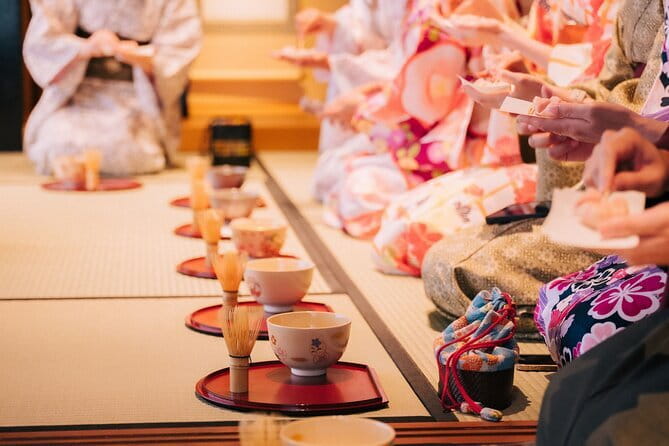
The kimono moment is the heart of the experience. You’ll pick from 200+ designs, and the staff help you narrow down colors and patterns that work for your style and your body type. One review mentioned that they were plus-sized and still had a wide selection to choose from, which is a reassuring detail if you’ve ever feared sizing limitations in rental kimonos.
Then comes the accessory game: you get to choose elements like hair pins and other hair adornments, and you’ll be guided through the kimono components (including the obi and obijime). In reviews, people also noted extra comfort details like a light underlayer, which can make a big difference once you’re wearing multiple layers.
There’s also a short photo moment where staff snap a few pictures. That’s not the same as a full photoshoot service, but it does mean you’ll have something to remember the outfit itself—not just the tea.
The only consideration is time. Your kimono experience is genuinely fun, but it’s still timed into the full 1 hour 30 minute flow. If you’re the type who wants a long, slow dress-up session, keep expectations aligned with a guided, schedule-friendly format.
Getting dressed and styled: what the staff do well
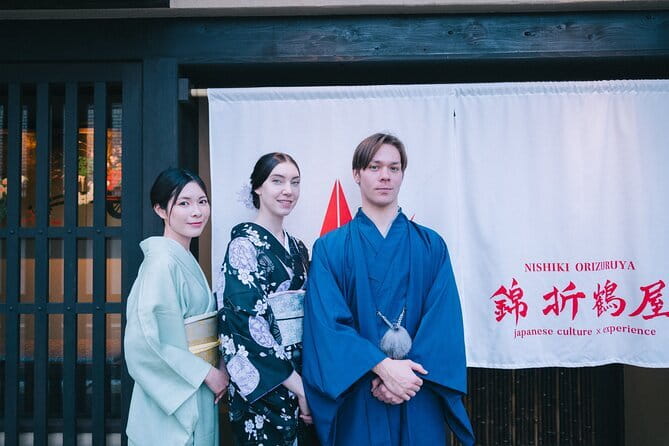
Once you pick your kimono, the process becomes very hands-on. Women receive complimentary hair styling (simple style), and the team helps you finish the look with coordinated hair accessories and kimono finishing touches. Multiple reviews praised how warmly and attentively the dressing team works, and how efficiently they get everyone ready without turning it into a chaotic free-for-all.
A detail I appreciate: this is not just wearing a costume. Staff guide you through multiple stages of dressing, including the small items that make a kimono look complete. Even if you don’t know the names in advance, you’ll learn enough from the process to feel oriented.
One reviewer also mentioned an accommodation: a guest with bad knees was given a small table and chair so they could participate more comfortably. That’s a practical reminder that the tea part may require floor sitting, but there’s room for solutions when needed.
The ceremony room: cleansing, mindful pacing, and sitting etiquette
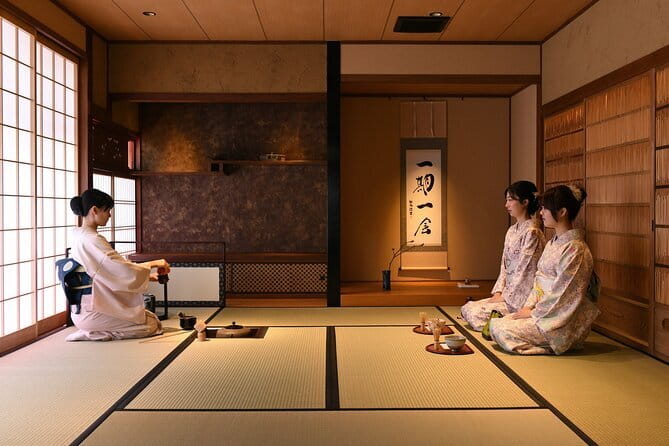
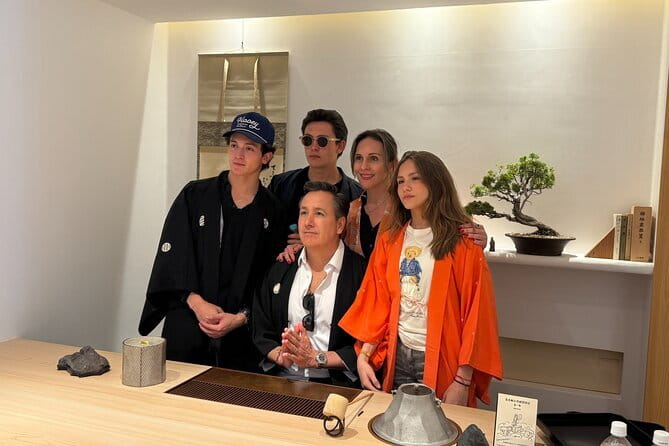
After you’re dressed and photo-ready, you move into the tea ceremony portion. You’ll go through a cleansing process before the main serving and matcha moment. That cleansing step is one of the reasons tea ceremonies feel different from a basic tea tasting. It signals a shift: you’re no longer doing tourism; you’re doing a ritual.
Then you’ll head into the tea room and follow the instructor’s guidance. You’ll learn the basic flow and what you’re meant to do at key points. A few reviews described the ceremony as calm and meditative, with the instructor explaining the intention behind the motions.
Still, here’s the balance to keep in mind: several reviews pointed out that the experience is structured for visitors. That means you might not get the kind of long, personal back-and-forth about the spiritual meaning of every gesture that you’d expect from a more formal or private session.
If your goal is deep theory and reverence, ask yourself whether a short, guided lesson will satisfy you. If your goal is practical understanding plus a memorable ritual moment, this format often lands well.
Making matcha: the chasen lesson you can actually use later
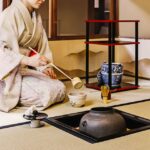
This is where the experience earns its keep. You learn how to prepare matcha using a traditional bamboo whisk, the chasen. You’ll be shown the techniques, then you’ll try making your own bowl.
In practical terms, you’re learning more than pouring powder into water. You’re learning movement—how to froth, how to control the whisk rhythm, and how the texture changes as you whisk. One review noted that some participation is focused on stirring/frothing, which is still an important skill, just not the entire ceremonial choreography.
Then you’ll drink your matcha, paired with Japanese sweets (wagashi). The sweets are described as coming from a century-old confectionery, which gives the tasting some local credibility beyond just a generic cookie.
A small but valuable takeaway: you’ll leave knowing what matcha should taste like when prepared correctly. Many visitors enjoy matcha casually, but this experience helps you understand why proper technique changes the experience.

Optional calligraphy: your souvenir, not just a demo
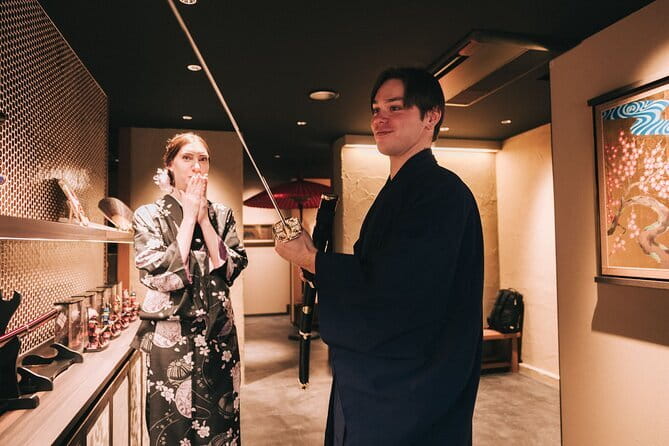
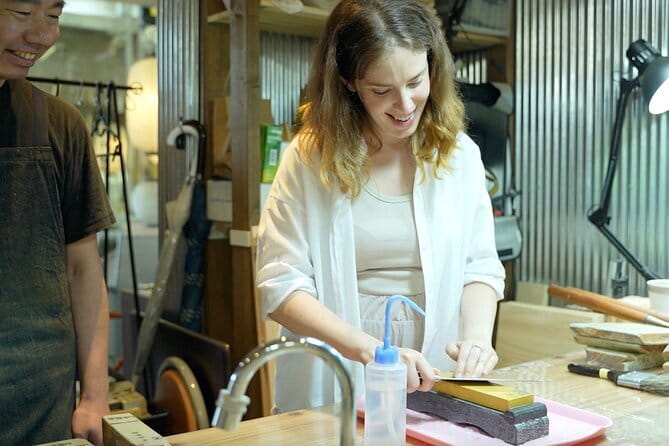
If you add calligraphy, you’ll get a short basics lesson in this ancient art form and create a calligraphy piece as a souvenir. Reviews highlighted calligraphy as a standout add-on, especially because you’re not just watching—you’re doing.
That’s the difference between a souvenir you buy and a piece you made. You also get a personal connection to the day because the calligraphy becomes linked to your kimono moment and your matcha lesson.
If you’re on the fence, I’d lean toward adding it. It adds time, but it also turns the experience from outfit + tea into something more like a cultural workshop with a tangible result.
Time in your kimono: photos, wandering, and smart expectations
One practical perk: you may be allowed to wear your kimono outside after the ceremony for a while, as long as you return by the shop’s closing time (noted as 18:00 in reviews). That turns the “costume” into a lived experience. Walking through the Nishiki area in kimono is the kind of memory you can feel in your photos and also in your day.
A good strategy is to think of this as your photo window. You’ll already have a few official photos taken, but roaming time lets you slow down, pick calmer streets, and capture your outfit in motion.
Keep in mind the pacing: this is still a timed program. You’re not expected to linger all day, and you’ll need to follow the return time.
Price and value: what $50.87 buys you
At $50.87 per person, this isn’t the cheapest activity in Kyoto, but it’s also not priced like a private, multi-hour cultural masterclass. What you’re paying for is the full package: kimono rental, hairstyling (for women), utensils, matcha and wagashi snacks, and a licensed guide, plus all fees and taxes.
If you were to assemble those pieces on your own—kimono rental, an instructor-led matcha workshop, and a guided experience with translation and flow—it would likely cost more in time and money. This price also covers the fact that you don’t just taste tea; you learn the prep steps and take part in the ritual sequence.
So for most visitors, the best value angle is simple: you’re paying for guided cultural participation and a meaningful outfit moment, not just a snack and a quick photo.
Who should book this, and who should adjust expectations
This fits you if:
- you want a small-group cultural activity in Kyoto with less uncertainty and more guidance
- you love the idea of wearing a kimono and having someone help with hair and accessories
- you want to learn matcha prep in a practical, repeatable way
- you’d enjoy a calm, teacher-led ritual even if it’s not a long lecture
You might want to adjust expectations if:
- you’re chasing a deeply spiritual, slow, reverence-heavy experience with lots of discussion
- you dislike formats where some parts feel like a structured demonstration
- you’d rather spend more time at the ceremony than on dressing, accessories, and photos
Either way, the experience tends to land best when you treat it as a guided cultural experience designed for visitors—one that gives you skills and a souvenir, without pretending it’s an all-day tea apprenticeship.
Should you book the Kimono Tea Ceremony at Kyoto Oritzuruya
I’d book this if your trip needs one “Kyoto story” day: kimono selection, matcha you make yourself, and a workshop-style cultural souvenir. The small group size and the hands-on chasen lesson are the strongest reasons to choose it, and the calligraphy option is a great upgrade if you like take-home results.
Skip it (or at least think carefully) if you want a long, spiritually framed, highly academic tea immersion. This is more about guided experience and practical participation than a deep, question-driven explanation of every tradition.
If your goal is to leave with a new matcha skill, a kimono memory, and a calmer sense of Japanese ritual, this one is a smart use of time in Kyoto—especially in the Nishiki area where you can keep the day going after.
FAQ
How long is the kimono tea ceremony experience?
It’s about 1 hour 30 minutes.
What’s the group size?
It has a maximum of 10 travelers.
What’s included in the price?
Included are snacks (wagashi and matcha), a kimono costume, utensils, hairstyling (simple style) for women, and all fees and taxes, plus a licensed guide.
Is transportation included?
No. Transportation and hotel pickup and drop-off are not included. You handle your own travel to the meeting point.
Where do I meet for the experience?
Meet at Nishiki Orizuruya, 452 Jūmonjichō, Nakagyo Ward, Kyoto, 604-8121, Japan.
What do I need to show at check-in?
You’ll use a voucher link on your smartphone. The instructions say screenshots or printed tickets will not be accepted.
Does the experience include calligraphy?
Calligraphy is optional. If you choose it, you’ll learn basic calligraphy and create your own piece to take home.
Can I wear the kimono after the tea ceremony?
Yes, you can continue wearing the kimono outside for the rest of the afternoon until the shop closes (18:00 is mentioned in reviews).