REVIEW · KYOTO
Kyoto Private Food Tours with a Local Foodie: 100% Personalized
Book on Viator →Operated by City Unscripted · Bookable on Viator
That first bite is the fastest way in.
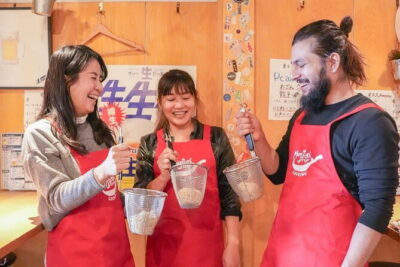
This 3-hour Kyoto private food tour pairs a local guide with 6–8 tastings, so you spend less time guessing and more time eating and learning. You also get personalization based on what you like, plus plenty of chances to try Kyoto staples in neighborhoods locals actually use.
I especially like the private, undivided attention part. It changes the whole feel: the guide can steer you toward ramen, gyoza, yakiniku, izakaya-style snacking, or something lighter like Kyoto vegetable dishes, depending on your mood. I also like that real drinks are built into the plan, including a glass of sake, wine, beer, or soft drink with the tastings.
One consideration: because the experience is personalized, the exact stops may differ from what’s described, and one mismatch of expectations can happen if you were hoping for a more behind-the-scenes chef-focused food experience. Still, if you tell your guide what you want, the odds are good you’ll leave full and informed.
In This Review
- Key points to know before you go
- Why this Kyoto private food tour beats DIY scouting
- Starting at Matsumoto Kiyoshi Shijo Kawaramachi (and ending right where you begin)
- Nishiki Market: what makes it special, and how the 9am–4pm window changes everything
- Shijo Dori to Gion: lantern lights, izakaya energy, and food you can picture
- Obanzai stops: how Kyoto vegetable plates become a real lesson
- Kamo River sunset with a cold beer: why the timing is more than scenery
- Drinks and tastings: how to get the best value from the 6–8 included bites
- Price and value: is $245.15 per person fair for three hours?
- Guide quality: what stands out from the names people recall
- Who should book this Kyoto food tour (and who might not)
- Should you book this Kyoto private food tour?
- FAQ
- What’s the price per person?
- How long is the Kyoto private food tour?
- How many food tastings are included?
- Is the tour private?
- Where does the tour start and end?
- What’s included in the price?
- What’s not included?
- Can I cancel for a refund?
- Where should I plan my day around Nishiki Market?
Key points to know before you go
- Nishiki Market timing matters: it’s open 9am to 4pm, so your start time really affects what you can sample.
- 6–8 tastings with drinks are included: you’re not rationing budget minute by minute.
- Personalization is the main feature: you should expect the route to flex around your food preferences.
- Gion + izakaya vibes later in the walk: the day turns into that lantern-lit, casual-night mood.
- Sunset on the Kamo River: a beer and a view make the tastings feel like a planned evening, not a random snack run.
- Guides bring strong on-the-ground storytelling: multiple guides are praised for English, warmth, and Kyoto-food context.
Why this Kyoto private food tour beats DIY scouting
If you’ve ever tried to research Kyoto food on your own, you know the problem: the city is packed with options, but finding the truly local pattern takes time. This tour is designed to shrink that learning curve. You get a guide who can steer you toward the foods Kyoto people actually reach for, not just the most famous name on a list.
The other big win is pace. In about three hours, you hit several food moments rather than one long meal. That’s how you get variety without turning the afternoon into a spreadsheet. And because it’s private, the guide can adjust on the fly if you want more of one style (ramen, grilled meats, izakaya bites) or if you’re happy to slow down for slower sips and conversation.
Here’s the practical part: you’ll be walking in central areas, which means you’re using your time well. Instead of spending 30 minutes figuring out trains or chasing reservations, you can just show up hungry.
You can also read our reviews of more food & drink experiences in Kyoto

Starting at Matsumoto Kiyoshi Shijo Kawaramachi (and ending right where you begin)
Your meeting point is at Matsumoto Kiyoshi Kyoto Shijo Kawaramachi, 103-2 Hashimotochō in Shimogyo Ward. The tour also ends back at the meeting point, which is a small detail but a big comfort if you like clean logistics.
If you’re staying near central Kyoto, you can request a hotel meet-up (the operator lists it as available on request). Since transportation costs aren’t included, this matters: less backtracking means more time tasting.
The tour is marked as near public transportation, so you can also plan around your own transit if you don’t want to rely on a pickup. Either way, build in a little buffer. Kyoto is easy to navigate, but food stops can run on crowd timing, especially near market areas.
Nishiki Market: what makes it special, and how the 9am–4pm window changes everything
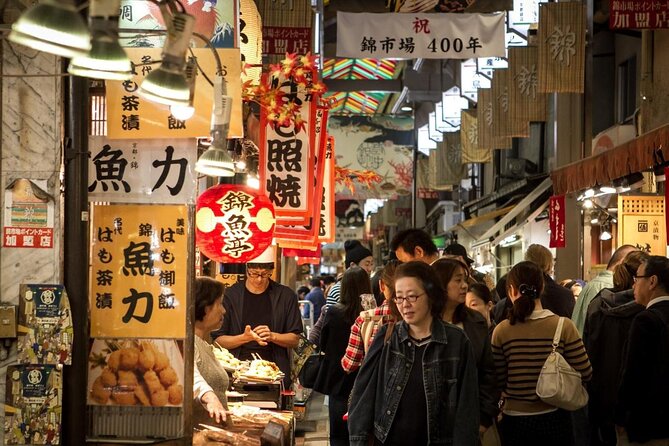
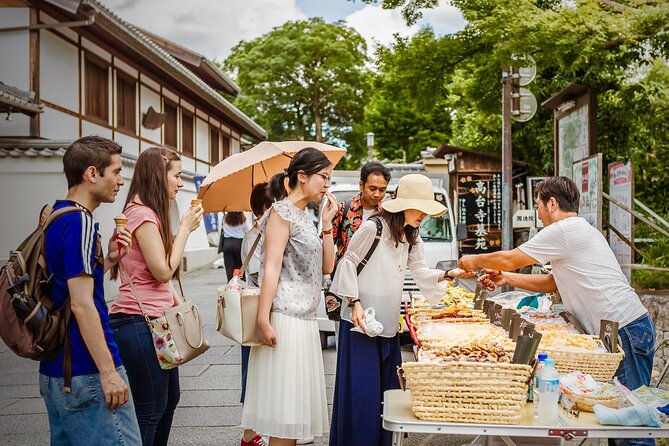
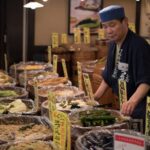
Your tour route includes Nishiki Market, and it’s one of Kyoto’s best places to sample street-style food without committing to a full meal. It’s the kind of market where snacks are part of the culture, and that’s exactly what a tasting tour needs.
The key detail you should not ignore: Nishiki Market is open 9am to 4pm. If your slot lands earlier, you’re more likely to get a wider range of stalls and food flow. If it’s later, you might still eat well, but the selection can feel tighter as the day moves on.
What you can expect here is variety by design. You’re not just buying one thing and calling it a day. Think small bites that let you compare textures and seasonings—sweet, savory, fried, grilled—while your guide explains what’s common in Kyoto eating habits.
A possible drawback is also simple: markets are busy. If you dislike crowds, consider that Nishiki is an open-air, high-energy food zone. The upside is that you’ll learn by watching what locals buy and how vendors move fast.
Shijo Dori to Gion: lantern lights, izakaya energy, and food you can picture
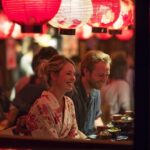
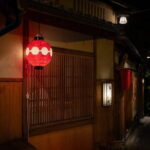
From there, the walk transitions toward Shijo Dori, then into Gion, one of Kyoto’s most iconic areas. The tour description is clear about the feel as the day shifts: as the sun sets, Gion becomes that lantern-lit zone with street entertainment and the kinds of places people duck into for a casual drink.
This part of the tour is about context as much as food. You’ll hear culinary lessons along the way, including explanations of how Kyoto dining styles work—like what a kaiseki meal is. Even if you don’t order a full kaiseki dinner on this tour, understanding the idea of course-by-course attention helps everything you eat afterwards make more sense.
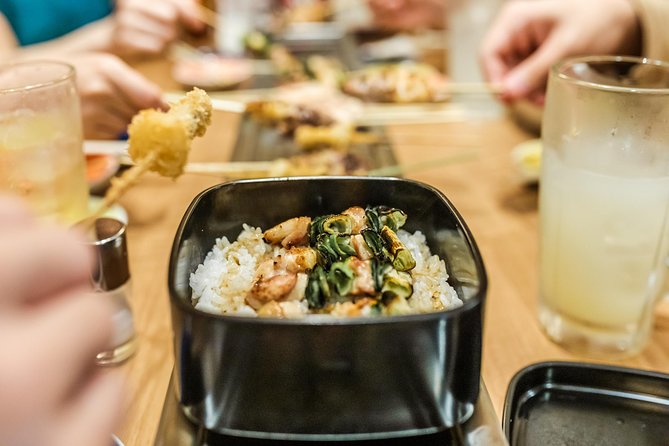
Food-wise, you’ll get chances for classic Kyoto favorites around this area. The plan mentions options ranging from Kyoto ramen and gyoza to yakiniku (grilled beef), plus the broader izakaya world. If you like variety, this is where the tour usually delivers it.
One practical note: izakaya places can be tight, and standing lines can happen. Because it’s a private tour, you won’t be shuffled with strangers the way a big group tour might. Still, expect small spaces and quick transitions between tastes.
Obanzai stops: how Kyoto vegetable plates become a real lesson
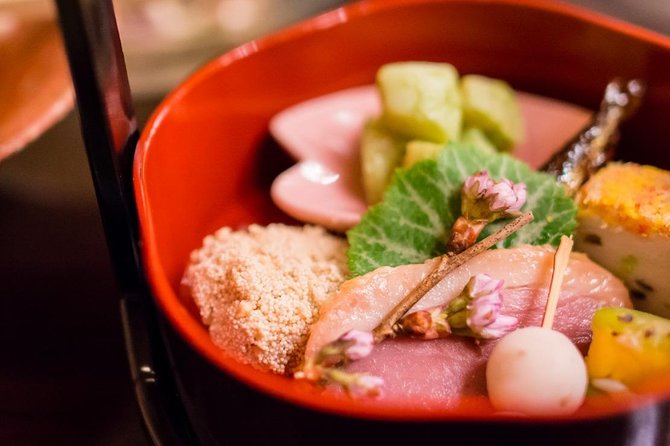
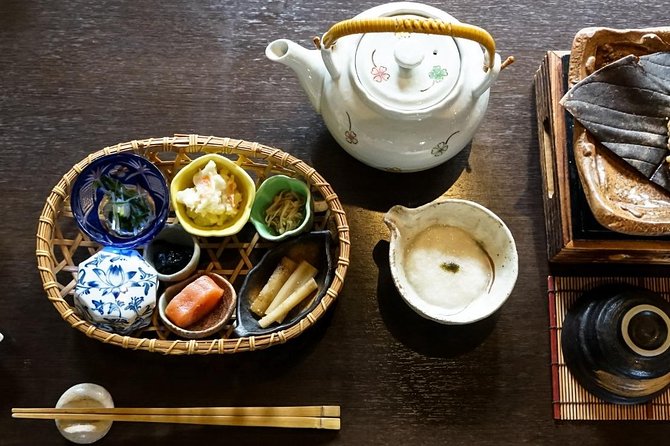
Another focus area is Kyoto-style home cooking called obanzai. The tour specifically calls out trying traditional food such as obanzai, described as Kyoto vegetable plates.
This matters because it’s very different from the typical “snack everywhere” approach. Obanzai is about seasonal comfort—vegetables treated with care, flavors that feel subtle but satisfying, and a table style that reflects daily life rather than tourist spectacle. If you’re the type who gets excited by sauces and small seasonings (not just big flavors), this stop tends to land well.
Also, obanzai is a good balance when you’ve already had some grilled or fried bites earlier. It can reset your palate for the last stretch—especially if you’re working your way toward the evening portion of the tour.
The main thing to watch for is your personal taste. If you’re only interested in meat-heavy meals or you want mostly noodles, tell your guide early. The tour is personalized, so you can steer the balance.
You can also read our reviews of more tours and experiences in Kyoto
Kamo River sunset with a cold beer: why the timing is more than scenery
The tour includes a classic Kyoto moment: watching the sunset on the Kamo River while sipping an ice-cold beer. This isn’t just pretty—it changes how the entire food sequence feels.
Tastings can otherwise feel like a checklist. The Kamo River stop gives your body a breather. You sit (or at least slow down), let conversations catch up, and suddenly the food becomes part of an evening rather than separate transactions.
Also, drinks are included across the tour, and this beer moment is one of the easiest ways to enjoy that inclusion without turning it into complicated choices. If you prefer sake or wine instead, the tour states a glass of sake, wine, beer, or soft drink is part of the tasting experience. You can align with what you actually want.
Weather is the one variable here. Kyoto evenings can be chilly, and rain happens. If you’re going to complain about anything, complain about the weather, not the concept. The river timing is baked into the itinerary, so plan a light layer.
Drinks and tastings: how to get the best value from the 6–8 included bites
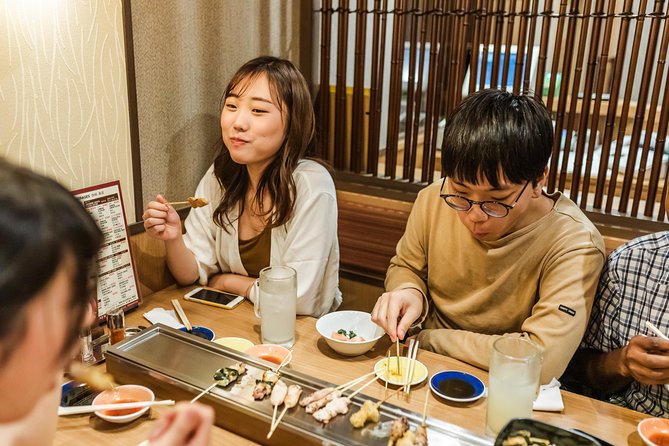
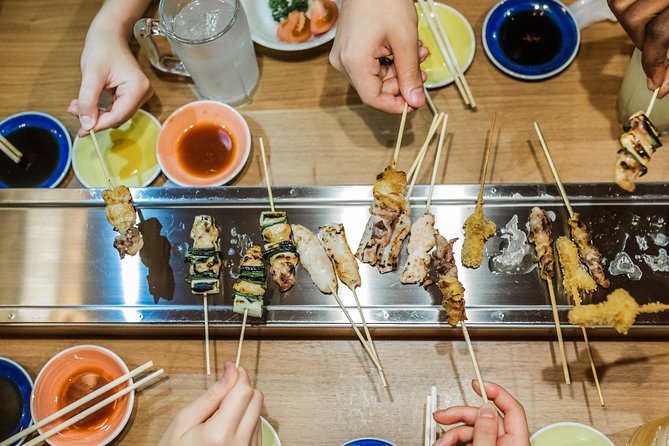
The plan includes 6–8 tastings of local food specialties, plus a glass of sake, wine, beer, or soft drink. That’s a lot of food for three hours, and it’s also where the value usually shows.
Why it’s good value: you’re paying for guided selection plus the cost of those bites and drinks. If you were doing this on your own, you’d have to pay restaurant minimums, figure out which places take visitors, and manage reservations. Here, the cost is simplified.
For your enjoyment, think about how you like to eat:
- If you love sampling, this format is ideal.
- If you prefer one big meal, you may find the bites more fun than filling, unless you plan to eat a proper dinner after.
As for what you can drink, the tour includes alcohol options, but it also includes soft drink. So if you’re steering away from alcohol, you’re not stuck.
Dietary needs aren’t spelled out in the details you provided, so the best approach is simple: talk to your guide about what you like and what you avoid before you start. Since the tour is personalized by food preferences, you should be able to get help tailoring the mix.
Price and value: is $245.15 per person fair for three hours?
At $245.15 per person, this isn’t a budget activity. But it also isn’t just paying for someone to point at restaurants. You’re buying a private guide, a pre-built route, and included tastings plus drinks in central Kyoto for about three hours.
Here’s how I’d think about the value:
- If you’re traveling with 2–4 people, private guidance can be less painful than paying individual meals at places you’d never find alone.
- If you care more about learning (why foods are eaten this way, what styles like kaiseki mean) than about eating one famous dish, the guide adds real value.
- If you only want one or two tastes and you’re price-sensitive, you might prefer a less expensive group food option. This one is for people who want quality time and a tailored plan.
Given the strong feedback on guides being warm, communicative, and on time, the pricing makes more sense. The tour leans into a “walk, taste, learn, chat” rhythm.
Guide quality: what stands out from the names people recall
In the feedback, several guides get praised by name for being engaging and flexible. You may encounter different hosts, but the patterns are consistent.
People singled out CiCi for being accommodating and for strong knowledge of food culture and history, with very good English. Michael gets credit for lots of information and stories at Nishiki Market, plus a variety of stops like tempura, yakitori, sushi, and dessert. Nisa is praised for making the day fun and for taking people to places they would not find on their own. Toga is noted for being warm and friendly and handling cold rain with good spirits. Alex is described as quick but thorough, with a helpful history-focused approach. For evening tone, Anna earns strong praise for an enjoyable Kyoto night. And Justin is singled out for making a stay feel special after a daytime tour, with a strong focus on ramen and different sakes and even restaurant referrals beyond the tour.
Now the balanced part. There is at least one critical note where the expectation was a deeper behind-the-scenes foodie experience, but the tour felt more like a walking sampler. The takeaway for you is not to panic—it’s to set expectations clearly when you book. If you want chef talk, deeper culinary context, or more structured food theory, say so upfront. Also remember that as a private personalized tour, the exact stops may shift.
Who should book this Kyoto food tour (and who might not)
This tour is a strong fit if you:
- want a first-timer friendly way to taste Kyoto without getting overwhelmed
- like sampling multiple foods rather than committing to one restaurant
- enjoy conversation and context as you walk, not just a meal
- are traveling with teens or family and want a guided plan with variety (the feedback includes families mentioning this as a highlight)
It might not be your best match if you:
- expect a cooking class or chef-guest style behind-the-scenes access (nothing like that is promised in the details you shared)
- only want one heavy meal and feel impatient with multiple small tastings
- are very crowd-averse, since Nishiki Market and central Kyoto streets can be busy
Should you book this Kyoto private food tour?
I’d book it if you want a structured evening that feels local: Nishiki Market snacks, izakaya-area eating around Gion, Kyoto-nerd context like kaiseki, and a sunset moment at the Kamo River. The price is premium, but the included 6–8 tastings and drinks plus a true private guide make it easier to justify than piecing together your own food plan.
I’d skip (or at least adjust expectations) if you’re chasing a behind-the-scenes chef experience, or if you only want a minimalist food run with low spending. This tour is built for tasting variety and guided eating, not for culinary theater.
If you do book, send your food preferences early and communicate what you want most: noodles, grilled meats, Kyoto vegetable dishes, sake, or street-style snacks. That’s where the personalization pays off fastest.
FAQ
What’s the price per person?
The tour costs $245.15 per person.
How long is the Kyoto private food tour?
It runs for about 3 hours.
How many food tastings are included?
You’ll get 6–8 tastings of local food specialties, and drinks are also included.
Is the tour private?
Yes. It’s a private experience, and only your group participates.
Where does the tour start and end?
It starts at Matsumoto Kiyoshi Kyoto Shijo Kawaramachi (103-2 Hashimotochō, Shimogyo Ward, Kyoto) and ends back at the meeting point.
What’s included in the price?
Included are the private personalized experience, 3 hours with a host, 6–8 tastings, and a glass of sake, wine, beer, or soft drink. Hotel meet-up is available on request for central locations, and the host can suggest walking/public transport or taxi options if needed.
What’s not included?
Not included are additional food and drinks beyond what’s part of the tasting, tickets to attractions, transportation costs, and gratuities.
Can I cancel for a refund?
Yes, free cancellation is available. You can cancel up to 24 hours in advance for a full refund.
Where should I plan my day around Nishiki Market?
Nishiki Market is open from 9am to 4pm, so timing matters if your tour includes that market portion.