Kyoto routes can feel like a puzzle. This private tour turns it into a tidy plan, hitting major sights plus a calmer garden-temple break, with a guide doing the navigation (and you spend less time guessing). I also like the way it focuses on Kiyomizu-dera and the temple streets around it. The main drawback: there’s no lunch time, and the route is fixed for a half-day hit list.
What makes it work well is the human factor. Guides such as Yoshi, Kaori-san, and Mutsumi are praised for clear explanations, patience, and adapting to your pace so you don’t feel rushed. You’ll also use a mobile ticket, and you can expect taxis plus public transportation to keep distances manageable.
In This Review
- Key highlights worth knowing before you go
- Turning a Kyoto planning headache into a walkable route
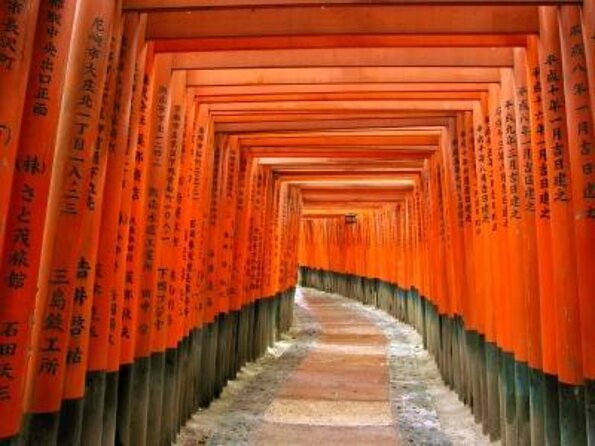
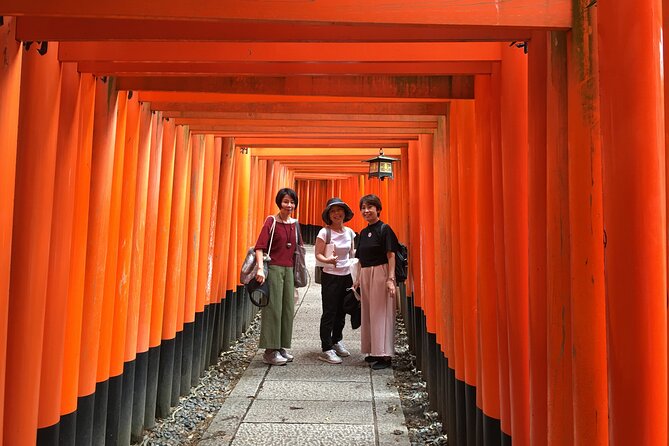
- Fushimi Inari-taisha: torii gates and a business-soaked shrine walk
- Chishaku-in’s garden temple stop: a calmer Kyoto breather
- Sanjusangendo Temple: 1000 Kannon statues in a long, wooden hall
- Kiyomizu-dera’s UNESCO moment: balcony views and classic temple drama
- Sannenzaka and Ninenzaka: souvenir streets with traditional wooden charm
- Yasaka-no-to: a quick pagoda photo break
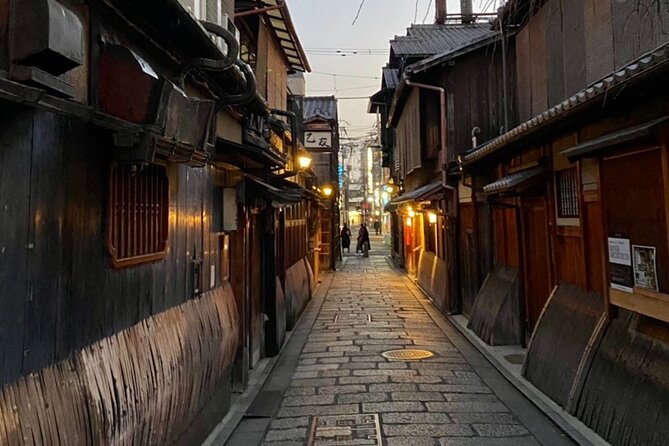
- Gion district: a short taste of maiko and geiko streets
- Price and logistics: is $236.48 per group actually good value?
- What you’ll feel on this tour day (and what to plan for)
- Who should book this private Kyoto half-day (and who might not)
- Should you book the Fushimi Inari–Kiyomizu-dera–Gion private tour?
- FAQ
- How long is the Kyoto private tour?
- What does the tour price include?
- What extra costs should I expect?
- Where do I meet the guide and where does the tour end?
- What time does the tour start?
- Does the tour include lunch?
- What happens if weather is poor?
Key highlights worth knowing before you go
- Seven big Kyoto sights in a half day with a private guide handling the order and logistics
- UNESCO time at Kiyomizu-dera plus temple viewing windows that feel purposeful
- Chishaku-in’s garden temple stop for a quieter reset from the crowds
- Sanjusangendo’s 1000 Kannon statues and an impressive wooden hall moment
- Bring yen for extras since most temple entry and transit are not bundled
Turning a Kyoto planning headache into a walkable route
Kyoto is gorgeous, but it’s also a maze. Temples, shrines, and neighborhoods are spread out, and that’s before you factor in lines, stairs, and crowd flow. This half-day private format is built for people who want to cover the highlights without spending your morning drawing circles on a map.
The tour starts at Kyoto Station, meeting at the Kyoto Tourist Information Center Kyo-NaviJapan (Kyoto Station building, 2nd floor) at 12:00 pm. You’ll finish around Gion, specifically near Gionmachi Minamigawa. Because it’s private (up to 3 people per group) you get your own guide rhythm, not a shove-through group schedule.
One practical note: the tour uses both taxis and public transportation. That’s smart in Kyoto, because short taxi hops can save you from long transfers, while transit helps keep costs reasonable. It’s also why you should wear comfortable shoes—this is still a temple-and-street day with lots of walking.
Finally, the itinerary time is tight: it’s about 5 hours 30 minutes, and the day is designed as a “see a lot, half-day style” plan. You shouldn’t count on swapping the starting point or changing the order midstream.
You can also read our reviews of more private tours in Kyoto


Fushimi Inari-taisha: torii gates and a business-soaked shrine walk
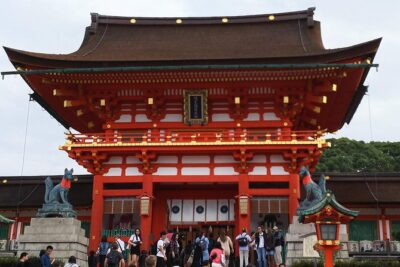
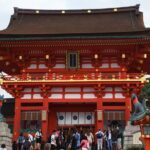
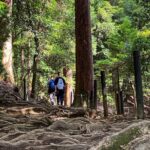
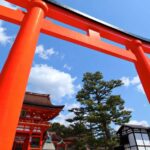
Fushimi Inari-taisha is the obvious headline, and it lives up to its reputation. You get around one hour here, and the admission is free. The star experience is walking through the famous chain of torii gates, where the vibe shifts from street-level chaos into a layered, stair-stepped walkway.
The shrine’s lore includes the presence of deities associated with business and prosperity, which helps explain why you’ll see a lot of people moving with purpose here. Even if you’re not deep into Shinto study, it’s easy to enjoy the visual rhythm of the gates and the way the path gradually pulls you upward.
Practical tip: the routes at Fushimi Inari can mean steps and uneven footing. Plan on being on your feet for real, not just taking postcard photos. If you’re prone to leg fatigue, comfortable walking shoes matter more than you might expect.
Chishaku-in’s garden temple stop: a calmer Kyoto breather
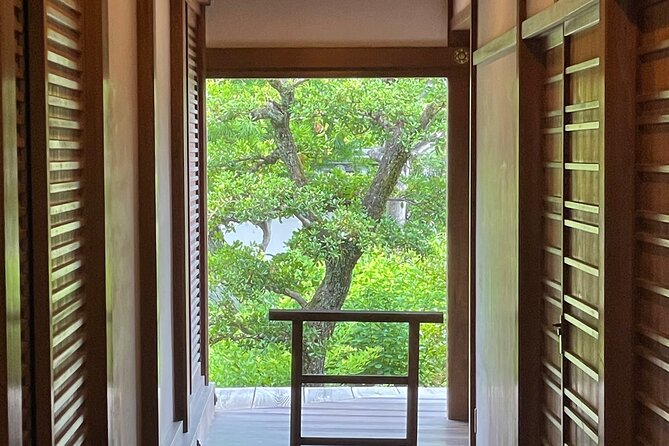
After the high-energy shrine area, you’ll shift to Chishaku-in, a temple stop designed to slow the day down. You’ll spend about 40 minutes here, with the garden doing the heavy lifting.
This is the kind of place where the Kyoto atmosphere comes through quietly—trees, a garden setting, and a general sense of stepping into a smaller world. It’s a good balance against the big-name crowds, especially if you want at least one moment where you can breathe and look around without scanning for the next landmark.
Timing matters too. Because the tour is compact, this garden stop often works like a pressure-release valve, giving you something different from the torii-and-statues style sightseeing. It’s also a chance to pause and let your feet recover.
Sanjusangendo Temple: 1000 Kannon statues in a long, wooden hall
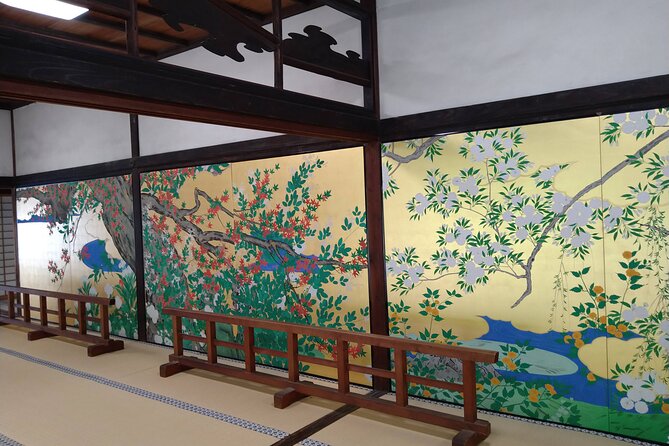
Next up is Sanjusangendo, where the scale is hard to forget. You get about one hour and the admission is not included (and you should budget for it as part of your paid temple total).
This temple is famous for its unusually large collection of national treasures and, more specifically, its hall centered on 1000 statues of Kannon, the goddess of mercy. The building itself is also highlighted for being known as Japan’s longest wooden structure—so you’re not just looking at sculptures, you’re inside a very distinctive architectural space.
What to do once you’re there: take a slow scan first, then pick a specific section to focus on. When you try to see everything at once, your eyes tend to blur. A guide can help you notice patterns and explain why the statues are arranged the way they are, which makes the hour feel less like a checklist and more like understanding what you’re seeing.
Kiyomizu-dera’s UNESCO moment: balcony views and classic temple drama
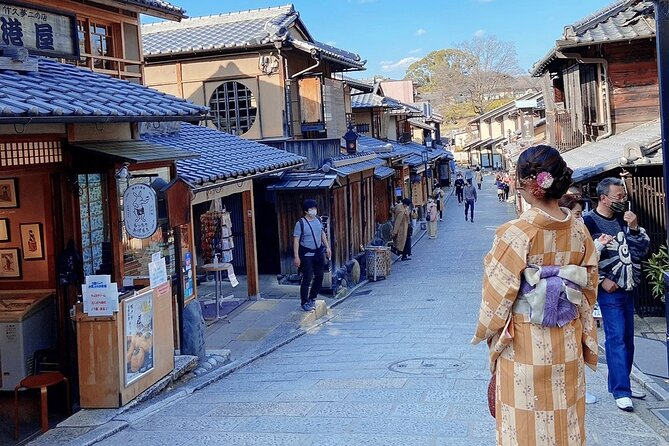
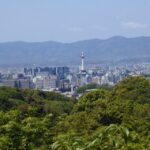
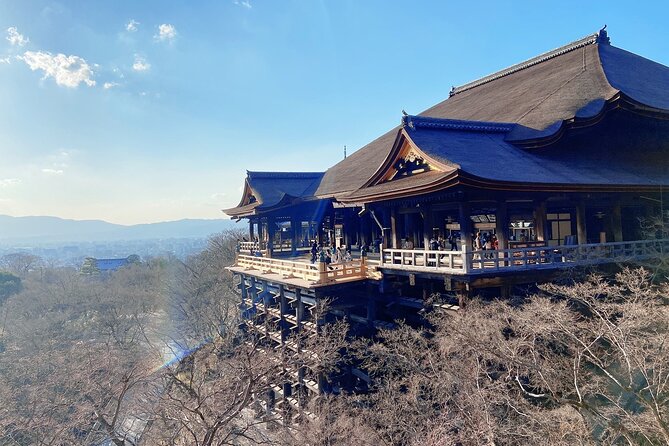
No Kyoto “greatest hits” day feels complete without Kiyomizu-dera, and this tour gives it a full one hour visit. Kiyomizu-dera is part of the UNESCO World Heritage sites, and it’s easy to see why it earned that status: the temple is built around a huge balcony and sweeping views over Kyoto.
The balcony is the headline. It’s the place where you stop, look out, and understand why people come here even when they’re not chasing every cultural detail. If you’re photo-minded, this is also one of the better “compose your shot” areas on the route.
There’s a catch: it can be crowded and it’s a temple complex, so you’ll still need to manage stairs and flow. The guide’s job here is to help you reach key viewing areas without wasting time in dead ends or getting lost in the crowd.
Also budget for the entrance fee here. The tour notes that temple admissions are not included overall, with an approximate total of about 1500 yen per person for all temple fees.

Sannenzaka and Ninenzaka: souvenir streets with traditional wooden charm
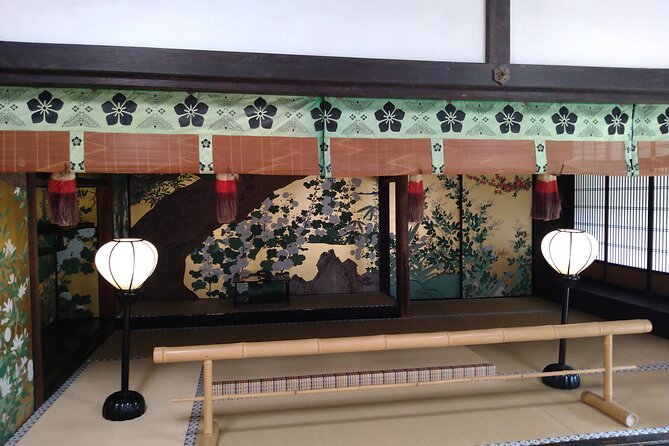
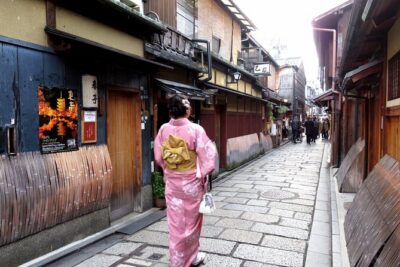
After the main temple sites, you’ll walk through the slopes of Sannenzaka and Ninenzaka. These lanes are lined with traditional wooden buildings and filled with shops—so yes, you’ll have plenty of souvenir browsing opportunities.
The tour gives about one hour here, and there’s no admission fee. This is a great time to slow down and pick up small gifts you can actually use back home: snacks, crafts, and simpler keepsakes that fit in your luggage without turning into a packing nightmare.
A practical reminder: many places in Japan use yen only. The tour strongly suggests having Japanese yen ready, not just cards or dollars, since entrance fees, cabs, public transit, and even small purchases may require cash.
If you like photos, these streets also deliver: the buildings create a consistent “old Kyoto” look, which makes your pictures feel cohesive instead of random.
Yasaka-no-to: a quick pagoda photo break
Then you get a brief stop at Yasakanoto—a five-story pagoda landmark. The time here is short (about 5 minutes), and the tour notes that you mainly look at it from the outside.
So don’t expect a long linger or a deep architectural study. Think of it as a “pause, frame, shoot” moment. It’s a nice rhythmic change after hours of walking through temple and shopping lanes, and the guide can point you toward a viewpoint that works without burning time.
Because it’s outside and quick, it’s also flexible for your energy levels. If you’re tired, this is the kind of stop you can enjoy without feeling pressured to stay longer.
Gion district: a short taste of maiko and geiko streets
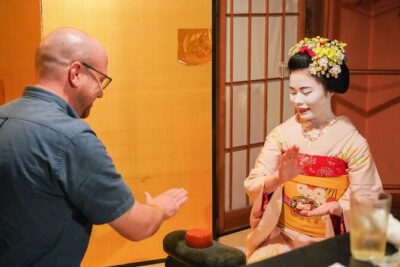
The tour ends with a look at Gion, the famous geisha district area. You’ll spend around 20 minutes here. There’s no admission fee, and it’s less about structured sightseeing and more about walking through a recognizable Kyoto neighborhood atmosphere.
You may spot signs of traditional entertainment culture—maiko and geiko references are part of the area’s identity—though you should treat this as a brief, respectful street stroll rather than an assured performance.
This final stop works well because it’s a change in mood. Earlier you’ve been in shrine and temple spaces; here you’re in neighborhood lanes. It’s a quick way to connect the history you saw earlier with the living culture around Kyoto.
Price and logistics: is $236.48 per group actually good value?
The price is $236.48 per group, for up to 3 people. That’s the big number. The better question is what you’re buying.
You’re paying for:
- a selected local professional guide
- a tight half-day route that combines taxi and public transit to reduce wasted travel time
- guidance through a classic sequence: torii gates, major temples, traditional streets, and a neighborhood finish
What you should pay separately:
- Lunch is not included
- Public transportation fee: 150 yen per person
- Taxi fee: about 2500–3000 yen per taxi
- Admission fees: about 1500 yen per person for all temples
- no pick up service (you meet at Kyoto Station)
The “value” angle here is less about the math of ticket prices and more about how much friction you remove. Kyoto DIY can be exhausting because you’re constantly recalculating transit, fighting crowds, and deciding what to cut. In a half-day window, a private guide can help you see what you actually came for.
One more budget reality: because some stops have free entry (like Fushimi Inari, Sannenzaka/Ninenzaka, Yasakanoto, and Gion), your costs will cluster around the paid temple entries. Still, the tour’s notes are clear: bring yen for the extra costs.
Booking demand also suggests this is a popular plan. The tour is commonly reserved well ahead, averaging 113 days in advance, so if you’re going in peak season, don’t leave it to the last minute.
What you’ll feel on this tour day (and what to plan for)
This isn’t a “slow Kyoto” experience. It’s a “see a lot without getting lost” experience. That affects what you’ll feel: more walking than museum seating, more moving through spaces than lingering in one place, and a day shaped by crowd flow.
A few planning tips that make it better:
- Finish lunch before you start at 12:00 pm. The tour notes there’s no time to eat lunch during the day.
- Wear comfortable shoes. Temple steps and street slopes add up.
- Keep some yen accessible. Japan can be cash-first for smaller purchases and transit.
- Assume the day needs good weather. The experience requires good weather, and if it’s canceled due to poor conditions, you’ll be offered another date or a full refund.
For pace and comfort, the private guide quality is the deciding factor. The guides associated with this tour—Yoshi, Kaori-san, and Mutsumi—are repeatedly described as informative, patient, and willing to adjust. That means the experience can feel personal, not mechanical.
Who should book this private Kyoto half-day (and who might not)
This tour is a strong fit if you:
- are short on time and want the Kyoto classics in one organized run
- like a guide who can explain what you’re seeing without rushing
- want a mix of major landmarks and at least one quieter garden-temple pause
- prefer taxis plus transit over long DIY transfers
You might want to choose something else if you:
- want a full day with a longer lunch break and more flexible wandering
- hate crowds and don’t want your day structured around popular sites
- expect admissions or meals to be included in the price
It also suits small groups especially well. With up to three people, you get the private-guide benefit without paying for a much larger party.
Should you book the Fushimi Inari–Kiyomizu-dera–Gion private tour?
If you’re doing Kyoto for the first time (or you only have one half day to spare), this tour is the kind of plan that saves energy. You get the headline sights—Fushimi Inari, Sanjusangendo, and Kiyomizu-dera—then you finish with traditional streets and Gion, so the day ends feeling like Kyoto, not just temples.
I’d book it if you want practical guidance, a calm break at a garden temple, and a guide who can keep the day moving without turning it into a sprint. The one thing to respect is the trade-off: no lunch stop and a fixed sequence.
If you can handle stairs, bring yen, and walk comfortably, this is a smart way to see a lot of Kyoto in one managed half day.
FAQ
How long is the Kyoto private tour?
It’s about 5 hours 30 minutes.
What does the tour price include?
The tour includes a selected local professional guide. It uses a mobile ticket.
What extra costs should I expect?
Lunch isn’t included. You should also plan for public transportation (150 yen per person), taxi fees (about 2500–3000 yen per taxi), and temple admissions (about 1500 yen per person for all temples). Pick up service is not included.
Where do I meet the guide and where does the tour end?
It starts at Kyoto Tourist Information Center Kyo-NaviJapan in Kyoto Station (2nd floor) and ends in the Gion area near 570-177 Gionmachi Minamigawa.
What time does the tour start?
The start time is 12:00 pm.
Does the tour include lunch?
No. The tour notes there isn’t time to eat lunch, so it recommends finishing lunch first.
What happens if weather is poor?
The experience requires good weather. If it’s canceled due to poor weather, you’ll be offered a different date or a full refund.