REVIEW · KYOTO
Secrets of Ninjas X Samurais: Private History Tour to Iga & Koka
Book on Viator →Operated by WadaF Tours · Bookable on Viator
Ninja secrets, minus the movie magic. This private route through Iga and Koka turns ninja myths into something you can see with your own eyes, guided by fluent history talk from Mr. Daiki Fukashi and backed up by an actual ninja house with clever hidden features. I also love the way the day mixes ninja sites with samurai-era places, so you don’t just get gadgets—you get context. One possible drawback: since it’s an afternoon departure, timing can affect whether you catch any ninja performance that might be scheduled.
The ride matters too. You travel in an air-conditioned private vehicle with direct hotel pickup and drop-off, and the scenery along the mountain drive can be especially nice in cherry blossom or autumn maple season.
Just know there’s some uneven ground and stairs at a few stops. If you need totally flat, step-free walking, you’ll want to plan carefully.
In This Review
- Key Highlights You’ll Care About
- Private Kyoto Pickup and a 6-Hour Ninja-to-Samurai Route
- Where Iga and Koka Fit in Japan’s Shadow-Warrior Story
- Iga-Ryu Ninja Museum: Start Here to Read Everything Else
- Iga Ueno Castle: Fort-Castle Atmosphere and Samurai Context
- Shogunzuka Seiryuden Temple: A Free View Stop That Pays Off
- Walking Iga: Clan-Era Neighborhood Meaning and the Ninja-House Proof
- Koka: Herbal Ninja Training and the Mountains-to-Methods Connection
- The Guide Experience: What Mr. Daiki Fukashi Adds to the Day
- Price, Value, and How to Think About $257.35 Per Group
- What You’ll See Most Clearly (and What Might Take a Back Seat)
- Who This Tour Suits Best
- Should You Book Secrets of Ninjas and Samurais to Iga & Koka?
- FAQ
- What’s the duration of the tour?
- Is this a private tour?
- How many people can join per group?
- What time does the tour start?
- Is hotel pickup available?
- Is the tour guide English-speaking?
- Are tickets to attractions included in the price?
- What transport will you use?
- Is the experience mobile-ticket friendly?
- Can you cancel for a full refund?
Key Highlights You’ll Care About
- Private, air-conditioned transport plus direct pickup so you lose less time to trains and transfers
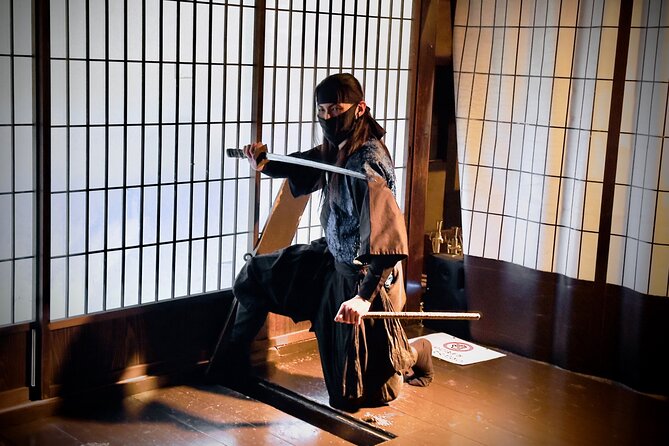
- An authentic Iga ninja house with built-in tricks you can physically spot
- Mr. Daiki Fukashi’s full-English explanations that connect geography to tactics
- A smart mix of ninja and samurai sites (not just “ninja stuff”)
- Koka’s specialization angle—herbal mixing and forest-based training in the ninja story
Private Kyoto Pickup and a 6-Hour Ninja-to-Samurai Route
This is built as a true private day. You get your own air-conditioned Nissan van (or a smaller convertible option if it’s just you), and you’ll be picked up and dropped back off near your hotel in the service area. That means you’re not bargaining with schedules, crowded buses, or slow connections once you leave Kyoto.
The tour runs about 6 hours, starting at 1:00 pm. That afternoon timing is great for a relaxed start (lunch first, then go), but it can also shift what you’re able to see if any supplemental activities depend on exact hours. If you’re hoping for a specific ninja performance moment, treat that as something that may or may not line up.
You’ll be riding out into the mountain region, and the drive is part of the experience. In spring you may see cherry blossoms, and in autumn you may catch maple color—seasonal beauty that also helps explain why ninja training stories often focus on mountains, forests, and movement on foot.
You can also read our reviews of more private tours in Kyoto

Where Iga and Koka Fit in Japan’s Shadow-Warrior Story
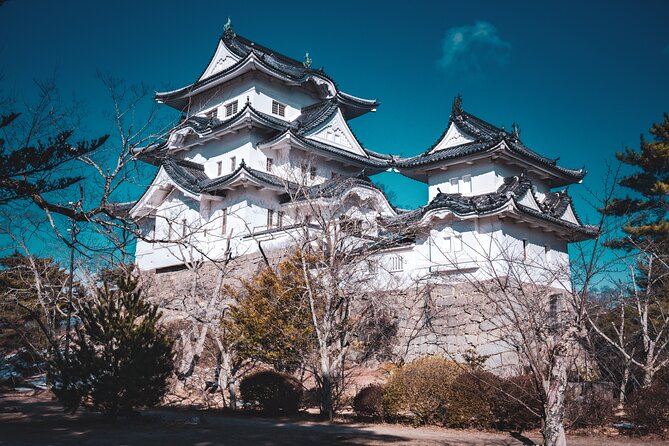
Forget the idea that ninja were just movie characters. This day gives you the real geographic roots of the story—how the Iga and Koka areas developed their own traditions, shaped by terrain and local communities.
I like how the tour treats ninja as a historical response to real conditions rather than a costume theme. When you walk through these places and stand near sites tied to feudal conflict, the “mystery” starts to feel more like survival strategy and local knowledge.
That’s also why the pairing with samurai-era locations works so well. Ninja history doesn’t exist in a vacuum. You’ll see how the same era that produced samurai fortifications and armored warriors also spawned people who relied on stealth, concealment, and speed.
Iga-Ryu Ninja Museum: Start Here to Read Everything Else
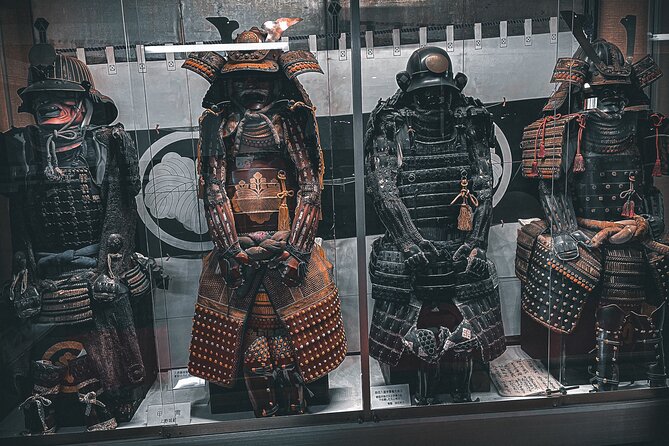
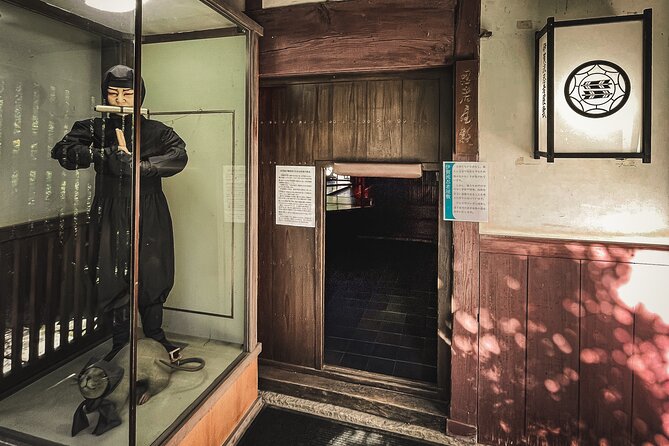
Your first stop is the Iga-ryu Ninja Museum. It’s about an hour, and it’s a good warm-up because it helps you “decode” what you’ll see later. You’ll get a grounding in how Iga-rōnin traditions were organized and why training and techniques were tied to local life.
A museum can be hit-or-miss on a day trip, but this one has the advantage of being tied directly to Iga’s identity. You’re not just touring a generic ninja exhibit; you’re starting in the place the story comes from.
One practical note: the museum admission fee isn’t included. You’ll want to budget for it, especially if you’re optimizing your day tightly.
Iga Ueno Castle: Fort-Castle Atmosphere and Samurai Context
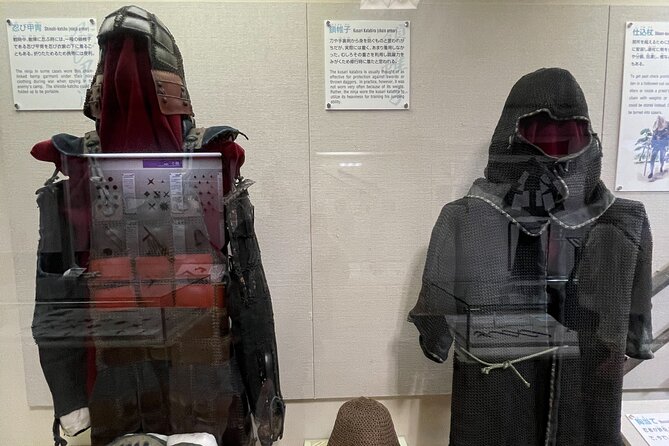
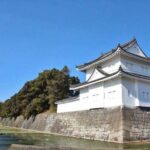
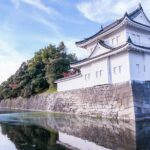
Next up is Iga Ueno Castle, roughly an hour. This place gives you the “big picture” setting for why stealth and intelligence mattered. A castle in the middle of warring-age history isn’t just scenic—it’s part of the reason people needed methods beyond direct battle.
The admission fee is ¥600 per person and isn’t included. If you’re traveling as a group, it’s worth checking in advance so nobody gets stuck at the gate with last-minute currency changes.
Even if castles aren’t your main obsession, I like that this stop anchors the ninja story in feudal conflict. You’ll get a better sense of what someone might be trying to observe, protect, or disrupt around a fortified site.
Shogunzuka Seiryuden Temple: A Free View Stop That Pays Off
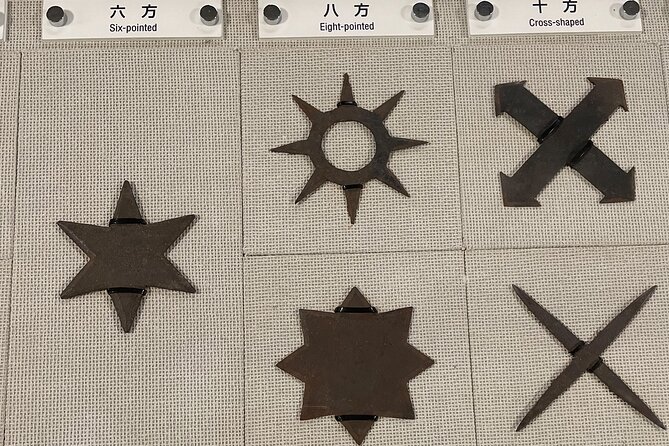
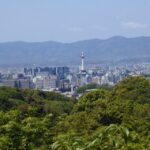
You’ll then head to Shogunzuka Seiryuden Temple, also about an hour. This is called the Mound of Shogun, and it’s known as a viewpoint where you can see all of Kyoto. It’s also a free stop, so it’s one of those “good value per minute” parts of the day.
The mound setting behind the mountains gives it a calm, less-touristy feel than many city attractions. It’s a nice break in the middle of a theme day, especially if you’re pairing this with Kyoto sightseeing back in the city.
Because it’s a viewpoint area, you might find yourself lingering longer than planned—bring a little patience and comfortable shoes.
You can also read our reviews of more historical tours in Kyoto


Walking Iga: Clan-Era Neighborhood Meaning and the Ninja-House Proof
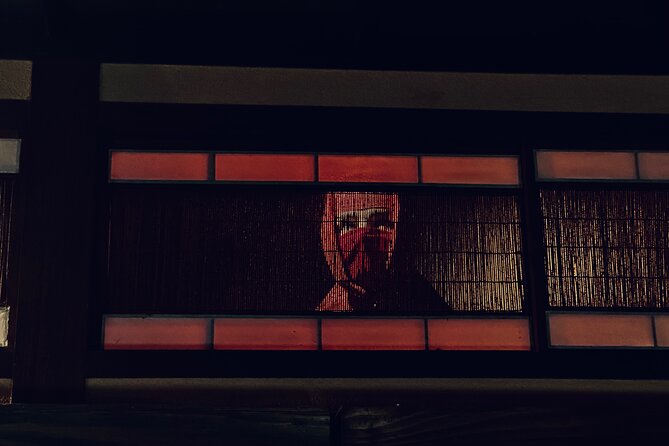
The heart of the day is your time in Iga itself, about two hours. This is where the tour becomes more than explanations. You’re in a region historically tied to Iga clan activity, and even with modern changes, the walking makes the story feel grounded.
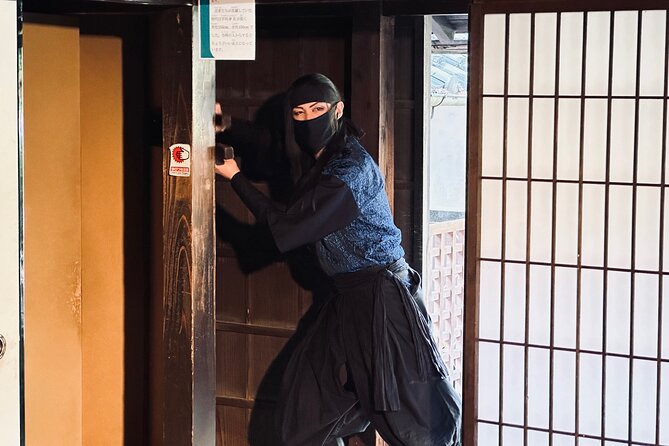
The day also includes access to an authentic ninja house with “gimmicks” like flipping doors, secret passages, and hidden sword shelters. This is the part I think you’ll remember most, because you’re not just hearing about stealth—you’re seeing the architecture logic that makes concealment possible.
That ninja house admission is ¥800 per person and isn’t included. I strongly suggest you treat that fee as part of your core plan, not an add-on—this is what turns the day from informative to unforgettable.
Also keep your expectations realistic: some sections of these sites can involve steps and uneven ground. If you’re traveling with anyone who doesn’t do well on stairs, it’s worth letting your guide know early so they can help you time your stops.
Koka: Herbal Ninja Training and the Mountains-to-Methods Connection
Then you shift to Koka, about an hour, and the tone changes in a useful way. Koka is presented as one of the other most famous ninja regions in history, with a specialty linked to herbal mixing and practical training methods.
I like this focus because it stops the story from becoming generic. Instead of “ninjas did everything,” you get a clearer idea that different regions developed different strengths based on what they practiced, what they needed, and what their environment supported.
The Koka portion leans into forest and training imagery—why mountain routes and deep nature were more than background. If you’ve ever wondered why ninja stories feel so tied to foliage, routes, and hiding places, this is the stop that answers that feeling with a tangible rationale.
Like other stops, some walking is involved, so stay flexible. Comfortable shoes matter more than style here.
The Guide Experience: What Mr. Daiki Fukashi Adds to the Day
A ninja tour lives or dies on the guide. The best part of this experience is that your English guide doesn’t just list facts. Mr. Daiki Fukashi’s approach, praised for enthusiasm and clarity, helps connect locations to the “why” behind techniques.
One reason his role stands out is that the day isn’t only ninja. The samurai stops and temple viewpoint are used as context anchors. That means you’ll be able to explain what you saw later, not just remember a neat door mechanism.
If you enjoy asking questions, this is a strong fit. A theme day like this can become one-note if your guide just repeats a script. Here, the guide’s energy and cultural storytelling tends to keep the time moving and the information sticking.
Price, Value, and How to Think About $257.35 Per Group
The price is $257.35 per group, up to 6 people. That’s the key value lever: splitting across a full private group can dramatically lower the per-person cost, especially compared to paying separate admissions plus transit for multiple individuals.
Here’s a simple way to sanity-check value. If you fill the group capacity, you’re roughly looking at about $43 per person for the private ride, guide time, parking, and the route planning. On top of that, you add a couple admission fees that aren’t included: Iga Ueno Castle (¥600) and the ninja house (¥800), plus the museum admission.
So the “math” changes depending on your group size. If you’re a smaller group, you’re paying more per person for privacy. If you’re two or three, this can still be a good buy, especially if you’d otherwise spend money and time on trains, transfers, and waiting around for a less efficient group tour.
For me, the value is strongest when you want an organized, theme-tight day with minimal stress. It’s not trying to be the cheapest way to see Iga; it’s trying to be the easiest way to see it with context.
What You’ll See Most Clearly (and What Might Take a Back Seat)
You’ll come away with two big wins: ninja as history you can place on a map, and samurai-era context that gives the story weight. The authentic ninja house is the centerpiece for most people, because you can look at design choices and imagine how concealment works in real spaces.
The castle and viewpoint stops then add structure. You’re not bouncing between random attractions; you’re moving through the logic of the era—fortification, intelligence, movement through terrain, and the human side of regional traditions.
If you’re hoping for a scheduled performance component, treat it as uncertain. Afternoon departures can change which scheduled elements line up, so plan for the core stops no matter what.
Who This Tour Suits Best
This is ideal for you if you like history that you can see in physical space. If you enjoy architecture, feudal-era Japan, or simply the “how did they do that?” side of ninja legends, you’ll get a lot out of it.
It’s also a great choice for families with older kids. One review specifically highlighted a 15-year-old’s learning experience, and the day’s mix of stories, objects, and viewpoints gives teens something to latch onto beyond watching and listening.
You’ll likely be happier if you’re comfortable with moderate walking and some steps at certain stops. If you’re expecting fully step-free access, I’d ask your provider ahead of time about the specific locations and how the route handles stairs and rough ground.
Should You Book Secrets of Ninjas and Samurais to Iga & Koka?
Book it if you want a private, guided day that goes beyond ninja trivia. This route gives you the strong “origin” feeling of Iga, the practical proof of an authentic ninja house, and the sharper specialization story of Koka.
Skip or rethink if you’re mainly chasing a single scheduled show and can’t flex your expectations based on afternoon timing. Also reconsider if mobility is a big concern, since some places include stairs and uneven ground.
If you want an efficient, well-explained day trip that feels authentic instead of staged, this one has a lot going for it—especially with Mr. Daiki Fukashi’s energy and the fact that your route mixes ninja lore with samurai-era context.
FAQ
What’s the duration of the tour?
The tour lasts about 6 hours.
Is this a private tour?
Yes. It’s private, and only your group participates.
How many people can join per group?
The price is for a group up to 6 people.
What time does the tour start?
It starts at 1:00 pm.
Is hotel pickup available?
Yes. Direct pickup and drop-off are offered from your hotel (or anywhere) from the service area of 3 big cities.
Is the tour guide English-speaking?
Yes. The tour includes a full-English guide.
Are tickets to attractions included in the price?
No. Entrance fees are not included for Iga-Ueno Castle (¥600 per person) and the Iga Ninja House (¥800 per person). The Iga-ryu Ninja Museum also requires an admission ticket.
What transport will you use?
You travel in a private air-conditioned Nissan van (2 pax-) or a Mini Cooper convertible (1 guest).
Is the experience mobile-ticket friendly?
Yes. It uses a mobile ticket.
Can you cancel for a full refund?
Yes. You can cancel up to 24 hours in advance for a full refund.