REVIEW · KYOTO
Kyoto UNESCO World Heritage Sites 1d Tour from Osaka/Kyoto
Book on GetYourGuide →Operated by VIP Japan Tour · Bookable on GetYourGuide
Kyoto hits different when gold, bamboo, and temple wood all show up in one day. I like this route for its big visual payoffs (think Kinkakuji reflections and the 1,001 Kannon statues) and for the way it layers nature, architecture, and street atmosphere. If you’re lucky enough to get Kaytu, one recent verified review praised the guide’s strength on history. The only drawback is it’s a long day with a fixed rhythm, so traffic and timing can squeeze your free time.
You’ll also like that the essentials are covered: an air-conditioned vehicle, English/Chinese live guidance, and entry included for Kinkakuji and Sanjusangendo. Lunch is extra unless you choose the optional Kobe beef set, but that’s also how you control value and cost. Just be aware the day runs approximately 9-10 hours and can adjust if severe traffic forces a reduction in stops.
In This Review
- Key points you’ll care about
- Kicking off at Kinkakuji: Gold Pavilion + Mirror Pond
- Arashiyama Bamboo Grove: How to time your photos and steps
- The “Kimono Forest” stop and Tenryuji Temple: Small choices that matter
- Sanjusangendo: 1,001 golden statues in a single hall
- Kiyomizudera and the nail-less stage: the skyline moment
- Otowa Waterfall: quick, meaningful, and easy to do right
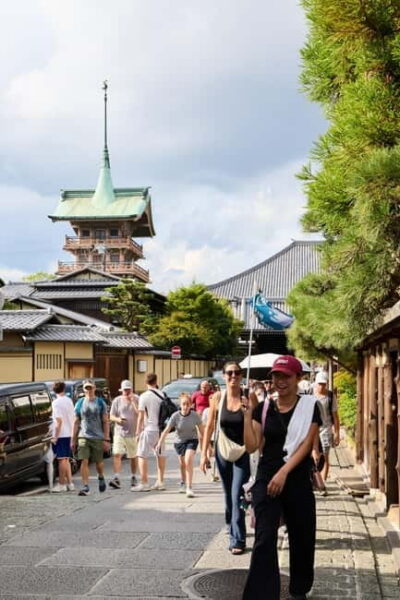
- Ninenzaka and Sannenzaka streets: shopping lanes with real atmosphere
- A5 Kobe beef lunch: worth it depends on how you travel
- Price and logistics: why $59 can still make sense
- Who should book this Kyoto UNESCO day, and who should skip it
- Should you book this tour?
- FAQ
- How long is the Kyoto UNESCO World Heritage Sites 1-day tour?
- Where does the tour start from?
- Is lunch included?
- Does the tour include Kobe beef?
- Which temple tickets are included?
- What languages are spoken by the guide?
- Is there free cancellation?
Key points you’ll care about
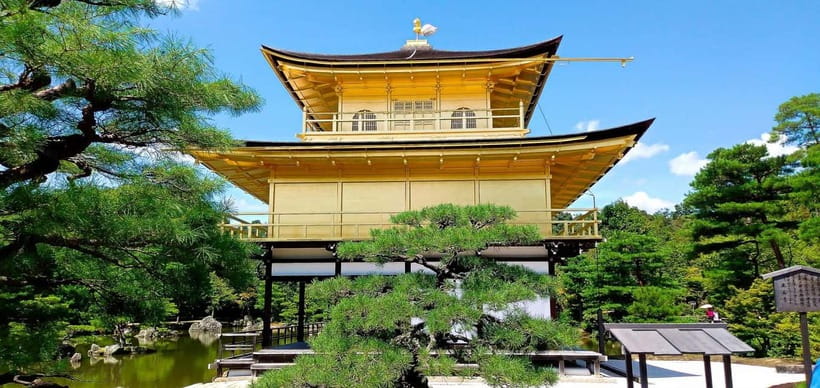
- Kinkakuji Mirror Pond: golden pavilion views built around reflection
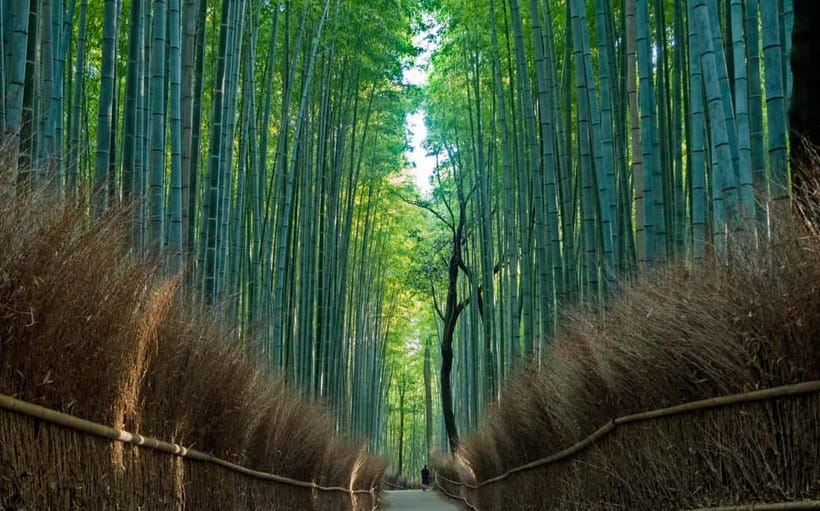
- Arashiyama bamboo grove: a short walk through that classic sound-and-light tunnel feeling
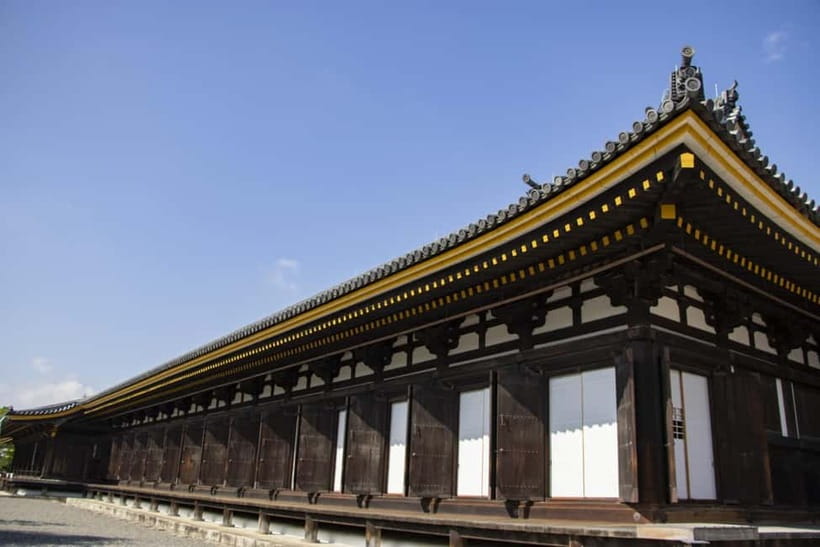
- Sanjusangendo scale: the “1,001” golden Kannon statues in Japan’s longest wooden hall
- Kiyomizudera main stage: a massive wooden stage built without a single nail, plus city views
- Optional A5 Kobe lunch: a true food upgrade you can add if you want the splurge
- Streets near Kiyomizudera: Ninenzaka and Sannenzaka shopping lanes for snacks and souvenirs
Kicking off at Kinkakuji: Gold Pavilion + Mirror Pond
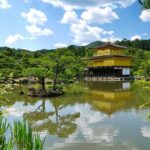
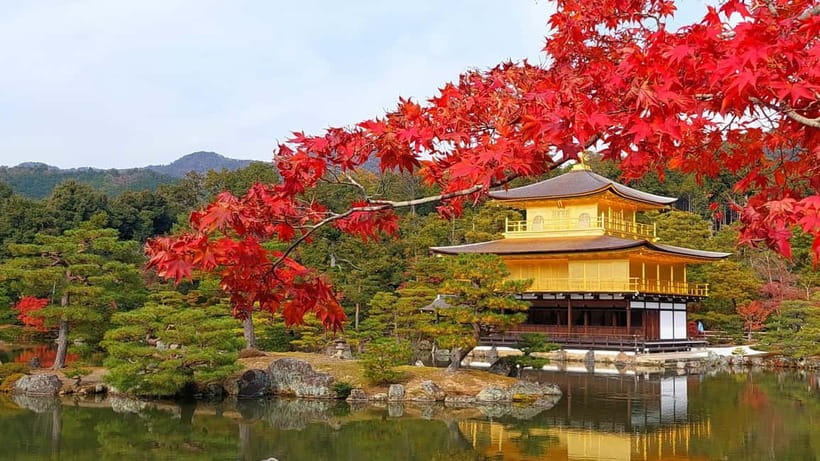
This tour starts where Kyoto’s “wow” factor is easiest to understand: Kinkakuji, the Golden Pavilion, paired with its famous Mirror Pond. The temple’s top floors are covered in gold leaf, and the best part is the balance between the shine and the quiet water around it. Even if you’re not a temple superfan, you’ll get that instant sense of design—gold up top, stillness below, and a picture that looks composed even when you’re just walking by.
You’ll spend about 40 minutes here, which is enough to do the basics without feeling rushed into a sprint. The main practical tip: go early in your day so the pond-area views are easier to photograph and your timing doesn’t get swallowed by crowds later.
If you want to make the most of your visit, take a second to watch how reflections change as people shift around the walkway. That’s part of the experience. It’s not just a building; it’s a view system.
You can also read our reviews of more historical tours in Kyoto
Arashiyama Bamboo Grove: How to time your photos and steps
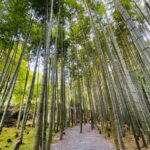
Next comes Arashiyama, the district that Kyoto uses when it wants to show off its nature side. You’ll get time for the bamboo grove, plus chances to stop for photos along the way. The bamboo walk is famous for a reason: tall stalks close in overhead, light filters through, and the air feels cooler than you’d expect.
You also get a great pairing almost right away: Togetsukyo Bridge, the Moon Crossing Bridge over the Katsura River. That’s a smart move in the itinerary because it gives you both the intimate feel of bamboo and the open feel of a river-and-mountains view in the same stretch.
Arashiyama can get crowded, so your best strategy is to use your free time like a local:
- Walk first for position, then stop for photos.
- If you want a calmer moment, step a bit away from the densest photo spots.
- Don’t forget to look outward from the bridge area, not just down at the river.
You’ll have about 2.67 hours in Arashiyama for photo stops, visiting, lunch, shopping, and free time. That’s generous for one neighborhood, but it’s still a lot to fit in smoothly. Keep your pace steady. If you blow time shopping early, the later photo windows can slip.
The “Kimono Forest” stop and Tenryuji Temple: Small choices that matter
After the main bamboo moment, you’ll hit a few stops that are shorter but can still make your day feel varied.
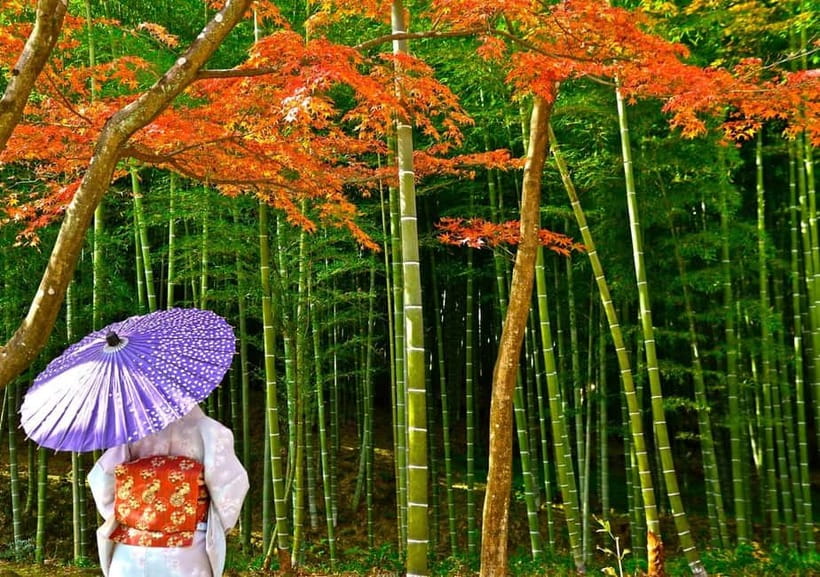
One of them is a Kimono Forest photo stop. The whole point here is simple: a quick, Instagram-friendly set without turning your schedule upside down. I treat these kinds of stops as breathing room. In other words, use them to reset your legs before the bigger temples.
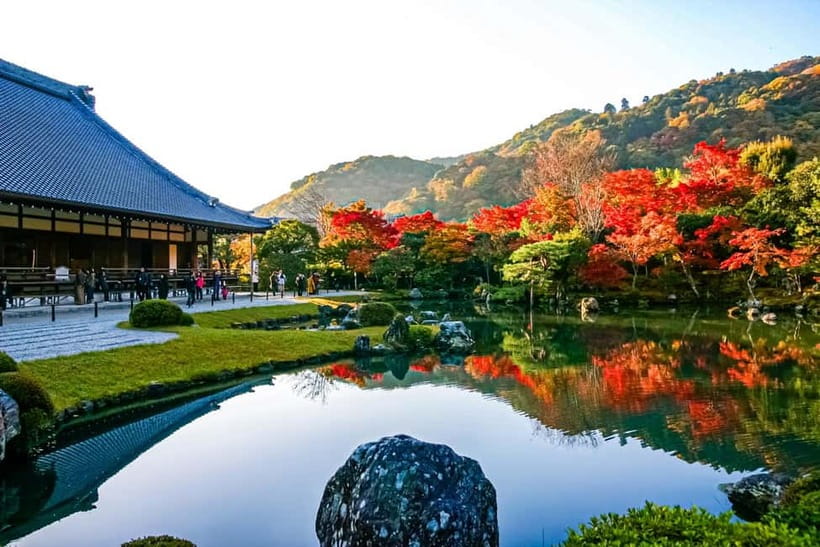
Then you’ll visit Tenryuji Temple with free time to wander. Tenryuji is a nice contrast to Kinkakuji’s gold-and-pond drama. Instead of sparkle, you’re switching to a calmer temple rhythm—walking paths, quiet corners, and more space for slow looking.
If you’re the type who likes to shop while everyone else photographs, Tenryuji time gives you a chance to do that without sacrificing the main checklist. Just remember: this tour moves. You’ll be happier if you’re ready when it’s time to go, not scrambling for one last snack shop.
Sanjusangendo: 1,001 golden statues in a single hall
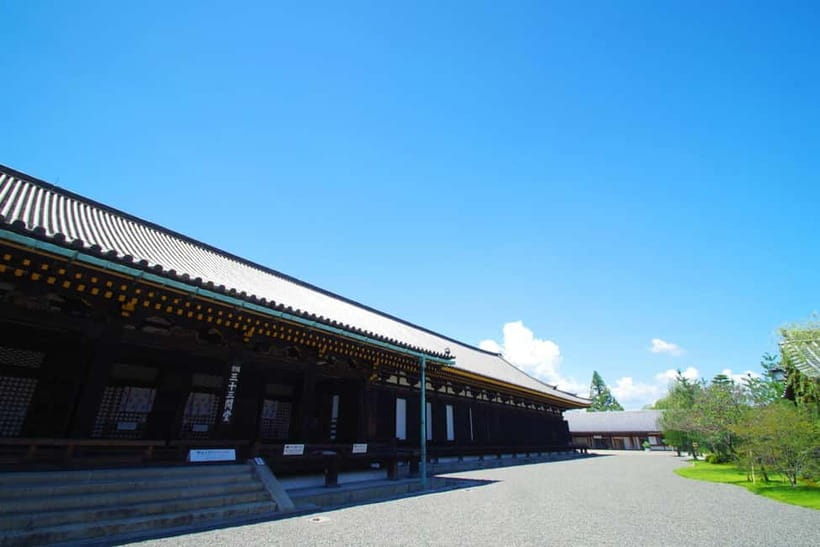
The afternoon centerpiece for many people is Sanjusangendo, where you’ll spend around 40 minutes. This is Japan’s longest historic sanjusangen-do hall, and the headline isn’t subtle: 1,001 golden statues of Kannon, the Goddess of Mercy.
What makes this stop hit is the scale and repetition. You’re not looking at one masterpiece—you’re looking at a whole field of figures carved and arranged in a way that changes how your eyes work. Even if you’re not deep into Buddhist iconography, the overall effect reads instantly: it’s order on a grand, almost ceremonial scale.
You’ll also likely notice that the hall feels like a single space with many “depth layers.” From one angle it’s all golden lines and faces; from another, the statues feel like they stretch farther than your brain expects.
Practical advice: when you enter, don’t lock onto your first favorite. Take a step, find a slightly different view, and then commit. With this kind of room, your best perspective can be just a few meters away.
This is also one of the stops where the included ticket matters because it saves money compared to paying separately at the gate.
Kiyomizudera and the nail-less stage: the skyline moment
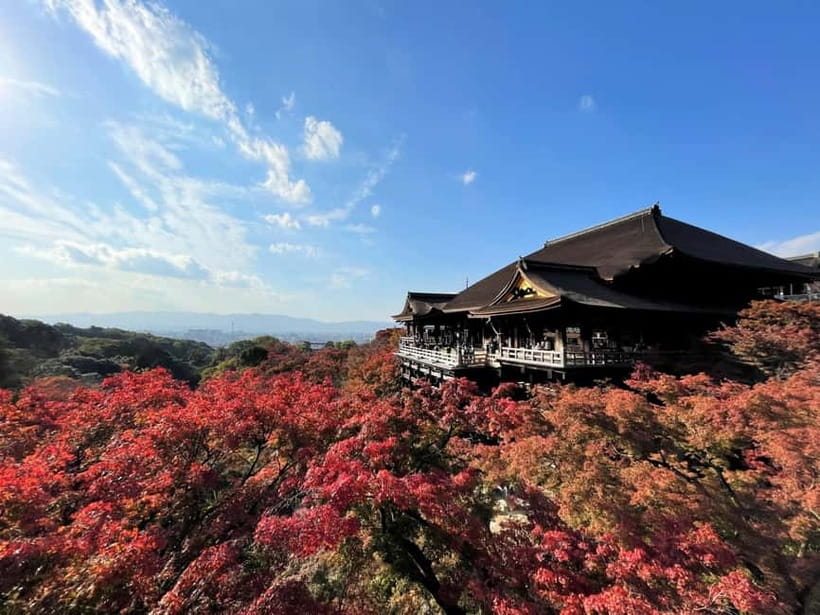
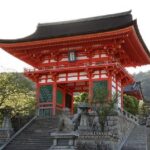
Then you’ll head to Kiyomizudera, the Temple of Pure Water, with about 80 minutes on site plus a visit to the Koyasunoto Pagoda area. The big reason people remember Kiyomizudera is the main stage: a massive wooden structure built without a single nail, designed to give you a view over the city.
It’s the kind of architecture that makes you look up even if you didn’t plan to. The stage is part of the temple experience, not just an object you see from below.
Timing helps here too. If you can, position yourself so you’re not constantly weaving through the busiest streams of foot traffic. You’ll want a clean sightline for skyline photos, and you’ll also want a moment to just stand there and take it in without holding your phone like a shield.
You can also read our reviews of more tours and experiences in Kyoto
Otowa Waterfall: quick, meaningful, and easy to do right
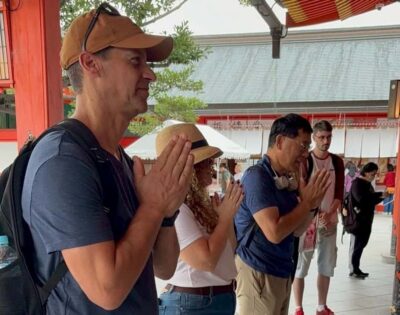
Before you leave, you can visit the Otowa Waterfall area to drink the sacred waters. The idea is simple: people believe it brings health, longevity, and success. Even if you’re skeptical, it’s a culturally important stop and not a hard extra detour.
A friendly caution: keep your time tight around this area. It’s easy to lose 20 minutes if you’re waiting around for the moment to feel perfect.
Ninenzaka and Sannenzaka streets: shopping lanes with real atmosphere
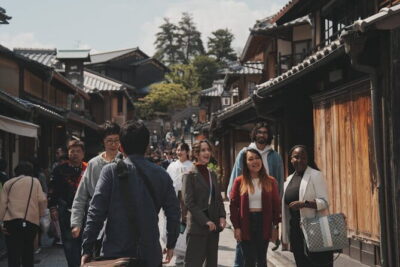
After the big temple experience, the day shifts into neighborhood mode on Ninenzaka and Sannenzaka, where you’ll get time for shopping and strolling. These lanes feel like Kyoto when it leans into old-street charm—walking space, snack stops, small stores, and lots of chances to pick up practical souvenirs.
This is a good place to buy things you’ll actually use back home: tea items, small ceramics, and gifts you can carry without stress. It also makes sense to do shopping here because your feet already expect to wander.
Don’t over-plan your wallet. You’ll have more than one moment to spend. If you decide on one “main purchase,” your shopping will feel calmer and you won’t end up with regrets plus five extra bags.
A5 Kobe beef lunch: worth it depends on how you travel
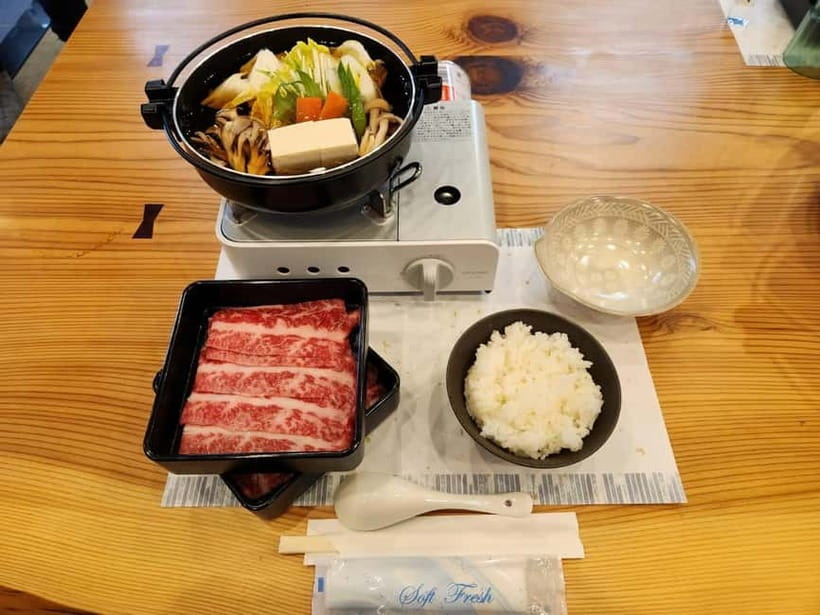
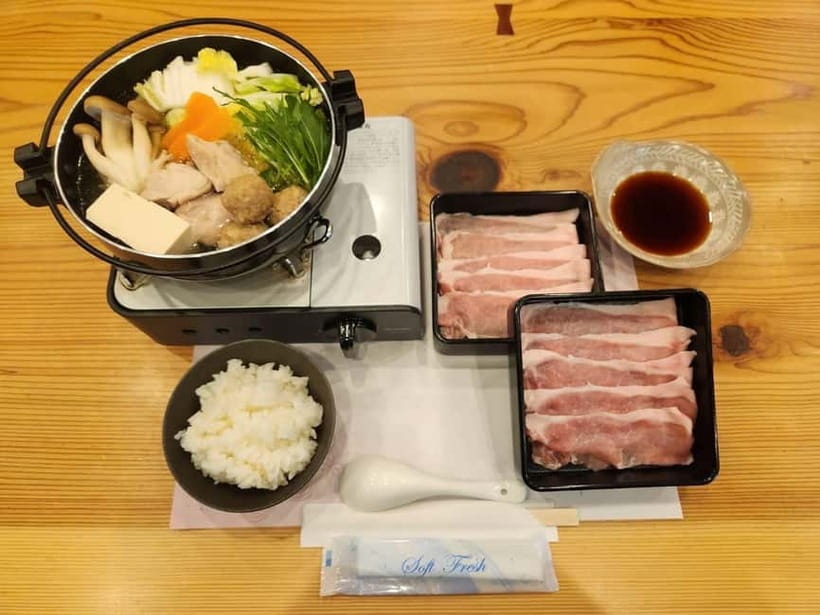
Food is where you can personalize this tour. There’s an optional lunch featuring A5 ranked Kobe Beef, described as world famous for marbling and a melt-in-your-mouth texture. If you choose the upgrade, lunch is included; if you don’t, you’ll handle food on your own during the Arashiyama window.
So is it value? Here’s the honest take: on a day packed with temples, a proper sit-down meal is a pressure release valve. You get a predictable, organized meal option, and that can be worth real money when the alternative is searching for something you like while you’re already running on time.
If you’re the type who prefers to eat local ramen, curry, or seasonal sweets between sights, you might skip the Kobe lunch and use the saved money for smaller food stops along the way. You’ll still be fed well—just not in the luxury way.
If you do choose Kobe, treat it as the one splurge of the day. Don’t assume you’ll also want extra expensive desserts and snacks. Plan one big meal, then keep the rest light.
Price and logistics: why $59 can still make sense
At about $59 per person for a 9-10 hour day, this tour is built around efficient coverage of four major UNESCO World Heritage sites, plus a mix of nature and street time. That price makes more sense when you notice what’s included: Kinkakuji and Sanjusangendo tickets are part of the package, and you get an air-conditioned vehicle with an English/Chinese-speaking guide.
What you’re paying for isn’t just admission. It’s the route design—moving between Kyoto highlights without you having to coordinate transit, tickets, and timing yourself.
A couple practical considerations:
- The tour departs regardless of weather or traffic unless you’re notified otherwise. That means you should dress for rain just in case.
- You’re expected to arrive about 10 minutes early at the correct meeting point. This is a no-wait situation, so don’t cut it close.
- Depending on group size, English and Chinese speakers may share the same bus. That’s normal and doesn’t usually affect the sights, but it’s good to expect mixed conversation flow.
The best “value move” is to pick whether you want the Kobe lunch upgrade. That one decision affects what kind of day you’re buying: a cultural day with one luxury meal, or a mostly sightseeing-and-street-food day with more budget flexibility.
Who should book this Kyoto UNESCO day, and who should skip it
This tour fits best if you:
- Want a full Kyoto highlights day without doing transit math
- Like photo-driven stops but still want real temples, not just viewpoints
- Prefer having tickets handled for the two major entry sites included in the price
- Would enjoy the structure of a guided route, especially if you’re short on time
You might want a different option if you:
- Hate long days and constant movement
- Want total freedom to linger at one place for hours
- Are very sensitive to schedule pressure, since the day runs on a set flow and can reduce planned attractions in severe traffic situations
Also, since the meeting points and drop-offs are different depending on booking, choose the option that reduces backtracking. The starting locations are VIPヴィラなんば in Osaka or 京都VIPラウンジ in Kyoto, with drop-offs matching those choices.
Should you book this tour?
If you’re doing Kyoto for one day or you just want the strongest visual and spiritual hits without planning fatigue, I think this is a solid choice. The Kinkakuji reflection start and Sanjusangendo’s sheer scale are the kinds of things that feel worth paying for, not just traveling for. Add the Kobe lunch only if you want a true treat built into the schedule, and you’ll walk away happy instead of rushing your own meal plan.
FAQ
How long is the Kyoto UNESCO World Heritage Sites 1-day tour?
The tour duration is approximately 9 to 10 hours, and it can vary depending on traffic conditions.
Where does the tour start from?
There are two starting location options depending on your booking: VIPヴィラなんば and 京都VIPラウンジ. The exact meeting point may vary by option.
Is lunch included?
Lunch is included only if you select the option. If not selected, lunch is not included.
Does the tour include Kobe beef?
An optional A5 ranked Kobe Beef lunch is available. It is included only if you choose that lunch option.
Which temple tickets are included?
Kinkakuji Temple ticket and Sanjusangendo Temple ticket are included.
What languages are spoken by the guide?
The live guide offers English and Chinese.
Is there free cancellation?
Yes. You can cancel up to 24 hours in advance for a full refund.