REVIEW · KYOTO
Kyoto : Flexible 3 hours Tour with a English Speaking guide.
Book on GetYourGuide →Operated by Jacalize Co., Ltd · Bookable on GetYourGuide
Kyoto works best when you can steer it. This flexible 3–4 hour experience gives you a private local guide and the freedom to choose where you go.
What I like most is the control: you can select 1 to 3 places (from options like Fushimi Inari, Kinkakuji, or Arashiyama Bamboo Forest) and build your own plan around what you actually care about. I also like the people factor, since real guide personalities shine through, including names like Kimu, Toshiki, and Mark, who focused on Japanese culture and their favorite ways of seeing Kyoto.
One thing to consider: you cover the day’s expenses, and that goes beyond the obvious since tour entries, transport, and even food aren’t included, and guests are also covering all expenses during the tour including the guide’s. That can make the day cost more than the base price if you do lots of paid stops.
In This Review
- Key takeaways before you go
- Flexible Kyoto with a local guide: why this feels different
- Start at Kyoto Station or Gion-Shijo: the meeting setup that saves time
- How you choose your stops (and why that matters more than a fixed itinerary)
- A closer look at the flexible stop style: what you actually get at each place
- Learning Japanese culture in a way that sticks
- Kyoto food-scene time: social energy without the chaos
- Price and value: what $91 buys in a 3–4 hour private format
- Timing: making 3–4 hours feel like the right amount of Kyoto
- Who should book this flexible Kyoto guide tour
- Should you book it? My honest recommendation
- FAQ
- FAQ
- How long is the Kyoto flexible tour?
- What does the tour cost?
- Where do I meet my guide?
- Where do I get dropped off?
- How many places can I visit during the tour?
- Are entrance fees, food, and transportation included?
- What languages are spoken by the guide?
- Is the tour wheelchair accessible?
- Is there free cancellation and a pay-later option?
Key takeaways before you go
- Pick your stops (1–3): tell your guide your interests and let them shape the route
- Choose where to meet and end: Kyoto Station or Gion-Shijo Station
- English-speaking local perspective: you learn culture from a local person, not a script
- Food-scene time is part of the fun: the tour has a social vibe around Kyoto’s food world
- Private group with proven guides: reviews mention passionate, accommodating guiding from Kimu, Toshiki, and Mark
Flexible Kyoto with a local guide: why this feels different
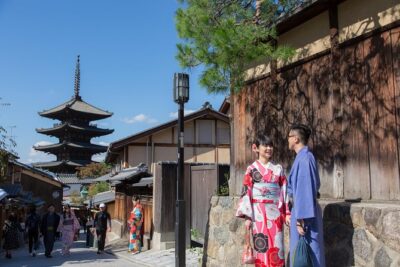
Kyoto can feel like a choose-your-own-adventure book. The problem is, a standard group tour often locks you into a route you didn’t request, then rushes you through the parts you actually wanted. Here, the whole point is that you tell the guide what you want, and the guide turns that into a plan.
I like that the guide is local and English-speaking, which matters more than it sounds. If you’re trying to understand how daily life, traditions, and place meanings connect, translation alone is not enough. A local guide can connect the dots in a way that makes the city feel less like a checklist.
Another big win is the format. With a 3–4 hour window, you can cover a few meaningful stops without spending half the day on logistics. You’re not committing to a full day, but you still get time to ask questions and slow down where it makes sense.
The tone is also refreshingly human. Reviews highlight guides such as Kimu, who came across as passionate and culture-focused, plus Toshiki, who was accommodating and informative, and Mark, who was described as wonderful and enjoyable to spend time with. That combination of warmth and clarity is a big part of why this kind of tour works.
You can also read our reviews of more guided tours in Kyoto
Start at Kyoto Station or Gion-Shijo: the meeting setup that saves time
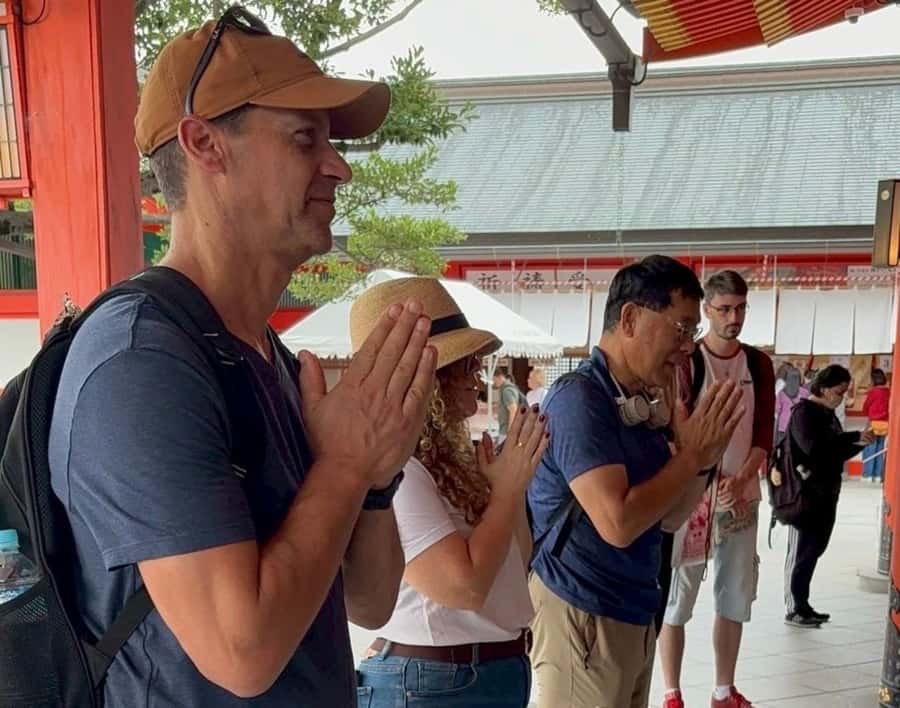
Your tour begins with pickup at one of two options: Gion-Shijo Station or Kyoto Station. You also get two drop-off options that match: Kyoto Station or Gion-Shijo Station. The setup is simple, but it’s practical, especially if you’re already using those stations as your home base.
You’ll meet your guide at your preferred meeting point. From there, you and the guide line up what you want to do and how to group your stops so the day feels efficient.
Here’s the tradeoff to know up front: the tour will not be conducted by a private car. That doesn’t mean you won’t move around the city. It means you should expect to rely on walking and the transportation that you cover yourself. Plan for shoes and pacing, because the best routes in Kyoto are often the ones that aren’t tied to a car window.
How you choose your stops (and why that matters more than a fixed itinerary)
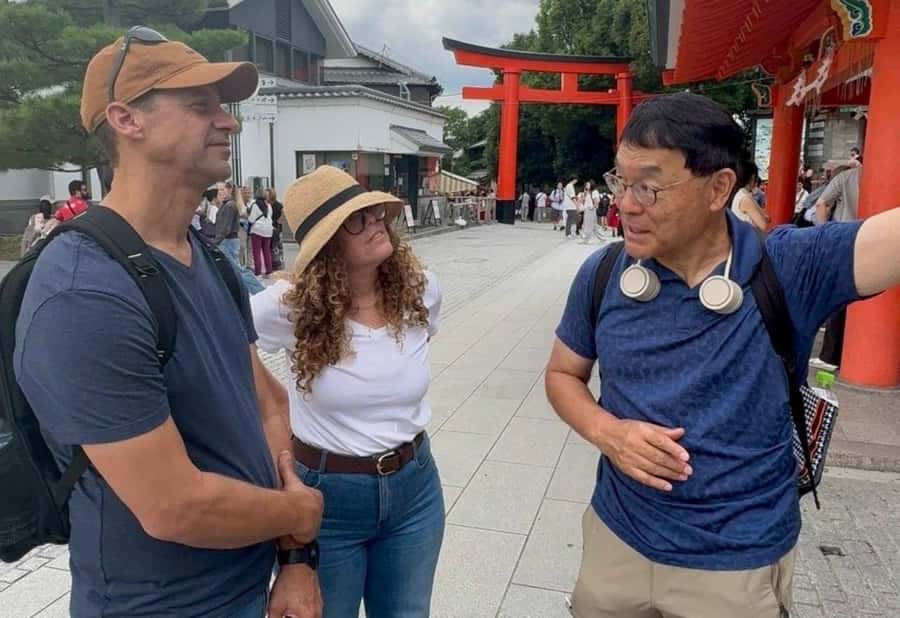
Instead of a rigid script, the guide builds your plan around your interests. You choose 1–3 places you’d like to visit, and if you’re not sure what to pick, you can still tell the guide what you’re interested in or what kind of experience you want. The guide then picks the best places based on that conversation.
This is the part I’d watch closely if I were advising a friend. A flexible plan sounds nice, but it only works when you communicate clearly. If you tell the guide vague goals like I want Kyoto vibes, you’ll get a vague plan. If you can share more specific preferences like the kind of atmosphere you want, the pace you enjoy, or the themes you care about, the guide can steer you toward stops that match your day.
Also, the freedom is not just about picking a place name. It’s about learning what you’re looking at through a local lens. The tour description promises the guide will show you the place from a local person’s perspective. That’s where the day turns from sightseeing into understanding.
And if you do choose one of the listed examples—Fushimi Inari, Kinkakuji, or Arashiyama Bamboo Forest—the value is less about checking the box and more about getting a guided sense of how to experience that place.
A closer look at the flexible stop style: what you actually get at each place
Because your stops are chosen by you (or suggested by your guide), the tour works like a framework. You can expect the guide to do a few consistent things at whatever stops you pick:
- Give you context so you can interpret what you’re seeing
- Help you time your sightseeing within the 3–4 hour window
- Point out how locals might think about the place, not just how it looks in photos
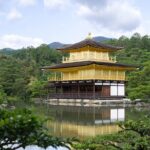
So how do you make decisions when you have multiple options on the table? I think about it this way: each stop type tends to reward a different travel mood. If you want a spiritual-feeling setting, you might lean toward Fushimi Inari. If you want a landmark moment with strong visual impact, you might lean toward Kinkakuji. If you want a quieter, nature-focused experience, Arashiyama Bamboo Forest can be a good choice.
The drawback is that you’re responsible for choosing your priorities. If you try to stuff in three very different locations that don’t match your energy level, you’ll feel rushed even with a private guide. That’s why I recommend picking one must-do, then adding one bonus option only if you know you can handle the pace.
The upside is that you’re not trapped. If you start the day and realize you’d rather spend more time in one area than hop between all three, a local guide can help adjust within the time you have.
Learning Japanese culture in a way that sticks
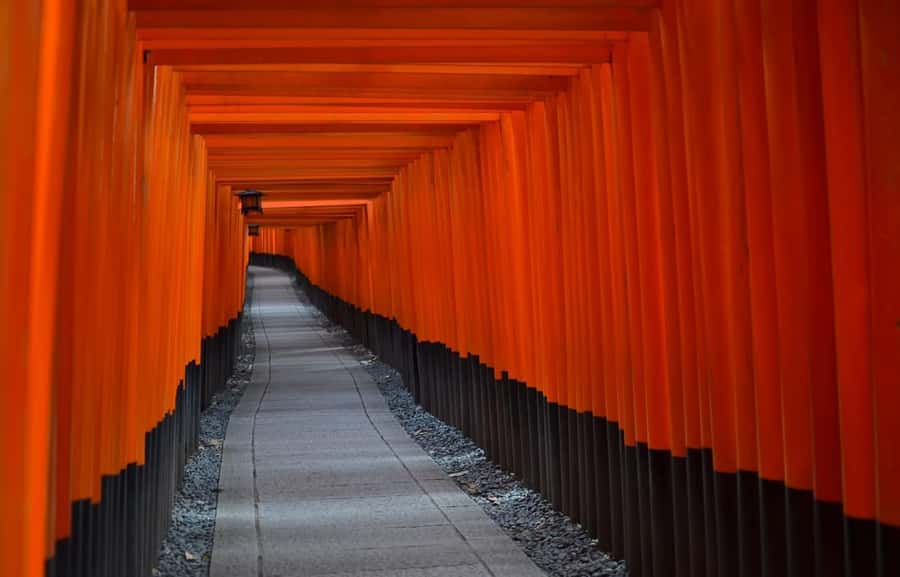
This tour doesn’t sell you on a lecture. It’s built around opportunity to learn about Japanese culture from a local person, while you walk and see the city in real life.
From the reviews you shared, the strongest theme is how guides connect culture to what you’re doing. Kimu is described as both passionate and knowledgeable about Japanese culture, and he also shared favorite places. Toshiki is mentioned as accommodating and informative. Mark is described as wonderful, and his knowledge made the day enjoyable.
Even if you don’t speak Japanese, you get value in the conversation. You’re not only translating signs; you’re learning why people behave the way they do, what matters in the setting, and what to notice when you’re standing in the middle of it all.
That kind of explanation is especially useful in Kyoto, because the city’s meaning often lives in small details: how spaces are used, how traditions influence daily life, and how people treat different kinds of landmarks. A flexible guide plan helps because you’re not rushed through those moments.
You can also read our reviews of more tours and experiences in Kyoto




Kyoto food-scene time: social energy without the chaos
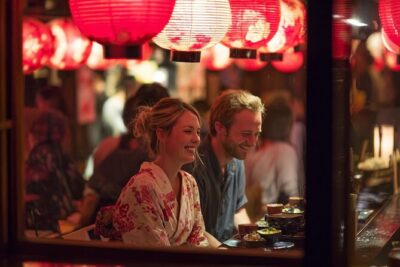
The experience description calls out a fun and social atmosphere as you explore the city’s food scene. That’s a key reason this tour can feel different from a temple-only day.
However, there’s also a reality check: food and drink are not included. Entrance fees are not included either, and transportation fees are not included. So when the tour leans into food culture, you should treat it as time to discover and plan what you want to eat rather than a guaranteed tasting menu.
I’d go in with a simple strategy: ask your guide what to try that fits your tastes and budget. With a local person shaping the route, you’re more likely to get choices that make sense for you, not just what’s popular on menus.
Because this is a private group, you can also tailor the food pace. If you want quick bites between sights, you can ask for that. If you’d rather walk first and eat later, you can do that too.
Price and value: what $91 buys in a 3–4 hour private format
The price is $91 per person, for 3–4 hours. That sounds straightforward, but value in Kyoto depends on how the day is structured.
You’re paying for:
- A local guide who speaks English (and Japanese as well)
- Private guiding for your group
- The flexibility to choose up to 1–3 places and have the guide build the plan
You’re not paying for:
- Food and drink
- Entrance fees
- Transportation fees
And there’s an extra cost detail that matters: the information notes that guests will be covering all expenses during the tour, including the tour guide’s. That means your day budget should include more than just transit. If you plan paid entries or multiple stops that require fees, you should expect extra spending on top of the base price.
I like this setup when I want quality time with a guide and I’m comfortable budgeting for on-the-ground costs. It’s less ideal if you want a fixed-price sightseeing day where everything is prepaid.
Timing: making 3–4 hours feel like the right amount of Kyoto
Three to four hours is a sweet spot if you want structure but not confinement. It’s long enough to visit more than one place and still talk. It’s short enough that you’re unlikely to lose an entire day to commuting and decision fatigue.
Still, the flexibility can cut both ways. If you show up without any idea what you want, you might spend the first part of the tour figuring it out instead of seeing the city. So do a little prep before you meet:
- Decide your top one or two interests
- Think about whether you want one big visual stop plus one smaller stop
- Bring comfortable shoes, because you’ll be moving without a private car
The tour also has practical language: you can choose your meeting point in Kyoto Station or Gion-Shijo Station. That helps you blend the tour into your existing schedule rather than reinventing your plans.
Who should book this flexible Kyoto guide tour
This experience is a strong fit if you want:
- A private group guide who adjusts to your preferences
- An English-speaking local to explain Japanese culture in context
- The freedom to choose 1–3 places instead of following someone else’s plan
- A day that includes time for Kyoto’s food scene in a social, low-stress way
It’s also a good match if you value the human side of guiding. The reviews mention guides by name—Kimu, Toshiki, and Mark—and the comments focus on passion, accommodating attention, and a genuinely enjoyable experience.
If you’re the kind of traveler who likes zero decisions, this might feel like work at first. But if you enjoy choosing your own direction, this format hands you the steering wheel.
Wheelchair accessible is listed, which is an important plus if you need a route that can be managed comfortably.
Should you book it? My honest recommendation
Book this tour if you want Kyoto tailored to you within a short time window. The combination of a private English-speaking local guide and the freedom to pick 1–3 stops is exactly what helps Kyoto feel personal instead of generic.
Skip or reconsider if you dislike planning and you prefer fully packaged costs. Between entrance fees, food and drink, transportation fees, and the note that guests cover all expenses during the tour including the guide’s, your final day budget can stretch.
If you like asking questions and you want your guide to help shape your route, this is the kind of tour that makes the city click.
FAQ
FAQ
How long is the Kyoto flexible tour?
The tour duration is 3 to 4 hours. You should check availability to see starting times.
What does the tour cost?
The price is $91 per person.
Where do I meet my guide?
Pickup is available at Kyoto Station or Gion-Shijo Station. Your guide will meet you at your preferred place.
Where do I get dropped off?
Drop-off options are Kyoto Station or Gion-Shijo Station.
How many places can I visit during the tour?
You can pick 1 to 3 places that you want to visit with your guide.
Are entrance fees, food, and transportation included?
No. Food and drink, entrance fees, and transportation fees are not included.
What languages are spoken by the guide?
The live guide offers English and Japanese.
Is the tour wheelchair accessible?
Yes, the tour is listed as wheelchair accessible.
Is there free cancellation and a pay-later option?
You can cancel up to 24 hours in advance for a full refund. There is also a reserve now & pay later option.