REVIEW · KYOTO
Kyoto: Nishiki Market Food Tour with Local Guide
Book on GetYourGuide →Operated by Jacalize Co., Ltd · Bookable on GetYourGuide
One street, a hundred snack decisions, and real Kyoto food culture. Nishiki Market, often called Kyoto’s Kitchen, is the kind of place where aromas, shop signs, and vendor chatter all tell you a story about how people eat in Kyoto. I like this tour because it pairs those tastes with a local guide and the background that helps everything make sense.
I also love the way it leans into Kyoto ideas like seasonality and Kyoto Kaiseki (multi-course dining), plus how Buddhist vegetarian cuisine influenced what you see and eat here. One thing to consider: this is a walking food experience in a narrow, lively market, so comfortable shoes are not optional.
Key points to know before you go
- English-speaking local guide who explains what you’re eating and why it matters
- Food tasting across Nishiki’s long stretch of shops and stalls
- Focus on seasonal traditional bites and Kyoto Kaiseki-style thinking
- Clear connections to Buddhist vegetarian food traditions in the market
- Good vibe for care and attention, including help when someone slips or falls
- Vegetarian options available if you tell the operator in advance
In This Review
- Nishiki Market: Kyoto’s Kitchen Since the 1300s
- Your Local Guide Helps You Eat Like You Belong
- How the Tour Flows Through the Five-Block Market
- What You’ll Taste on a Nishiki Market Food Tour
- Kyoto Kaiseki Thinking Meets Street Food
- Buddhist Vegetarian Influence on What You See and Eat
- Shoes, Water, and Photo Etiquette in a Narrow Market
- Price and Value: Is $64 Worth It?
- Who Should Book This Nishiki Market Tour
- Should You Book This Kyoto Nishiki Market Food Tour?
- FAQ
- What’s included in the Kyoto Nishiki Market food tour?
- Is hotel pickup or drop-off included?
- How much does the tour cost?
- What language is the tour offered in?
- Are there vegetarian options?
- What should I bring with me?
- Can I take photos while on the tour?
- What happens if I book last minute or need to cancel?
Nishiki Market: Kyoto’s Kitchen Since the 1300s
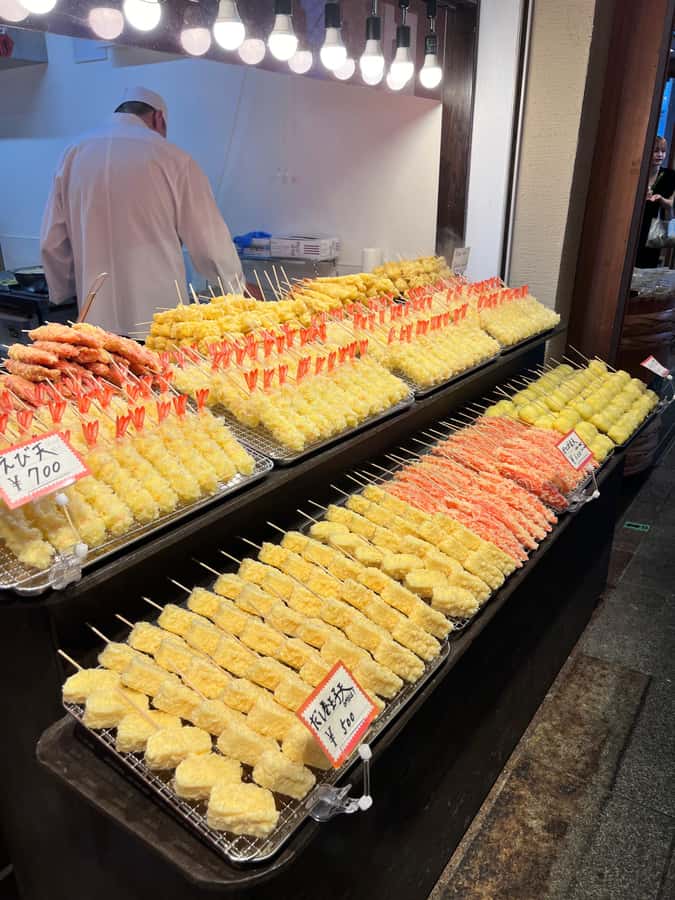
Nishiki Market is famous for a reason: it’s a food street that long outlived trends. It stretches about five blocks and has been the heart of Kyoto’s food culture since the early 14th century, starting as a small collection of fish shops and growing into a dense lineup of stalls and specialty stores.
What makes it work for a food tour is simple. You can’t really understand Kyoto’s approach to food just by reading a menu. You need to see how ingredients move from shop to snack, how seasonal items show up, and how vendors explain what’s good right now. This tour is built for that.
The market also runs on atmosphere. Narrow lanes, vendor calls, and the smell of prepared foods are part of the deal. A guide helps you sort through it, so you spend your time eating instead of wandering in circles.
Your Local Guide Helps You Eat Like You Belong
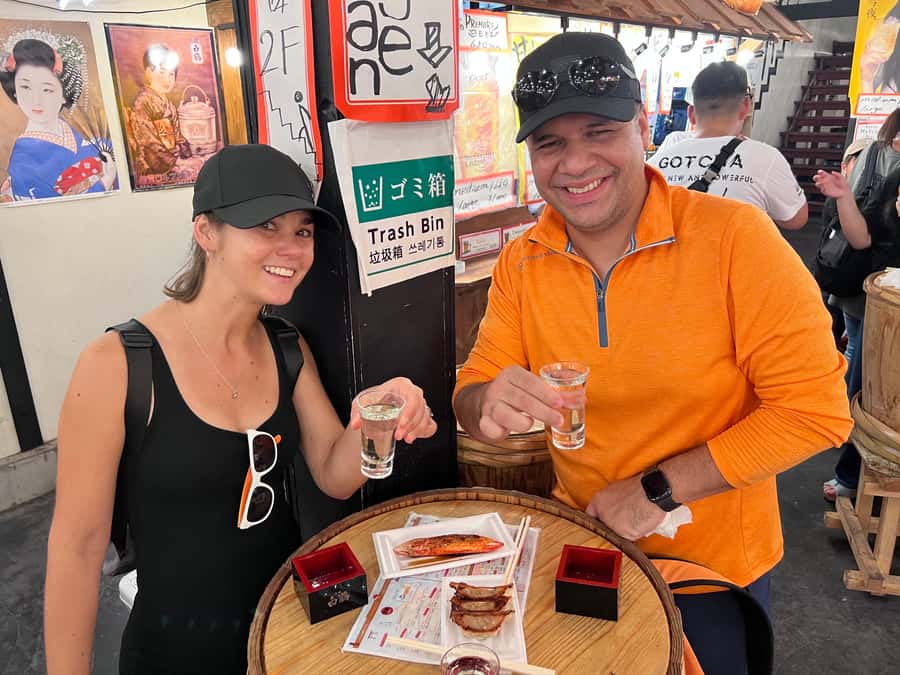
The biggest win here is the human element. The guides are not just there to point at stalls. They connect the tasting to Kyoto’s food culture and history, which turns a quick bite into something you remember.
In the guidance I saw highlighted, Steven stood out for being exceptionally knowledgeable. Another thing that impressed me is how kind and attentive the guide was when someone in the group had a fall; he handled it with calm help. That kind of care matters in a crowded market where you’re moving close to other people and shopfronts.
Expect this to feel like a guided walk with explanations, not a rigid script. If you ask questions, you’ll get answers that actually relate to what you’re tasting. That’s the difference between paying for snacks and paying for understanding.
You can also read our reviews of more food & drink experiences in Kyoto

How the Tour Flows Through the Five-Block Market
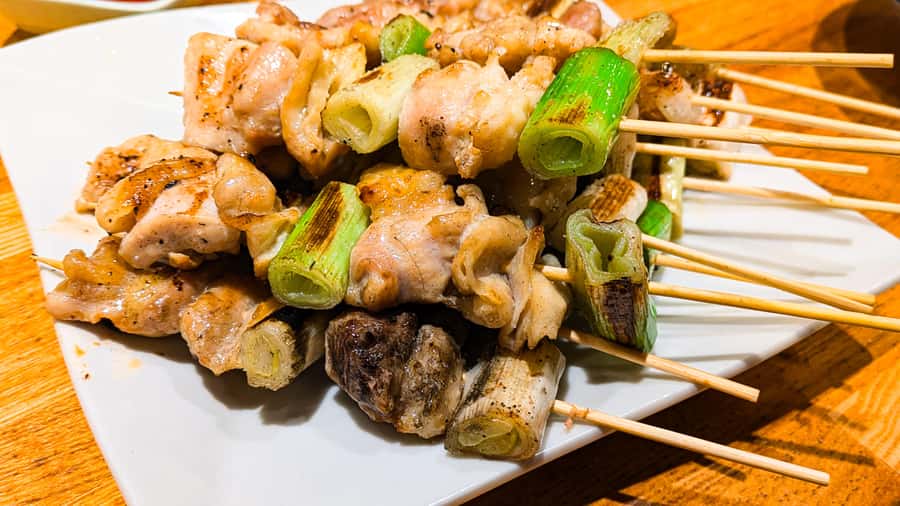
You’re not just meeting at a point and grabbing one sample. The experience is designed as a guided pass through Nishiki’s long stretch—where you get help choosing what to try at different spots along the market.
Typically, the pattern looks like this:
- You start with a sense of direction so you’re not overwhelmed by the sheer number of shops.
- As you move through the market, your guide guides you to tasting moments that fit the theme of the tour.
- You learn the story behind the ingredients and cooking style as you go, so it feels cohesive.
Because the market is packed and the streets are narrow, the guide’s job is also practical: keeping the pace workable, steering you away from confusion, and helping you navigate stalls safely while you’re eating. The tour includes cultural and historical insights for that reason—so you’re not just chewing your way through noise.
What You’ll Taste on a Nishiki Market Food Tour
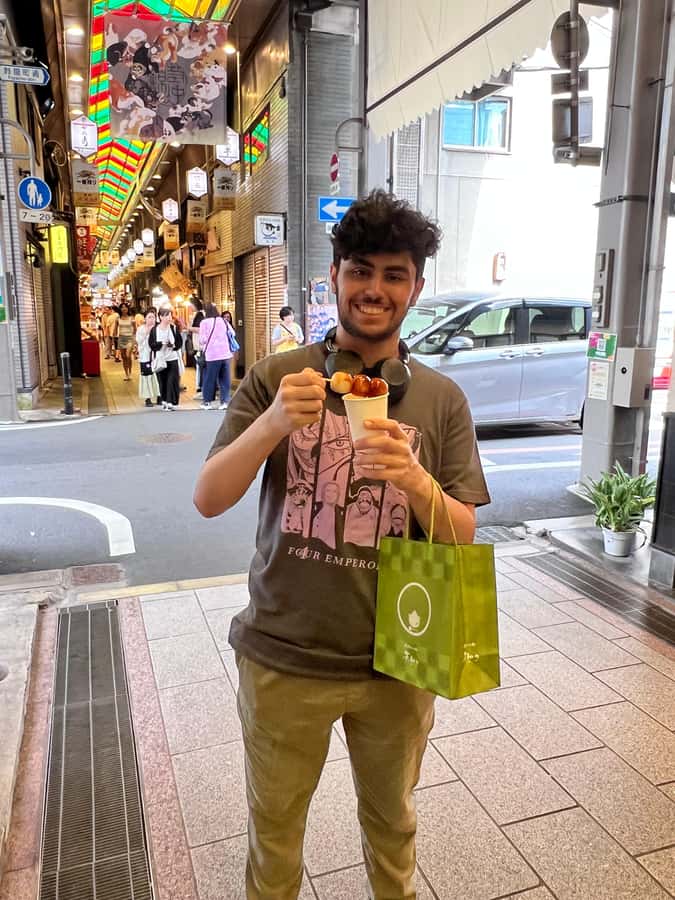
The description focuses on tasting multiple “mouthwatering delicacies,” and the core promise is that you’ll sample different seasonal traditional foods. Since the tour is market-based, you can expect a mix of items that reflect what’s available in Kyoto right now, rather than a set menu that ignores the season.
Here’s how to think about the tasting experience:
- It’s not meant to be a full meal from one place. You’re trying a sequence of items.
- You’ll likely notice that the market offers foods that are both snackable and ingredient-driven. That makes it easy to learn what you’re eating.
- The guide helps you pick items that make sense together, so you don’t end up with five similar flavors.
If you’re the type who likes to compare tastes, this tour is a good match. You’ll get more than one perspective on Kyoto’s food habits by sampling across stalls instead of sticking to a single shop.
Kyoto Kaiseki Thinking Meets Street Food
One of the best parts of this tour is the way it connects street food to Kyoto dining philosophy. You’ll hear about Kyoto Kaiseki, the idea behind multi-course dining, and how it shapes the mindset for eating in Kyoto—balance, seasonality, and thoughtful presentation.
Even though you’re eating in a market, those ideas still show up. Kyoto food culture often treats ingredients as the main character. Instead of heavy sauces or one-note flavors, you tend to taste finer differences: seasonal produce, careful preparation, and the way flavors shift from bite to bite.
This is where a guide really earns their spot. Without the explanation, you might taste a dish and think it’s just tasty. With the context, it becomes easier to understand why it’s prepared that way and why Kyoto locals care about it.
Buddhist Vegetarian Influence on What You See and Eat
Kyoto has a reputation for respected Buddhist traditions, and that influence shows up in food culture—especially when it comes to vegetarian offerings. This tour explicitly includes the connection between Buddhist vegetarian cuisine and the market.
Why that matters for your experience: vegetarian food in Japan is not always bland or “just for non-meat eaters.” It can be carefully made and deeply rooted in food philosophy. The tour helps you spot those influences rather than treating vegetarian items as an afterthought.
If you eat vegetarian, you’ll also like how the tour signals that vegetarian options are available (you’ll need to notify in advance). Even if you’re not vegetarian, learning how vegetarian traditions affected the market makes the whole street feel more meaningful.
You can also read our reviews of more tours and experiences in Kyoto

Shoes, Water, and Photo Etiquette in a Narrow Market
This is one of those tours where the practical advice is the difference between smooth and stressful.
Wear comfortable shoes because you’ll be doing a lot of walking. The market layout means constant foot movement, plus you’ll be stopping often for tastings. Bring a water bottle to stay hydrated—Kyoto walking + frequent snack bites can catch you off guard.
Photography is encouraged, but be respectful. Some vendors may be busy or protective of their space, so ask before taking photos. That simple step keeps things friendly and makes the market experience feel cooperative instead of intrusive.
Price and Value: Is $64 Worth It?
At $64 per person, the value comes from what’s included and what’s not.
Included:
- Local guide
- Food tasting
- Cultural and historical insights
Not included:
- Hotel pickup and drop-off
So the real question is whether you’re paying for “food only” or “food plus context.” Here, you’re paying for both. Nishiki Market is too big to learn by accident, and a local guide helps you avoid the most common self-guided problem: eating randomly instead of eating with a story.
Also, the guide role matters in crowded conditions. The kind and attentive help highlighted in the group context isn’t just a nice perk—it’s part of why guided tours feel worth it. You’re paying for safer pacing and better decision-making, not only bites.
Who Should Book This Nishiki Market Tour
This is a strong pick if you:
- love Japanese food and want more than a random snack crawl
- enjoy learning the why behind cooking styles like Kyoto Kaiseki thinking and seasonal focus
- want a guide for a market where there are a lot of options and it’s easy to get overwhelmed
It’s also a good fit for couples or small groups who want shared food moments with conversation—because the historical and cultural insights make it easier to talk while you walk.
If you hate crowds or prefer very structured tours with long seating breaks, this might feel less relaxing. The market is active, and you’ll be on your feet.
Should You Book This Kyoto Nishiki Market Food Tour?
If you want Kyoto food culture you can taste and understand, I’d book this. The combination of local guiding, multiple seasonal tastings, and the extra context on Buddhist vegetarian influence and Kyoto dining ideas gives you more value than a simple eat-and-go approach.
Skip it only if you’re looking for a low-walking, sit-down experience or if you prefer a fixed menu with no surprises. Otherwise, this is a smart way to get oriented in one of Japan’s most important food streets—so you leave with a fuller stomach and better food sense.
FAQ
What’s included in the Kyoto Nishiki Market food tour?
The tour includes a local guide, food tasting, and cultural and historical insights.
Is hotel pickup or drop-off included?
No. Hotel pickup and drop-off are not included.
How much does the tour cost?
The price is $64 per person.
What language is the tour offered in?
The tour is offered in English.
Are there vegetarian options?
Yes. Vegetarian options are available. You should notify in advance if required.
What should I bring with me?
Bring a water bottle and wear comfortable shoes, since the tour involves a lot of walking.
Can I take photos while on the tour?
Photography is encouraged, but you should be respectful of vendors and ask before taking photos.
What happens if I book last minute or need to cancel?
Last minute bookings might have to be canceled. Cancellation is possible up to 24 hours in advance for a full refund.