REVIEW · KYOTO
Kyoto: White Miso Cooking Class & Fermented Food Course Lunch
Book on Viator →Operated by Tranquwell · Bookable on Viator
You smell fermentation before you even taste. In this Kyoto workshop, the star is white miso, made by hand with an expert’s guidance, plus plenty of food time where you can actually feel the payoff. I love how hands-on it is and how quickly it turns a traditional ingredient into something you understand.
I also love that you cook and eat with the miso right away: potage soup with white miso, then a fermented-food lunch. One thing to consider: you can’t take the miso home due to customs rules, so plan to leave with knowledge (and recipes), not a jar.
In This Review
- Key Highlights You’ll Care About
- Kyoto White Miso Class: Why Fermentation Feels So Practical
- Where the Class Starts in Kyoto (and How to Find It)
- Meet the Miso Expert: Expect Clear Storytelling
- Hands-On Shiro Miso Making: What You’ll Actually Do
- Potage Soup with White Miso: Turning a Paste into Comfort
- The Fermented Food Lunch: Eat, Then Reframe the Flavor
- Price and Value Check: Is $120 a Good Deal?
- Small Group Size: Why Max 6 Changes the Experience
- Miso You Can’t Take Home: How to Think About That
- Who Should Book This (and Who Might Skip It)
- Quick Booking Tips for a Smooth Morning
- Should You Book Kyoto White Miso Cooking Class?
- FAQ
- What is the duration of the Kyoto white miso cooking class?
- Where does the class meet in Kyoto?
- What time does the class start?
- What will I do during the class?
- Is lunch included?
- What is the group size?
- Do I get to take miso home?
- How much does the tour cost?
- Is mobile ticketing used?
- What happens if the tour doesn’t meet the minimum number of participants?
Key Highlights You’ll Care About
- Small group (max 6) means you get more time with the instructor.
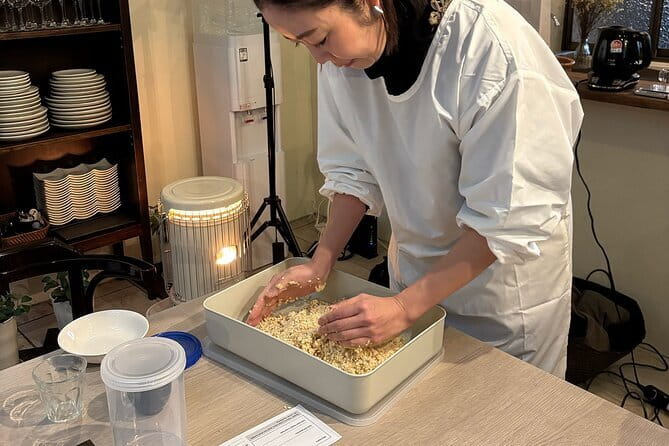
- Hands-on shiro miso making so you learn the steps, not just watch.
- White miso potage tasting gives you a practical, everyday use for what you made.
- Fermented lunch included so you leave fed and thinking about flavor differently.
- Miso can’t be taken home due to customs, which changes how you should value the class.
- Instructor-led fermentation talk connects what you do today to why it matters in Japanese meals.
Kyoto White Miso Class: Why Fermentation Feels So Practical
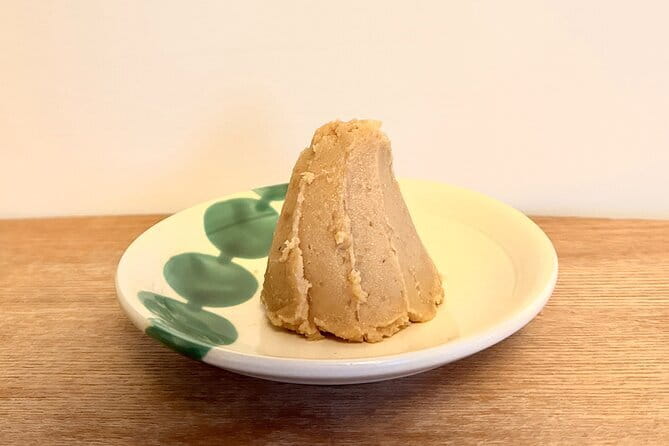
Kyoto is famous for careful food culture, and this class uses that mindset in a fun way. Instead of treating fermentation like a mysterious science project, you learn it as a real kitchen skill. The workshop centers on making white miso, then immediately using it in potage soup and a fermented-food lunch.
I like experiences where the learning is paired with eating. Here, you don’t just go home with theory. You get the smell of fermented ingredients, the texture changes you can notice while you work, and the flavors in your mouth soon after. That combo is why the class works, even if you’re not a fermentation superfan.
The other big reason this feels worthwhile is timing. With a start time of 9:20 am and a duration of about 3 hours 40 minutes, you’re not stuck for half a day. You can still plan a second activity after lunch—useful in Kyoto, where mornings can disappear fast.
You can also read our reviews of more food & drink experiences in Kyoto

Where the Class Starts in Kyoto (and How to Find It)
The meeting point is 和想日々 京都Japan at 京都食と暮らしの研究所, 1F back (416, Higashitakeyachō, Nakagyo Ward, Kyoto). That detail matters because “1F back” can be the difference between standing outside and actually being ready when the group gathers.
This tour ends back at the meeting point, which is handy. You don’t need to think about a separate drop-off. If you’re using public transit, I’d treat this as a morning anchor: get there with a little buffer so you can check the entrance calmly.
You’ll get a mobile ticket, and confirmation happens within 48 hours of booking (based on availability). In other words, this is the kind of activity that fits well if you’re organizing your Kyoto plan in advance, but not so far ahead that you’re guessing on weather or timing.
Meet the Miso Expert: Expect Clear Storytelling
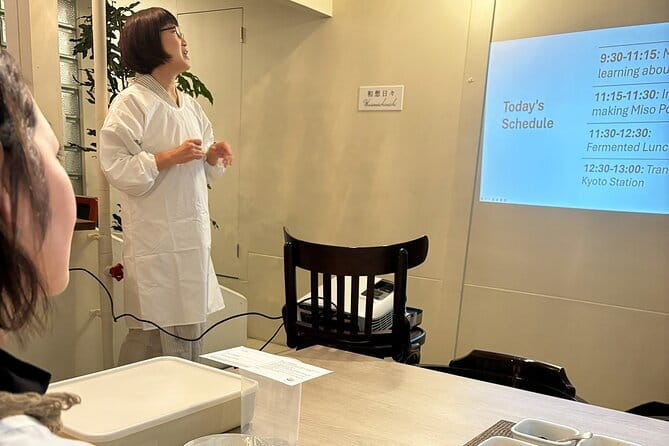
A key part of the experience is the instructor’s role. You’re guided by a miso expert who explains the history and the secrets of making miso, and why fermentation matters in modern Japanese eating.
One name showed up in prior participant notes: Miyuki Toko. When Miyuki is the instructor, you can expect patient, practical teaching—plus an emphasis on why fermentation still matters today, not just as a tradition but as something connected to everyday diet.
Even if your instructor isn’t Miyuki, the structure is the same: you’ll get both cultural context and hands-on technique. That balance is important. Miso making can sound either too technical or too vague. A good instructor keeps it grounded, so you walk away understanding what you did and why it works.
Hands-On Shiro Miso Making: What You’ll Actually Do
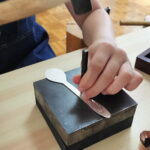
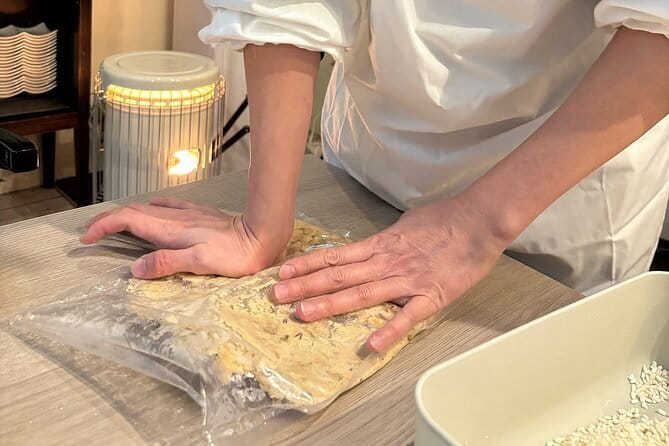
This is the core of the class: a hands-on experience making white miso from scratch. You learn the process, guided step by step, and you come away with your own miso as the result of your effort.
Since the class is described as hands-on, expect some real work. One participant described the process as quite physical, like you’re not just stirring a bowl—you’re doing the motions that matter for texture and handling. In practical terms, that means you’ll want sleeves that stay comfortable and a mindset that this is more active than a typical cooking demo.
What you’re learning isn’t just a recipe. You’re learning how to make white miso in a way that connects to how it’s used. That matters because miso isn’t only for soup. When you understand how it’s made, you’re more likely to use it confidently back home—especially in sauces, dressings, and gentle broths.
Potage Soup with White Miso: Turning a Paste into Comfort
After you’ve made your miso, the class shifts from making to cooking. You’ll cook and taste potage soup with white miso.
This part is smart for two reasons:
- Potage is forgiving. Even if you’re new to cooking with miso, it gives you a predictable result.
- White miso brings a different flavor profile than darker miso. If you’re used to salty, sharp miso in other forms, this is a chance to experience a softer, milder side.
You don’t need to be a soup person. The real point is to connect texture and taste. You made the paste; now you see how it behaves when heated and mixed into a creamy soup style.
If you’re deciding whether this class is worth it for food alone: the potage tasting is included, so you’re not waiting until the end for your reward.
You can also read our reviews of more tours and experiences in Kyoto


The Fermented Food Lunch: Eat, Then Reframe the Flavor
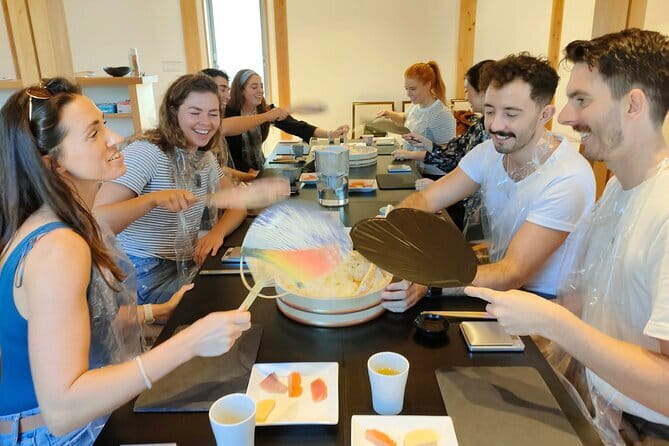
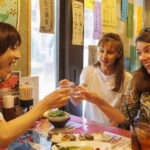
The workshop ends with a fermented-food lunch. The description says it’s designed to help “nourish your gut,” and the overall teaching tone supports that: you’re learning fermentation as something that shows up in real meals, not just laboratory conditions.
What’s included in the lunch isn’t detailed here beyond it being a fermented-food meal, but the goal is clear. You’ll taste fermented flavors as part of a full setting—something you can think about later when you’re planning meals at home.
This also makes the class feel complete. You spend time making miso, then using it in soup, then you eat fermented food as a final “taste the theme” moment. If you enjoy meals that have a little tang, depth, and salt balance, you’ll likely appreciate the logic of the pairing.
Price and Value Check: Is $120 a Good Deal?
At $120 per person for about 3 hours 40 minutes, this class isn’t a budget street snack. But it also isn’t just a viewing tour. You’re paying for:
- A limited group size (maximum of 6)
- A miso expert instructor
- The ingredients and guidance to make white miso
- A cooked component (potage soup) plus tasting
- A fermented-food lunch
- A full morning of structured learning
The biggest value question is the one most people miss: you can’t take the miso home due to customs regulations. That can feel like a downside if you were picturing leaving with jars to show off.
But it’s also part of why the learning matters. Since you can’t bring the finished miso, you should treat this as a technique and confidence builder. You’ll get the steps and practical understanding you can use later if you make miso yourself where regulations allow.
So I’d judge the price this way: if you want hands-on craft plus food, it’s a fair spend. If you only want the miso product, you’ll be happier with a normal food purchase instead.
Small Group Size: Why Max 6 Changes the Experience
A max group size of 6 travelers is more than a number. It often means:
- You get faster help if you get stuck on a step.
- The instructor can notice what you’re doing and correct gently.
- You’re less likely to feel rushed.
In cooking classes, that difference shows up quickly. If you’ve ever stood behind other people while the pace moves on, you know how frustrating that can be. Here, the limit helps keep the workshop feeling personal and calm.
And because the tour is mobile-ticketed and starts at a fixed time, it’s usually easier for the host to manage the group smoothly. That’s another quiet reason the experience can feel focused.
Miso You Can’t Take Home: How to Think About That
This is the one point you should plan around before you book. The experience notes that you won’t be able to take the miso home because of customs regulations.
That doesn’t mean the class is pointless. It means you should recalibrate your expectations:
- Think of the workshop as a skill you’re buying.
- Expect the reward to be sensory (making, cooking, tasting) and educational (how and why fermentation works).
- Accept that your “souvenir” is what you learned, not a jar in your suitcase.
If you’re traveling with luggage space anxiety, this actually helps. You don’t need to figure out how to pack fragile food safely. But yes, it changes the value equation versus a class that lets you leave with your final product.
Who Should Book This (and Who Might Skip It)
You’ll likely love this class if:
- You want hands-on cooking, not just watching.
- You enjoy fermentation flavors and want a clear way to understand them.
- You like learning through food: make it, cook it, eat it.
You might skip it if:
- You only care about taking home food. Since you can’t take the miso, the main outcome is knowledge and taste.
- You’re not interested in fermented foods or mild, white miso flavors.
It also fits well if you’re in Kyoto for a short time and want one activity that connects culture with practical kitchen technique in a morning block.
Quick Booking Tips for a Smooth Morning
Here’s how I’d set yourself up for an easier start:
- Arrive with a few minutes to spare at 和想日々 京都Japan (Kyoto Food & Lifestyle Research Institute, 1F back).
- Wear comfortable clothes for hands-on mixing.
- If it’s raining, be ready with a dry plan for your phone and ticket—this is a fixed meeting point, so you don’t want to fumble at the last second.
- Plan your afternoon meal timing around the lunch included. You’ll already be fed.
Also, because confirmation is within 48 hours, don’t assume you’re locked in until you get that confirmation. If your Kyoto schedule is tight, build in a little flexibility.
Should You Book Kyoto White Miso Cooking Class?
Book it if you want a small-group, morning-length workshop where fermentation becomes real. The mix of hands-on white miso making, a meal you cook with it (potage), and a fermented-food lunch makes the class feel productive from start to finish. The instruction from a miso expert—often including teachers like Miyuki Toko in prior sessions—adds context that helps the food make sense.
Skip it if you’re mainly chasing a take-home jar or you’re not excited about fermented flavors. The miso can’t be brought home, so this is a learning-first experience.
For many Kyoto schedules, this is a smart “one activity that pays off” choice: you leave understanding what white miso is, how it tastes in a real dish, and why fermentation has stayed relevant in Japanese cooking.
FAQ
What is the duration of the Kyoto white miso cooking class?
The experience lasts about 3 hours 40 minutes.
Where does the class meet in Kyoto?
It meets at 和想日々 京都Japan, Kyoto Food & Lifestyle Research Institute (京都食と暮らしの研究所) 1F back, address listed as 416, Higashitakeyachō, Nakagyo Ward, Kyoto.
What time does the class start?
The start time is 9:20 am.
What will I do during the class?
You will make white miso hands-on, then cook and taste potage soup with white miso, and enjoy a fermented food lunch.
Is lunch included?
Yes. A fermented food lunch is included as part of the experience.
What is the group size?
The tour has a maximum of 6 travelers.
Do I get to take miso home?
No. You will not be able to take the miso home due to customs regulations.
How much does the tour cost?
The price is $120.00 per person.
Is mobile ticketing used?
Yes, you’ll receive a mobile ticket.
What happens if the tour doesn’t meet the minimum number of participants?
The tour requires a minimum of 2 participants to operate. If it doesn’t reach that number, it will be canceled and you’ll be notified in advance with a full refund issued.