REVIEW · KYOTO
Kyoto Sake Brewery Tour
Book on GetYourGuide →Operated by Arigato Travel KK · Bookable on GetYourGuide
Sake tastes better with a map. In Kyoto’s Fushimi district, this tasting flight-style tour mixes guided pours with lunch pairings and clear stories about how style and ingredients shape the glass. One thing to watch: on holidays, some breweries or museums may be closed, so you could lose part of the planned context or behind-the-scenes learning.
This is a 3-hour small-group format (limited to 6), paced for people who want to actually taste and compare, not just rush photo stops. English is handled by a local guide, and in earlier groups guides such as Hiroe and Akari have been singled out for making the day easy to follow.
In This Review
- Key things you’ll notice on this Kyoto sake tour
- Fushimi in 3 hours: why this area works for a sake day
- Your walk-and-taste flow: what happens during the 3 hours
- Sake tasting that actually teaches you how to taste
- Lunch pairings: the secret ingredient in this tour
- Breweries and museums: what you can expect, and the season reality
- Shopping time: bring home something you’ll actually drink
- Price and value: is $177 fair for 3 hours?
- Getting there: finding the meeting point in Fushimi
- Who should book this tour, and who should skip it
- Quick practical expectations before you go
- Should you book this Kyoto sake brewery tour?
- FAQ
- How long is the Kyoto Sake Brewery Tour?
- What’s included in the price?
- Is hotel pickup and drop-off included?
- Where is the meeting point?
- How do I get there by train?
- What age rules apply for this tour?
- Can you see the actual sake brewing process?
- What do I need to bring?
Key things you’ll notice on this Kyoto sake tour
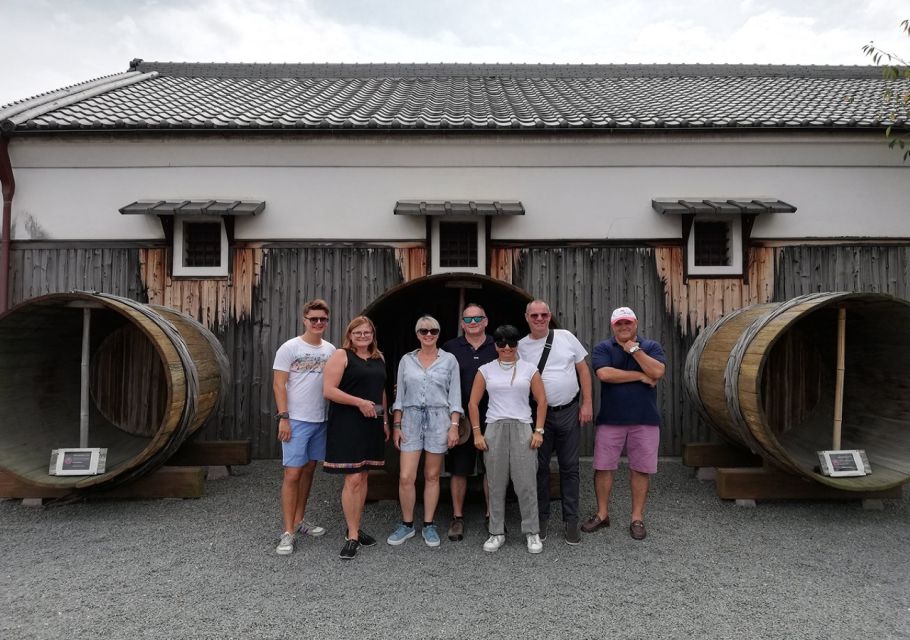
- Fushimi’s sake identity up close: you’ll walk through Kyoto’s oldest sake-growing region and its fermenting-rice atmosphere
- A structured tasting sequence: you sample multiple styles—crisp, luscious, and aromatic—so you can learn what to look for on your palate
- Food pairings that change the way you taste: lunch is included and designed to complement what you’re drinking
- Learnings that explain taste, even if brewing rooms are closed: laws and sanitation mean you typically won’t see the actual brewing areas
- Small-group pace with shopping time: you get time to ask questions, compare notes, and pick up bottles if you want
Fushimi in 3 hours: why this area works for a sake day
Fushimi is one of Japan’s most famous sake districts, and it’s famous for a reason. Even before you start tasting, the neighborhood itself helps you understand the culture: this is where generations of brewers built reputations, and where the craft is still part of daily life. The tour leans into that setting, with time to wander between traditional corners and modern tasting spots.
The big win here is structure. A lot of people come to Kyoto thinking they’ll just try a random bottle at a bar. This tour teaches you how to compare: how sweetness, acidity, and umami show up in different sakes, and why two bottles that look similar can taste totally different when you put them in order.
That also explains the main limitation. Because of safety rules and brewing regulations, you won’t see the actual brewing process in the rooms where it happens. You’ll still get insight through displays, explanations, and examples, but if your dream is watching technicians work the mash or steaming steps, you should temper expectations.
You can also read our reviews of more food & drink experiences in Kyoto

Your walk-and-taste flow: what happens during the 3 hours
The tour is designed like a tasting curriculum you can walk through. You start in Fushimi, then move between breweries or related venues, with built-in pauses so you can eat and reset your palate.
Here’s how the pacing generally feels:
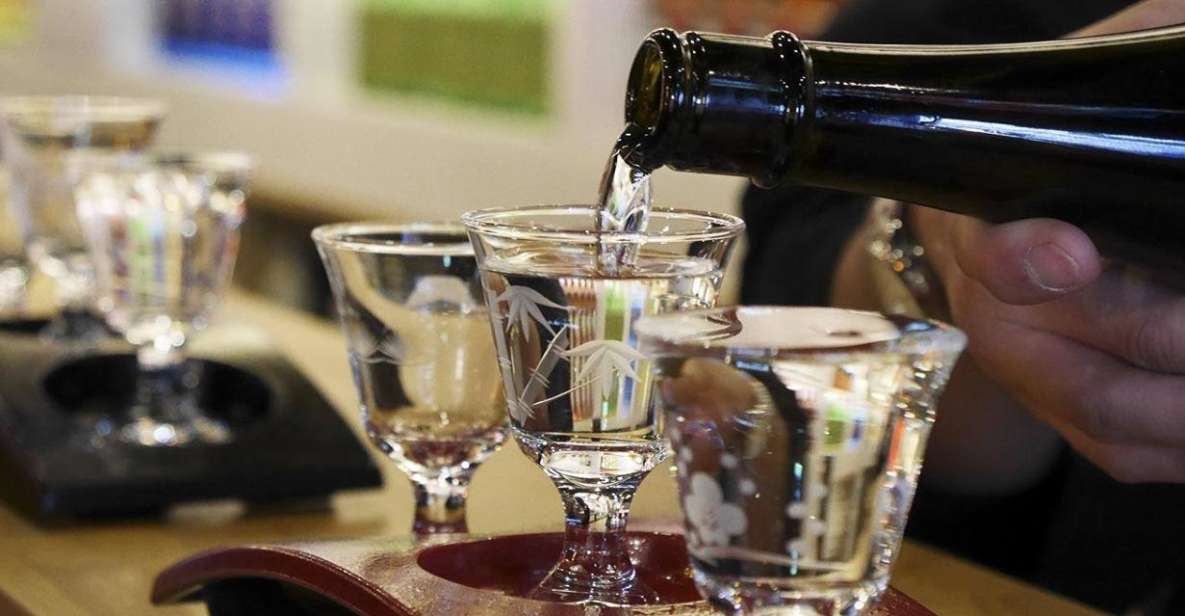
First, you begin with guided orientation in the Fushimi district and then head into tasting locations. You’ll taste several sake styles and hear the stories behind them—sometimes focused on seasonality and what brewers aim for at that time of year. This is where the guide’s job matters most: they help you connect what you’re smelling and tasting to specific brewing choices (within the limits of what they can show).
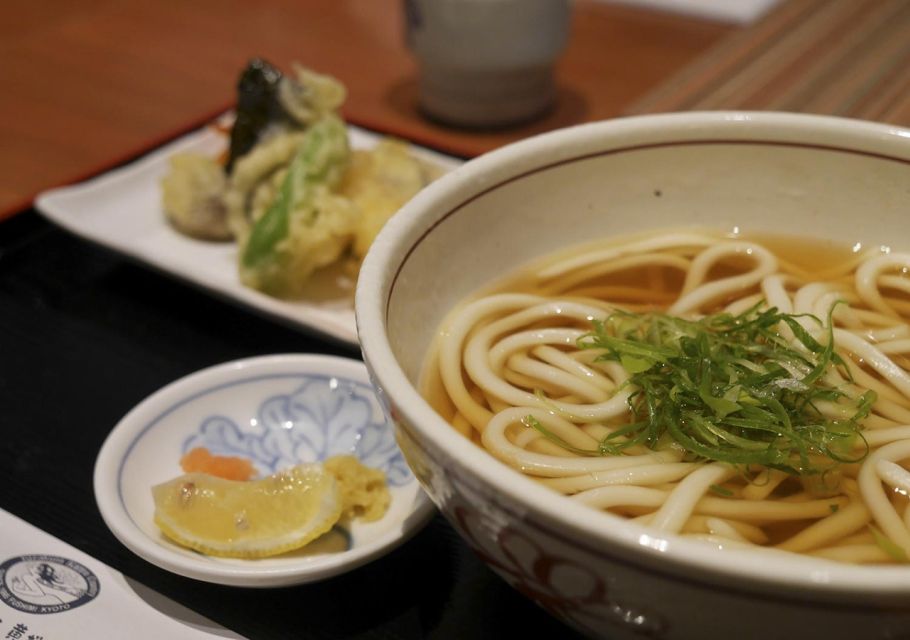
Next comes lunch, included, in a local restaurant setting. This is not an afterthought. The food is chosen to match what you’ve been tasting, so you can notice how umami and fat in the meal interact with the alcohol, acidity, and texture of different sakes.
After lunch, the day continues with more tastings and conversation, plus shopping time. That shopping block is useful because it turns the tasting into a practical souvenir decision: you’re more likely to buy something that makes sense for your tastes, instead of grabbing a bottle just because it has a fancy label.
One practical note: the exact venues can vary. On a holiday period, you may find that some planned stops feel different than expected—like museums or facilities being closed—so the “story layer” can be lighter than on a regular weekday.
Sake tasting that actually teaches you how to taste
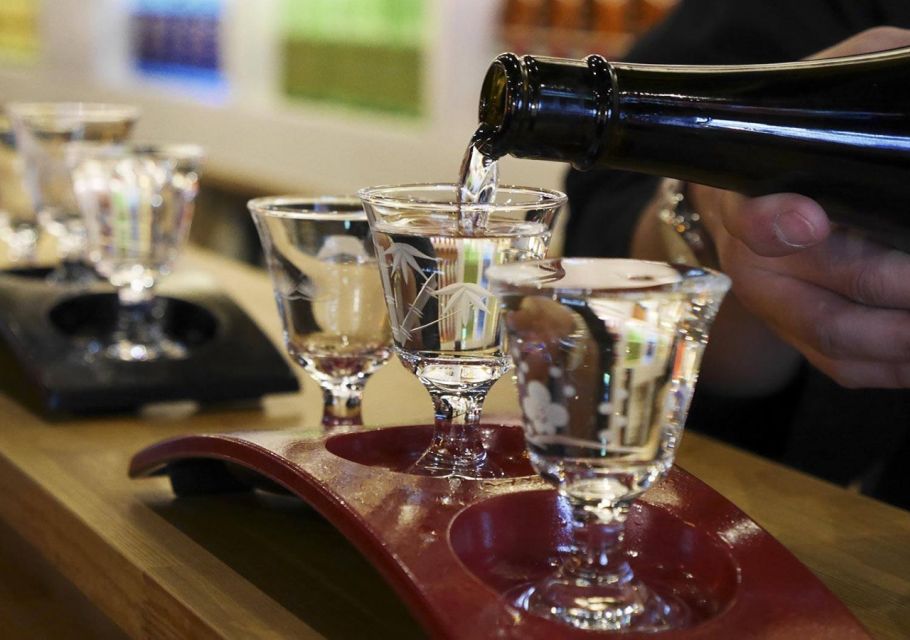
The tour’s core is tasting multiple sake styles. You’re not just doing random sips. You’re sampling a range that’s meant to train your senses: crisp vs. luscious, and aromatic vs. more understated profiles.
What’s especially useful is that you’re guided to listen for specifics:
- Crisp sakes often read as clean and lighter, with acidity that keeps the sip moving.
- Lush styles tend to feel rounder and richer, where sweetness can come forward.
- Aromatic ones are where smell does a lot of the work, and the guide helps you notice how rice character and brewing choices show up.
You’ll also pick up the idea that tasting is partly order. When you start with one style and then compare against another, your palate gets a reference point. That makes it easier to understand why a sake you didn’t love at first can suddenly click when it’s paired correctly.
This is also where guides matter. In earlier groups, guides like Hiroe and Akari were praised for clear explanations tied to what people were tasting. That kind of live translation turns a tasting session into a learning experience, not just a drinking event.
Lunch pairings: the secret ingredient in this tour
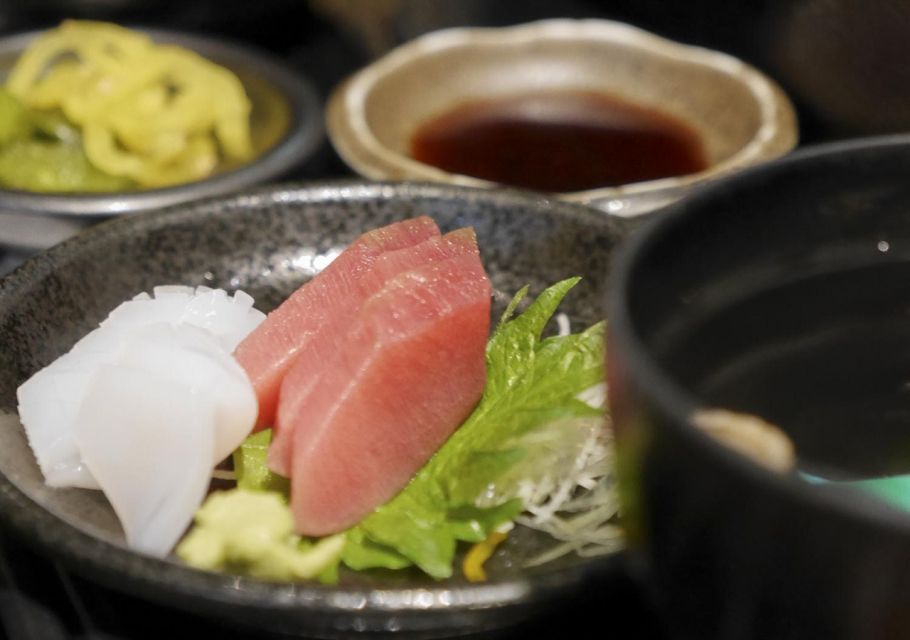
I love that lunch is included and treated as part of the tasting plan. A sake tour can be a blur if you don’t eat in the right way. Here, the meal is designed to pair with the sakes you’re trying, so the food helps you understand flavor structure instead of masking it.
Even if you’re not a foodie, you’ll likely notice the same pattern: different dishes emphasize different parts of the sake—sometimes sharpening acidity, sometimes softening alcohol heat, and sometimes bringing out umami in a way that makes the sake feel smoother.
Also, because the tour lasts about 3 hours, you don’t get stuck eating a late, confusing meal. You eat while the comparisons are still fresh in your mind.
The included lunch is in a local restaurant, so you’re not just feeding people between tastings. It’s a chance to experience Kyoto’s everyday food atmosphere in a way that connects directly to what you’re drinking.
Breweries and museums: what you can expect, and the season reality
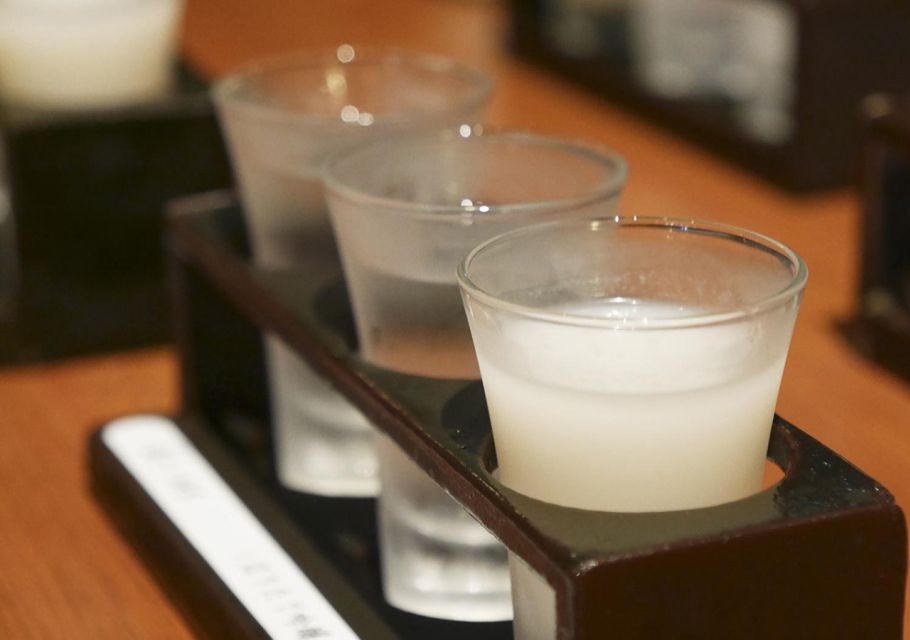
This tour is built to include visits to multiple breweries and tasting venues in Fushimi, including both more traditional and more contemporary places. You’ll get stories about sake craftsmanship and the balance between art and science in brewing.
But here’s the reality check that can make or break your expectations: the actual brewing areas usually aren’t shown. The tour explicitly states that brewing process areas are closed for sanitation and safety reasons, and you’ll learn through other methods like displays and expert talk instead.
That matters because some people expect a full “factory tour” experience. You might still get plenty of insight, but it’s more about learning the why and what than watching the hands-on work.
Season and timing can also change what you see. For example, one earlier experience noted that factories and museums were closed around the end-of-December holiday period, which reduced the amount of brewing or history context. If you’re traveling around major holidays, plan for the possibility that the experience becomes more tasting-focused than story-heavy.
You can also read our reviews of more drinking tours in Kyoto

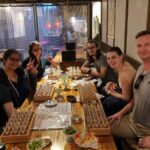
Shopping time: bring home something you’ll actually drink
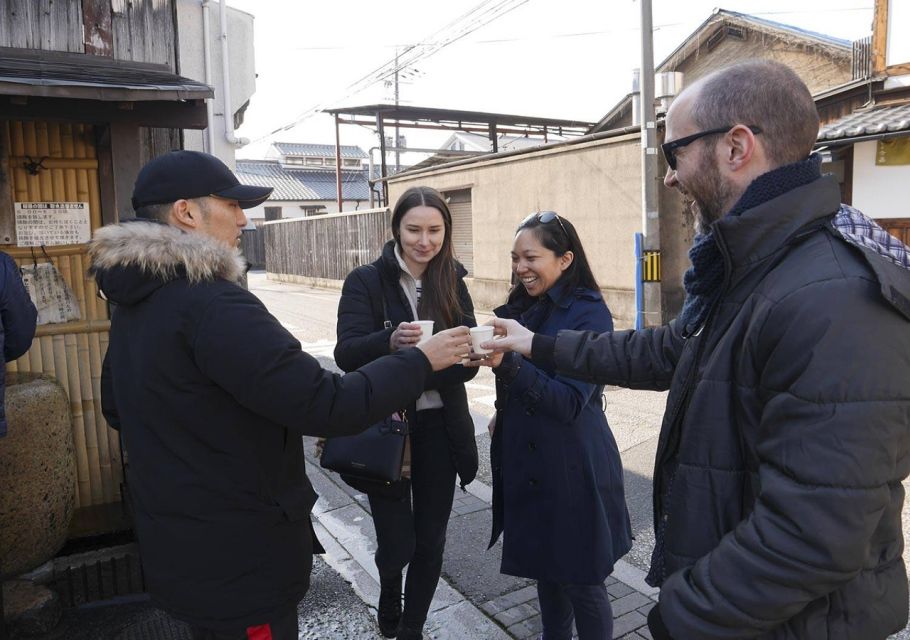
Most sake tours include some shopping, but this one gives you time for it after the key tastings. That timing helps. You’re not buying blind. You can choose based on what you liked during the tasting sequence.
If you’re new to sake, think of shopping time as a chance to convert learning into a practical take-home. Pick a style you clearly enjoyed—crisp, lush, or aromatic—and then you’ll have a bottle that matches your new taste vocabulary.
Because the tour is limited to 6 participants, you also have a better shot at asking questions about what to buy. That’s a small detail, but it can prevent the classic souvenir mistake.
Price and value: is $177 fair for 3 hours?
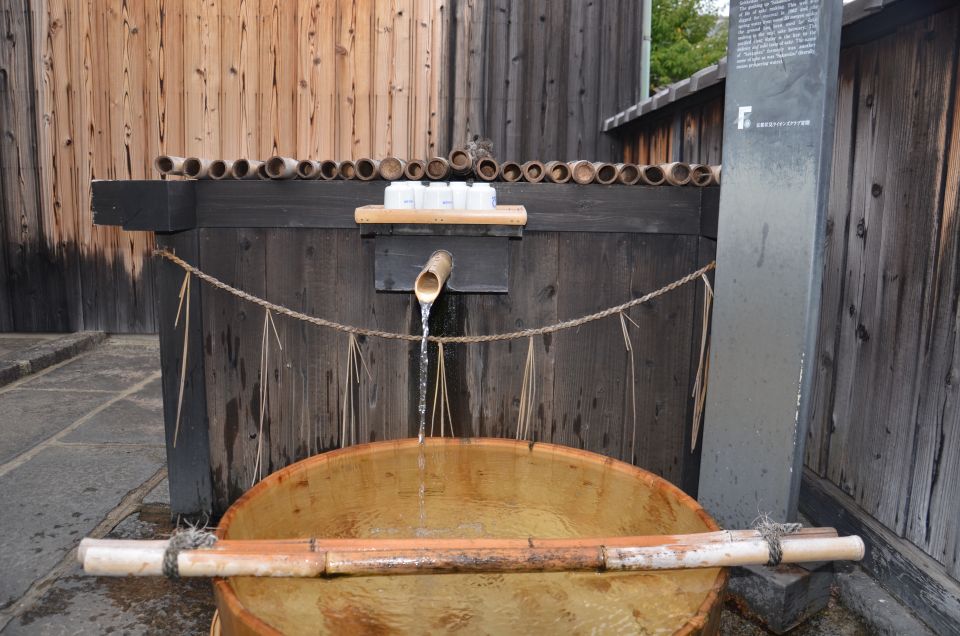
At $177 per person for a 3-hour tour, you’re paying for more than drinks. You’re paying for:
- Several sake tastings included
- A local English-speaking guide
- Included lunch with food pairings
- Access to multiple tasting venues in Fushimi
- Small-group pacing (max 6 participants)
- Shopping time
If you tried to do this yourself, you’d likely spend time coordinating trains, picking spots, ordering tasting sets, and figuring out what to compare first. The tour removes that planning load and gives you a structured sequence with explanations that connect the dots between flavors and brewing choices.
That said, the “value” depends on your expectations. If you mainly want to see the brewing process in action, you’ll likely feel the price isn’t justified because the tour can’t show the actual brewing areas. And if you’re unlucky with closures at your travel dates, the story side may shrink.
For most people who want guided tasting plus pairings, the pricing feels reasonable for a focused 3-hour experience in a top sake district.
Getting there: finding the meeting point in Fushimi
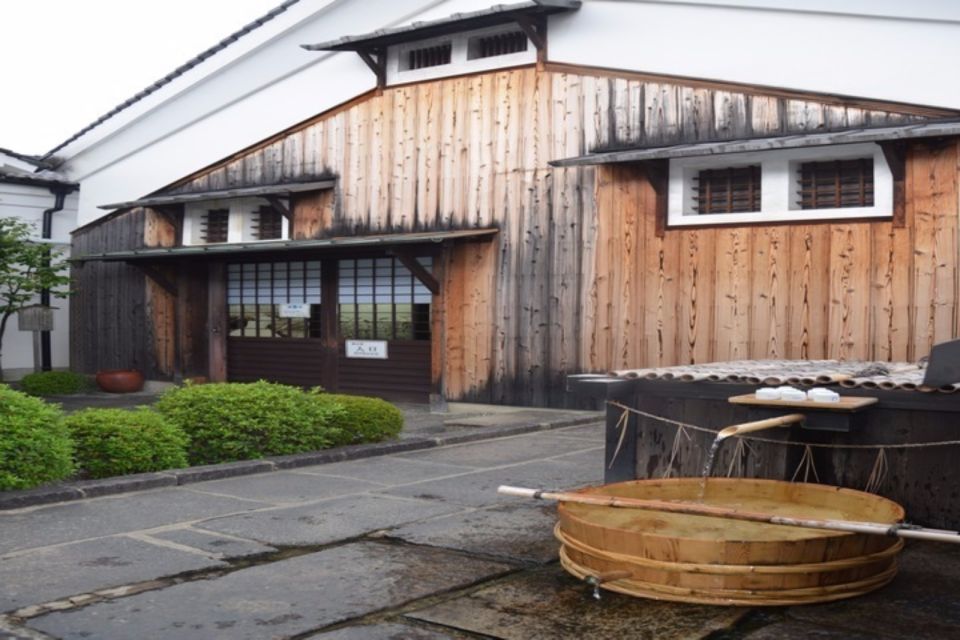
Meeting is at the front of the SoftBank shop at:
4-291-1 Ryogaemachi, Fushimi-ku, Kyoto-shi, Kyoto-fu, 612-8082.
You have two train options mentioned:
- Keihan Train Line: get off at Fushimi Momoyama Station
- Kintetsu Line: get off at Momoyama Goriyo Station
From a practical standpoint, I’d pick the line that’s easiest from your Kyoto hotel, then give yourself a little extra walk time to stay relaxed. This tour starts on schedule, and with tasting and lunch in the mix, you don’t want to arrive flustered.
Also, bring your documentation. The tour lists passport requirements, and it notes that a passport copy is required for children aged 10 and older.
Who should book this tour, and who should skip it
This is a great fit if you:
- Want a guided intro to sake styles, not just random sips
- Like food pairings and learning how flavors interact
- Prefer small groups and clear English explanations
- Plan to stay in Kyoto long enough to make a short specialty tour worth your time
I’d consider skipping or adjusting expectations if you:
- Care most about seeing the actual brewing rooms and equipment (the tour states those areas are closed)
- Are visiting during holiday periods when venues may have reduced opening hours
- Want a flexible, self-paced tasting plan instead of a structured guided sequence
If you’re traveling with a foodie friend, this is the kind of activity that gives you conversation topics later while you compare what you liked and why.
Quick practical expectations before you go
A few rules matter here:
- The tour requires everyone in the group to be 20 years old or older
- The minimum drinking age is 21
- Unaccompanied minors aren’t allowed
- If you have dietary requirements, you need to advise the supplier when booking
- Additional drinks or food aren’t included, though you can purchase them at your own expense
The age rule is the big one. Even if you’re traveling with someone who can physically handle the pacing, the drinking policy controls what they can do during tastings. If you’re a mixed-age group, confirm details before booking.
Also, plan to be done afterward. One earlier comment said they ended the day well tired, so I’d avoid placing this tour right in front of a late, demanding schedule.
Should you book this Kyoto sake brewery tour?
Book it if you want a guided sake education in Kyoto’s top sake district, with tasting flights and lunch pairings that help you understand what you’re drinking. The small-group size, English guidance, and the structured tasting order make it easier to leave with real flavor knowledge, not just alcohol-soaked memories.
Skip it or go in with eyes open if your priority is seeing the hands-on brewing process. The tour won’t show brewing areas, and holiday closures can reduce access to certain museums or facilities. If you’re okay with learning through explanations and tasting, you’ll likely enjoy the experience a lot.
If you decide to go, show up on time at the SoftBank meeting point, eat a reasonable breakfast (lunch is included), and be ready to taste slowly. This tour works best when you let the guide’s comparison framework do its job.
FAQ
How long is the Kyoto Sake Brewery Tour?
The tour duration is 3 hours.
What’s included in the price?
Included are several sake tastings, a local lunch in a restaurant, shopping time, and a local English-speaking guide.
Is hotel pickup and drop-off included?
No. Hotel pickup and drop-off are not included.
Where is the meeting point?
Meet at the front of the SoftBank shop at 4-291-1 Ryogaemachi, Fushimi-ku, Kyoto-shi, Kyoto-fu, Japan 612-8082.
How do I get there by train?
You can use either the Keihan Train Line and get off at Fushimi Momoyama Station, or the Kintetsu Line and get off at Momoyama Goriyo Station.
What age rules apply for this tour?
All group members must be 20 years old or older. The minimum drinking age is 21.
Can you see the actual sake brewing process?
Not typically. Brewing areas are not shown due to sanitation and brewing laws in Japan, though you’ll get insider knowledge through displays and expert insights.
What do I need to bring?
Bring your passport. The tour also requires a passport copy for children aged 10 and older. Dietary requirements should be advised at the time of booking.