REVIEW · KYOTO
Kyoto: Uji Matcha Tea Museum Entry Ticket
Book on GetYourGuide →Operated by Chazuna · Bookable on GetYourGuide
Walk into tea science. This little Kyoto-area museum makes Uji matcha feel practical, not precious, with digital exhibits in the Uji Tea Room (Uji-cha no Ma) plus a History Room that uses big visual screens to explain how the town and river changed over time. I especially like how the museum teaches you in plain language, and how it pushes past just tasting and into how tea is made and why Uji tea matters.
I’m also a big fan of the format: you get interactive, touchable experiences and clear answers to real questions like the difference between Gyokuro and Sencha, plus the birth story behind Uji tea and what counts as a special way to make delicious tea. One small consideration: this is a museum entry ticket, not a guided tea workshop with tasting or pouring instructions spelled out for you in real time, so if you want a hands-on class with a teacher at your elbow, you may find it more self-paced than you expect.
In This Review
- Key things I’d circle before you go
- Kyoto Uji Matcha Tea Museum: small ticket, smart tea education
- Uji-cha no Ma (Uji Tea Room): your questions, answered in touchable ways
- How tea is made, in a way you can repeat later
- Gyokuro vs Sencha: you’ll have better instincts at the counter
- The special way to make delicious tea
- History Room: the 10-yen coin welcome and Uji’s changing river town
- Meisho-zue on a huge 4K screen
- What you’ll likely walk away understanding
- The tea-to-camera moment: the photo spot in the last corner
- How long should you plan for a 1-day ticket?
- Value check: is $3.87 really worth your time?
- Who should book this Uji matcha museum ticket?
- Should you book the Kyoto Uji Matcha Tea Museum Entry Ticket?
- FAQ
- How much does the Kyoto Uji Matcha Tea Museum ticket cost?
- What’s included with the ticket?
- How long is the experience?
- Is the museum wheelchair accessible?
- Can I choose a specific entry time?
- Can I cancel for a full refund?
Key things I’d circle before you go
- Uji Tea Room (Uji-cha no Ma) teaches production and purpose, with digital displays you can actually touch and try.
- Gyokuro vs Sencha gets explained simply, so you can tell what you’re ordering later.
- History Room opens with a big 10-yen coin and Byodoin Phoenix Hall imagery, then connects it to Uji’s river and town changes.
- A huge 4K HDTV screen shows Meisho-zue townscape drawings, making history feel immediate instead of dusty.
- The photo spot is built for pictures, and it’s in the last corner—meaning you’ll likely finish with a quick photo run.
Kyoto Uji Matcha Tea Museum: small ticket, smart tea education
At $3.87 per person for a 1-day museum entry, this ticket is good value if you like learning while you travel. You’re paying for access to two main parts of the museum—the Uji Tea Room and the History Room—plus the fun bonus of a dedicated photo spot. The time commitment is also friendly: the experience is set up as something you can fit into a day without stressing your schedule.
I like that the museum doesn’t treat tea as a mystery you’re supposed to either love or ignore. It answers questions you’ve probably wondered at cafés and shops: Where did this style come from? How is high-quality Uji tea produced? Why do different teas taste different? Even if you’re traveling with kids, the setup is built for broad appeal, from children to adults.
You can also read our reviews of more tours and experiences in Kyoto


Uji-cha no Ma (Uji Tea Room): your questions, answered in touchable ways
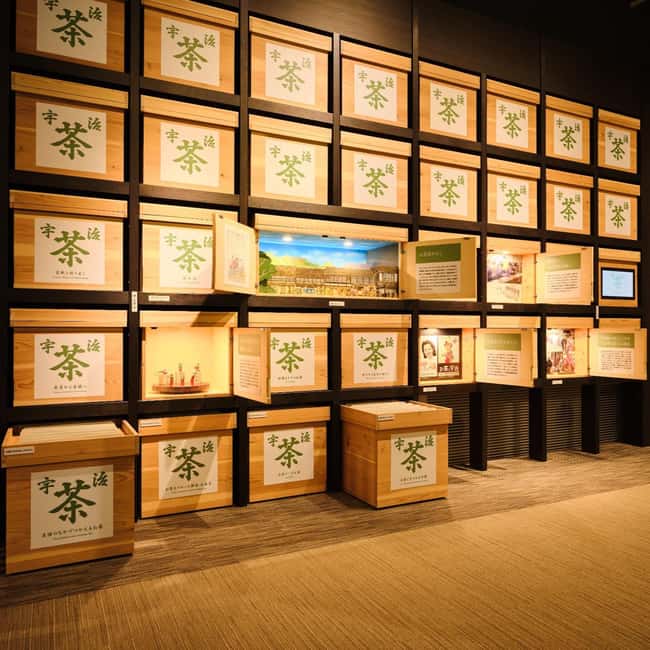
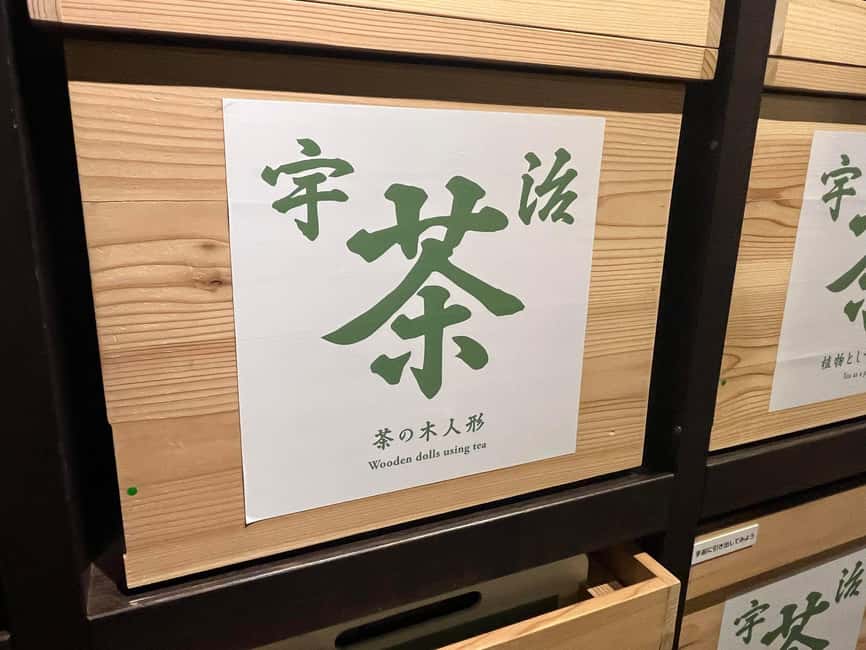
The Uji Tea Room is the core of the visit. Expect digital exhibitions that explain how tea is made, including the birth story behind Uji tea and the production methods that help Uji earn its reputation. The best part is that you’re not stuck just reading panels. You can touch and experience the tea as part of the displays, which turns the learning into something more physical and memorable.
Here’s what you should pay attention to while you’re moving through this space:
How tea is made, in a way you can repeat later
The museum frames tea production around key questions—how tea is made and what makes high-quality Uji tea different. That matters because once you understand the basic logic of tea production, tasting becomes less random. You start recognizing patterns.
When the exhibit guides you through the production side, you’ll likely notice how many parts of the process affect flavor and texture. Even if you don’t remember every detail afterward, the goal is simple: leave with a mental map you can use the next time you’re choosing a drink.
Gyokuro vs Sencha: you’ll have better instincts at the counter
One exhibit specifically tackles the difference between Gyokuro and Sencha. That’s an ideal topic for a museum like this because those are common names you’ll see again. Learning the distinction here helps you avoid the classic travel mistake: buying the most expensive option without understanding why.
You don’t need to become a tea expert today. You just need a starting point, and this room gives you the kind of basics that make your next choice feel informed.
The special way to make delicious tea
The Uji Tea Room also talks about the special way to make delicious tea. The wording here matters: the museum doesn’t promise one magic ritual for every cup. Instead, it points you toward the idea that good results come from method—steps, timing, and the right approach for the type of tea you’re using.
For you, that means the learning can carry forward. If you later buy tea to bring home, you’ll have a clearer sense of what “good results” should feel like, not just what it should cost.
You can also read our reviews of more museum experiences in Kyoto





History Room: the 10-yen coin welcome and Uji’s changing river town
After the tea-side education, the History Room gives you the context that helps everything click. It starts with a big 10-yen coin featuring the Byodoin Phoenix Hall. It’s a smart move because it anchors Uji in something recognizable, even if you’ve never studied Japanese art or local history before.
From there, the museum connects Uji and the Uji River to changes over time. Expect digital exhibitions that explain what the town went through and what kinds of history it holds. If you’ve ever felt that matcha tourism sometimes skips the “why this place” part, this room is your fix.
Meisho-zue on a huge 4K screen
One of the most impressive items in the History Room is a massive 4K HDTV digital screen showing townscape drawings called Meisho-zue. The key point isn’t just the tech (though it’s hard to ignore a screen that size). It’s what the museum does with the visuals: it uses drawings to show how the area looked and how the town’s identity ties to its geography.
For you, this can be the difference between visiting and understanding. Tea is grown and processed in real places, and those places change.
What you’ll likely walk away understanding
Even with a self-paced visit, this room encourages a simple takeaway: Uji isn’t just a name on a matcha label. It’s a town shaped by time, water, and local development. That context makes the tea story feel less like marketing and more like continuity.
The tea-to-camera moment: the photo spot in the last corner
Every museum has at least one “stop and pose” area, but this one leans into it. There’s a tea-themed photo spot in the last corner, and it’s set up to make taking pictures easy. That means you can spend your last moments wrapping up without rushing back through earlier rooms to find a shot.
For your photos, timing helps. If you leave this photo spot for the end, you’ll likely be in a better mood, and you’ll already have the tea visuals in your head. Your images will match the theme of what you just learned.
Also, it’s a practical tip: if you’re visiting with kids or a group with mixed interests, having a dedicated photo moment is an easy way to keep everyone engaged through the final stretch.
How long should you plan for a 1-day ticket?
The experience is designed as a 1-day museum visit, and the ticket validity is also described as valid for 1 day. That gives you a lot of flexibility. If you like to read carefully and spend time touching and trying what’s on display, you’ll appreciate having the whole day to work through the two main rooms.
If you’re short on time, don’t panic. The museum’s layout is clearly divided—Uji Tea Room first, then History Room, then the photo spot at the end. That makes it easier to “flow” rather than zigzag. You can pick your pace room by room and still feel like you saw the main points.
A smart approach for you:
- Prioritize the Uji Tea Room first if your goal is tea understanding.
- Spend extra time in the History Room if you like big visuals and place-based context.
- Save the photo spot for last so your visit ends on a fun, low-effort note.
Value check: is $3.87 really worth your time?
This ticket price is low enough that it removes the usual worry: you’re not overpaying for a quick photo stop or a couple of generic panels. At $3.87, you’re paying mainly for access to:
- Museum tickets for the main exhibit areas
- Digital tea education you can touch and experience
- History context tied to recognizable landmarks and local visuals
What makes the value feel real is the subject matter. Uji tea isn’t just “nice.” It’s a specific tradition with production methods and styles that you’ll keep running into across Japan. Learning the basics here can change how you shop and order afterward, especially once you know the Gyokuro vs Sencha idea.
So yes, I think this is a strong value play if you want education without a heavy time commitment.
Who should book this Uji matcha museum ticket?
This is a good fit if you:
- Want tea education that works for both adults and children
- Prefer self-paced learning with digital exhibits you can interact with
- Care about place and context, not just taste
- Enjoy practical distinctions (like Gyokuro vs Sencha) you can use right away
You might want to look elsewhere if you’re expecting a full cooking-style workshop or a guided tasting with step-by-step instruction. Based on what’s described, the museum experience is about exhibits—learning, touching, and seeing—rather than a teacher-led session that produces one finished tea drink in front of you.
Should you book the Kyoto Uji Matcha Tea Museum Entry Ticket?
I’d book it if you’re in the Kyoto/Uji area and want an easy, low-cost way to understand Uji tea beyond the souvenir shelf. The combination of Uji Tea Room education, History Room context, and a built-in photo stop makes it feel complete even in a short day.
If you’re on a tight budget or you like learning through interactive displays, this ticket checks the boxes. And if your group includes kids, this is one of those rare stops where they’re likely to stay interested because the exhibits are explained in a way that doesn’t assume prior tea knowledge.
FAQ
How much does the Kyoto Uji Matcha Tea Museum ticket cost?
The price is listed as $3.87 per person.
What’s included with the ticket?
Your ticket includes museum admission (museum tickets).
How long is the experience?
The experience is described as 1 day.
Is the museum wheelchair accessible?
Yes, it is listed as wheelchair accessible.
Can I choose a specific entry time?
It’s valid for 1 day, and you check availability to see starting times.
Can I cancel for a full refund?
Yes. Free cancellation is available up to 24 hours in advance for a full refund.