REVIEW · KYOTO
Skip the lines Basic Ticket at SAMURAI NINJA MUSEUM KYOTO
Book on Viator →Operated by Maikoya · Bookable on Viator
Samurai and ninja in one hour. That’s the pitch—and it’s a good one. You’ll get a small-group guided walkthrough at the Samurai Ninja Museum Kyoto, then do the fun parts up close: samurai armor trials and a ninja star throw with a real moment to pose and take photos.
My favorite two parts are the way the guide turns feudal Japan into understandable stories (not a lecture), and the photo-friendly hands-on section where you’re holding gear and doing the throwing, not just watching. One thing to consider: the museum experience is short and the space can feel tight, so if you want a big, quiet, artifact-heavy museum day, this may feel more like a lively introduction than a deep collection.
If you’re traveling with family, this can be a win. Kids (with an adult) and first-timers often like the mix of costumes, weapons, and quick explanations. If you’re sensitive to crowds or heat, plan for it—some visitors noted limited comfort like no air-conditioning in the rooms.
In This Review
- Key highlights worth your attention
- A one-hour crash course in Kyoto samurai and ninja life
- Skip-the-lines basics and meeting your guide in central Kyoto
- Feudal Japan context: what the guide explains before you try gear
- Samurai armor and katana moments you can actually wear
- Ninja star throwing competition and the photo ops that follow
- Museum size reality check: small rooms, quick pace, real trade-offs
- Best for families, first-timers, and sword-and-star fans
- Value at $28.52: what’s included and what you bring to the experience
- Practical tips so you enjoy every minute
- Should you book the Skip-the-Lines Basic Ticket?
- FAQ
- How long does the guided tour take?
- What does the tour cost?
- Do I get a mobile ticket?
- Is transportation to and from the museum included?
- What’s included in the price?
- How large is the group?
- Is it suitable for children?
- Is the venue accessible by elevator?
- What is the cancellation policy?
- Is the activity dependent on weather?
Key highlights worth your attention
- Skip-the-line ticket format for a smoother start at the museum
- Small-group guide with energetic commentary on samurai and ninja culture
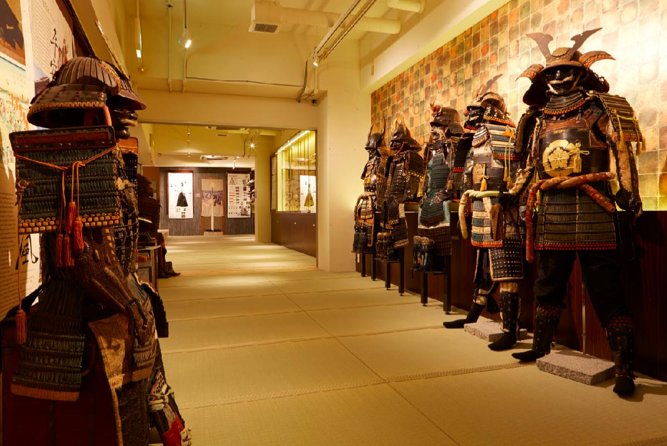
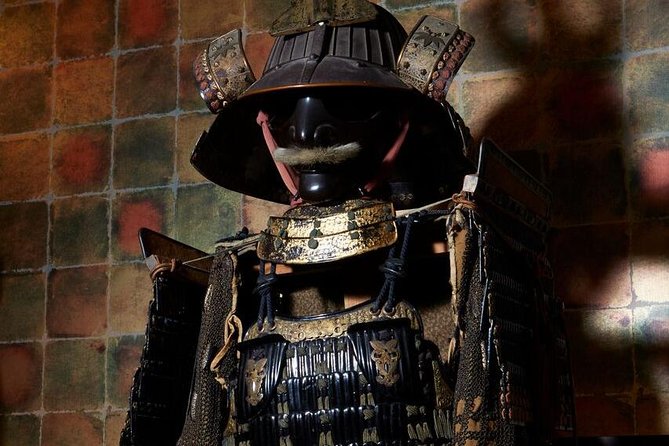
- Samurai costume and armor trial plus optional sword handling for photos
- Ninja star (shuriken) throw competition for a hands-on finale
- Central Kyoto location near public transportation so you can fit it into a busy day
A one-hour crash course in Kyoto samurai and ninja life
This is a fast, fun format: about 1 hour of guided time at the Samurai Ninja Museum Kyoto, with a structured flow that keeps you from wandering aimlessly. You’re not signing up for a silent museum where you can read every label slowly. You’re signing up for a guided story plus interactive activities.
The best value here is that the tour mixes three things that don’t always come together: context, props, and participation. You’ll hear about samurai and ninjas—how they fit into Japan’s feudal system and what their roles meant—then you’ll try on armor and handle replica swords. The explanation makes the hands-on time more satisfying, because you’re not just wearing gear; you’re learning what it represents.
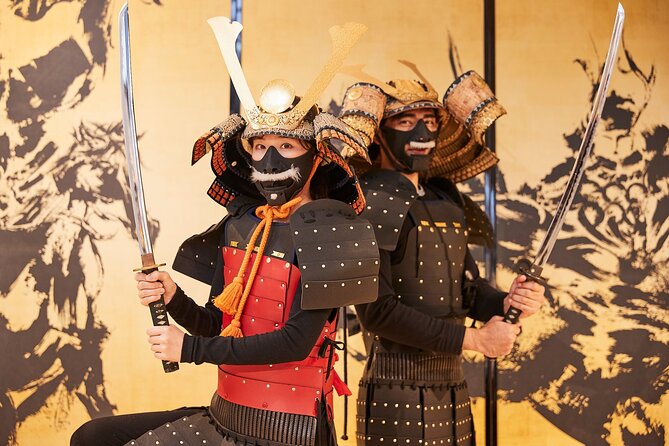
You also get photo opportunities built into the experience. Traditional swords, costumes, and a backdrop setup are part of the experience rhythm. If you like souvenirs that look like you were in a movie, this is the kind of place that delivers.
You can also read our reviews of more tours and experiences in Kyoto


Skip-the-lines basics and meeting your guide in central Kyoto
You make your own way to the museum in central Kyoto, which matters because you don’t have to budget time for hotel pickups. The meeting point is at the Samurai Ninja Museum Kyoto (listed with an experience provider name), and you’ll meet your guide and small group on arrival.
The ticket is mobile, so you’ll want your phone charged before you start looking for the entrance. That sounds obvious, but in a place located in a shopping arcade-style area, last-minute battery panic is a real travel problem.
Two practical notes from the experience info that can affect your plan:
- Elevator out-of-service period: January 24, 2026 – February 19, 2026. If stairs are hard for you, plan around dates—or be ready for a climb.
- Activities may change due to the coronavirus situation. The core theme stays the same, but the exact flow can shift.
The “skip-the-lines” angle is mostly about reducing waiting and getting you into the guided section on time. In a small venue, that can make the experience feel smoother and less stressful.
Feudal Japan context: what the guide explains before you try gear
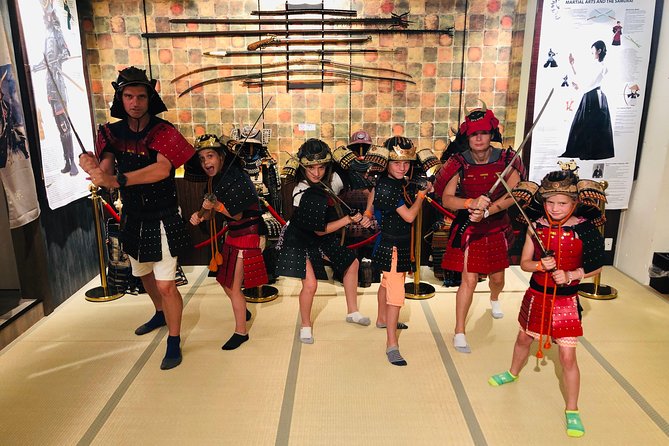
The tour’s learning style is very “starter kit.” You’ll get commentary about samurai culture and ninja life, with enough historical grounding to make the weapons and outfits make sense. Think of it like a guided primer that helps you read Japanese history with better context later—especially if you’re pairing this with temple visits and castle ruins across Kyoto.
This is also where guide quality shows up fast. The experience info and feedback emphasize that guides keep things clear and energetic. Names that come up in guide praise include Naromi, Raito, Saku, Jasmine, and Nobu. You can’t control which guide you get, but you can control your mindset: show up ready to ask questions and treat the tour like an interactive story.
What I like about this approach is that it respects your time. You don’t have to commit to hours of museum reading to understand the big idea: samurai were shaped by a feudal power system, and ninja are often remembered through legend and tactics that grew out of a complicated world.
Samurai armor and katana moments you can actually wear
Here’s the main “hands-on” section: you’ll try a samurai costume and, during the armor trial, you can put on armor and handle a sword for photos. A katana experience is described as optional, but the intent is clear—this isn’t just costume-wearing from a distance.
Why this is worth your money: costume + context + timing. The guide’s explanation comes first, and then you get to experience what it feels like to be “equipped” for the role. Even if you know nothing about samurai history, you’ll understand the silhouette and presence these armors created.
Photo-wise, you’ll have chances to pose with replica swords and in costume. Many visitors like that the swords and gear are real enough to feel authentic, while still being safe and manageable for tourists.
One consideration: some visitors reported that certain costume items or props felt worn or that the hands-on portion was rushed when space was crowded. That doesn’t mean it’s always like that, but it’s a good reminder to avoid expecting “museum-grade restoration” at a rapid, interactive stop.
Ninja star throwing competition and the photo ops that follow

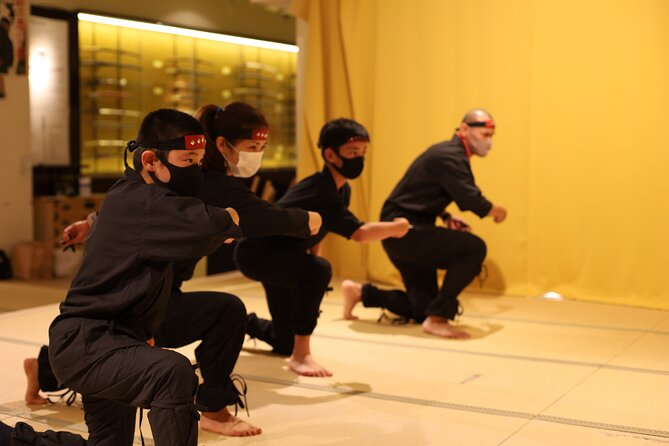
Then comes the fun ending: the ninja star throw competition. You’ll practice throwing shuriken-style replicas and join a quick competition moment. It’s the kind of activity that turns history into something you can do with your hands, not just something you “know.”
This section also naturally creates your best photos. People relax more once they’re focused on aiming. If you’re traveling with family, this is often the part that gets the biggest smiles, since it’s active and has a playful edge.
A useful expectation-setting detail: activities can vary slightly and, if the venue is crowded, the flow can feel quicker. Some visitors complained about too much crowding and limited time. If you’re sensitive to that, choose a time slot that isn’t peak family hour.
You can also read our reviews of more museum experiences in Kyoto





Museum size reality check: small rooms, quick pace, real trade-offs
Let’s talk size, because it affects whether you’ll love this or shrug and move on.
This museum experience is generally described as small and quick—about 1 to 1.5 hours for the overall visit. It’s split across two levels and set into a shopping arcade-style layout. That’s handy for busy Kyoto days, but it does mean you shouldn’t expect a huge, independent self-guided museum marathon.
The experience includes preserved artifacts up close, but the core impact comes from interaction—armor trials, sword handling, and shuriken throwing—plus a guided story. If your ideal museum day is “read everything at your own pace,” you might find this format too structured and too fast.
Also, some visitors mentioned comfort issues like no air-conditioning in the rooms. In Kyoto summer heat, that’s not a small detail. Plan to bring water, and consider time of day if you’re visiting in hot months.
Crowds can be the other trade-off. The experience is small-group, but there are conflicting capacity notes: one part of the info says a maximum of 30 travelers, and another note says a maximum of 15 travelers. Either way, it’s capped and guided—but if you end up in a session with a lot of people, the space can feel tight.
Finally, because this is a hands-on, interactive attraction, you should expect a bit of bustle. If you want quiet reflection, look for a different museum-style stop.
Best for families, first-timers, and sword-and-star fans
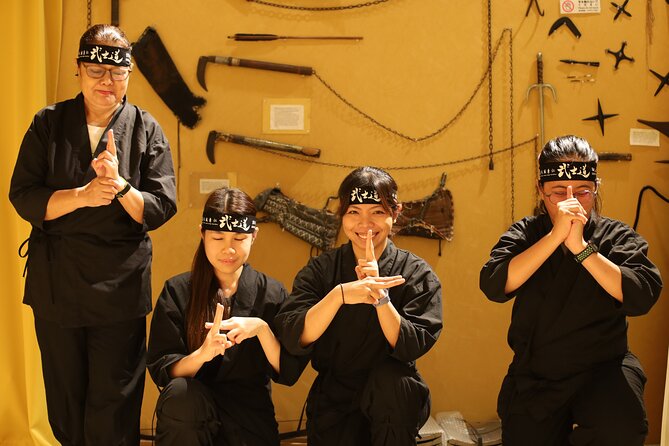
This tour tends to fit three types of visitors especially well:
- Families with kids who enjoy dressing up and trying activities. Reviews include mentions of children loving the ninja star throwing and armor dress-up, even for younger ages (with the requirement that kids are accompanied by an adult).
- First-timers in Kyoto who want an easy way to connect samurai and ninja themes to the rest of your day.
- People who like interactive history—you want the fun part, not just the facts.
If you’re a hardcore history nerd who wants deep academic detail or a huge artifact collection, you might leave wanting more museum time. In that case, treat it as your “primer stop,” then add a deeper history site later.
If you’re worried it’s only kid-focused entertainment, pay attention to the tour’s stated goal: it explains samurai culture and feudal system context. You’ll still do the games, but the guide’s job is to connect the activities back to historical meaning.
Value at $28.52: what’s included and what you bring to the experience
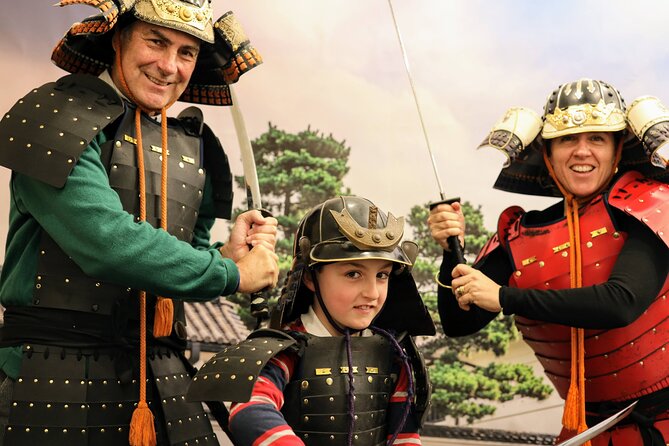
At $28.52 per person, you’re paying for more than admission. The experience includes a professional guide, samurai costume, the ninja star throw competition, and an admission ticket. In a one-hour format, that “what’s included” list matters because it’s not just entry into a museum space—you’re buying guided structure and participation.
You also save time. Skip-the-line is a small word, but in practice it can be the difference between enjoying your day and feeling rushed before you even start. Since the total time is short, every minute counts.
What you bring to the experience affects value a lot. If you’re happy to participate and take photos, it feels worth it fast. If you mainly want to browse and read, you might feel like you paid for a guided activity rather than a big self-paced museum.
Practical tips so you enjoy every minute
Here’s how I’d plan this tour so it stays fun and doesn’t turn into a scramble:
- Arrive a little early. The tour timing is tight, and the museum is in a compact setting. Early arrival helps you find the entrance and settle before the group starts.
- Wear comfortable shoes. The space is described as split over levels, so you may do some stairs.
- Charge your phone for the mobile ticket. If your battery is low, you’ll lose the convenience part.
- Bring water. Some rooms are described as not air-conditioned.
- Go in with a “do the activities” mindset. Wearing the armor and throwing the star are the point of the experience.
If you’re visiting during winter travel dates that overlap January 24, 2026 – February 19, 2026, consider whether the elevator being out of service matters for your mobility needs.
Also note that the experience requires good weather. If it’s canceled due to poor weather, you’ll be offered a different date or a full refund.
Should you book the Skip-the-Lines Basic Ticket?
Book it if you want a short, guided, hands-on introduction to samurai and ninja culture in central Kyoto. This is a good value when you like interactive history and you’re okay with a compact venue and a guided pace.
Skip it or rethink if your goal is a large, quiet museum experience with lots of time to study artifacts at length. This one runs fast, and the most memorable parts are the armor trial and shuriken throw—so be sure that’s what you’re after.
If you’re planning a full Kyoto day, this fits well as a structured activity that doesn’t eat half your schedule. You’ll leave with photos, a few clear historical takeaways, and the kind of stories that are easy to share at dinner.
FAQ
How long does the guided tour take?
The experience runs for about 1 hour.
What does the tour cost?
The price is $28.52 per person.
Do I get a mobile ticket?
Yes, you’ll have a mobile ticket.
Is transportation to and from the museum included?
No. Transportation isn’t included.
What’s included in the price?
It includes a professional guide, a samurai costume, a ninja star throw competition, and admission ticket.
How large is the group?
The info states a maximum of 30 travelers, and it also notes a maximum of 15 travelers for the activity. Either way, it’s kept small.
Is it suitable for children?
Children must be accompanied by an adult. Most travelers can participate.
Is the venue accessible by elevator?
There’s a specified elevator out-of-service period: January 24, 2026 – February 19, 2026.
What is the cancellation policy?
You can cancel for a full refund up to 24 hours in advance. If canceled due to poor weather, you’ll be offered a different date or a full refund.
Is the activity dependent on weather?
Yes, the experience requires good weather.