REVIEW · KYOTO
Guide tour of Japanese bathing culture at Funaoka Onsen
Book on Viator →Operated by Authentic Public Bathing Wellness Experience in Kyoto · Bookable on Viator
A real onsen lesson beats guesswork. This tour combines history with practical bathing etiquette before you soak, plus you visit Funaoka Onsen—a Kyoto bathhouse loved by locals.
I also like the warm-up stop at Sarasa Nishijin, a cafe that used to be a public bathhouse, so you start with context instead of confusion. It’s short, structured, and easy to fit between other Kyoto sights.
One thing to consider: bathing is nude, and it’s separated by gender. If you’re planning this with someone you usually want to stay close to, you may be split.
In This Review
- Key Points You’ll Care About
- Why Funaoka Onsen Feels Like the Real Thing in Kyoto
- Sarasa Nishijin: The Former Public Bathhouse Cafe
- Funaoka Onsen’s Pre-Soak Lesson (Yes, It’s the Best Part)
- Nude Bathing and Gender Separation: What You Need to Know Before Booking
- What You Learn About Bathing Culture (Beyond Just the Steps)
- Group Size, Timing, and How It Fits Your Day
- Price and Value: Is $45.72 Worth It?
- Who This Tour Suits (And Who Might Want to Skip It)
- A Few Practical Tips So You Go In Ready
- Should You Book This Japanese Bathing Culture Tour in Kyoto?
- FAQ
- How long is the Japanese bathing culture tour?
- Where does the tour start?
- Where does the tour end?
- How much does the tour cost?
- What’s included in the ticket price?
- Do I get a mobile ticket?
- Is this tour a small group?
- Is bathing nude, and is it gender-separated?
- Who should avoid the tour due to health reasons?
- Is the guide fluent in English?
Key Points You’ll Care About
- Sarasa Nishijin is a former bathhouse turned cafe, so the explanation happens in the same kind of building you’re learning about
- You get taught before you enter Funaoka Onsen, which makes the rules feel doable instead of awkward
- Small group size (up to 5) keeps the experience calm and manageable
- Tickets are included for both stops, and you’ll use a mobile ticket
- Plan around nude bathing and gender segregation, including potential separation for couples
Why Funaoka Onsen Feels Like the Real Thing in Kyoto
Kyoto has plenty of eye-catching stops. But bathing culture is different. It’s not a performance for visitors—it’s daily life, tradition, and body mechanics disguised as relaxation.
That’s why this tour works. You don’t just show up, look around, and hope you guess the rules correctly. You get instruction first, then you try. When you understand what people are doing (and why), the whole onsen experience shifts from “I’m worried I’ll do it wrong” to “ah, this makes sense.”
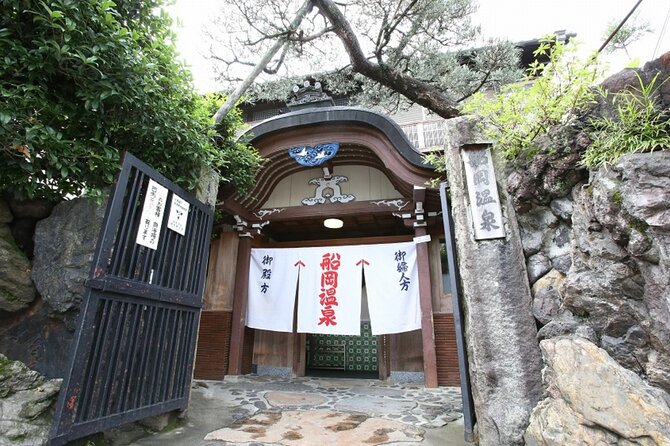
The vibe here is also local. Funaoka Onsen is described as a bathhouse Kyoto residents have loved for generations, and the tour is built around that idea of fitting in. Even the meeting point is right at the onsen (82-1 Murasakino Minamifunaokachō, Kita Ward), so you’re not scattered around town trying to piece together directions.
You can also read our reviews of more guided tours in Kyoto
Sarasa Nishijin: The Former Public Bathhouse Cafe
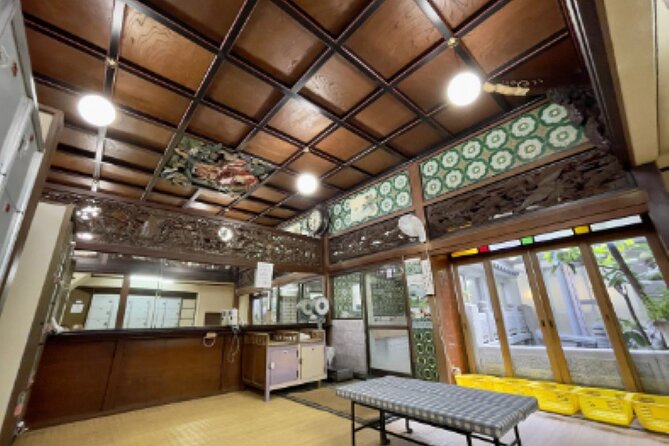
Your first stop is Sarasa Nishijin, a cafe renovated from a public bathhouse. In just about 15 minutes, you’ll grab a drink and learn how Japanese public baths work—plus the meaning behind the ritual of bathing.
This is more than “nice decor.” Starting in a former bath setting helps your brain switch gears. You can see how public bathing spaces are designed for the flow of people, and the stories land better because you’re standing in the physical context.
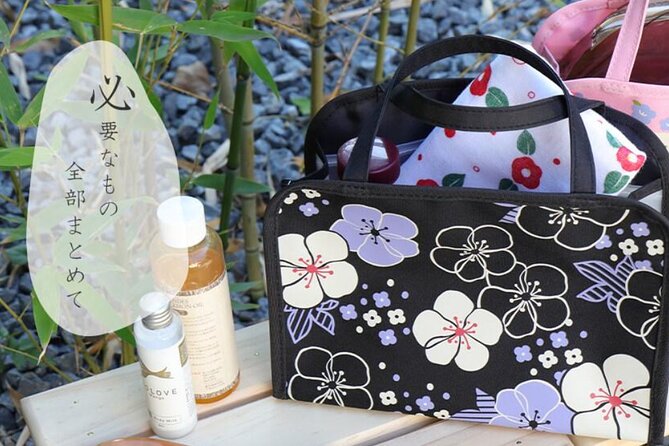
A big practical plus: this is where you’re set up with a take-home guide to proper techniques. That matters if you’re traveling fast and you don’t want to rely on memory later. It also helps if your brain goes blank once you’re standing in a real bathing area.
Funaoka Onsen’s Pre-Soak Lesson (Yes, It’s the Best Part)
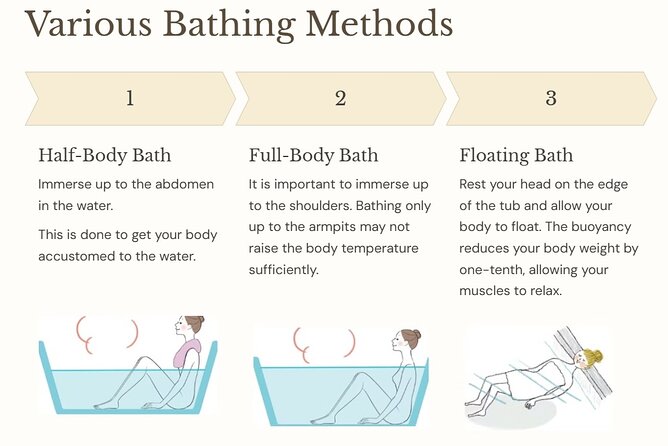
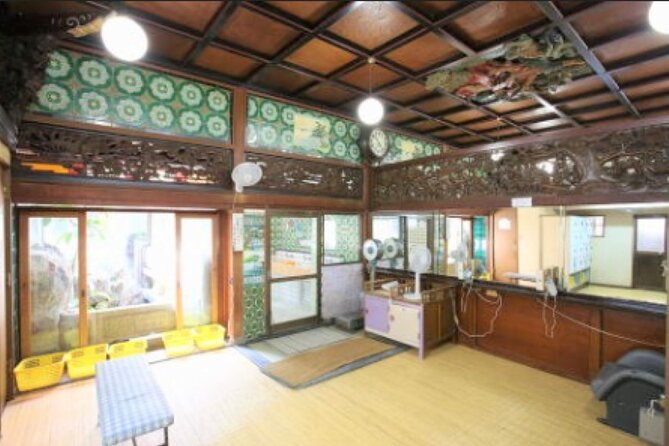
The second stop is Funaoka Onsen, where the schedule turns from explanation into actual practice. Before you enter, the guide gives a lecture using materials to explain unique bathing methods. Then you try the bathing method yourself.
That sequence is the key. Onsen etiquette can feel oddly specific—like there’s a secret rulebook somewhere. Here, you’re not expected to figure it out in real time. You’re taught first, and that makes the soaking stage genuinely relaxing.
Also, the guide is there throughout the process. In the feedback, people specifically praised having the background info and steps, and feeling calmer because the guide stayed with them and helped correct the anxiety of getting it wrong.
The guide for this experience is local, Japanese, and not very strong in English. That can be a real factor for you. If you’re comfortable with basics and you don’t need a deep back-and-forth conversation, it won’t stop the tour. The instruction is still the focus.
Nude Bathing and Gender Separation: What You Need to Know Before Booking
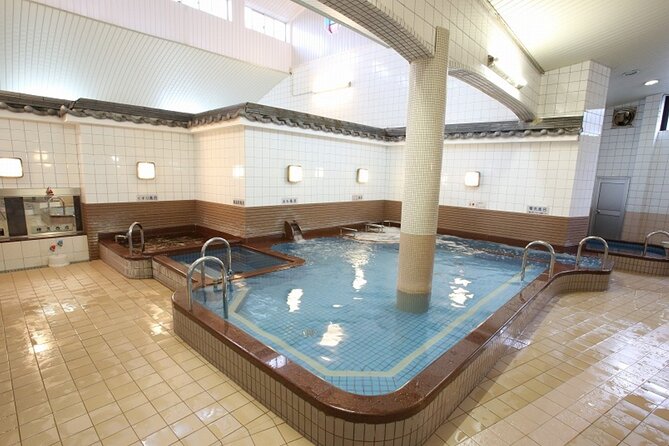
Let’s be clear. This isn’t a mixed-gender, swimsuit-friendly experience. The onsen requires nude bathing, and bathing areas are segregated by gender.
One review point that’s worth taking seriously: couples may be separated. So if you’re booking with a partner hoping to share the bathing side-by-side, plan for a more traditional setup where you’re apart during the bathing portion.
If that sounds uncomfortable, you have two options:
1) Decide it’s still worth it for the cultural experience and the chance to learn the etiquette properly, or
2) Skip this specific tour and look for a different style of wellness experience that matches your comfort level.
If you’re okay with the rules, though, the structure becomes a plus. You’re not juggling uncertainty. You follow the steps, soak, and let your body do the work.
What You Learn About Bathing Culture (Beyond Just the Steps)
This tour treats bathing like a cultural ritual, not just a hot soak. You’ll learn the etiquette and health benefits, plus the dos and don’ts that keep the experience respectful and safe.
The reason this matters: in Japan, bathing etiquette connects to the idea that everyone shares the space, the water, and the time. When you follow the right flow, you’re not just being polite—you’re helping the entire system work.
Also, this tour emphasizes both meaning and technique. Starting at Sarasa Nishijin, then moving to Funaoka Onsen, gives you a chain: history and purpose first, then practice in an active bathhouse environment.
You can also read our reviews of more tours and experiences in Kyoto
Group Size, Timing, and How It Fits Your Day
This is built for a short, focused window: about 1 hour 30 minutes total. The first stop is roughly 15 minutes at Sarasa Nishijin, then you spend about 1 hour at Funaoka Onsen.
The tour runs with a maximum of 5 travelers, so it doesn’t feel crowded or rushed. For an activity with rules (and nudity), small groups are a big deal. You’ll generally find it easier to follow instructions and move at the right pace when there are only a few people around.
It’s also near public transportation, so you don’t need a long taxi or complicated transfers. And the experience ends back at the meeting point, which makes planning your next stop simpler.
Price and Value: Is $45.72 Worth It?
At $45.72 per person, this isn’t the cheapest add-on in Kyoto—but it’s also not overpriced for what you get.
Here’s the value math as I see it:
- You get admission tickets included for both stops
- You get a guided pre-instruction lesson before entering the bath
- You visit two different bathing-related places, one educational (Sarasa Nishijin) and one operational (Funaoka Onsen)
- The group is capped at 5, so you’re not lost in a big crowd
For me, the best part isn’t the “hot water.” It’s having someone help you do the ritual correctly so you can actually relax. That coaching has a real payoff—especially if it’s your first onsen or if you’re the kind of person who worries about messing up small rules.
Who This Tour Suits (And Who Might Want to Skip It)
This tour is a strong match if you want:
- A real culture lesson, not just photos at a famous site
- Wellness and mindfulness built into actual local practice
- A calm, small-group experience where instruction is part of the package
It’s also a good pick if you’re traveling alone. The bathing portion can feel intimidating, and the structure here is designed to reduce that fear. The guide support and the pre-lecture steps help a lot.
You should skip it if you have contraindications for hot springs mentioned by the tour:
- Severe heart or lung diseases
- Recent gastrointestinal bleeding
- Advanced malignant tumors
- Severe anemia
- Fever or feeling unwell on the day
- Alcohol consumption
If a doctor advises against participation, the guidance is to not join. That’s not “a nice suggestion.” For hot baths, it’s the rule.
If you have basic mobility concerns, the tour says most travelers can participate, but it doesn’t spell out anything specific beyond that. If you’re worried, you’ll want to think about how you’ll handle any steps and bathroom transitions inside a bathhouse setting.
A Few Practical Tips So You Go In Ready
Even with instruction, being prepared makes the experience smoother:
- Arrive a little early so you can get oriented at Funaoka Onsen calmly.
- Mentally accept the nude bathing and gender segregation before you get there—this prevents stress from building up at the last minute.
- Since the guide’s English is limited, don’t count on lots of long explanations in your language. Instead, focus on following the step-by-step guidance you’re given.
- Use the take-home guide from the first stop to refresh the technique after the tour.
One small piece of humor helps too: onsen rules are easier when you stop trying to be perfect and just follow the sequence you’re taught. You’re not performing. You’re participating.
Should You Book This Japanese Bathing Culture Tour in Kyoto?
If you want an authentic, practical slice of Japanese everyday wellness, this is a very solid choice. The combination of Sarasa Nishijin’s bathhouse-in-cafe setting and the chance to practice at Funaoka Onsen makes it feel like learning and doing, not just watching.
Book it if:
- You’re curious about bathing etiquette and want the rules explained
- You’re comfortable with nude bathing and the gender-separated setup
- You like small groups and guided structure
Skip it if:
- The nude bathing format or the possibility of separation for couples would make you uncomfortable
- You’re dealing with health conditions that the tour warns against
- You need a highly polished English-language experience (the guide is local and not very strong in English)
If you fit the first group, you’ll probably walk away with something more useful than a souvenir: a way to understand and respect onsen culture the next time you see a bathhouse door.
FAQ
How long is the Japanese bathing culture tour?
It runs about 1 hour 30 minutes total, with around 15 minutes at Sarasa Nishijin and about 1 hour at Funaoka Onsen.
Where does the tour start?
The meeting point is at Funaoka Onsen, 82-1 Murasakino Minamifunaokachō, Kita Ward, Kyoto, 603-8225, Japan.
Where does the tour end?
The tour ends back at the meeting point (Funaoka Onsen).
How much does the tour cost?
The price is listed as $45.72 per person.
What’s included in the ticket price?
Admission tickets are included for both stops: Sarasa Nishijin and Funaoka Onsen.
Do I get a mobile ticket?
Yes. The tour provides a mobile ticket.
Is this tour a small group?
Yes, it has a maximum of 5 travelers.
Is bathing nude, and is it gender-separated?
Yes. Nude bathing is required, and bathing is separated by gender.
Who should avoid the tour due to health reasons?
The tour lists contraindications such as severe heart or lung diseases, recent gastrointestinal bleeding, advanced malignant tumors, or severe anemia. It also says to avoid joining if you have a fever or feel unwell, or if you have consumed alcohol.
Is the guide fluent in English?
The guide is local Japanese and is not very good at English, so you should expect limited English support.
![[Kyoto Street Shot] Recording every wonderful moment of travel with shutter (free kimono experience) - Meeting Spot and the Real Timing: When to Arrive](https://l.discoveringkyoto.com/wp-content/uploads/kyoto-street-shot-recording-every-wonderful-moment-of-travel-with-shutter-free-kimono-experience-400x267.jpg)