REVIEW · KYOTO
Kyoto Geisha District Walking Tour in Gion
Book on Viator →Operated by Japan Wonder Travel · Bookable on Viator
Gion clicks when someone explains it. This 2-hour walk in Kyoto’s Gion area pairs live commentary with a 10-person max, so you’re not wandering narrow lanes with a guess-and-check plan.
You’ll get a guided route that connects the mood of the district to what you’re seeing, from sacred sites to the classic wooden streets people picture when they hear Gion.
I especially like the way the tour builds in photo opportunities that feel natural, not forced. Think Shinto atmosphere at Yasaka Shrine, quiet corners around Tatsumi Bridge, and a calmer water-side break at Gion Shirakawa.
One consideration: it’s a walking tour that can include stair steps, and it runs rain or shine, so bring comfortable shoes and be realistic about walking pace.
In This Review
- Key Things That Make This Gion Walk Worth It
- Starting in Gion Without Getting Stuck in the Chaos
- Yasaka Shrine: A Calm, Sacred First Scene in the Gion Area
- Gion Street Time: Lantern Lanes, Wooden Houses, and Cultural Context
- Tatsumi Daimyojin and Tatsumi Bridge: Short Stops That Feel Like a Movie
- Gion Shirakawa Canal: A Tranquil Waterway Break for Your Photos
- Hanamikoji Street: The Famous Main Drag Where the District Shows Off
- Gion Corner: A Practical Culture Primer in the Middle of the Walk
- How the $29.85 Price Really Works for You
- Guides Matter: What You Can Learn From the Best-Named Tour Experiences
- A Few Real-World Tips Before You Go
- Should You Book This Gion Geisha District Walking Tour?
- FAQ
- How long is the Kyoto Geisha District Walking Tour in Gion?
- What does it cost?
- Is the group size limited?
- Is the ticket mobile?
- Where is the meeting point?
- Do I need to pay admission at the stops?
- Does the tour run in bad weather?
- Is it suitable for people with mobility needs?
- Can children join?
- Will I definitely see a geisha?
- Is hotel pickup or drop-off included?
Key Things That Make This Gion Walk Worth It
- Up to 10 people means you can actually hear your guide and keep up
- Commentary on geisha/geiko culture helps the district make sense fast
- Yasaka Shrine + lantern streets give you big Kyoto visuals without the scramble
- Tatsumi Bridge and Shirakawa Canal deliver the quiet, postcard corners
- Chance to spot geiko or maiko (not guaranteed) keeps your eyes open
- Free shrine stops help your money go toward guiding, not admissions
Starting in Gion Without Getting Stuck in the Chaos
This tour is built for people who want to see Gion, but also want the meaning behind what they’re seeing. You start and finish at Gion Kōbu Kaburenjō (Gionmachi Minamigawa, Higashiyama Ward), and a guide leads the group so you’re not doing trial-and-error navigation.
The group size stays small—capped at 10—so the walk feels more like a guided stroll than a cattle-herd circuit. That small setup matters in Gion, where even a short detour can turn into a standstill if everyone crowds the same lane.
It’s also a mobile-ticket experience, which is one less thing to worry about once you’re in Kyoto. And because it’s rain or shine, you’re planning around a 2-hour walk, not around “maybe the weather will cooperate.”
You can also read our reviews of more walking tours in Kyoto
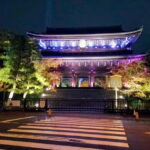

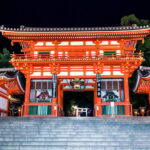
Yasaka Shrine: A Calm, Sacred First Scene in the Gion Area
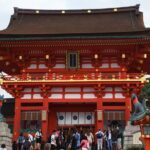
You begin at Yasaka Shrine, one of the best-known Shinto shrines in this part of Kyoto. You’ll have about 40 minutes there, and entry is free, so you can slow down and look at the lanterns, architecture, and the overall atmosphere.
What I like about starting with Yasaka is that it sets the tone. Before you chase the famous streets, you get a sense of why this neighborhood has always been more than just scenery—it’s tied to ritual, belief, and community life.
Photo-wise, Yasaka is a gift: lanterns and shrine details give you shots that don’t rely on staging. The only “drawback” is timing—if you want specific angles, you may need to wait a minute while people pass through, especially later in the day.
Gion Street Time: Lantern Lanes, Wooden Houses, and Cultural Context
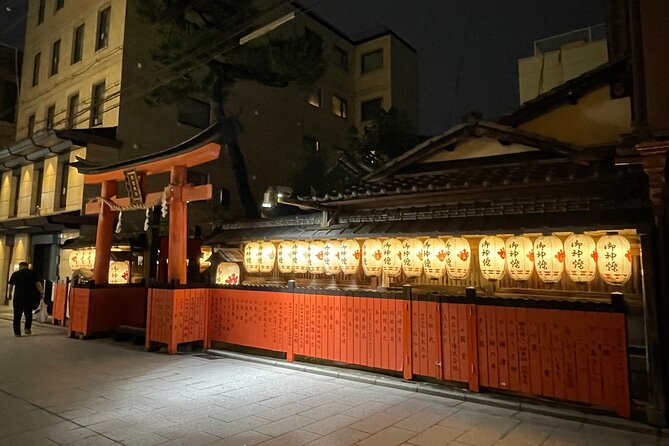
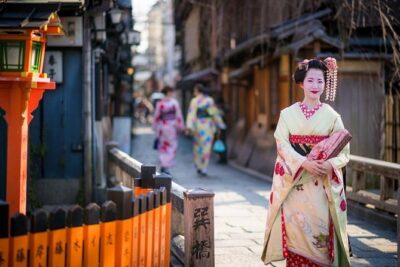
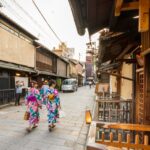
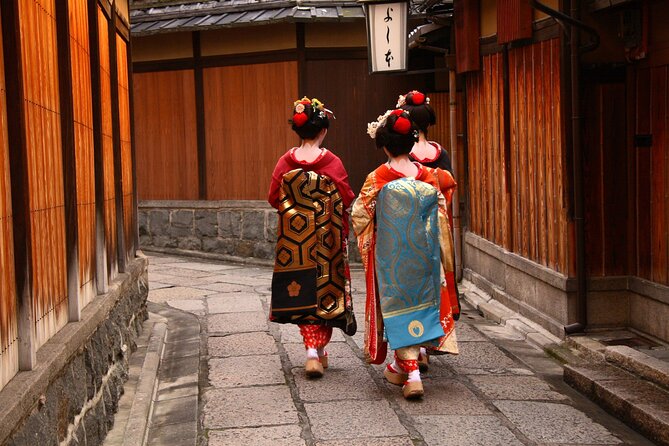
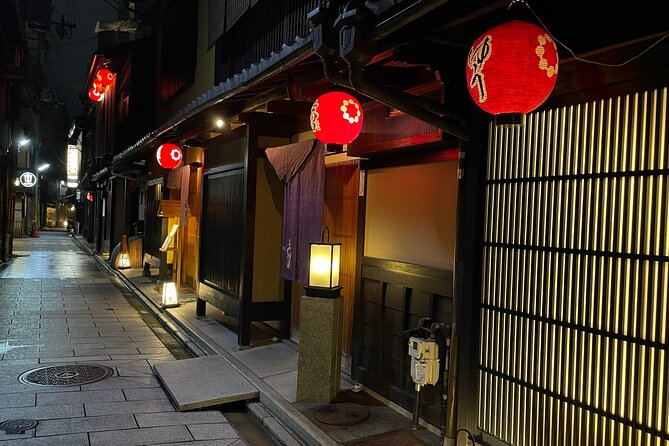
After Yasaka, the walk brings you into Gion, the district most people associate with geisha culture. You’ll spend about 20 minutes here, focusing on the look of Gion—traditional wooden houses, narrow streets, and that slightly mysterious vibe as the lights change.
Your guide’s commentary is the real value at this stage. The point isn’t just to point at buildings; it’s to explain how geisha traditions relate to the district’s layout and culture, so you understand what you’re looking at instead of treating it like a theme park.
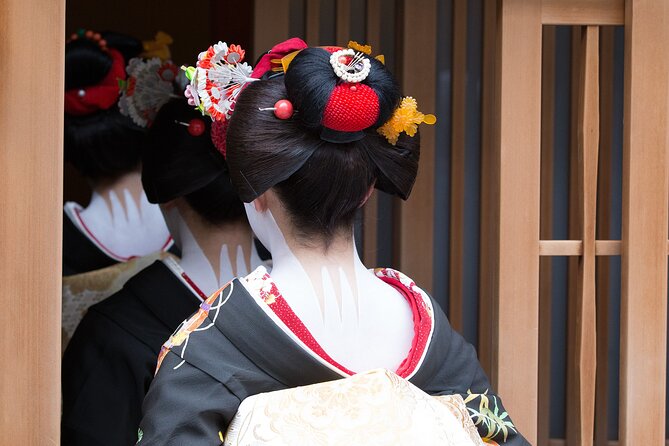
This is also where a “lucky moment” can happen. The tour notes that you may spot a geisha during your walk, and several guide-name mentions highlight that people sometimes catch geiko or maiko moving between engagements. You should not bank your evening on a sighting, but your eyes will stay open.
Tatsumi Daimyojin and Tatsumi Bridge: Short Stops That Feel Like a Movie
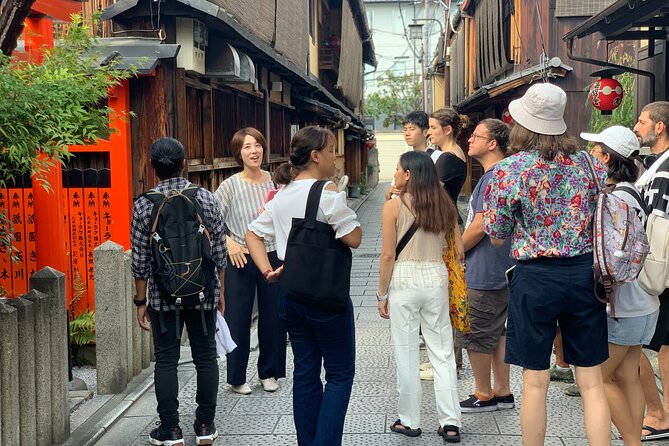
One of the fun things about this route is the mix of major landmarks and tiny, specific corners. Tatsumi Daimyojin Shrine is a quick stop (about 5 minutes), but it adds context because it’s dedicated to protection, good fortune, and safety—especially for travelers.
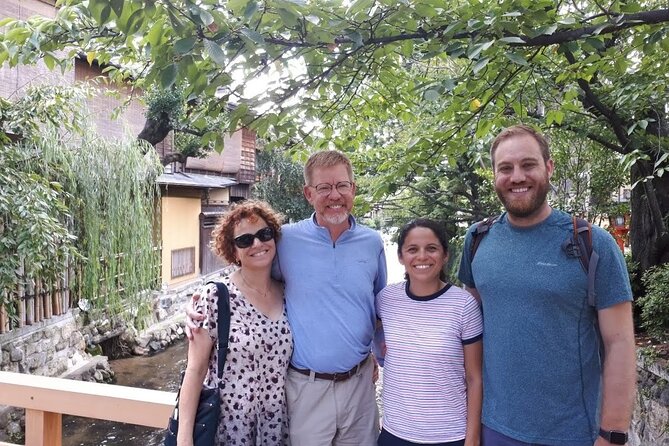
Then you head to Tatsumi Bridge, which is only around 10 minutes but can deliver the most “Kyoto in one frame” feeling. It’s a small traditional bridge tucked into a corner of Gion, surrounded by charming wooden machiya houses, and the area often feels like you stepped into a quieter scene.
If you care about photos, this is where you’ll want to pause. You’re not just shooting a pretty structure—you’re capturing a specific slice of the neighborhood’s everyday look.
Gion Shirakawa Canal: A Tranquil Waterway Break for Your Photos
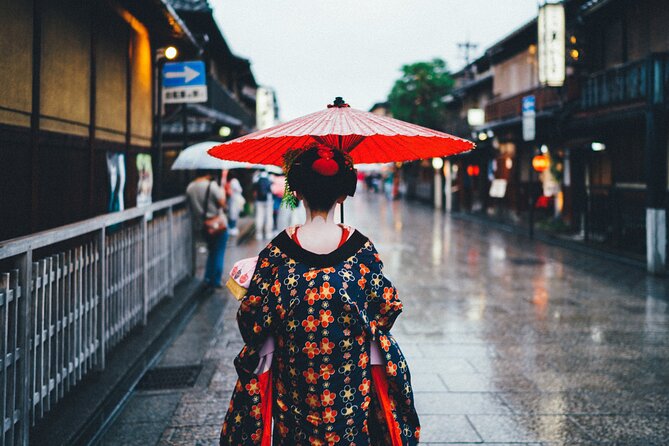
Next comes Gion Shirakawa (the Shirakawa Canal), described as a picturesque, tranquil waterway lined with well-preserved traditional machiya houses. There are also weeping cherry trees noted along the area, which can make the canal especially special in cherry season.
This stop works as a reset. After the shrine and the sharper density of the street lanes, the canal side tends to feel quieter and more spread out, which can make your photos and your breathing easier.
You’ll still want to be considerate here. Even when the canal looks serene, it’s a real neighborhood, and your guide’s reminders about the district’s traditions can help you stay respectful while you look.

Hanamikoji Street: The Famous Main Drag Where the District Shows Off
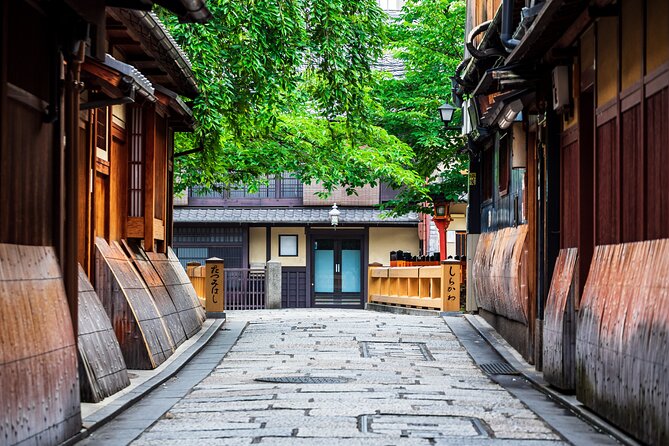
Later, you’ll spend time back in Gion and then walk along Hanamikoji Street, the district’s best-known main lane. It’s lined with traditional machiya houses, tea houses, and shops and restaurants, so it’s where the “old Kyoto” visual hits hardest.
The guide’s role matters most here, because Hanamikoji can look straightforward from afar. Up close, it’s a maze of doors, facades, and street rhythm—so hearing why things look the way they do helps you notice details instead of just snapping one generic photo.
This is also a spot where crowds can form depending on the time of day. If your goal is calm, you’ll want your guide to manage the pace while you’re there, and the small group setup helps.
Gion Corner: A Practical Culture Primer in the Middle of the Walk
You’ll also include Gion Corner, a cultural venue that showcases traditional art performances and provides an introduction to Kyoto’s traditional arts. The tour description frames it as a place that helps you connect what you’ve just seen in the streets to broader cultural traditions.
I like this add-on because it prevents the walk from becoming purely visual. Even if you don’t watch a full performance, a short cultural primer can change how you interpret Gion’s atmosphere and the role tradition plays in daily life.
The only watch-out is attention span. If you’re the type who gets antsy in indoor stops, treat this as a quick context piece and let your outdoor time do the heavy lifting.
How the $29.85 Price Really Works for You
At $29.85 per person for about 2 hours, you’re paying mostly for the guide and the structure. You’re not paying for paid attractions inside this specific walk—multiple shrine stops are free—so the value comes from getting the local stories and the route logic that helps you actually understand Gion in less time.
The “small group to 10” piece is part of the pricing value, too. A larger group means you spend more time squeezed and less time listening. Here, you’re more likely to hear the cultural explanations and ask questions, which several named-guide stories highlight as a big part of what people liked.
Mobile ticket also removes friction. No printing hunt. Just show up and start walking.
Guides Matter: What You Can Learn From the Best-Named Tour Experiences
Different guides bring different energy, and the guide pool includes people such as Takuma, Yuko, Tom, Yuji, Hide, Eric, and Harry. Across the strong notes, the common thread is clear: people praised guides for being friendly, organized in how they lead the group, and strong at explaining what you’re looking at.
One guide-name pattern also shows up around timing and spotting chances, with notes about catching geiko or maiko on the move. That doesn’t make sightings guaranteed, but it suggests the best guides know where the district’s flow creates the best opportunities.
Balanced caution: one low-score experience described poor English and disorganization. Another called out that the focus felt too photo-heavy and not informative enough. If you’re sensitive to communication quality or prefer a strictly structured explanation style, do expect this kind of variance that can happen with any walking tour.
A Few Real-World Tips Before You Go
Comfort matters. The tour is a walk and notes that it’s not suitable for people with disability who need to go up and down stairs, so plan accordingly. Bring shoes you can walk in for 2 hours without turning the day into a foot injury story.
If you’re doing the kimono plan, the added steps are worth noting. After changing into kimono, you go by yourself to the Japan Kanji Museum & Library (about a 5-minute walk from the kimono rental shop). After the tour ends, you must return the kimono by 5:30pm.
Lastly, plan your expectations around geisha sightings. The tour specifically frames sightings as a maybe-if-you’re-lucky moment. The real win is that even without a sighting, the shrines, bridges, canal views, and Hanamikoji street context still create a satisfying picture of Gion.
Should You Book This Gion Geisha District Walking Tour?
Yes, if you want a guided, small-group walk that ties the visual side of Gion to the cultural side. At this price point, the combination of shrine stops, photo-friendly corners like Tatsumi Bridge and Shirakawa Canal, and a guide-led explanation is the kind of value that works well for time-limited Kyoto visits.
I’d skip it or look for a more tailored alternative if you need zero walking challenges (stairs are part of the reality here) or if you’re very strict about long, classroom-style explanations. And if you’re hoping to see geiko or maiko, treat it as a bonus, not the main mission.
FAQ
How long is the Kyoto Geisha District Walking Tour in Gion?
The tour lasts about 2 hours.
What does it cost?
It costs $29.85 per person.
Is the group size limited?
Yes. The tour caps at a maximum of 10 travelers.
Is the ticket mobile?
Yes, you receive a mobile ticket.
Where is the meeting point?
You meet at Gion Kōbu Kaburenjō, 570-2 Gionmachi Minamigawa, Higashiyama Ward, Kyoto, 605-0074, Japan.
Do I need to pay admission at the stops?
The listed shrine stops are free to enter, including Yasaka Shrine and the other shrine stops on the route.
Does the tour run in bad weather?
Yes. It takes place rain or shine.
Is it suitable for people with mobility needs?
It’s not suitable for people with disability who need to go up and down stairs.
Can children join?
Yes, but children must be accompanied by an adult.
Will I definitely see a geisha?
No. The tour says you may have a chance to spot a geisha if you are lucky.
Is hotel pickup or drop-off included?
No. Hotel pickup and drop-off, transportation to/from the meeting spot, and extra food and drink are not included.