REVIEW · KYOTO
Private Kyoto Market Tour and Authentic Cooking Class with Aki
Book on Viator →Operated by Traveling Spoon · Bookable on Viator
Shop, cook, and eat Kyoto at home. With Aki, you’ll visit Demachiyanagi Shoutengai, pick seasonal ingredients, then head to her kitchen for an English-friendly, hands-on class that ends with the meal you helped make. It’s a fun way to learn Japanese food without feeling like you’re stuck in a demo you can’t repeat.
Two things I especially like: the focus on how to choose ingredients at a real neighborhood market, and the fact that you cook in a home kitchen where familiar classics get practical tips. One thing to consider is the logistics: there’s no hotel pickup, and you’ll start at a specific meeting spot and then take the bus to Aki’s home.
In This Review
- Key Highlights Worth Planning For
- Demachiyanagi Shoutengai: The Market Part That Teaches You to Shop
- The likely drawback: not a deep museum-style tour
- Bus to Aki’s Home: The Local Rhythm You Don’t Get in Restaurants
- What you’ll notice right away
- Hands-On Cooking Class: How the Lesson Works in Real Time
- A useful expectation setting
- What You Eat: Your Kyoto Meal, Not a Separate Restaurant Stop
- Why this meal feels different
- Price and Value: What $119 Buys You in Kyoto Time and Attention
- A quick reality check
- Timing, Meeting Point, and How to Show Up Ready
- One practical tip
- Who Should Book (and Who Might Want Another Option)
- Should You Book This Kyoto Market and Cooking Class with Aki?
- FAQ
- How long is the private Kyoto market tour and cooking class?
- What does the tour include?
- Where is the meeting point?
- Is a vegetarian option available?
- Do I need hotel pickup or drop-off?
- Can I change or cancel my booking?
Key Highlights Worth Planning For
- Demachiyanagi Shoutengai shopping time (~45 minutes) to choose vegetables and ingredients you’ll actually cook
- A quick bus ride (~10 minutes) to Aki’s home (about 4 bus stops away) for a true local setting
- English recipes and guided cooking so beginners aren’t left guessing
- Hands-on Kyoto comfort food skills, including secret tips for miso soup
- A meal you produce together, plus beverages (and the broader experience notes that 1–2 glasses of local alcohol may be included)
- Private, personalized attention with a vegetarian option available if requested
Demachiyanagi Shoutengai: The Market Part That Teaches You to Shop
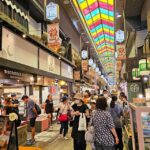
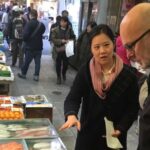
This experience starts with a walk through a local street market: Demachiyanagi Shoutengai. You’re there for the practical stuff, not just sightseeing. In about 45 minutes, you’ll select a few vegetables and ingredients to use later, with Aki guiding you as you go.
What makes this market time valuable is the decision-making. You’re not just buying food. You’re learning what to look for in everyday Japanese staples—how ingredient quality shows up in the final dish. That matters because Japanese cooking is often about letting simple ingredients do the heavy lifting.
You’ll also get a sense of how locals shop and snack around this neighborhood. That’s the quiet magic of a small market: you see what people treat as normal, not what tour routes treat as special. It’s a good reset for Kyoto, because it helps you understand the food culture behind the polished restaurants.
You can also read our reviews of more private tours in Kyoto


The likely drawback: not a deep museum-style tour
If you’re hoping for a long, slow walk with lots of stop-and-stare history, this isn’t that kind of market visit. The goal here is shopping and selecting ingredients, then cooking. You’ll move with purpose.
Bus to Aki’s Home: The Local Rhythm You Don’t Get in Restaurants
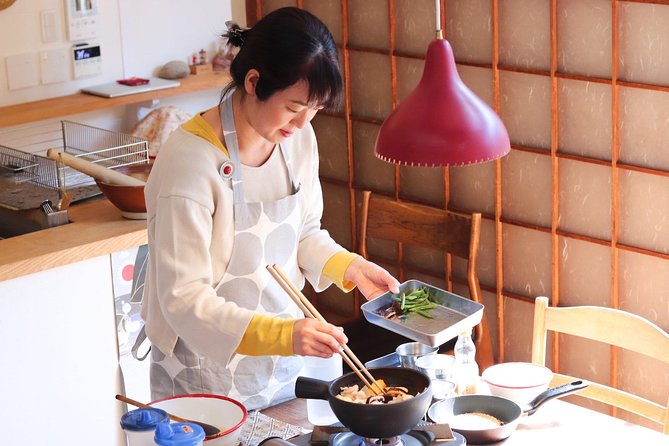
After the market, you’ll take the bus from the shopping area to Aki’s home. The ride is about 10 minutes, and her home is around four bus stops away. This short transfer is actually part of the value: it keeps the day feeling grounded in real life instead of turning it into a scripted experience.
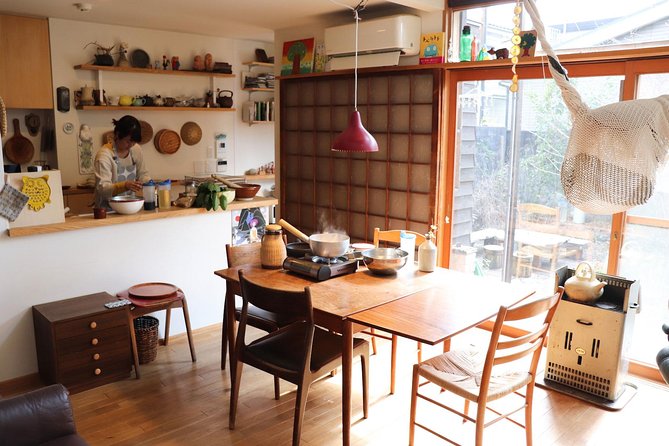
Once you arrive, you’re stepping into a home kitchen. That changes what you learn. A restaurant can teach you what’s on a menu. A home kitchen teaches you what’s possible with the tools and rhythms ordinary cooks use.
The good part is that the move from market to kitchen is easy. You’re not crossing the city or hunting for landmarks. You’re following the thread from ingredient choice to cooking technique, with Aki there the whole way.
What you’ll notice right away
The session is designed for flow. You’ll have time to settle, then you’ll start cooking with guidance in English. The private format also helps: you can ask questions without the pressure of keeping pace with a larger group.
Hands-On Cooking Class: How the Lesson Works in Real Time
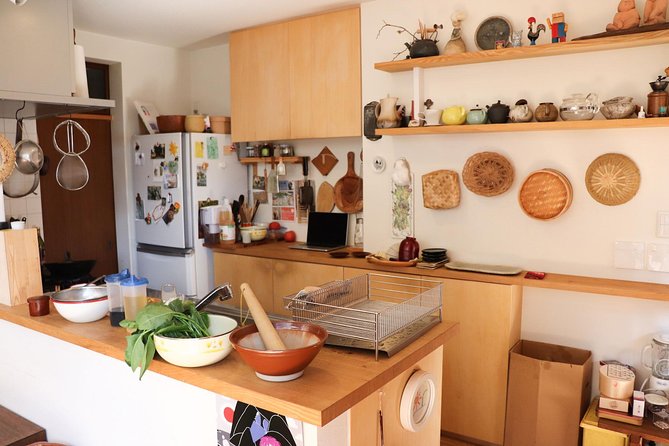
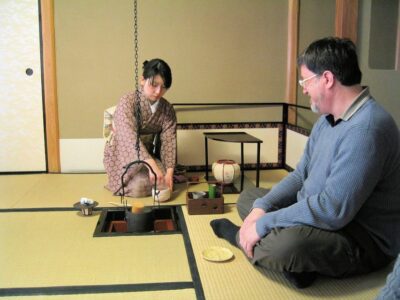
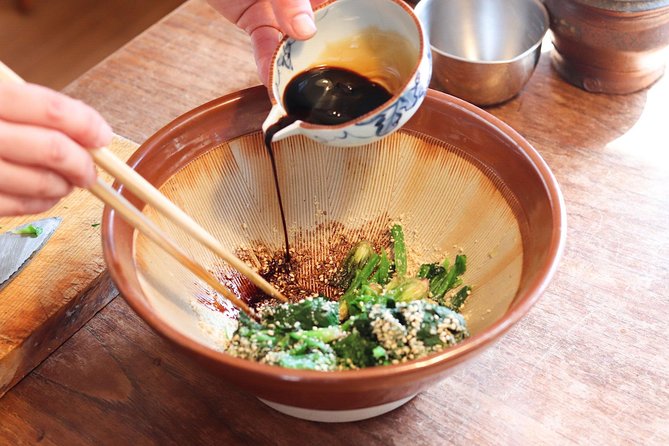
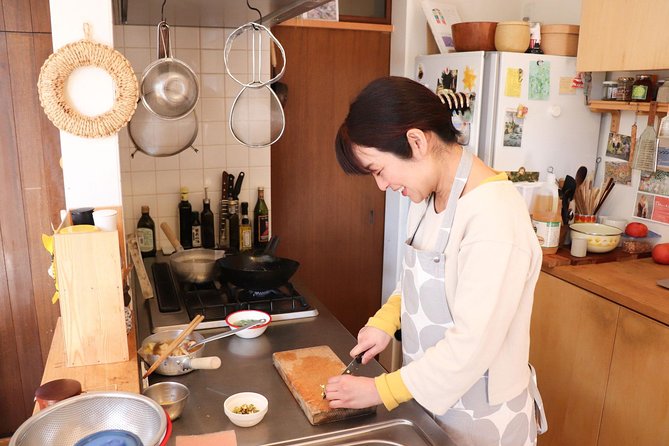
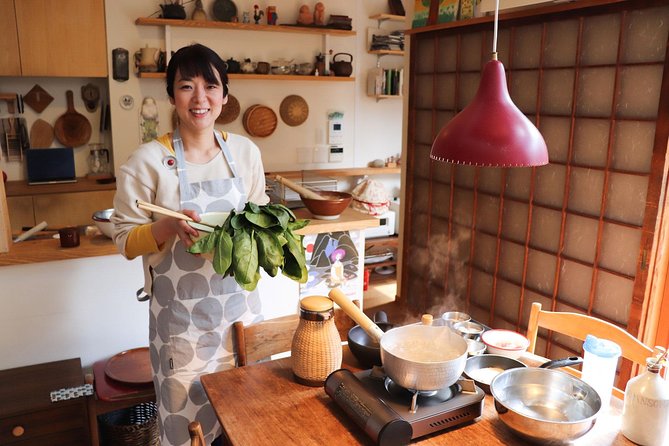
The cooking portion lasts about one hour. Aki provides recipes in English, then walks you through the process. This is one of those setups that works for both beginners and more experienced cooks, because you’re learning technique and reasoning, not just memorizing steps.
One of the most practical things Aki focuses on is Japanese dishes that may not show up on restaurant menus. That’s a great way to level up what you can recreate at home. Restaurant versions can be delicious, but they’re often adjusted for service style and consistency. A home-style version teaches you what home cooks actually do.
A second strength: she shares tips for familiar classics like miso soup, including what the listing calls secret tips. Even if you think you already know miso soup, the takeaway here is usually about subtle choices—how to balance flavor, timing, and ingredients so the result tastes like it came from a Japanese kitchen, not an approximation.
You’ll also learn the cultural context as you cook. That’s not just trivia. Food culture shows up in how people expect flavors to behave and how they think about meal comfort, seasonality, and ingredient freshness.
You can also read our reviews of more shopping tours in Kyoto


A useful expectation setting
This isn’t a rushed cooking sprint. It’s hands-on, guided, and paced to let you actually understand what’s happening. You’ll have enough structure to follow along, but still enough involvement to feel like the meal is genuinely yours.
What You Eat: Your Kyoto Meal, Not a Separate Restaurant Stop
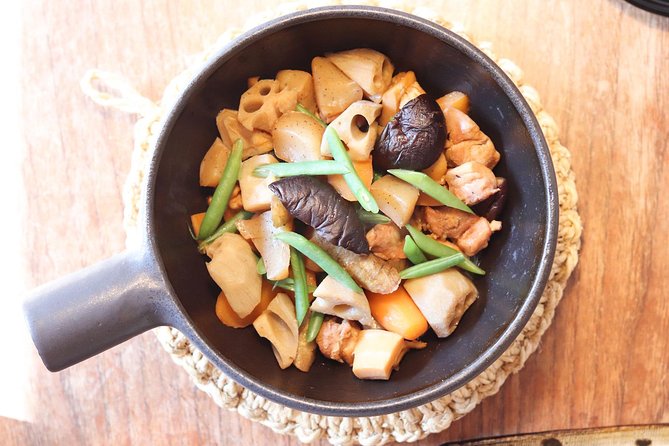
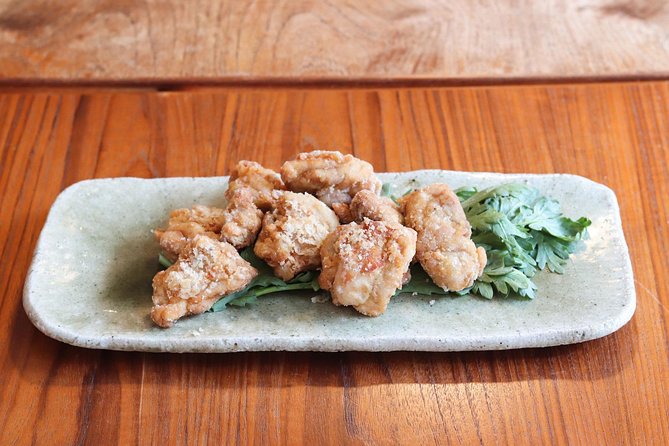
After the cooking, you’ll enjoy the meal you helped prepare together. This is where the whole day clicks. You’re not tasting an end product made by someone else. You’re eating your decisions and your effort.
The day also includes beverages. The overview notes that 1–2 glasses of local alcohol may be included, while the included details specifically list non-alcoholic beverages. Either way, you’re covered for drinks, and you’ll have a chance to relax after cooking.
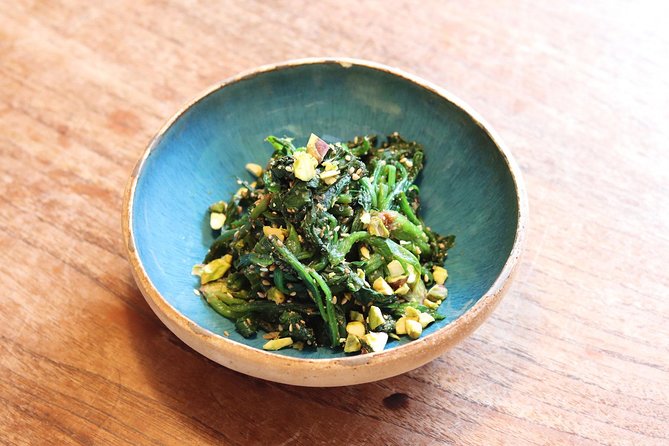
The menu is described as variable based on the season. That’s a plus, because it means you’re more likely to learn seasonal cooking logic rather than a fixed set of dishes no matter when you visit Kyoto. In Japanese cooking, seasonality isn’t decoration. It shapes ingredient selection and flavor direction.
Why this meal feels different
When you shop ingredients yourself and cook them in a home kitchen, the meal becomes a practical lesson you can repeat. You’ll likely remember what you chose at the market because that choice becomes the story of the dish. That’s how learning sticks.
Price and Value: What $119 Buys You in Kyoto Time and Attention
At $119 per person for an approximately 4-hour private experience, it’s not a budget activity. But it also isn’t just a class where you sit back and watch. You’re paying for a tight bundle: market ingredient shopping, private coaching in a home kitchen, and the full meal experience.
The private format matters. In a larger-group setting, you can lose time waiting and asking questions less often. Here, Aki’s attention is for you and your group only. That’s especially valuable if you’re a beginner and want confidence with knife work, cooking steps, or ingredient handling.
You’re also getting value through inclusion: a homecooked meal and beverages are built into the experience. When you factor in that you’re not just learning, you’re also eating well afterward, the price starts to look more reasonable for what you’re actually getting.
One more sign this is popular: the experience is commonly booked well in advance (on average 97 days). When something like this sells ahead of time, it’s often because the experience is personal and hard to replicate yourself.
A quick reality check
If you’re traveling with a group and you each pay separately, the total cost can add up. On the other hand, it’s often the kind of class people feel best about repeating at home. If you care about Japanese cooking skills you can use later, this is one of the more direct ways to get them.
Timing, Meeting Point, and How to Show Up Ready
The tour starts at 10:30 am at Demachi Futaba, 236 Seiryūchō, Kamigyo Ward, Kyoto (602-0822). There’s no hotel pickup and drop-off, and the activity ends back at the meeting point.
Because you’re traveling by bus after the market, a little transit readiness helps. Wear comfortable shoes and plan for some walking during the market segment. Also, if you have dietary needs, you should communicate them when booking. The experience notes that you can request a vegetarian option, and allergies or restrictions should be advised at the time of booking.
You’ll receive a confirmation within 48 hours of booking, subject to availability. The ticket is mobile, so it’s easy to keep on your phone.
One practical tip
Since the cooking portion is about an hour and you’re eating what you make afterward, don’t schedule a heavy lunch right beforehand. If you keep your appetite reasonable, the meal will feel like the payoff it’s designed to be.
Who Should Book (and Who Might Want Another Option)
This is ideal if you:
- want a private experience with personalized attention
- like Japanese food and want to learn how to make it at home
- enjoy markets and ingredient selection more than pure restaurant hopping
- are a beginner and want English guidance that still respects real technique
- are an experienced cook who wants to pick up home-style tips, especially for classics like miso soup
You might want to think twice if you:
- need hotel pickup or very low walking
- only want a sightseeing tour and would prefer not to choose ingredients for cooking
- are looking for a long, purely historical tour format
The best part is that it works across skill levels. The structure is practical, and Aki’s role is to guide you through the why as you work.
Should You Book This Kyoto Market and Cooking Class with Aki?
If your goal is to leave Kyoto with real kitchen skills, I think you’ll be happy you booked this. You get the full loop: market selection → guided cooking → meal at the end, and it’s all done in a private setting that keeps questions and attention focused.
I’d book it when you want more than a one-time food experience. This type of class is the kind you can translate into your own meals back home, because you learn ingredient choices and techniques, not just flavors.
If you’re okay handling meeting logistics and want hands-on cooking over sightseeing, this one is a strong fit. Just plan your day around that 10:30 am start, bring your appetite, and prepare to learn how Japanese home cooking thinks.
FAQ
How long is the private Kyoto market tour and cooking class?
The experience runs for about 4 hours.
What does the tour include?
It includes a private market tour and cooking class with Aki, a homecooked Japanese meal, and beverages. The overview also notes 1–2 glasses of local alcohol may be included, while the included details specify non-alcoholic beverages.
Where is the meeting point?
Meet at Demachi Futaba, 236 Seiryūchō, Kamigyo Ward, Kyoto, 602-0822, Japan. The tour ends back at the meeting point.
Is a vegetarian option available?
Yes. A vegetarian option is available, but you should request it at the time of booking.
Do I need hotel pickup or drop-off?
No. Hotel pickup and drop-off are not included, so you’ll go to the meeting point yourself.
Can I change or cancel my booking?
The experience is non-refundable and cannot be changed for any reason. If you cancel or ask for an amendment, the amount you paid will not be refunded.