REVIEW · KYOTO
From Osaka/Kyoto: Private Kyoto & Nara Day Trip with Pickup
Book on GetYourGuide →Operated by Japan tours International by Unemoto LLC · Bookable on GetYourGuide
Torii gates, deer, and bamboo in one day. I like the private door-to-door setup and how the English-speaking driver/host helps you handle ticket lines and context at each stop. The only catch: ten hours can feel tight, and traffic can steal minutes from the last stop, so comfy shoes and a flexible plan really matter.
The day balances big icons with moments you can actually feel. I love that you get time for Nara Park deer feeding and for the long photo-walk through Fushimi Inari’s torii tunnel, not just a quick drive-by. You’ll still be moving most of the day, so this is a great fit if you want “maximum highlights” more than slow sightseeing.
In This Review
- Key highlights to know before you go
- Why this Kyoto and Nara private day works (and feels “worth it”)
- Price and logistics: what you’re really paying for
- Pickup and meeting: where the day starts smoothly
- Nara Park and Todaiji: deer time plus the Great Buddha Hall
- Fushimi Inari: walking the torii tunnel without losing your bearings
- Kinkaku-ji Golden Pavilion: gold-leaf views at a relaxed pace
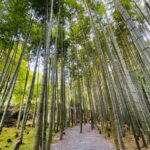
- Arashiyama Bamboo Forest: the stop everyone wants, with a real schedule
- Togetsukyo Bridge and lunch in Arashiyama: the decompression moment
- How the driver/host guidance really helps you (and what it doesn’t do)
- Sagano Romantic Train: when it fits into your day
- Seasonal notes that matter for planning your photos
- Who this private Kyoto and Nara day trip is best for
- Should you book this Kyoto and Nara private day trip?
- FAQ
- How long is this Kyoto and Nara private day trip?
- What’s included in the price?
- Are entry tickets included?
- Do you provide a full guided tour inside every attraction?
- Where does pickup happen?
- What languages are available for the host?
- What should I bring for the day?
Key highlights to know before you go
- Door-to-door pickup from Osaka, Kyoto, or Kobe, with an air-conditioned vehicle for the in-between stretches
- Real time in Nara Park and Todaiji with a short guided touch, then self-guided browsing in the temple complex
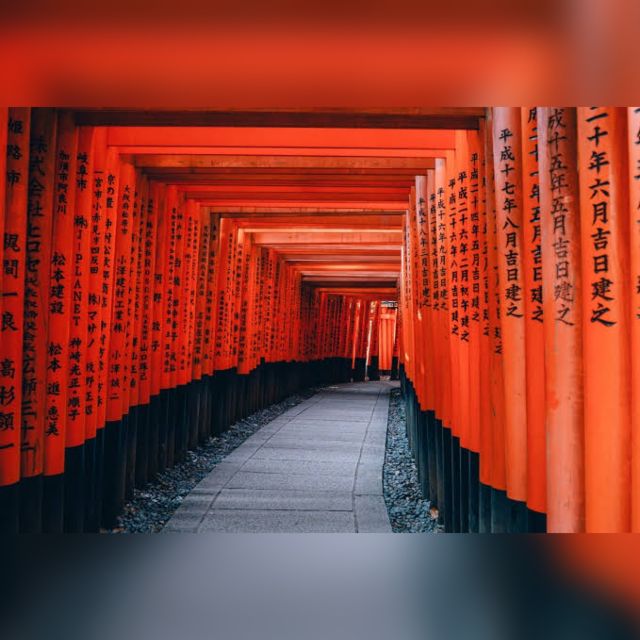
- Fushimi Inari torii gates with guided routing, so you spend less time figuring out where to go
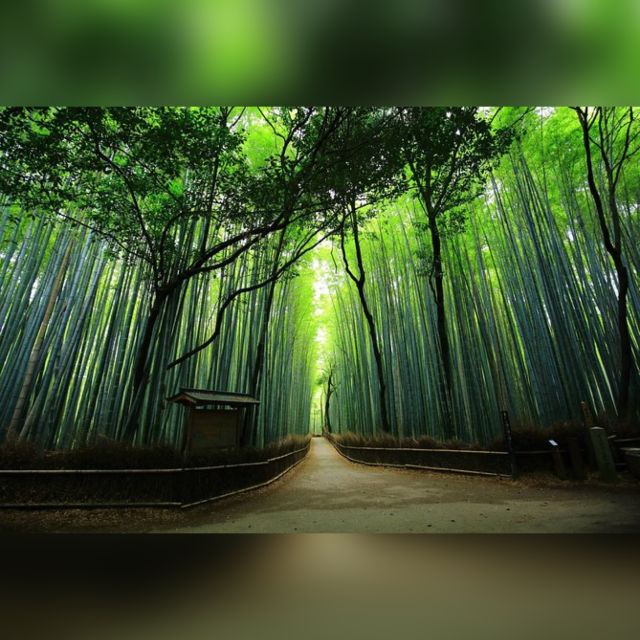
- Arashiyama built for photos, including the Kimono Forest photo stop and the Bamboo Forest walk
- Kinkaku-ji with self-paced viewing, letting you linger on the gold-leaf views without a scripted pace
- Sagano Romantic Train option in spring (cherry blossoms) or fall (maple colors), depending on timing
Why this Kyoto and Nara private day works (and feels “worth it”)
This trip is built for one specific goal: stacking Kyoto and Nara highlights into a single day without you juggling trains, transfers, and time sinks. You start with hotel pickup, then you get a driver/host to take the wheel while you focus on the sights.
I like that the plan is tight but not rigid. You’ll get some guided support at several key points, and you also get self-guided time where it makes sense—especially at temple sites where you’ll want to pause and look. One more plus: the host can help with practical things like ticket purchasing and waiting in line, which is where many first-time visitors lose time.
You can also read our reviews of more private tours in Kyoto
Price and logistics: what you’re really paying for
The price shown is $632 per group up to 2 people for a 10-hour day, with hotel pickup and drop-off. That sounds steep if you’re used to public transit, but private transport in the Kyoto–Nara–Arashiyama loop is a lot of driving, and you’re paying for convenience and pacing control.
Two cost realities to plan for:
- Entry tickets are not included, so the total day cost depends on what you choose to pay for once you’re there.
- Food and drinks are not included, though you do have a lunch window in Arashiyama.
If you’re a couple, the “per group” structure can feel reasonable compared to splitting taxis or losing half a day to transfers. If you’re traveling with more people, the value depends on how the pricing scales for your group size and what you’re comparing it against.
Pickup and meeting: where the day starts smoothly
You have three pickup options: Kyoto, Kobe, or Osaka. You meet your driver/host at your hotel and should wait in the lobby about 10 minutes before pickup. This matters because Kyoto and Osaka traffic can be unpredictable; being ready on time keeps the whole route from slipping.
Your host speaks English and Tagalog, and you’ll be in an air-conditioned private vehicle. Many guides also provide light-to-moderate help with translation and practical temple questions, like how to navigate routes and what you’re looking at.
If you’re starting from Kobe Port Terminal or Maizuru Port Terminal, there’s an additional charge. If that applies to you, budget for it up front so you don’t get surprised on arrival.
Nara Park and Todaiji: deer time plus the Great Buddha Hall
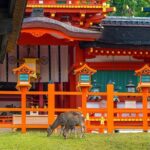
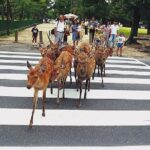
Nara Park is where the trip becomes fun fast. You’ll head to Nara Park first, where thousands of freely roaming deer create the kind of scene you can’t fake with a photo online. You can buy crackers to feed them, and you’ll likely spend your time watching how bold the deer get and how quickly people learn not to flinch.
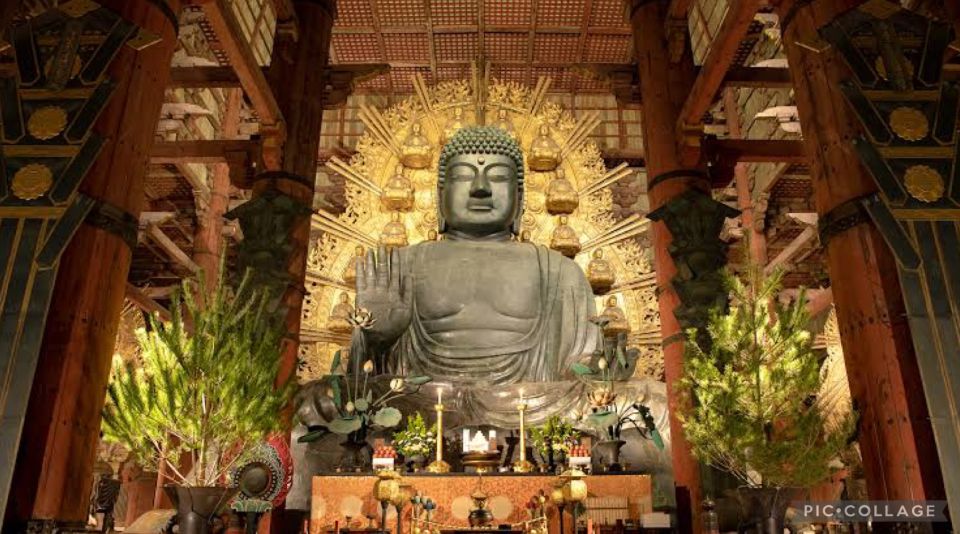
Then you move to Todaiji Temple’s Daibutsuden (Great Buddha Hall). This is a UNESCO site and one of the reasons this day feels like more than a checklist. Expect a massive temple setting and a grand bronze Buddha statue inside the hall. Your time there is listed as self-guided, which is a good thing: it gives you room to slow down and look from different angles without a timer barking at you.
A small planning tip: you’ll be on your feet for several stops in one day, so treat Nara as a “walk + soak it in” moment, not a “rush and snap” moment.
Fushimi Inari: walking the torii tunnel without losing your bearings
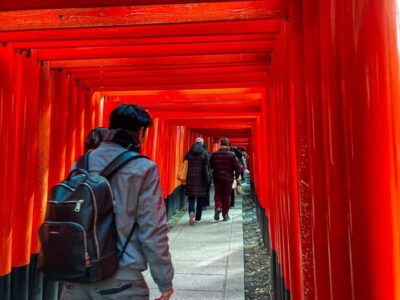
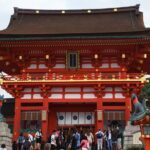
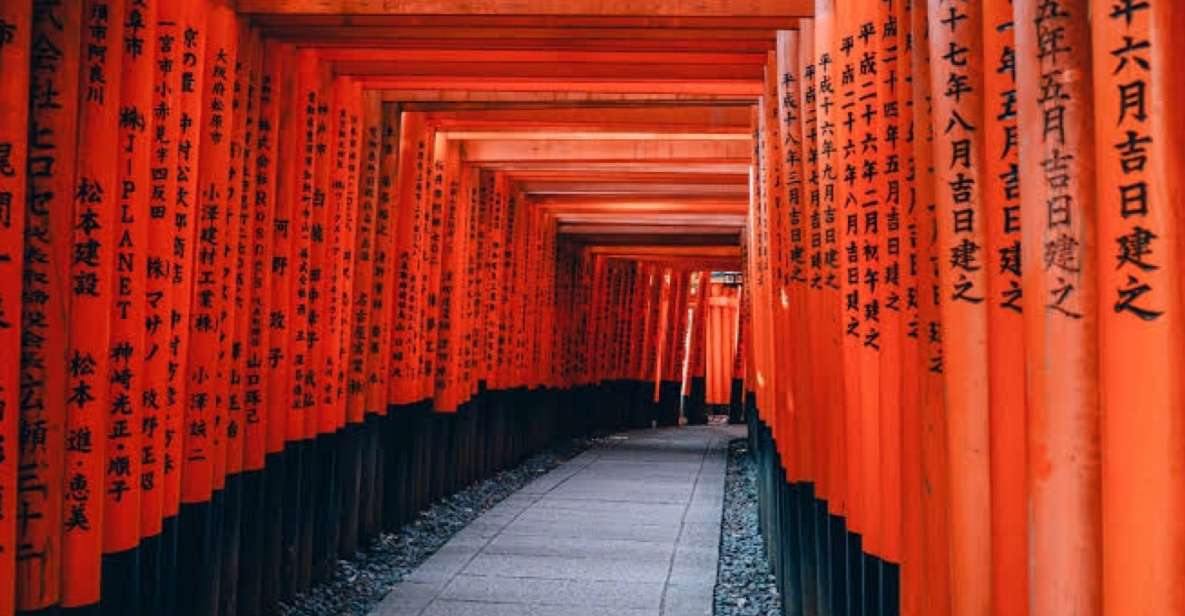
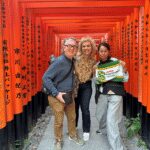
Fushimi Inari Taisha is famous for a reason: it’s visually powerful from the moment you step in. You’ll spend time walking through a sea of vermilion torii gates, and the host typically guides the route so you don’t spend energy just trying to understand where the main path goes.
Even if you’ve seen photos, the scale changes once you’re there. You’ll notice how the paths climb and how the torii create repeating frames for pictures. This is one of those places where a little guidance helps—especially if you want photos that look like you’re not walking through a crowd.
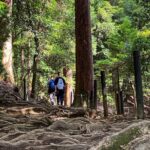
Footwear matters here. The walk can be steady, and you’ll likely want shoes that can handle uneven stone and long distances.
You can also read our reviews of more tours and experiences in Kyoto
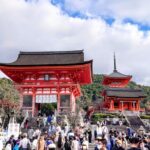
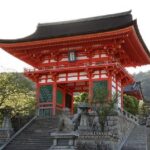
Kinkaku-ji Golden Pavilion: gold-leaf views at a relaxed pace
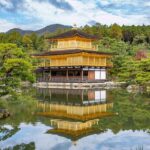
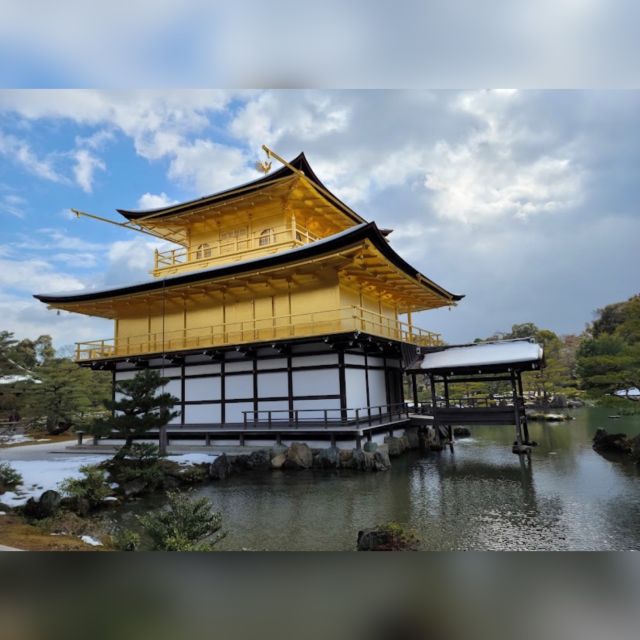
Next up is Kinkaku-ji (Golden Pavilion). You get about 40 minutes for sightseeing and walking, with time described as self-guided. That balance is smart: the pavilion is a focal point, but the best viewing often comes from stepping away, changing your angle, and taking in how the gold leaf reflects light.
If your day is packed, self-paced time helps. You can linger when you want, and you don’t feel pressured to keep moving because someone is talking every step of the way. In short, Kinkaku-ji is a strong mid-day or late-day anchor before you head toward Arashiyama’s bamboo area.
Arashiyama Bamboo Forest: the stop everyone wants, with a real schedule
Arashiyama is built into this trip with a sequence of photo-and-walk moments. You’ll have about 70 minutes at Arashiyama, including lunch time, plus shopping and sightseeing along the way. That’s valuable because Arashiyama can eat time fast if you wander without a plan.
Before the main Bamboo Forest walk, you’ll have:
- Togetsukyo Bridge for a short walk and scenic views
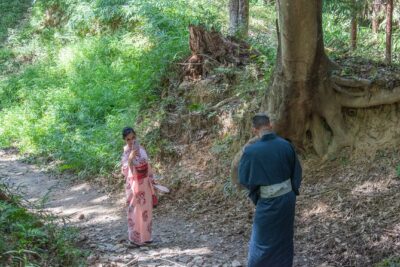
- A Kimono Forest photo stop (quick, focused on pictures)
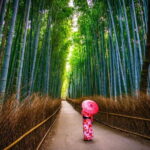
- Then the Arashiyama Bamboo Forest for a walk and sightseeing time
Here’s the practical truth about bamboo: the setting is stunning, but crowds and timing can shape your experience. The good news is that your plan gives you enough time to move slowly and take photos from multiple spots without feeling like you’re being rushed immediately out.
If you care about the vibe of bamboo at different times of day, keep your eyes open once you arrive. The light and crowd density can change your photos a lot.
Togetsukyo Bridge and lunch in Arashiyama: the decompression moment
Between temple walking and gate walking, you need a breather. Togetsukyo Bridge is brief on paper, but it’s a helpful reset: a short stroll across the bridge area over the Katsura River gives your legs a change of pace while still keeping you in the scenery loop.
Lunch is included as part of the Arashiyama block. Since food isn’t included, this is where your host’s instincts can help. Some guides are known to recommend solid local options and even help with reservations or translation so you don’t end up hunting for food while everyone else crowds the same places.
If you’re traveling with dietary needs, this is also where a host can help you ask the right questions in real time.
How the driver/host guidance really helps you (and what it doesn’t do)
This is not a “full guided tour at every stop” type of experience. Instead, your English-speaking driver/host provides practical guidance—especially with ticket purchasing and waiting in line—and adds context so you understand what you’re looking at.
That style can be a win. You get the benefits of someone who knows how to manage time and crowds, without being locked into a lecture at every shrine and hall. Many people also appreciate that the host can help with translation and questions on the spot.
For example, some guides known for strong support include:
- Bong Yamaguchi, who has helped with translating and even recommendations like ramen lunch
- Keiko, who has been described as flexible and supportive during the day
- Bill, who is noted for helping step-by-step with mobility needs for a handicapped traveler
- Steven and John, who have been helpful with pacing, photos, and tailoring the day when schedules shifted
Not every host will match that exact style, but the overall support structure is consistent: practical help first, plus interpretive context where it matters.
Sagano Romantic Train: when it fits into your day
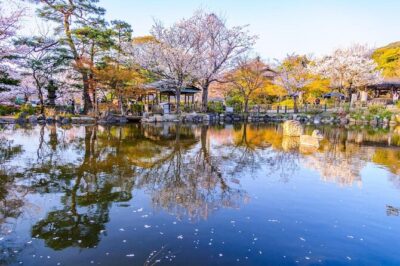
This tour notes that you can choose to ride the Sagano Romantic Train. It’s framed as a seasonal bonus: spring for cherry blossom views and fall for maple leaf colors.
One caution: your day is already packed, and Arashiyama is time-sensitive. If you want the train, treat it as an optional add-on that depends on how the rest of the route lands that day. In practice, your host can help you decide whether it’s realistic without cutting too hard into your main stops.
Seasonal notes that matter for planning your photos
You’ll get the most from this day if you match your priorities to the season:
- Spring: the Sagano Romantic Train angle leans into cherry blossoms.
- Fall: the same train option shifts to maples, which also fits the Arashiyama scenery theme.
- Any season: wear layers. Temple grounds and riverside areas can feel cooler in the shade, and the car ride won’t warm you up enough for a long walk outdoors.
Also, plan your photos with the assumption that you’ll be walking in popular areas. The route is popular, so your best strategy is patience and angle changes, not trying to outrun crowds.
Who this private Kyoto and Nara day trip is best for
This experience fits best if you want:
- A private day with low stress and door-to-door pickup
- The major hits of Kyoto + Nara in one shot
- Someone handling logistics like ticket lines and timing
- A mix of guided support and self-guided wandering
It may feel less perfect if you:
- Want only one neighborhood and deep, slow immersion everywhere
- Prefer public transit and don’t mind figuring out routes
- Are sensitive to pricing comparisons, since entry tickets and food add on
One more practical note: because the day is built around multiple landmarks, your stamina matters. You don’t need to be an athlete, but you should plan for walking between stops and spending time outdoors.
Should you book this Kyoto and Nara private day trip?
I’d book it if you’re the kind of traveler who wants your first visit to Kyoto to feel complete without micromanaging trains. The private vehicle plus host support means you spend your energy on Nara deer, the Great Buddha Hall, the torii tunnel at Fushimi Inari, and the Arashiyama bamboo moment—without spending your day solving transportation puzzles.
I’d hesitate if you hate tight schedules or you’re trying to keep the total day cost as low as possible, since entry tickets and food aren’t included and traffic can shift timing.
If you do book, do three things: wear great shoes, bring cash for small purchases and snacks, and communicate your priorities early so the host can flex around what matters most to you.
FAQ
How long is this Kyoto and Nara private day trip?
It runs for about 10 hours.
What’s included in the price?
You get hotel pickup and drop-off, private transportation in an air-conditioned vehicle, and an English-speaking driver/host. Your host can also help with guidance for purchasing tickets and waiting in line.
Are entry tickets included?
No. Entry tickets are not included, and you should plan to pay them separately.
Do you provide a full guided tour inside every attraction?
Not exactly. The host provides guidance and support, but it’s not a full guided tour of every attraction. Some parts are self-guided.
Where does pickup happen?
Pickup is offered from Kyoto, Kobe, or Osaka. There are additional charges for Kobe Port Terminal and Maizuru Port Terminal pickup and drop-off.
What languages are available for the host?
The host/greeter speaks English and Tagalog.
What should I bring for the day?
Bring your passport, cash, and any personal medication you need.