REVIEW · KYOTO
From Osaka: Sagano Train Ride and Kyoto Guided Day Tour
Book on GetYourGuide →Operated by LIMON Tours · Bookable on GetYourGuide
Kyoto in one packed day? I like the way this tour strings together major sights with a Sagano Romantic Train ride, plus an easy guided route that keeps you moving. I also love the built-in wow factor at Fushimi Inari Shrine, where the torii gates feel endless. The only real drawback is pacing: the schedule can feel tight, especially if traffic delays the day’s fixed train or reserved times.
What makes it work is the human touch. Guides like Masa, Haru, Jewell, Winnie, Hiro, Natsuki, and Minnie show up with clear meeting points and constant check-ins, and several groups note the small-group feel (around six people) when possible. If you hate walking or you want long, shop-filled breaks in each neighborhood, you may feel rushed.
In This Review
- Key highlights worth your attention
- From Osaka to Kyoto in One Day: how the routing feels
- The Sagano Romantic Train: views from Kameoka worth timing your day
- Arashiyama: Bamboo Forest, Togetsukyo, and the Katsura River moment
- Kiyomizudera UNESCO stage and Otowa Waterfall traditions
- Fushimi Inari: torii gates, fox statues, and what to do with your camera
- Comfort, bus setup, and why guides can make or break the day
- Price and value: is $66 worth it?
- Who this tour suits best (and who should plan differently)
- Should you book this Osaka-to-Kyoto day tour?
- FAQ
- How long is the Sagano Romantic Train ride?
- Does the tour include the train ticket?
- Is the tour in English?
- What’s included in the price?
- Is lunch halal or vegan?
- Where does the tour start and end?
- Do I need hotel pickup and drop-off?
- What should I bring?
- Are pets or smoking allowed?
- What’s the cancellation window?
Key highlights worth your attention
- Sagano Romantic Train: a nostalgic, mostly open-air ride along the Hozugawa River with seasonal mountain views
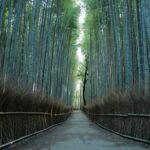
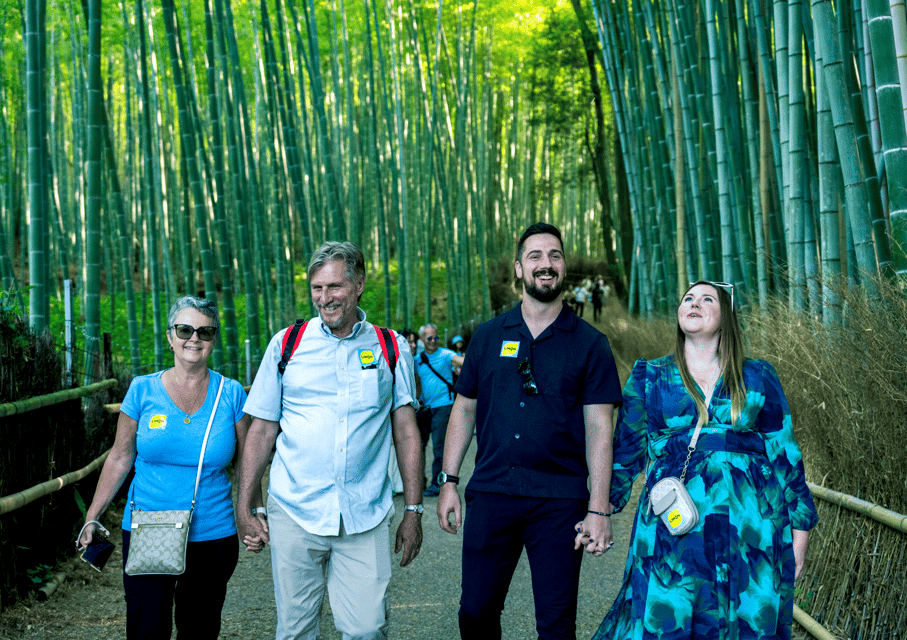
- Sagano Bamboo Forest stroll: a cool walk where you can actually hear the bamboo leaves rustle
- Kiyomizudera stage details: a hillside wooden platform supported by 139 pillars, built without nails
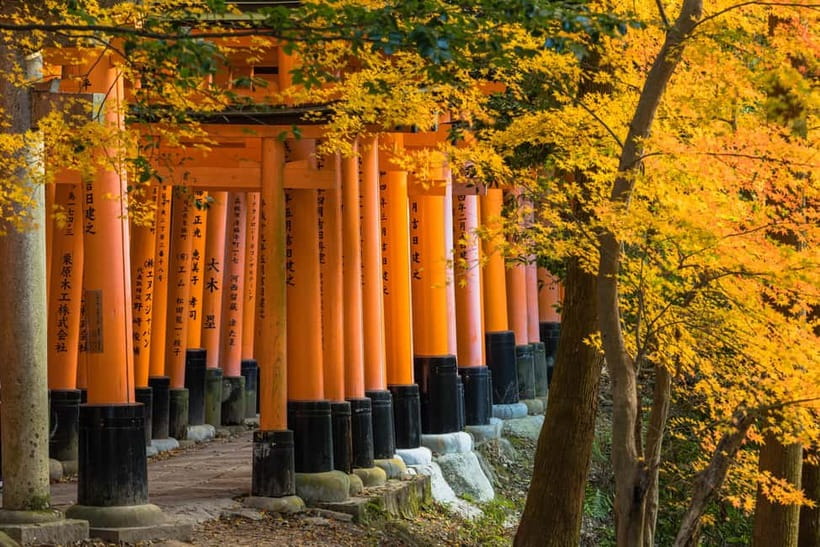
- Fushimi Inari torii walk: vermilion gates plus fox statues tied to the shrine’s lore
- Comfort basics on the way: air-conditioned bus and WiFi onboard, plus helpful guide support
From Osaka to Kyoto in One Day: how the routing feels
This is a full-day, guided “hit the big three” style outing. You start from Osaka, board an air-conditioned bus with WiFi, and then work your way through Kyoto’s best-known stops: Arashiyama, Kiyomizudera, and Fushimi Inari. The point is not to slowly wander; it’s to see a lot without getting lost.
I like that the tour is built around efficient movement between areas. Reviews often describe it as well organized, with guides actively managing when the group meets back up. That matters in Kyoto, where popular spots can turn into traffic jams—literal and human. With a guide running the timing, you spend less time figuring out where to go next and more time looking up at what you came for.
Do note the pace tradeoff. Some people felt they needed more time in the towns for browsing. And if you’re caught behind Osaka traffic or you have a fixed train moment, one stop (often Fushimi Inari) can feel shorter than you’d hoped.
You can also read our reviews of more guided tours in Kyoto

The Sagano Romantic Train: views from Kameoka worth timing your day
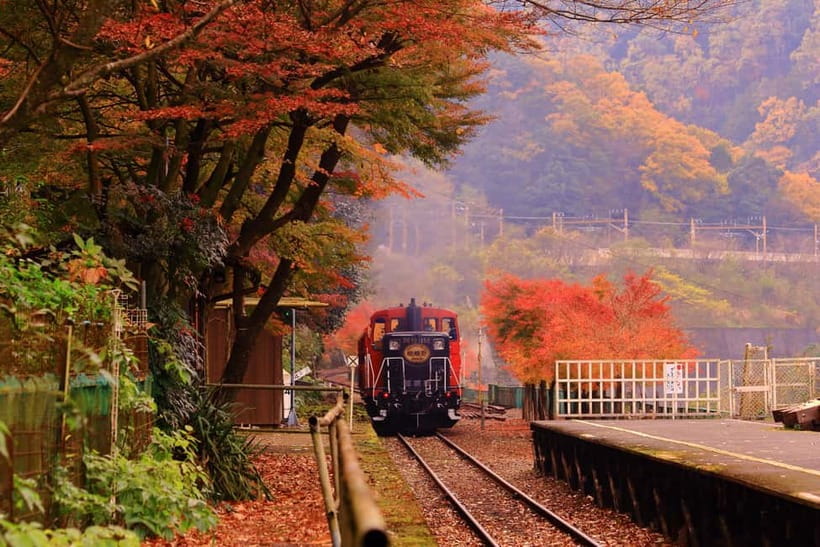
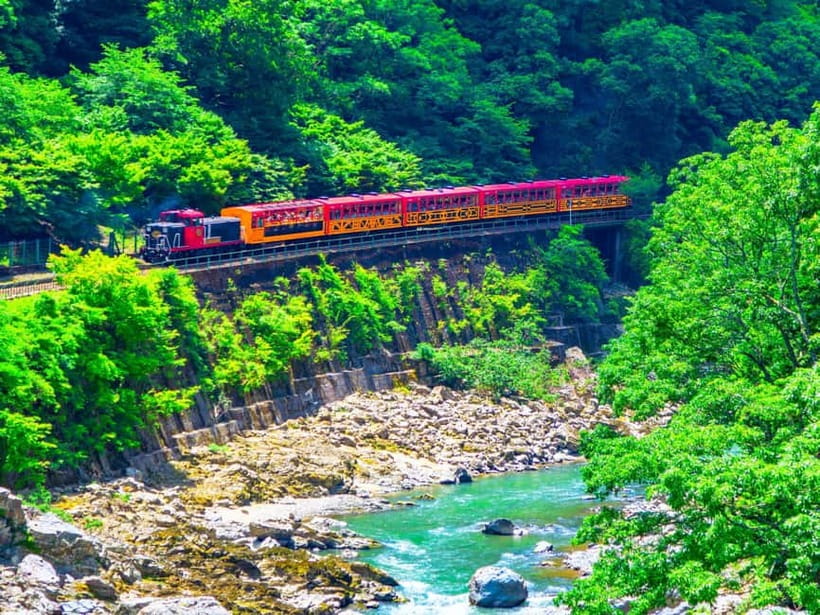
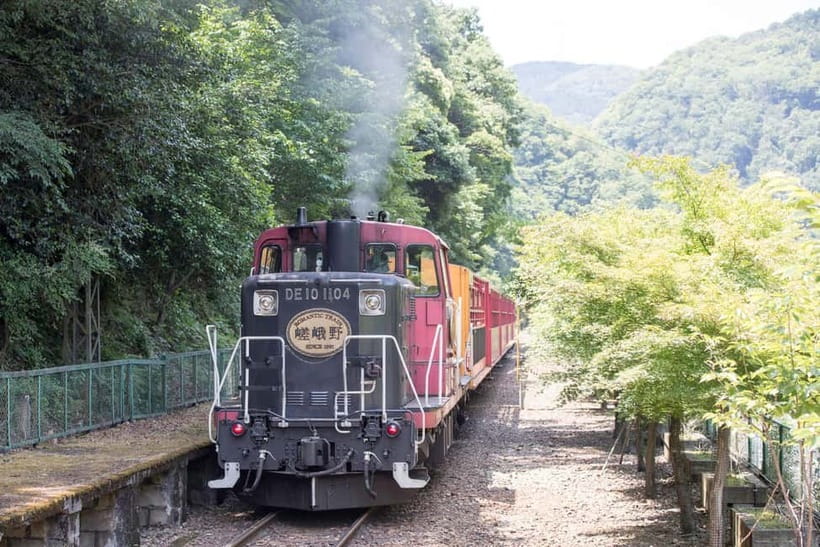
The heart of this tour is the Sagano Romantic Train ride, running between Arashiyama and Kameoka. It’s a 25-minute trip, but it’s not just “transport.” You ride through scenery that changes with the seasons: spring blossoms, summer greens, autumn color, or snowy views in winter.
The train route follows the Hozugawa River, and the experience is described as tranquil—especially because it feels like you’re coasting through a scenic corridor rather than rushing through a city grid. You also get a nostalgic feel from the setting and the open-air design (check day-of conditions, but the vibe is airy and scenic).
Practical tip: because the train schedule varies day-to-day, treat the meeting times you’re given as sacred. One review called out the fixed reservation timing, and if you’re delayed getting to the start, it can squeeze your time where it hurts most. If you’re sensitive to time pressure, plan to stay fully present and follow your guide’s instructions quickly.
Arashiyama: Bamboo Forest, Togetsukyo, and the Katsura River moment
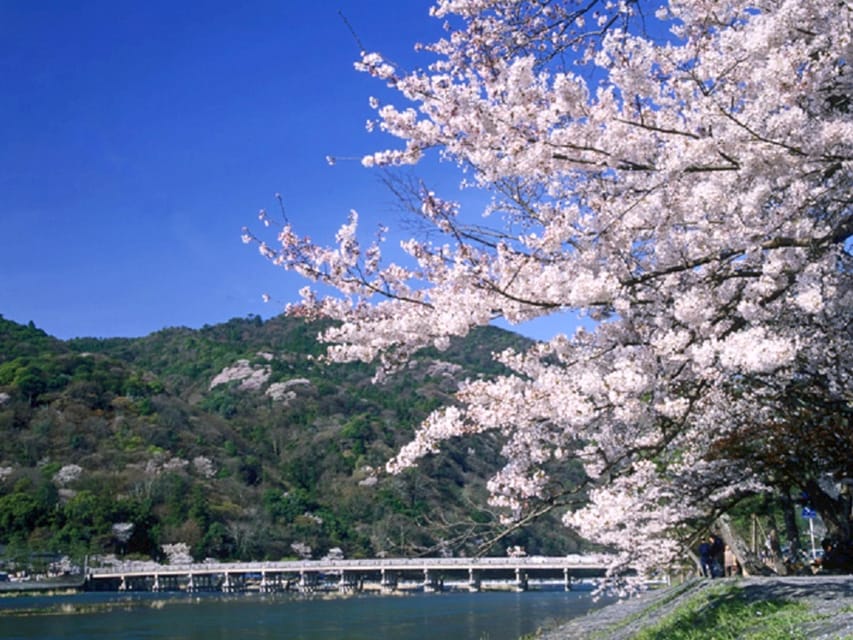
Arashiyama is where Kyoto swaps crowded lanes for a more nature-focused mood, and it’s been a popular destination since the Heian Period—so you’re stepping into a place people have chased for centuries. On this tour, the main walking moment is the Sagano Bamboo Forest.
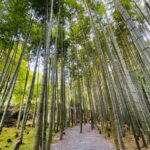
Here’s the part I think you’ll remember: the walk is cool and sensory. As you move through the stalks, you can hear the rustle of bamboo leaves in the wind. That sound detail is often missing from photos, but on a short guided stroll, it’s one of the best parts of the day.
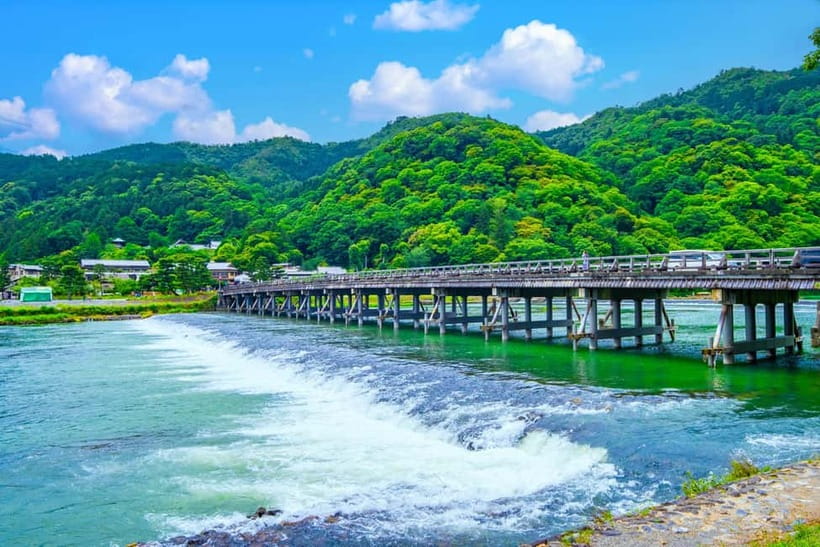
You’ll also see Togetsukyo, the moon-crossing bridge, while you walk along the Katsura River area. Even if you’ve seen it in pictures, seeing it in person matters because it gives you a sense of why Arashiyama drew visitors in the first place: water, river bends, and surrounding hills in one sightline.
Watch your footing. This is a walking-heavy day: comfy shoes are not optional. One reviewer specifically emphasized the importance of good shoes and mentioned plenty of steps, so wear something you can walk in for long stretches without thinking about your feet.
Kiyomizudera UNESCO stage and Otowa Waterfall traditions
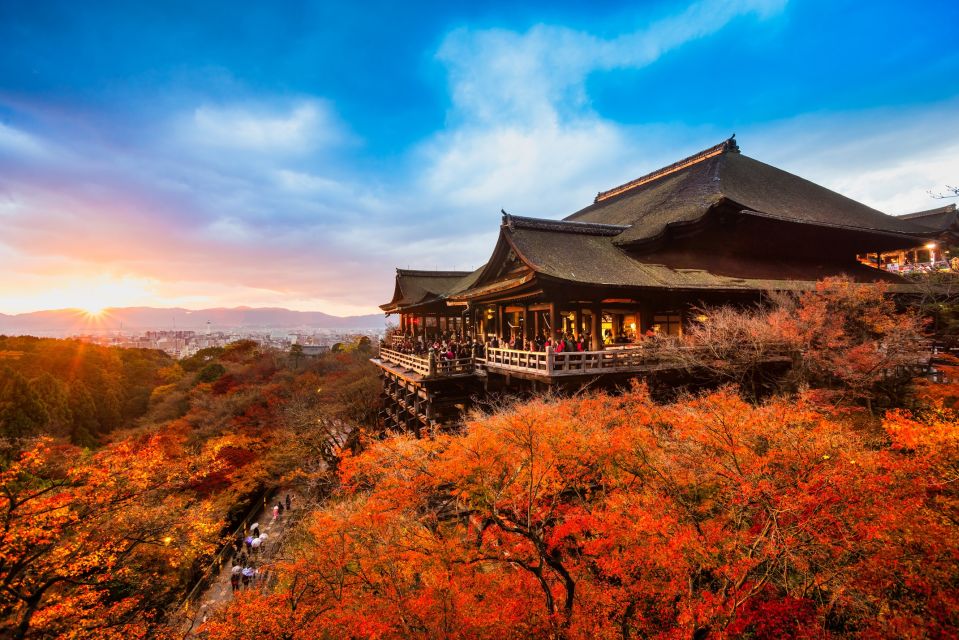
Next you’ll head to Kiyomizudera, a UNESCO-listed temple known for its dramatic hillside setting. The iconic feature is the wooden stage that reaches out over the slope. The saying “jumping off the stage at Kiyomizu” is tied to the temple’s fame, since the structure looks daring and holds that risk-in-a-proverb feeling.
What’s especially interesting here is the construction detail: the stage is supported by 139 pillars and was built without using a single nail. That kind of fact gives you something more to look for while you stand there—less guessing, more appreciation of how the place holds itself up and why it became such an engineering landmark as well as a spiritual one.
You may also get time around the Otowa Waterfall area, where three streams are said to bring success, love, and longevity. It’s one of those traditions that feels simple in concept but adds meaning to the stop. Even if you don’t treat it as literal, it gives the temple a living ritual quality.
One more seasonal note: Kiyomizudera is famous for cherry blossoms in spring and autumn foliage. The tour doesn’t promise the season you’ll catch, but if you’re visiting at a peak time, the setting usually does its job.
Pacing reality check: this is a major site with lots of stairs and crowds. If you’re the type who wants to sit and read every sign for an hour, this tour will feel fast. If you want a guided orientation plus a chance to take in the key highlights, it’s a good match.
Fushimi Inari: torii gates, fox statues, and what to do with your camera
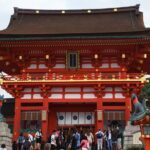
Fushimi Inari Shrine is the other big anchor stop, and it’s one you can’t really fake with speed. The shrine is dedicated to Inari, and you’ll walk through the vermilion torii gates that make this place famous—an arrangement that feels almost endless.
What I like about the guided approach here is that you don’t just see gates. You get context. You’ll hear what the shrine represents, and you’ll also be told to look for the fox statues, described as spiritual messengers. That kind of detail changes the way you walk the path. Instead of wondering what you’re looking at, you know what to search for.
Photo tip: go in ready to walk and keep moving. This is a stop with many photo angles, but the day is timed. If you get stuck waiting for a perfect shot, you’ll end up with less time to continue the torii corridor. Follow your guide’s regroup timing, and aim to photograph as you move, not only at the most crowded spots.
Also, remember that some people felt Fushimi Inari was the most affected stop when the schedule got squeezed by traffic. So if this is your number-one priority, keep a flexible attitude about how long you’ll have and focus on getting a great torii walk rather than trying to see every side path.




Comfort, bus setup, and why guides can make or break the day
The bus matters more than you might think when you’re doing a long day from Osaka. This tour includes an air-conditioned vehicle and WiFi onboard, and people describe the bus as cozy and clean. That helps on hot days, especially since you’ll be outside walking much of the time.
The guide work is the other big factor. Multiple reviews mention guides actively helping with logistics: clear instructions, patience organizing the group, and support like photo help. One review specifically appreciated thoughtful extras when people were hot, like cups of ice chips and assistance with chargers and cables.
Even when people felt the day was packed, the consistent theme was organization. Guides repeatedly made meeting times crystal clear, kept the group on track, and helped everyone get to each major stop.
If you’re trying to decide whether to book, look at your tolerance for group timing. If you like structured days where someone handles the order and you focus on sightseeing, you’ll likely feel looked after. If you prefer total freedom, this might feel a bit like being on a tight leash.
Price and value: is $66 worth it?
At $66 per person, the value comes from bundling. This price isn’t just paying for a guide. You’re also getting:
- an English-speaking guide
- air-conditioned bus with WiFi
- boarding ticket for the Sagano Romantic Train
- lunch only if you select the lunch option
That bundle is where the math usually works out, especially if you’re not excited about piecing together transportation plus entry plus train tickets on your own.
Still, the price is only “good value” if it matches what you want from the day. This tour is optimized for seeing major sites efficiently. If your top priorities are long hangs in neighborhoods, deep dives into museum-like pacing, or guaranteed long shopping time, you may feel the schedule doesn’t match your style.
Lunch is the one part that can swing how happy you feel. The provider notes halal and vegan lunches are not available, so if your dietary needs are strict, you’ll want to plan accordingly. Reviews include mixed feedback about the buffet: some praise it, others say it was cold or limited in variety. My advice: if lunch options don’t work for you, treat it as optional and be ready to find food nearby instead.
Who this tour suits best (and who should plan differently)
This is a great fit if:
- you’re short on time in Kyoto and want top sights without figuring out transit
- you like guided context, not just wandering from landmark to landmark
- you enjoy train rides and want the scenic bonus from Arashiyama to Kameoka
It may not be your best fit if:
- you want unhurried time in each town or want to linger for shopping
- you dislike walking with stairs, since multiple stops involve hills and steps
- you need halal or vegan meal options as a must-have, since the tour does not provide halal and vegan lunches
For families or first-timers, the structured flow and the guide’s regrouping skills can feel reassuring. For experienced Kyoto wanderers, you might still enjoy the train and bamboo walk, but you’ll probably wish for a slower pace at Fushimi Inari or more time around the towns.
Should you book this Osaka-to-Kyoto day tour?
If you want a high-visibility Kyoto day with an English guide and a memorable train ride, this booking makes sense. The train between Arashiyama and Kameoka is the kind of experience that sticks, and the combination of bamboo, Kiyomizudera’s stage details, and Fushimi Inari’s gate corridor covers Kyoto’s most iconic mood shifts in one go.
I’d book if you’re comfortable with walking and you can accept that the day is timed. I’d think twice if you need specific dietary meals (halal/vegan) or if your ideal day is slow and exploratory rather than scheduled.
FAQ
How long is the Sagano Romantic Train ride?
The Sagano Romantic Train ride between Arashiyama and Kameoka is about 25 minutes.
Does the tour include the train ticket?
Yes. The tour includes a boarding ticket for the Sagano Romantic Train.
Is the tour in English?
Yes. The guide is English-speaking.
What’s included in the price?
Included items are an English-speaking guide, an air-conditioned vehicle, WiFi inside the bus, and the Sagano Romantic Train boarding ticket. Lunch is included only if you choose the lunch option.
Is lunch halal or vegan?
The tour provider notes that halal and vegan lunches are not available.
Where does the tour start and end?
It starts at a meeting point that may vary depending on the option booked, and it ends back at the same meeting point.
Do I need hotel pickup and drop-off?
No. Hotel pickup and drop-off are not included.
What should I bring?
Bring comfortable shoes, a camera, snacks, water, and comfortable clothes.
Are pets or smoking allowed?
Pets are not allowed, and smoking is not allowed in the vehicle.
What’s the cancellation window?
You can cancel up to 24 hours in advance for a full refund.