REVIEW · KYOTO
Ramen Gyoza Onigiri Japanese Cooking Class in Kyoto
Book on Viator →Operated by Friendship Adventures · Bookable on Viator
Ramen broth in Kyoto, fast and hands-on. I loved learning Chef Nori’s method for ramen broth and getting real practice shaping gyoza and onigiri. One thing to keep in mind: the menu is limited to a regular or vegetarian option (pork swapped for tofu), and there are no vegan, gluten-free, or other special-diet accommodations.
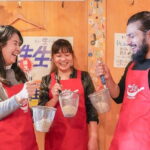
This is a small group cooking class (max 8) with English-speaking instructors, so you’re not stuck watching from the back. You’ll leave with a full lunch from what you cook, plus recipe notes so you can recreate it later.
In This Review
- Key highlights you’ll feel right away
- Why this Kyoto class packs three wins into 1.5 hours
- The cooking flow: ramen broth first, then gyoza and onigiri
- What you’ll actually learn (not just what you’ll cook)
- Ramen broth techniques you can repeat
- Gyoza wrapping you can recreate
- Onigiri shaping with better texture control
- Vegetarian menu: what changes, and what does not
- Value for money: $92.47 and what you’re buying
- The small-group setup: why it matters for beginners
- Where you go in Kyoto (and how to time your day)
- Who should book this class (and who might not)
- Should you book this Kyoto ramen, gyoza, and onigiri class?
- FAQ
- How long is the Ramen Gyoza Onigiri Japanese Cooking Class?
- What dishes will I make in this class?
- Is there a vegetarian option?
- Can the class accommodate vegan, gluten-free, halal, or kosher diets?
- How many people are in the class?
- Where does the class start and end?
Key highlights you’ll feel right away
- Hands-on ramen broth training that focuses on the part most home cooks skip
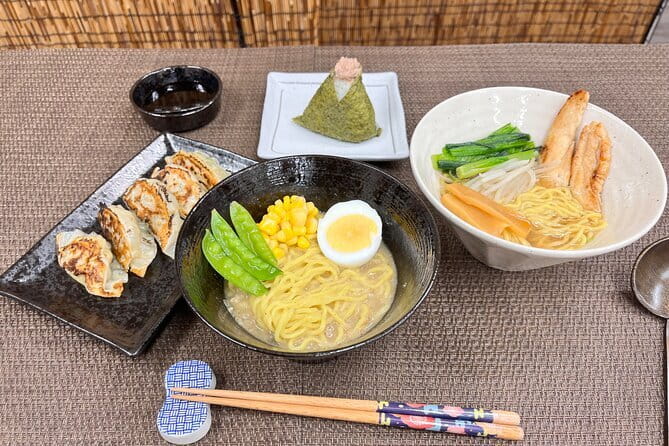
- Two ramen styles + gyoza + onigiri in about 1.5 hours
- Small-group teaching (max 8) with enough instructor attention while you cook
- Vegetarian menu option swaps pork for tofu, with other ingredients staying the same
- Everything gets eaten at the end, so you’ll definitely leave full
Why this Kyoto class packs three wins into 1.5 hours
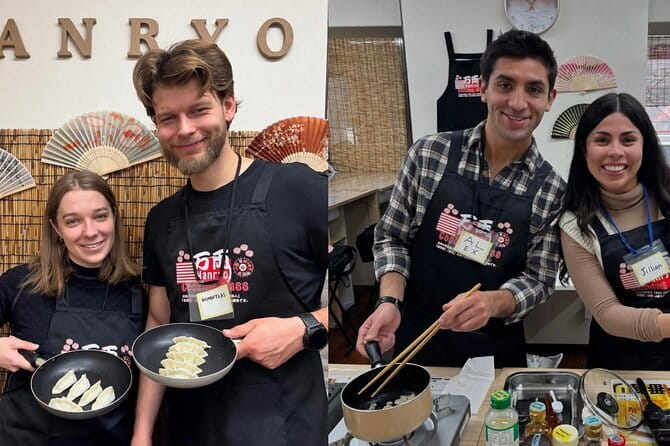
Kyoto is full of things to see, which is exactly why I like short, focused food experiences like this. You get ramen broth technique, plus the two most beloved Japanese comfort-food “hand skills”: gyoza wrapping and onigiri shaping.
What makes it practical is the pacing. Instead of turning the class into a lecture, you’re cooking as you learn. You end up with a full plate (not just a taste) because your meal is built from what you make.
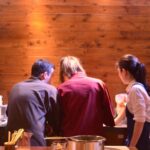
The vibe also helps. Past participants mention Chef Nori’s humor and clear English, with helpful assistants around the workstations. That matters in a cooking class, because it keeps you moving even if you’re new to Japanese cooking.
You can also read our reviews of more cooking classes in Kyoto
The cooking flow: ramen broth first, then gyoza and onigiri
Here’s the core idea: you won’t make the noodles. You’ll learn the ramen part that’s harder to nail at home—the broth. That’s where flavor is built, and where most at-home ramen attempts fall flat.
You start with ramen broth, and it’s structured enough that you’re not guessing. You’ll work with ingredients and seasonings designed to be achievable at home, and you’ll learn the techniques behind why it tastes right.
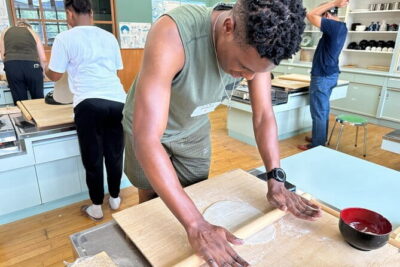
Then you shift gears to gyoza. Wrapping gyoza sounds simple until you’re standing there with dough in your hands. This class teaches the wrapping method step-by-step so you can reproduce the shape and seal—details that change the end result more than you’d think.
Finally comes onigiri. These rice balls are deceptively tricky because the texture matters and the shape takes a little practice. You’ll learn how to form them cleanly, so they look like real onigiri instead of… rice lumps. (You’ll know what I mean when you try.)
What you’ll actually learn (not just what you’ll cook)
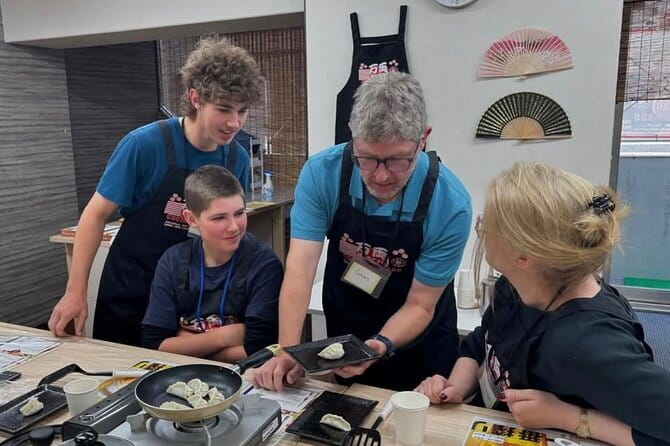
The biggest value here isn’t that you’ll taste good food. It’s that you’ll learn technique—the stuff you can carry home to your kitchen.
Ramen broth techniques you can repeat
The class emphasizes making authentic-style broth using ingredients and seasonings you can prepare at home. You’re learning how to build a base, not just dumping flavoring packets and hoping for the best.
Also, you’ll hear a bit of context as you start. Chef Nori is known for giving a short rundown of ramen before hands-on work begins. That kind of framing helps you understand the logic of what you’re doing, which makes it easier to repeat later.
Gyoza wrapping you can recreate
Gyoza is all about closure and proportion. If the seal isn’t right, you end up with filling escape and uneven cooking. This class teaches you how to wrap so the gyoza holds its form and cooks the way you expect.
You can also read our reviews of more tours and experiences in Kyoto

Onigiri shaping with better texture control
Onigiri looks simple, but you need the right rice handling to get that compact, sliceable firmness. You’ll practice shaping so the rice balls stay together and don’t fall apart when you pick them up.
In short: you’re not leaving with a random recipe. You’re leaving with an understanding of the workflow—how to get from raw ingredients to finished dishes.
Vegetarian menu: what changes, and what does not
If you want vegetarian, you have an option. The vegetarian menu replaces pork with tofu, while other ingredients remain the same.
That’s helpful to know before you book, because it means it’s not a full vegetarian redesign. It’s a swap: tofu takes the role of pork, and the rest of the course structure stays consistent.
Also important: this class doesn’t offer vegan, pescatarian, gluten-free, halal, or kosher menus. The restrictions listed are firm, including under-13 limits. If your dietary needs are complicated, double-check before committing.
Value for money: $92.47 and what you’re buying
The price is $92.47 per person for roughly 1 hour 30 minutes, and you’ll get lunch after you cook. For a Kyoto activity, that’s a fair deal for a hands-on class that covers multiple dishes—especially because it’s not just one recipe.
Here’s where the value comes from:
- You make multiple items (ramen broth, gyoza, onigiri) instead of one component.
- Lunch is included, so you’re not paying separately for a meal afterward.
- Small group size (max 8) helps you actually get help while you’re cooking.
What you don’t get: private transportation. If you’re already navigating Kyoto on foot/subway/bus, you’ll be fine, but you should plan your arrival time yourself.
If you compare this to the cost of learning from scratch by trial and error at home, this class gives you speed and guidance. You’re essentially paying for shortcuts to better results.
The small-group setup: why it matters for beginners
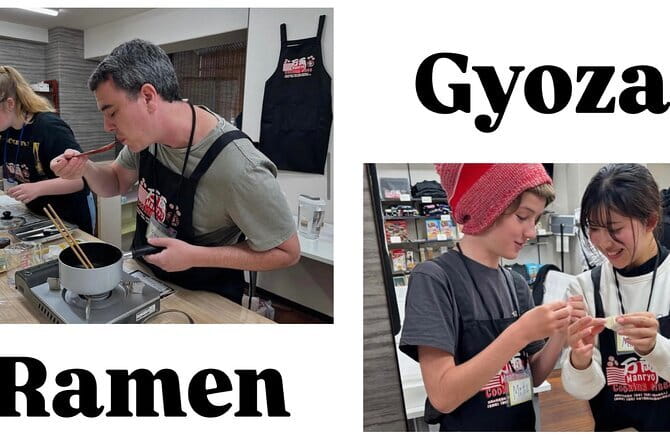
This experience caps at 8 travelers, and that’s a big deal. With a larger class, you can watch, but your hands don’t get time with the instructor. Here, you’re close enough to ask questions while you’re actually working.
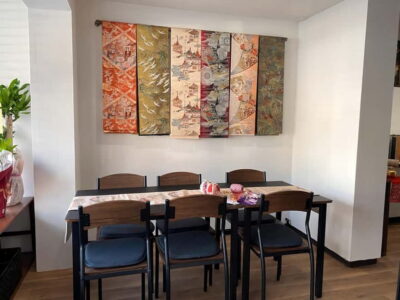
The classroom setup is also designed for clean cooking and easy movement, which helps when you’re switching from broth work to dumpling-style wrapping to rice shaping. People mention clear instructions and good pacing, and you’ll feel that during the session when you’re never stuck for too long at one step.
English-speaking instructors are part of the appeal, too. You’re not translating cooking terms for yourself. You get explanations you can follow, even if you’ve never cooked Japanese food before.
Where you go in Kyoto (and how to time your day)
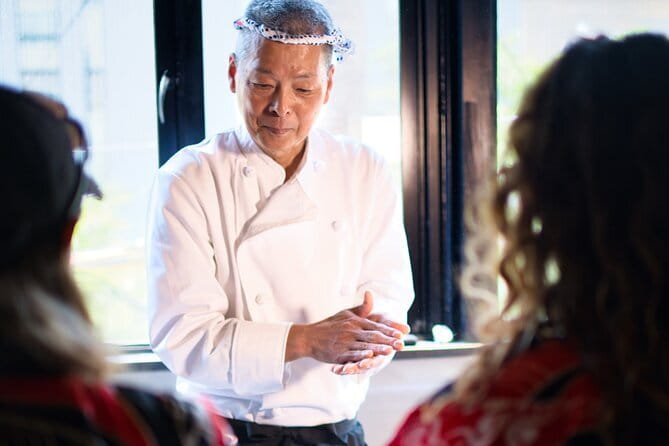
You meet at Manryo Japanese Cooking Class in Sakyo Ward, Kyoto. The address is:
841 Chōshōji Monzenchō, Life Building B1, Sakyo Ward, Kyoto 606-8366, Japan.
It’s near public transportation, so plan to arrive a little early so you can get oriented. The class uses a mobile ticket, which makes check-in simpler if you prefer digital details over paper.
Because the session ends back at the meeting point, you can slot it into a day without planning a long route afterward. Just remember you’ll be eating what you make at the end—so you don’t need a huge breakfast.
Timing tip: If you’re also visiting sights that day, pick something nearby or schedule it mid-day. Once you’re done, you’ll feel fed and ready for an afternoon walk rather than searching for dinner.
Who should book this class (and who might not)
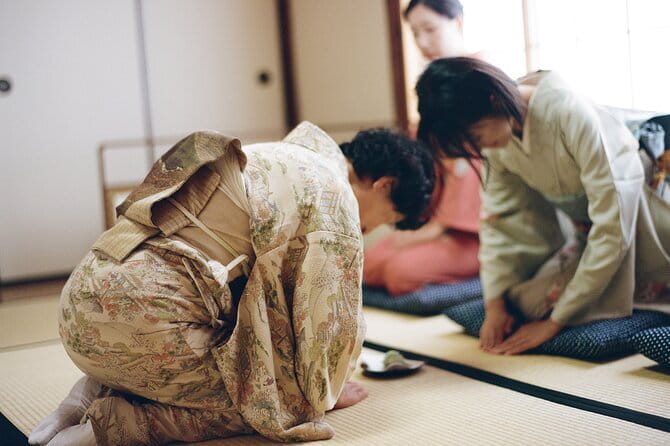
This is a great fit if you:
- want hands-on Japanese cooking without dealing with too many recipes at once
- care about learning broth technique (the part people usually skip)
- enjoy making food you’ll eat immediately
- like small groups where you can ask questions
It may be a less ideal fit if you:
- need vegan, gluten-free, halal, or other special-diet options (those aren’t accommodated)
- want a totally customizable menu (the class sticks to regular or vegetarian only)
- are traveling with kids under the listed age limit
If you’re a food traveler who wants something more interactive than a restaurant meal, this hits the sweet spot.
Should you book this Kyoto ramen, gyoza, and onigiri class?
I’d book it if your goal is a practical Kyoto food memory—something you can recreate, not just something you ate. The combination of ramen broth technique + real wrapping practice is a strong reason to choose this over a one-dish cooking class.
The only reason I’d hesitate is diet restrictions. If you fit the regular or tofu-based vegetarian option, you’re set. If you need something else, you’ll have to look for a different cooking experience.
If you arrive hungry and ready to get your hands busy, you’ll likely leave with both a full stomach and skills you’ll actually use again.
FAQ
How long is the Ramen Gyoza Onigiri Japanese Cooking Class?
The class runs about 1 hour 30 minutes. You’ll cook during that time and then enjoy lunch afterward.
What dishes will I make in this class?
You’ll learn to make ramen broth, gyoza, and onigiri. The focus is on the broth, and you don’t make the noodles in this session.
Is there a vegetarian option?
Yes. There are only two menu choices: regular and vegetarian. In the vegetarian menu, pork is replaced with tofu, while other ingredients stay the same.
Can the class accommodate vegan, gluten-free, halal, or kosher diets?
No. The class cannot accommodate vegan, pescatarian, gluten-free, halal, kosher, or other special diets listed in their restrictions.
How many people are in the class?
The group is limited to a maximum of 8 travelers. That small size is meant to give you easier access to the instructor.
Where does the class start and end?
The class starts at Manryo Japanese Cooking Class in Sakyo Ward, Kyoto, and it ends back at the same meeting point. It’s near public transportation, and you’ll receive a mobile ticket for the experience.