REVIEW · KYOTO
Advanced Kyoto Insider Sake Tasting Experience
Book on Viator →Operated by Add Stories Co.,Ltd. · Bookable on Viator
Sake opinions change after 10 comparisons. This advanced Kyoto insider session takes the lid off how philosophy, tools, and ingredients can swing a brew’s taste. You’ll sample rare styles built with ancient methods, fermentation approaches that spotlight microorganisms, and even sake influenced by local wood.
I love the comparison-first format, not just passive sipping. I also like the hands-on label practice, where you learn to read real bottles the way restaurants do.
One consideration: you’re in a dedicated tasting room for about 2 hours, alcohol rules are strict, and there’s no food pairing, so plan a proper lunch or brunch first.
In This Review
- Key highlights at a glance
- Why this advanced Kyoto sake tasting feels different from the usual pours
- The 2-hour flow: bottles, tasting notes, and guided comparisons
- What you’ll learn about brewing philosophy, fermentation, and wood
- Getting your hands on real bottle labels (the skill you’ll use after)
- Price and value: what $74.64 buys you in Kyoto
- Meeting point in Fushimi and how to plan your pre-tasting meal
- Who this advanced sake class is best for
- Practical rules that affect your night (age, alcohol, and reservations)
- So, should you book this sake tasting class?
- FAQ
- How many sakes will I taste?
- How long does the experience last?
- What is the price per person?
- Is there an age requirement?
- Will there be food or snacks included?
- Where does the tour start?
- Is the ticket mobile?
- Do I need a reservation, and can non-drinkers join?
- Will I be served alcohol if I arrive by car or bicycle?
- What happens if weather is bad?
Key highlights at a glance
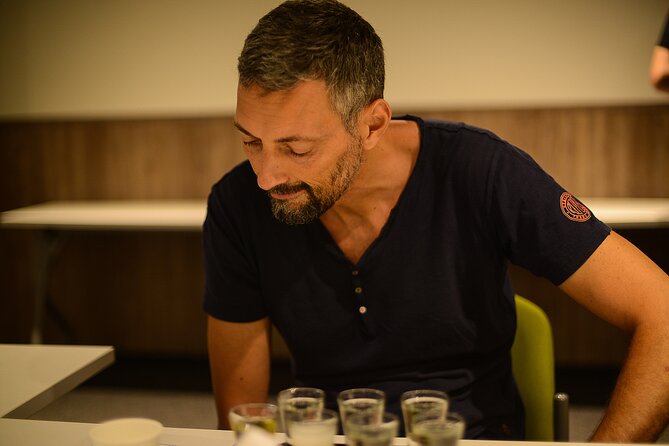
- 10 sakes designed for comparison so you can taste how choices change flavor, not just what tastes good
- Certified sake expert guidance with explanations of styles, brewing methods, and flavor structure
- Bottle and label reading practice that helps you evaluate sake after the tour
- Tasting notes and reference materials so your impressions don’t fade by the next stop
- Dedicated tasting room in Fushimi makes it feel like a real class, not a pub crawl
- Small group size (max 12) for questions and steady guidance
Why this advanced Kyoto sake tasting feels different from the usual pours
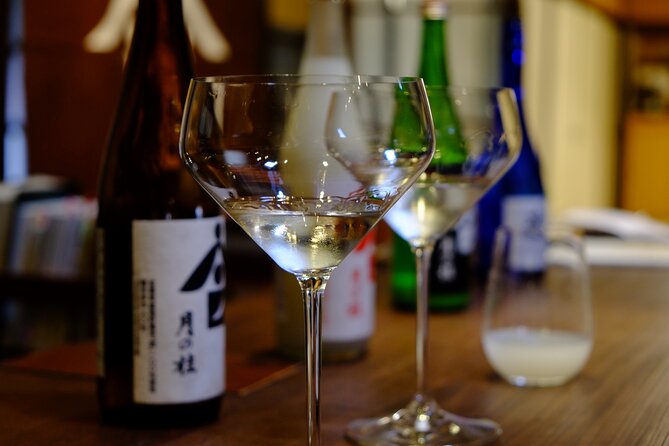
Most sake tastings give you a line-up and tell you to enjoy the ride. This one is built around reasoning. You’re not simply collecting flavors. You’re learning how and why sake changes when brewers change their approach.
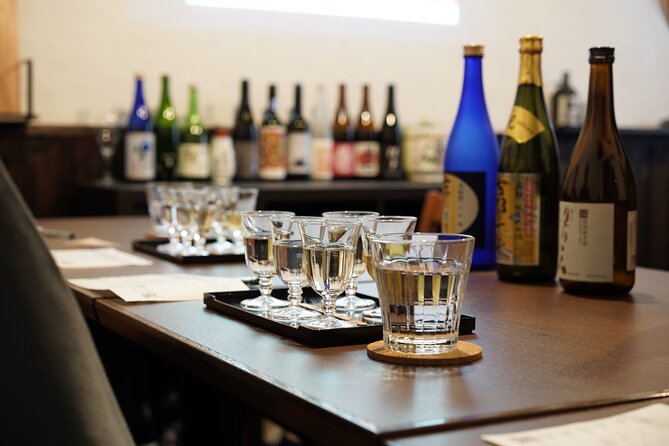
The tour’s core idea is simple: sake is not one thing. It’s a spectrum shaped by philosophy, ingredients, and technique. In this session, you’ll taste 10 carefully chosen sakes that represent different brewing ideas. That includes examples made with older, time-tested methods, styles using innovative fermentation techniques, and brews that use local wood to add distinct regional character.
That design is what makes this feel more “Kyoto” than generic. Kyoto is big on craft—details, process, and intentional choices. This tasting matches that mindset. You’ll hear enough to understand what you’re tasting while still keeping it fun and approachable for first-timers.
You can also read our reviews of more food & drink experiences in Kyoto

The 2-hour flow: bottles, tasting notes, and guided comparisons
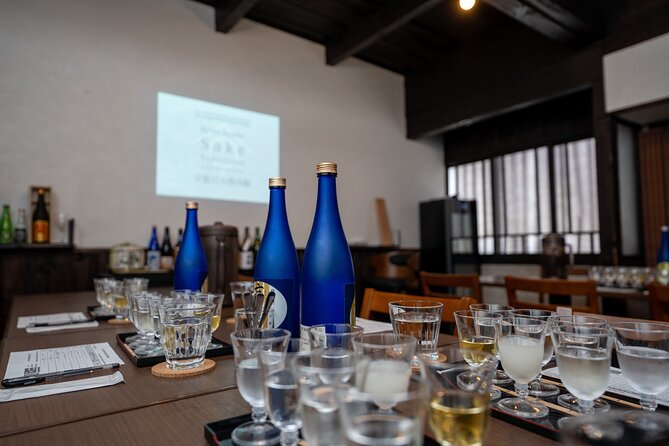
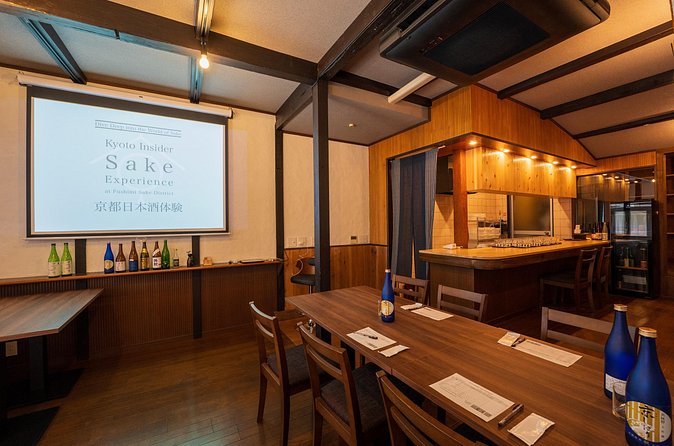
The experience runs about 2 hours and takes place in the tour operator’s dedicated tasting room. You’ll start with the basics—enough structure to make the later comparisons make sense. Then you’ll move into the tasting portion with an expert leading the pace.
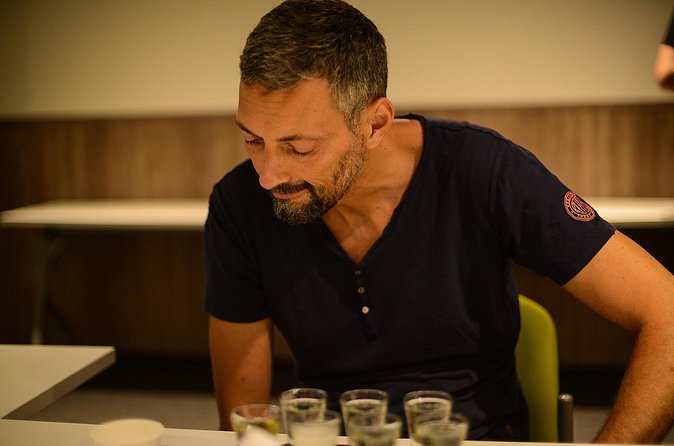
A key part is the guided comparison. You’ll taste and compare 10 sakes chosen for distinctive brewing approaches and flavor profiles. That means you’re constantly asking your brain to do something: notice differences, connect them to what you were just taught, and refine how you describe what you taste.
Between pours, you’ll use tasting notes and reference materials. I like this because it helps you remember. Sake tasting can get blurry fast once you’re halfway through. Having written prompts and guidance turns a fun session into a learning tool you can keep using later.
You’ll also practice reading real bottle labels. This is not a casual “look at this word” moment. The class is structured so you can start decoding what matters before you buy or order sake in a restaurant. That hands-on element is one of the smartest parts of the tour.
What you’ll learn about brewing philosophy, fermentation, and wood
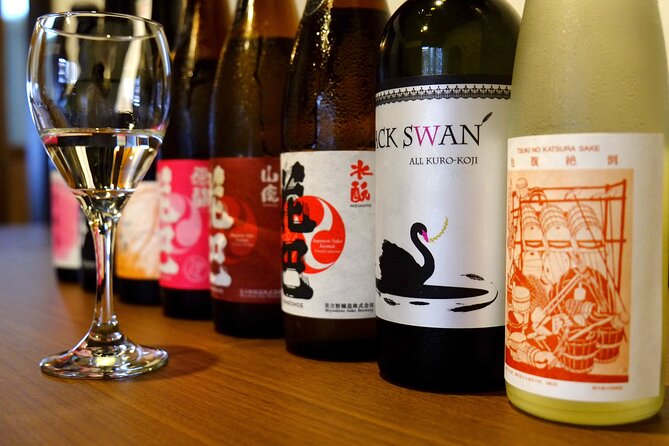
This experience is designed for people who want more than the basics—without turning the session into a lecture you’ll regret booking. You’ll cover sake categories and fundamentals, then push further into the “why” behind flavor.
Here’s what makes the content feel genuinely advanced:
1) Brewing philosophy is treated like a flavor ingredient.
Instead of saying all sake tastes different because it’s different, the expert frames it as a set of choices. Brewers decide what they’re aiming for, then the process supports that goal.
2) Fermentation gets real attention.
The tour explicitly points to innovative fermentation techniques and the power of microorganisms. Even if you’re not a fermentation nerd, you’ll learn enough to recognize that fermentation conditions and methods can shift the aroma and texture you experience in the glass.
3) Materials matter, including local wood.
One of the most interesting themes is sake made with local wood, which gives each brew a distinct regional character. The point here isn’t just novelty. It’s the idea that materials can influence the final character—like you’d expect with other craft traditions.
You’ll also get help mapping flavors into a structure. That matters because it trains your palate. After this, you should feel more confident describing what you like instead of only picking based on first impressions.
Getting your hands on real bottle labels (the skill you’ll use after)
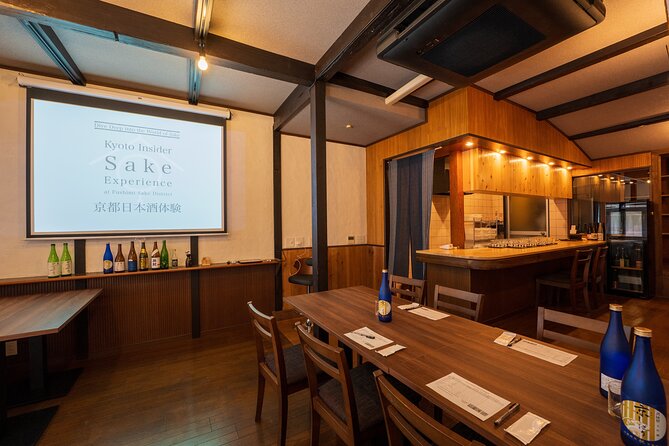
If you want value that lasts past the tasting room, this is it. The tour includes hands-on practice reading real sake bottles and labels used in restaurants.
In Kyoto, you’ll see plenty of sake options on menus. Without label literacy, it becomes guesswork. With what you learn here, you can approach bottle labels with more confidence. You’ll be less likely to order the “safest” option every time, and more likely to pick based on style, not just mood.
This also changes how you taste. When you understand what you’re looking at, tasting becomes more analytical. You start noticing patterns, like how certain styles tend to lean one way in aroma or balance. The tour gives you the tools to do that without needing to become a brewer yourself.
Price and value: what $74.64 buys you in Kyoto
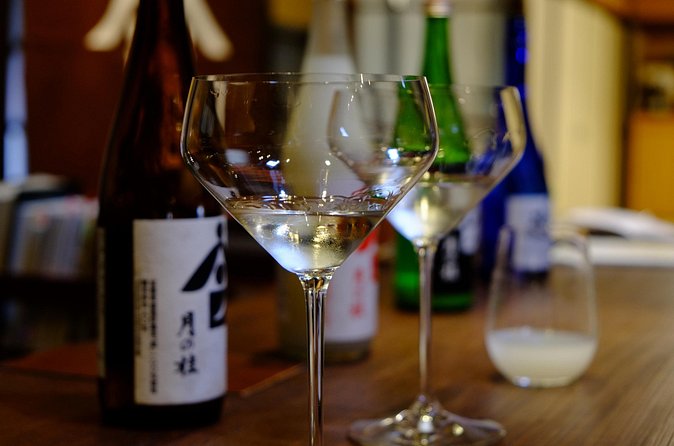
At $74.64 per person for about 2 hours, you’re paying for three things that are hard to replicate on your own:
- Ten sakes selected for comparison, not a random sampling
- Expert-led guidance that helps you connect taste to brewing choices
- Learning materials (tasting notes and reference sheets) plus label practice
If you’ve ever done a basic tasting with a handful of pours, you know the common problem: you taste a few things, but you don’t walk out with a framework. You forget most of it by dinner. This session spends the time differently. It’s longer than a quick “sip and go” stop, and it’s structured to build your ability to evaluate sake.
Also, the group size max is 12. That matters for value because you’re more likely to get your questions answered and keep the pace from turning chaotic.
One more practical point: the tour operator recommends you have lunch or brunch before. Since snacks and food pairing aren’t included, this is a good chance to budget for a meal you actually enjoy. You’ll feel better, taste better, and finish the class without getting tired or distracted by hunger.
You can also read our reviews of more drinking tours in Kyoto

Meeting point in Fushimi and how to plan your pre-tasting meal
The meeting point is 271-1 Kurumamachi, Fushimi Ward, Kyoto, 612-8365, Japan. It’s described as near public transportation, and the activity ends back at the meeting point, so you’re not stuck navigating a new neighborhood after you’re done.
Start with the meal plan. The experience suggests having lunch or brunch first. I agree with that strategy. Even though it’s only about 2 hours, sake tasting can be mentally active. A relaxed stomach makes it easier to focus on comparisons and label reading.
Since no snack or food pairing is included, I’d treat this like a class first and a tasting second. Eat well beforehand, then arrive ready to pay attention.
Who this advanced sake class is best for
This is especially rewarding if you do any of the following:
- You already like sake and want to sharpen your taste words
- You’re curious but want real structure, not just sampling
- You want to understand brewing approaches beyond the usual surface-level categories
- You’re the kind of person who likes to learn how things are made, not only what they taste like
That said, it’s not locked to experts. The tour is designed to be approachable for curious beginners, while still meaningful for people who know their way around sake. The “advanced” part is about the deeper comparisons and the emphasis on brewing choices.
If you’re looking for a party vibe or a no-effort tasting, you might find this more like a focused workshop than a casual night out.
Practical rules that affect your night (age, alcohol, and reservations)
A few clear rules can impact your experience, so read these before you book.
- Minimum age is 20 for alcohol service. Guests under 20 will only receive non-alcoholic drinks.
- Reservation rules are strict. Guests without a reservation, including children and non-drinkers, will not be allowed to join.
- There’s also a safety and legal rule about arrival mode: alcohol will not be served to guests who arrive by car or bicycle. Non-alcoholic drinks are available.
- The tour has a maximum of 12 travelers, and it runs in a dedicated tasting room setting.
There’s also weather dependence mentioned for cancellation due to poor conditions. If the experience needs to shift because of weather, you’ll be offered a different date or a full refund.
Lastly, you’ll receive confirmation at booking time, and it’s a mobile ticket experience. That’s convenient in Kyoto, where walking and transit plans can change fast.
So, should you book this sake tasting class?
Yes, I think it’s worth booking if your goal is to understand sake in a way you can carry home. The combination of 10 sake comparisons, expert guidance, label practice, and tasting notes gives you skills, not just souvenirs.
Book it if you:
- Want to go beyond basic “dry vs. sweet” talk
- Appreciate craft and process
- Plan to order sake later and want to do it with more confidence
Skip or reconsider if you:
- Want a purely casual tasting with no structured learning
- Are traveling with non-drinkers or need flexibility for people not eligible for the alcohol rules
- Prefer snacks/food pairing to be included by default
If you line this up with a good pre-tasting meal and show up ready to take notes (even informal ones), this is the kind of Kyoto experience that sticks. You’ll leave with a sharper palate and a clearer way to choose your next bottle.
FAQ
How many sakes will I taste?
You’ll taste and compare 10 carefully selected sake.
How long does the experience last?
It runs for about 2 hours.
What is the price per person?
The price is $74.64 per person.
Is there an age requirement?
Yes. Guests must be at least 20 years old. Guests under 20 will only be served non-alcoholic drinks.
Will there be food or snacks included?
No snacks or food pairing are included. You’re recommended to have lunch or brunch before the experience.
Where does the tour start?
It starts at Kyoto Insider Sake Experience, 271-1 Kurumamachi, Fushimi Ward, Kyoto, 612-8365, Japan.
Is the ticket mobile?
Yes. The tour uses a mobile ticket.
Do I need a reservation, and can non-drinkers join?
You must have a reservation. Guests without a reservation (including children and non-drinkers) will not be allowed to join.
Will I be served alcohol if I arrive by car or bicycle?
For safety and legal reasons, alcohol will not be served to guests who arrive by car or bicycle. Non-alcoholic drinks are available.
What happens if weather is bad?
The experience requires good weather. If canceled due to poor weather, you’ll be offered a different date or a full refund.